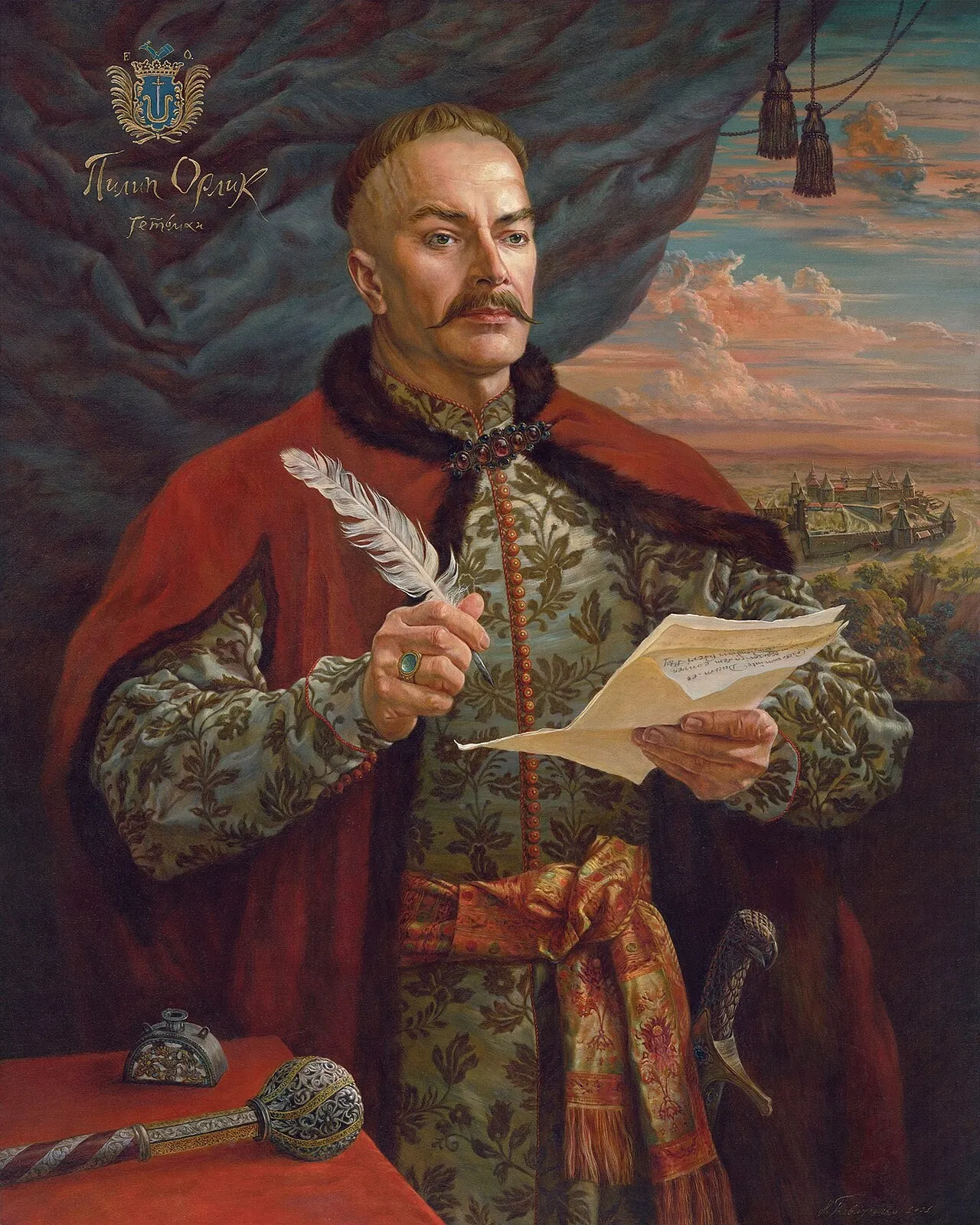
c. 1595–1657
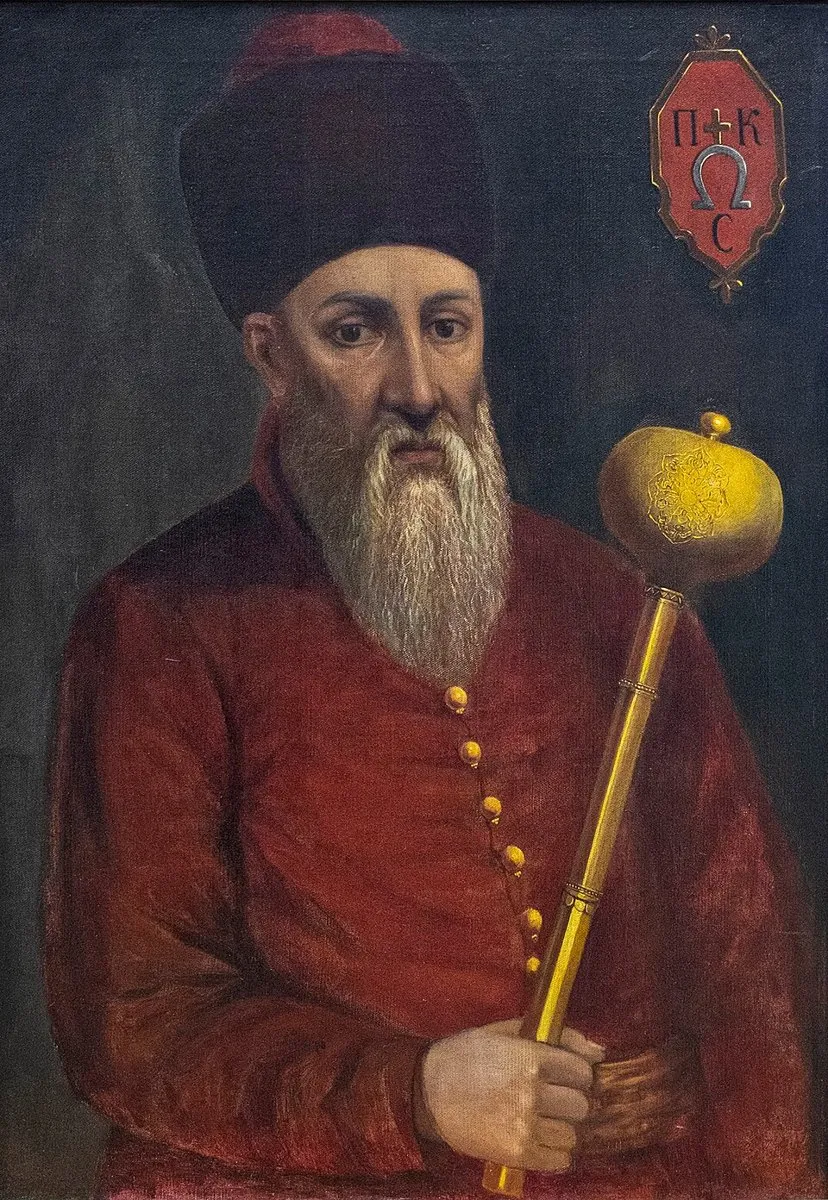
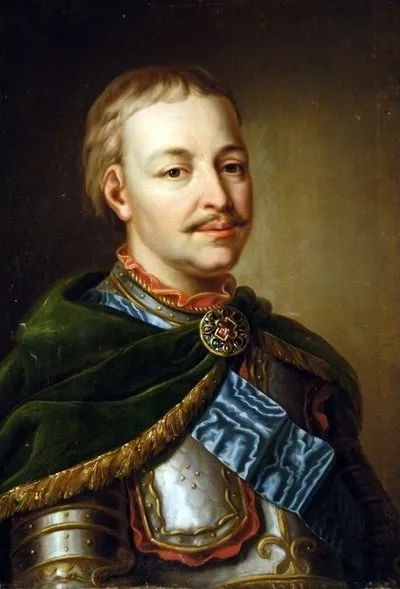
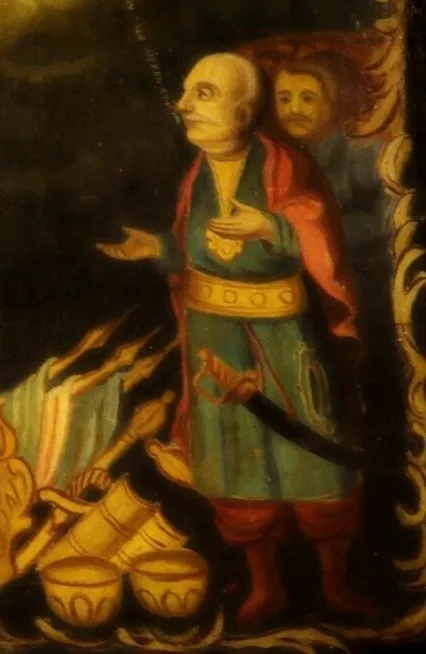
Bohdan Khmelnytskyi
Hetman, founder of the Cossack state
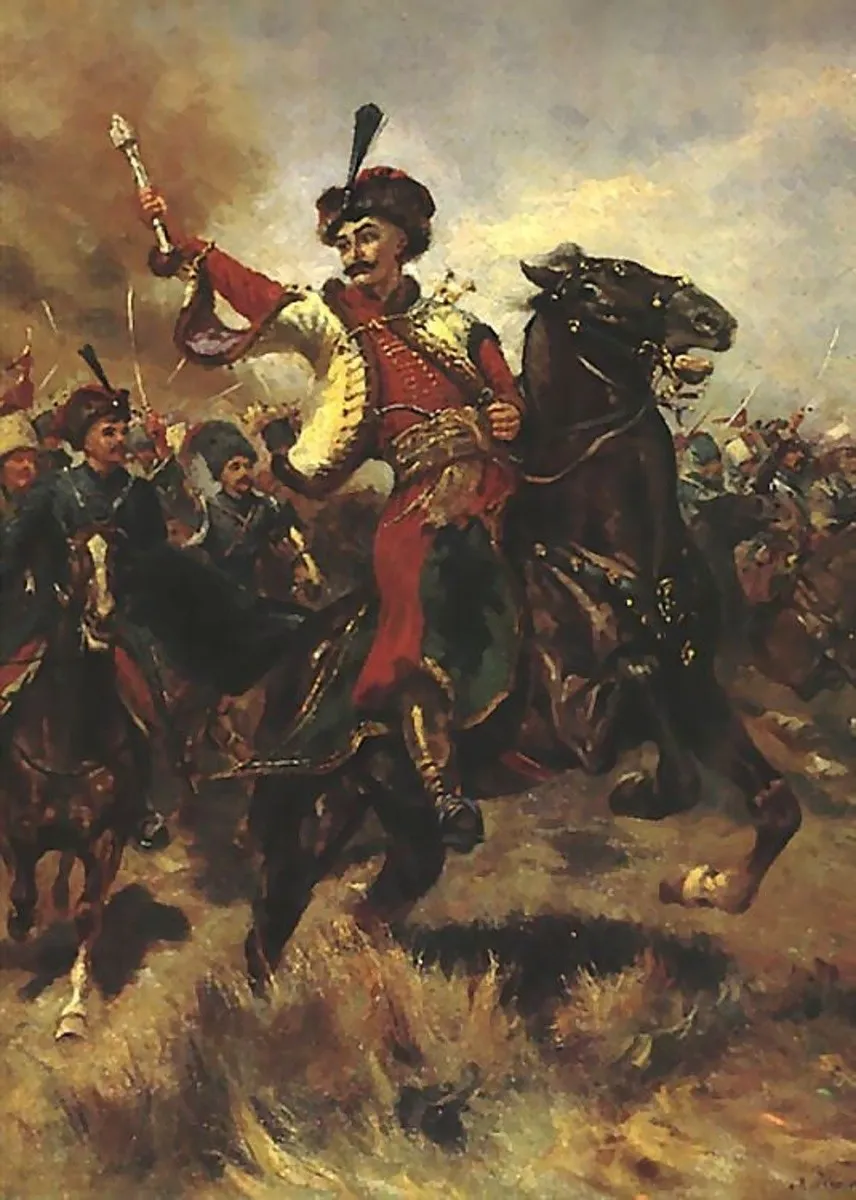
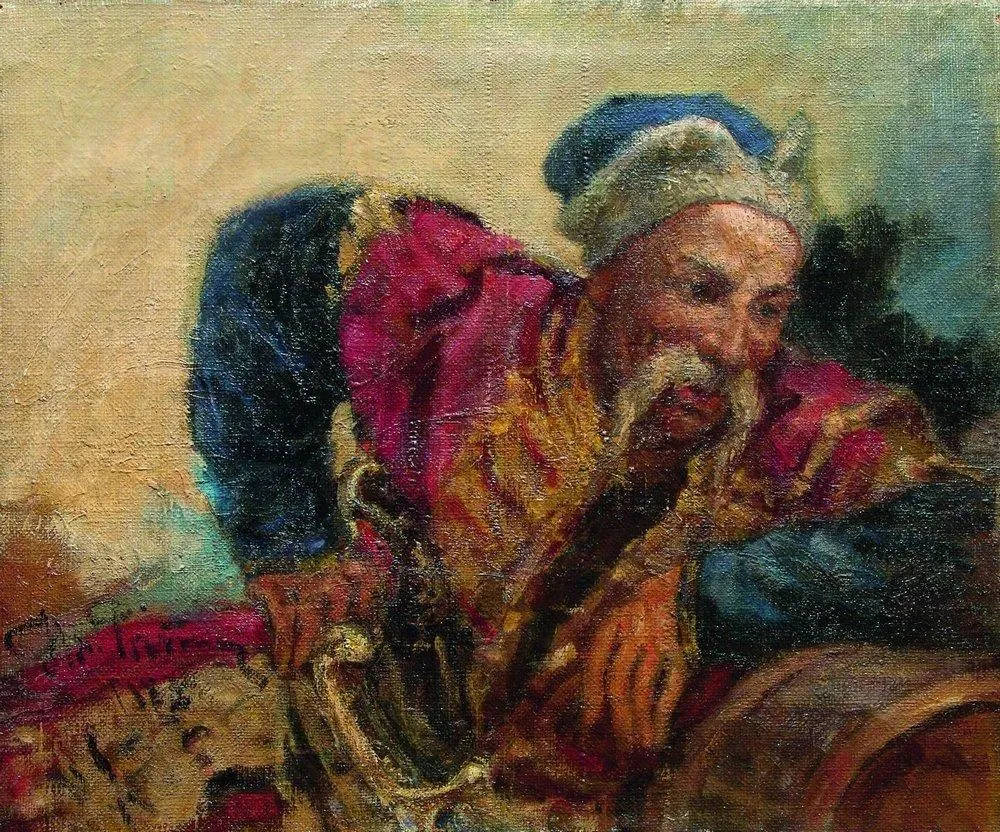
A Cossack captain lost his homestead to a lawless official, and within a year he was leading an uprising that shifted the balance of power in Europe. Hetman Bohdan Khmelnytskyi went on to build a Cossack state, the Hetmanate.
Key accomplishments
- Led the national liberation war of 1648–1657
- Victories at Zhovti Vody, Korsun and Pyliavtsi (1648)
- Created the Ukrainian Cossack state, the Hetmanate
- Wide-ranging diplomacy with the Crimean Khanate, the Ottoman Empire, Sweden, Transylvania and Muscovy
It started with a homestead
Bohdan (Zynovii) Khmelnytskyi was an educated Cossack: he studied at the Jesuit college in Lviv. In 1620 he fought at Cecora, was taken prisoner by the Turks and spent two years in captivity. Later he became the sotnyk (Cossack captain) of Chyhyryn and farmed his homestead at Subotiv.
In the spring of 1647 the homestead was seized by Czapliński, a deputy official who held a personal grudge against him. That wrong came on top of the Cossacks’ anger at the abuses of officials, magnates and leaseholders. Early in 1648 Khmelnytskyi was elected hetman, and the uprising grew into a war of liberation.
A state born of war
Allied with the Crimean Khanate, the hetman routed Polish armies in 1648 at Zhovti Vody, Korsun and Pyliavtsi. The war swung back and forth: in 1651 the Cossacks suffered a heavy defeat at Berestechko. But on the freed lands a Cossack state, the Hetmanate, had already taken shape, with its own army, government and diplomacy. The hetman negotiated with Crimea, the Ottoman Empire, Sweden, Transylvania and Moscow.
In 1654, at the Pereiaslav Council, Khmelnytskyi accepted the protection of the Muscovite tsar. He died in 1657 in Chyhyryn and was buried in Subotiv, in St. Elijah’s Church, which he had built himself.
Debates and assessments
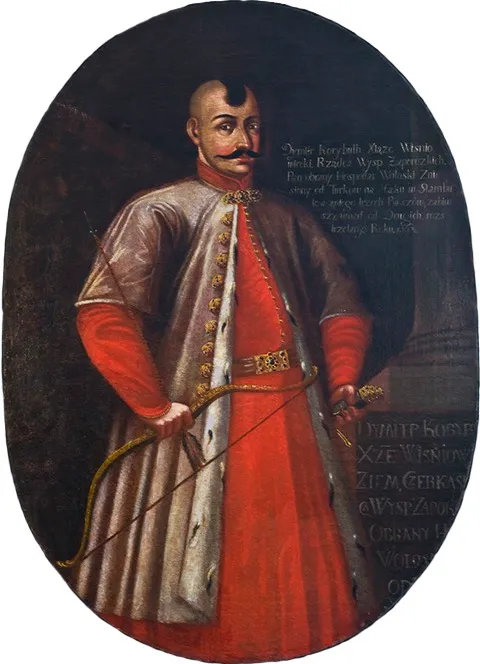
In 1648–1649 the rebels killed tens of thousands of civilians, including Jews and Poles; in Jewish historical memory these events are one of the greatest tragedies. The hetman’s allies, the Crimean Tatars, carried people off into captivity (the yasyr). Historians still disagree about what the Pereiaslav agreement was meant to be: a military alliance, a protectorate or submission. It strengthened Moscow’s hold on Ukraine.
Why he is remembered
Historians see the Cossack state itself as Khmelnytskyi’s greatest achievement. Many Ukrainians carry his portrait every day: he is on the 5 hryvnia banknote.