1728–1803
Kyrylo Rozumovskyi
The last hetman of the Hetmanate
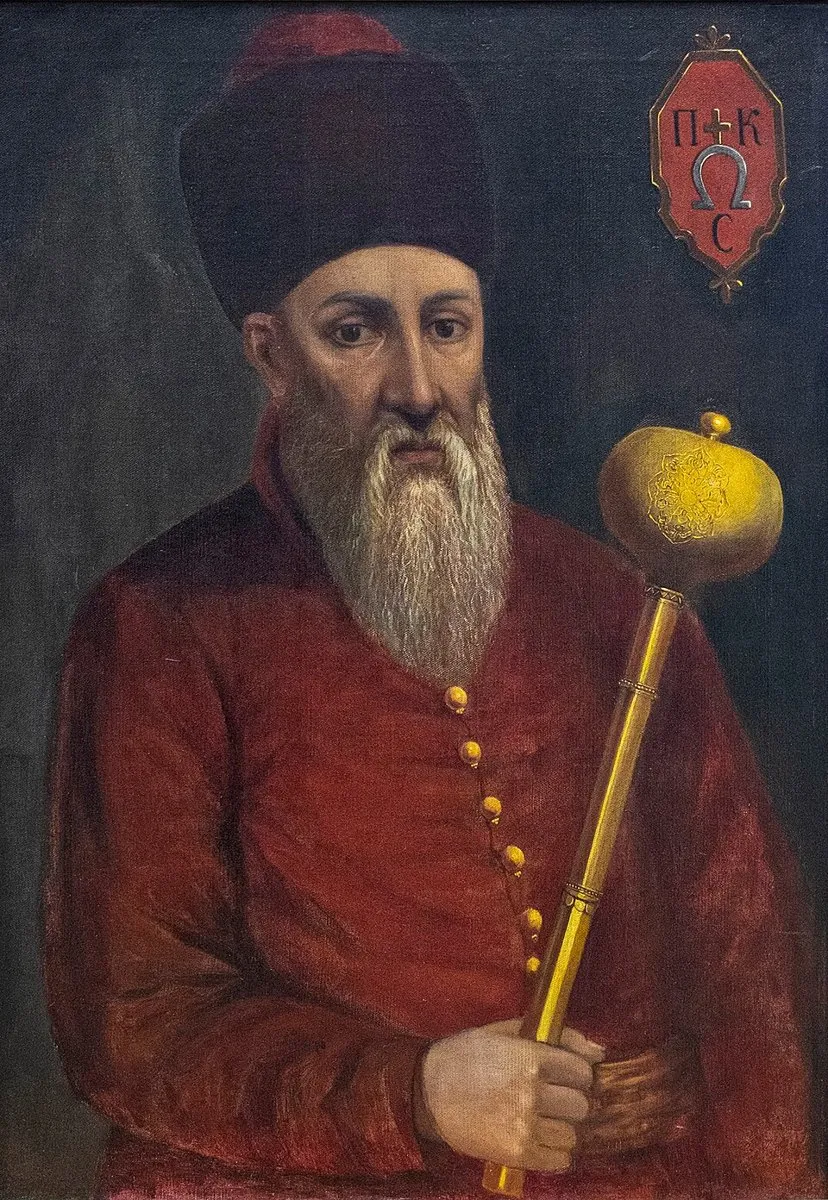
The son of an ordinary Cossack from Lemeshi became a count at 16, headed the St. Petersburg Academy of Sciences before he was 20, and in 1750 took charge of the Hetmanate. Kyrylo Rozumovskyi tried to strengthen it through reforms, but in 1764 Catherine II abolished the hetmancy.
Key accomplishments
- Hetman of Ukraine (the Hetmanate) in 1750–1764
- Judicial reform: divided the Hetmanate into 20 counties and introduced land, town and boundary (pidkomorskyi) courts
- Obtained a tsarist decree in 1752 banning the spread of servitude (kholopstvo) to Ukrainians
- Made Baturyn the capital again; planned to found a university in Baturyn
How a Cossack’s son became a count
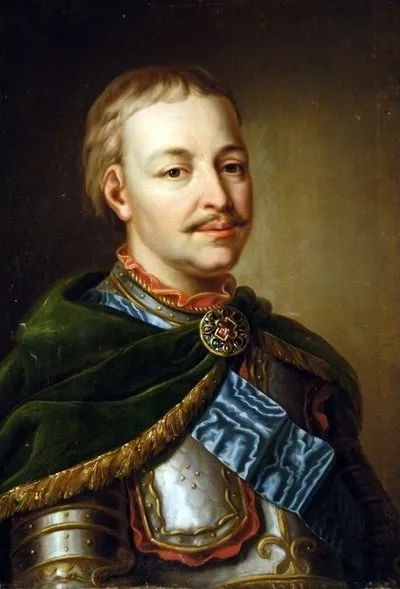
Kyrylo Rozumovskyi was born in 1728 in the village of Lemeshi in the Chernihiv region, the son of an ordinary Cossack, Hryhorii Rozum. His elder brother Oleksii changed the family’s fortunes when he became the favorite of the Russian empress Elizabeth. In 1742 Kyrylo moved to the imperial court; he studied in Europe, mainly in Germany, was made a count in 1744, and later headed the St. Petersburg Academy of Sciences.
A reforming hetman
Under pressure from Oleksii Rozumovskyi and the Ukrainian Cossack officers, the empress agreed to restore the hetmancy. In 1750 a council in Hlukhiv elected Kyrylo hetman, though the imperial government’s instruction was what decided it. He tried to run domestic policy himself: he obtained a decree in 1752 banning the spread of servitude to Ukrainians, for a time appointed colonels on his own, and made Baturyn the capital again. Rozumovskyi divided the Hetmanate into 20 counties, introduced new courts, reformed the Cossack army and planned to found a university in Baturyn.
The end of the hetmancy
Meanwhile St. Petersburg kept cutting back the autonomy: it took control of the Hetmanate’s finances, forbade the hetman to appoint colonels on his own and removed Kyiv from his authority. The pretext for abolition was a petition by the Cossack officers in 1763 asking for the old rights to be restored and for the hetmancy to become hereditary in the Rozumovskyi family. By a manifesto of 1764 Catherine II removed Rozumovskyi and abolished the office of hetman. He received the rank of field marshal and estates, but for more than 11 years he was not allowed to visit Ukraine. He spent his last years in Baturyn and died there in 1803.
Debates and assessments
Rozumovskyi’s role is assessed in different ways. On the one hand, St. Petersburg effectively chose him as hetman, and he often spent long periods in the imperial capital, leaving the government to the Cossack officers. On the other hand, historians stress that Ukrainian political life revived markedly during his hetmancy, and that his reforms and the plans for a hereditary hetmancy were an attempt to strengthen the Hetmanate as a separate state.
His social policy is also viewed critically: the decree of 1760, which forbade peasants to move freely to new places, sped up the enserfment of the Ukrainian peasantry. Researchers link the abolition of the hetmancy above all to Catherine II’s centralizing policy.
Why it matters today
Rozumovskyi was the last hetman of the Hetmanate. The abolition of his office in 1764 was one of the steps toward the complete elimination of Ukrainian autonomy in the Russian Empire.