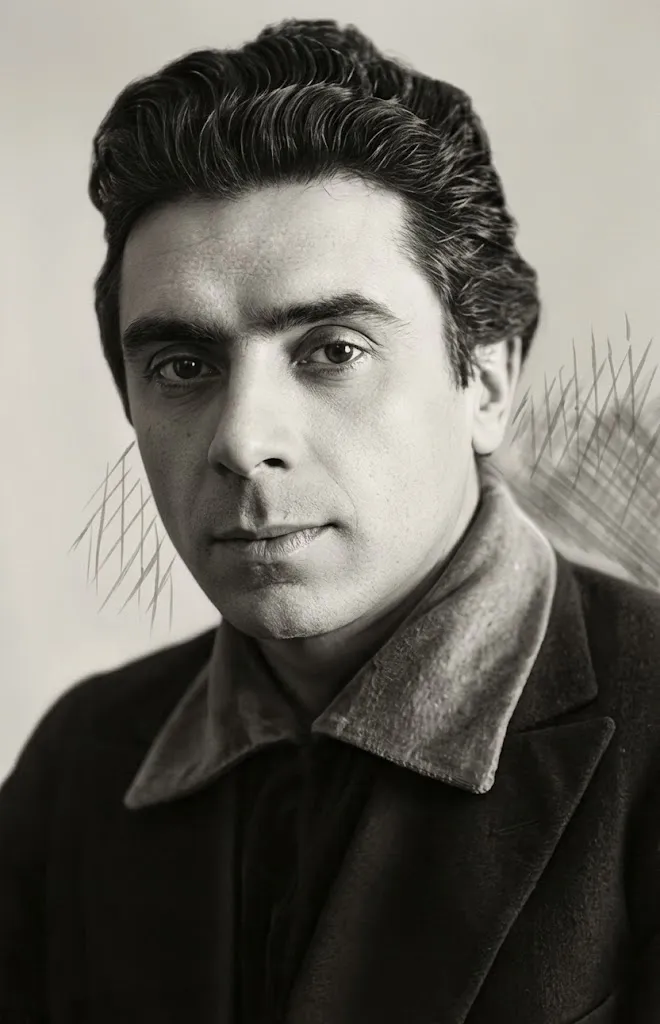
1769–1838
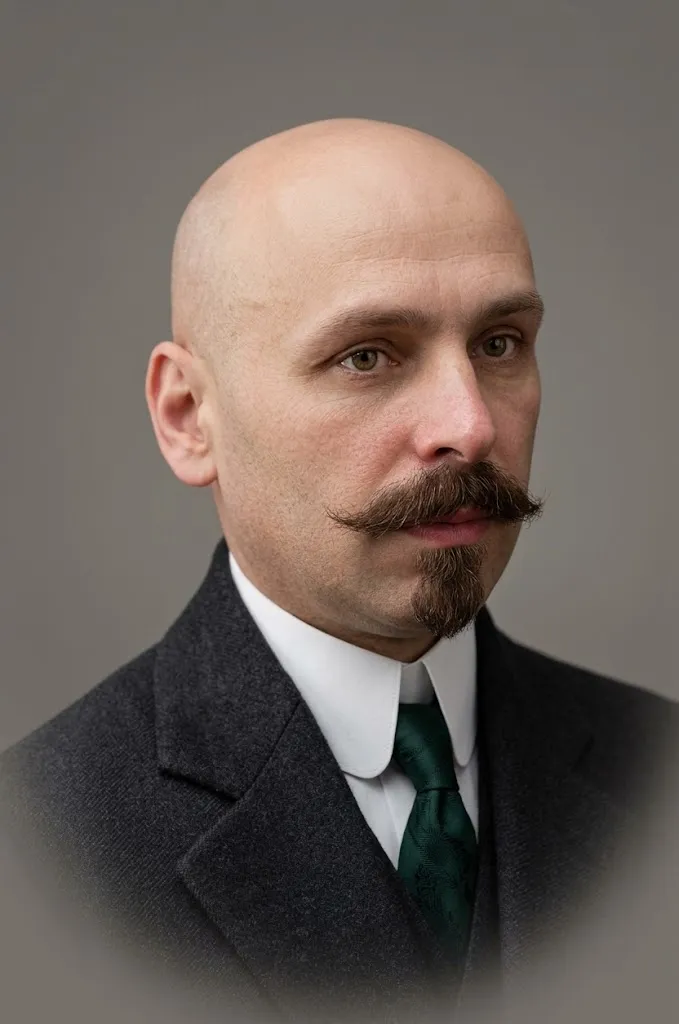
Ivan Kotliarevskyi
Father of modern Ukrainian literature
His Eneida was printed in St. Petersburg in 1798 without his knowledge, and modern Ukrainian literature is dated from that comic poem. Ivan Kotliarevskyi of Poltava also wrote Natalka Poltavka and launched the new Ukrainian theater.
Key accomplishments
- The poem Eneida (first three parts 1798; complete edition 1842), a travesty of Virgil’s Aeneid in the vernacular
- The plays Natalka Poltavka and Moskal-Charivnyk (1819), the start of modern Ukrainian drama
- Headed the Poltava theater (1819–1821)
- During the war of 1812 he raised the 5th Cossack Regiment and was made a major
A book published without its author
In 1798 the first three parts of a poem called the Eneida came out in St. Petersburg. Its author, Ivan Kotliarevskyi, had not given his permission: the edition was paid for by Maksym Parpura. Kotliarevskyi kept working on the poem for more than twenty years, and the complete text appeared only after his death, in 1842.
So what was it? Kotliarevskyi took Virgil’s ancient Roman poem about the wanderings of Aeneas and rewrote it as a joke (a form called travesty). He wrote it in the living vernacular, full of Ukrainian customs, everyday life and sayings. The Eneida showed that the language of ordinary people was fit for great literature. That is why it is Kotliarevskyi, not Shevchenko, who is traditionally called the father of modern Ukrainian literature.
Seminarian, officer, theater director
Kotliarevskyi was born in 1769 in Poltava into a clerk’s family. He studied at the Poltava Theological Seminary, worked as a private tutor in landowners’ families, and then spent more than ten years in the army. During the war of 1812 he raised the 5th Cossack Regiment and was made a major.
In 1819, while he was running the Poltava theater, he wrote two plays for it: Natalka Poltavka and Moskal-Charivnyk (“The Soldier-Sorcerer”). Modern Ukrainian drama began with them.
Why it matters today
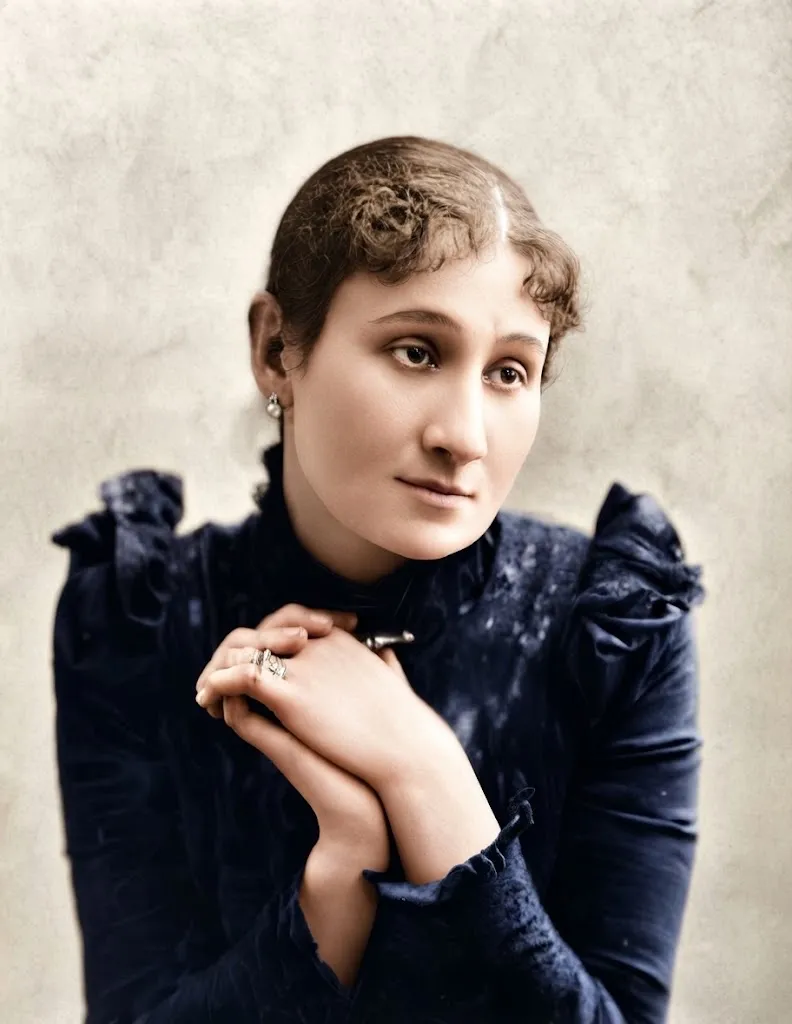
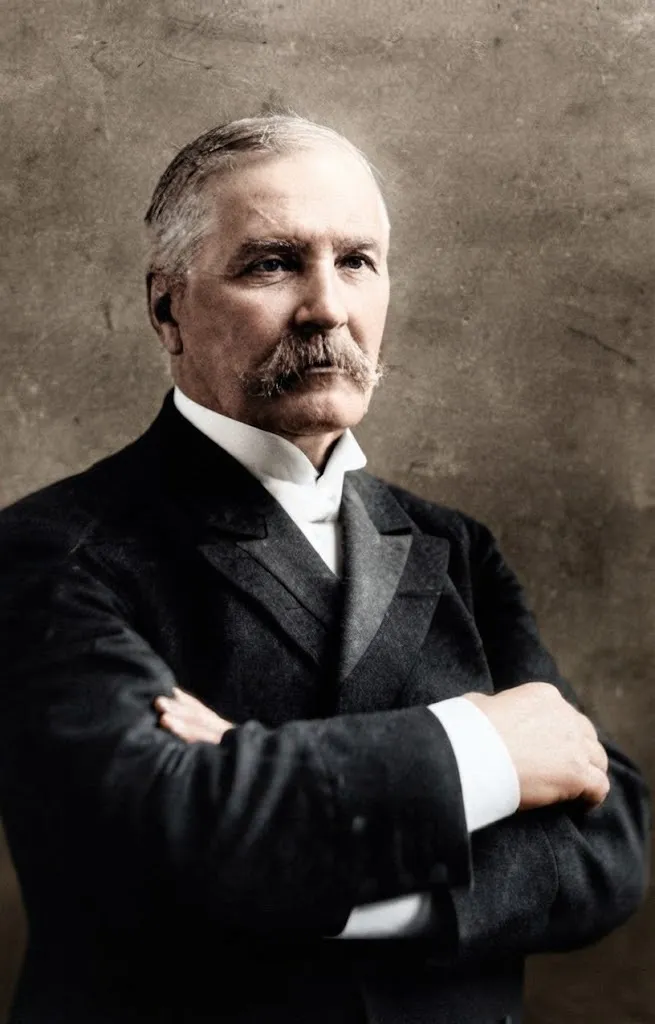
Great actors, from Mikhail Shchepkin to Mariia Zankovetska, have played in Kotliarevskyi’s plays. Natalka Poltavka has been filmed several times, and Mykola Lysenko wrote music for it. In 1903 Poltava unveiled the world’s first monument to Kotliarevskyi.