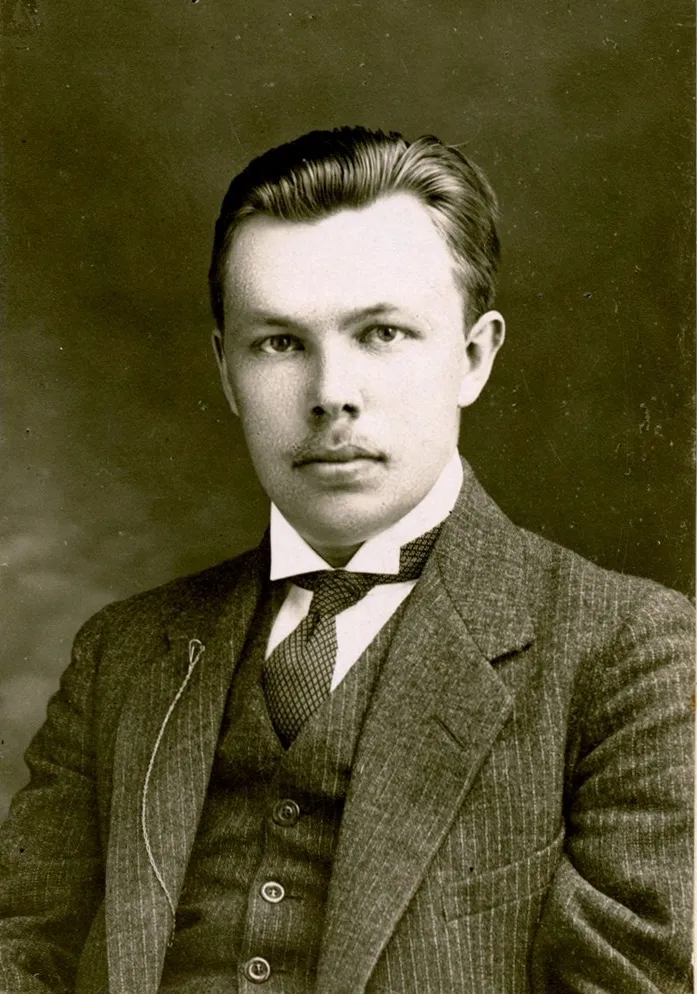
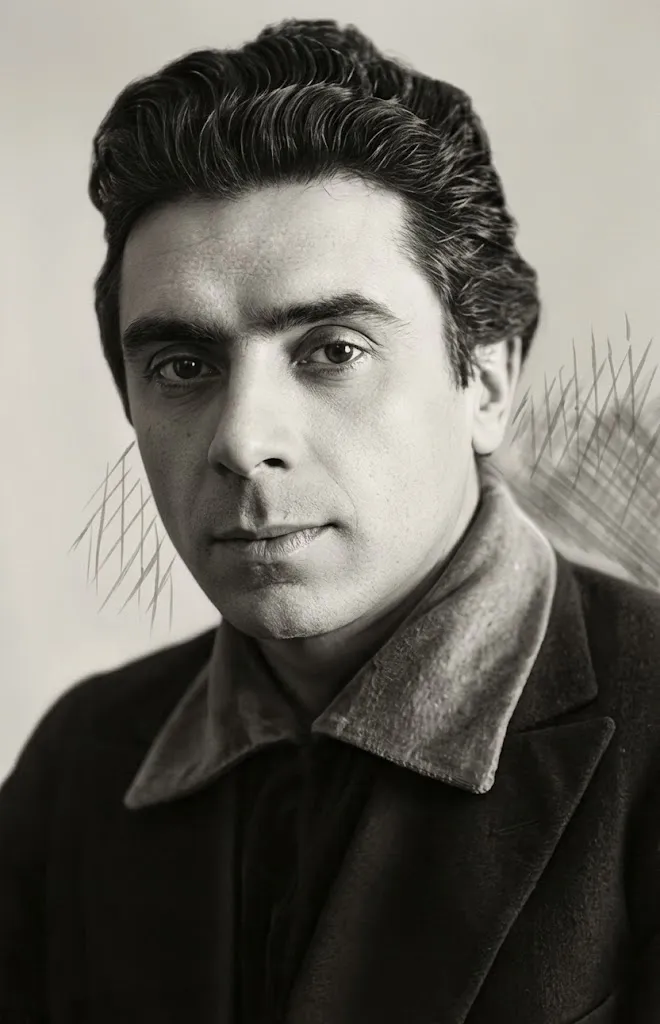
1722–1794
Hryhorii Skovoroda
The wandering philosopher
He could have been a monk or a professor; instead he became a wandering philosopher with no property and no post. Hryhorii Skovoroda, an 18th-century poet and teacher, taught that happiness lies in knowing yourself and in “kindred work”.
Key accomplishments
- The idea of “kindred work” and self-knowledge as the path to happiness
- Poetry collection The Garden of Divine Songs
- Kharkiv Fables and philosophical dialogues
Why did a teacher walk out of college and take to the road?
Hryhorii Skovoroda could have had a quiet career. Born into a Cossack family in the village of Chornukhy in the Poltava region, he studied at the Kyiv-Mohyla Academy, sang in the court choir in Saint Petersburg, and in 1745 left with a Russian mission for Tokaj in Hungary. Later he taught poetics in Pereiaslav and at the Kharkiv Collegium.
But his independent views kept setting him against the church authorities. When the bishop pressed him to become a monk, Skovoroda gave up teaching. He spent the last quarter-century of his life as a wandering philosopher: he walked across Sloboda Ukraine (Slobozhanshchyna), stayed with friends, wrote and taught, with no property and no official post.
Happiness in “kindred work”
So what did he preach on the road? That happiness lies in knowing yourself and in “kindred work”: the work you have a natural calling for. Don’t chase wealth and fame, he said; live simply, honestly and in harmony with nature. He set out his ideas in dialogues, parables, fables and poems.
Why people still listen to him
The idea of “kindred work”, finding work that suits your soul, speaks to anyone choosing a profession. Skovoroda’s portrait is on the 500-hryvnia banknote. In 2022 a Russian missile hit his museum in Skovorodynivka in the Kharkiv region, but the statue of the philosopher survived.