1890–1937
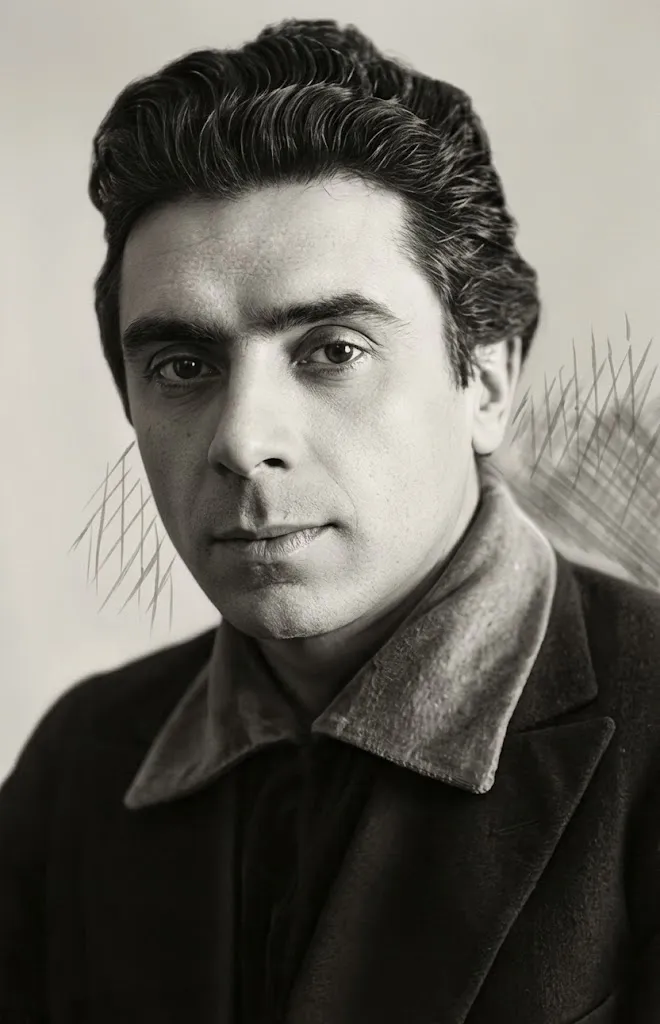
Mykola Zerov
Poet, translator, Neoclassicist leader
Two Latin words, “Ad fontes!” (“To the sources!”), became his slogan in the argument over where Ukrainian literature should go. Mykola Zerov, a sonnet poet and translator of Roman poetry, led the Kyiv Neoclassicists. He was shot at Sandarmokh in 1937.
Key accomplishments
- Anthology of Roman Poetry (1920): translations of Catullus, Virgil, Horace and Ovid
- The collection of poems and translations Kamena (1924); the posthumous Sonnetarium, Catalepton and Corollarium
- Intellectual leader of the Kyiv Neoclassicists (Maksym Rylskyi, Pavlo Fylypovych, Mykhailo Drai-Khmara, Yurii Klen)
- The books New Ukrainian Writing (1924), To the Sources (1926) and From Kulish to Vynnychenko (1929)
- The slogan “Ad fontes!” (“To the sources!”) in the 1925–1928 Literary Discussion
The poet who brought back Rome
Mykola Zerov was born in 1890 in Zinkiv in the Poltava region. In 1914 he graduated in history and philology from Kyiv University, then taught history and Latin at gymnasiums and edited the bibliographic journal Knyhar. In the famine year of 1920 he moved to Baryshivka near Kyiv, where until 1923 he taught, translated a great deal and wrote his own poems. He then became a professor in Kyiv and later headed departments of the history of Ukrainian literature and of translation theory.
Zerov became the intellectual leader of the Kyiv Neoclassicists, poets who in the 1920s championed classical European values, craftsmanship and taste. He wrote polished sonnets, and his Anthology of Roman Poetry (1920) and the collection Kamena (1924) opened the Roman poets to Ukrainian readers. As a critic Zerov wrote about Ivan Franko, Lesya Ukrainka, Panteleimon Kulish, Pavlo Tychyna and Maksym Rylskyi.
“To the sources!”
In December 1923 Zerov met Mykola Khvylovy, and they soon became allies against “proletarian hackwork”. During the Literary Discussion of 1925–1928, at a debate on 24 May 1925, Zerov backed Khvylovy’s call to learn from cultured Europe and added the slogan “Ad fontes!”. Later this alliance was held against both men as a grave political crime.
Solovki and Sandarmokh
In 1934 Zerov was dismissed from the university and left for Moscow. In April 1935 he was arrested and sent to Kyiv for investigation. Under pressure from NKVD interrogators he confessed to belonging to a mythical “counter-revolutionary nationalist organization”, and in 1936 he was given 10 years in the camps. He served his term on the Solovetsky Islands, where he went on living by his literary plans. On 9 October 1937 a special NKVD troika sentenced him to death. Zerov and Les Kurbas were among the Ukrainian prisoners shot at that time in the Sandarmokh forest in Karelia; Zerov was shot on 3 November 1937. He was rehabilitated in 1958.
Why it matters today
Zerov and the Neoclassicists proved that Ukrainian poetry could be part of the great European tradition, from Rome to Ronsard’s France. His fate is one of the most tragic pages of the Executed Renaissance. A two-volume edition of his works came out in Kyiv in 1990.