1938–1985
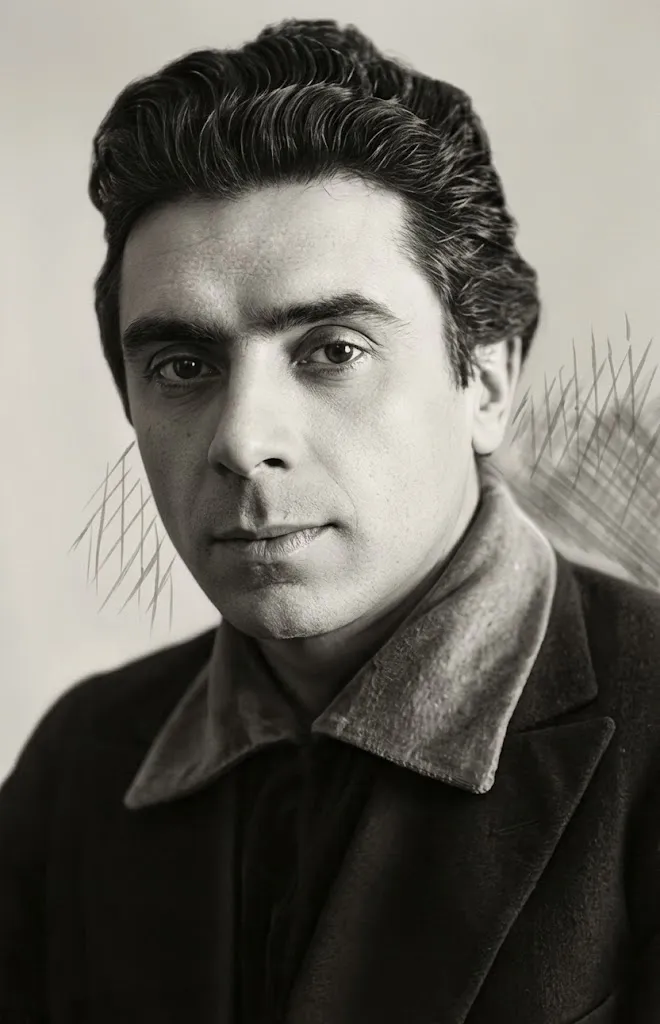
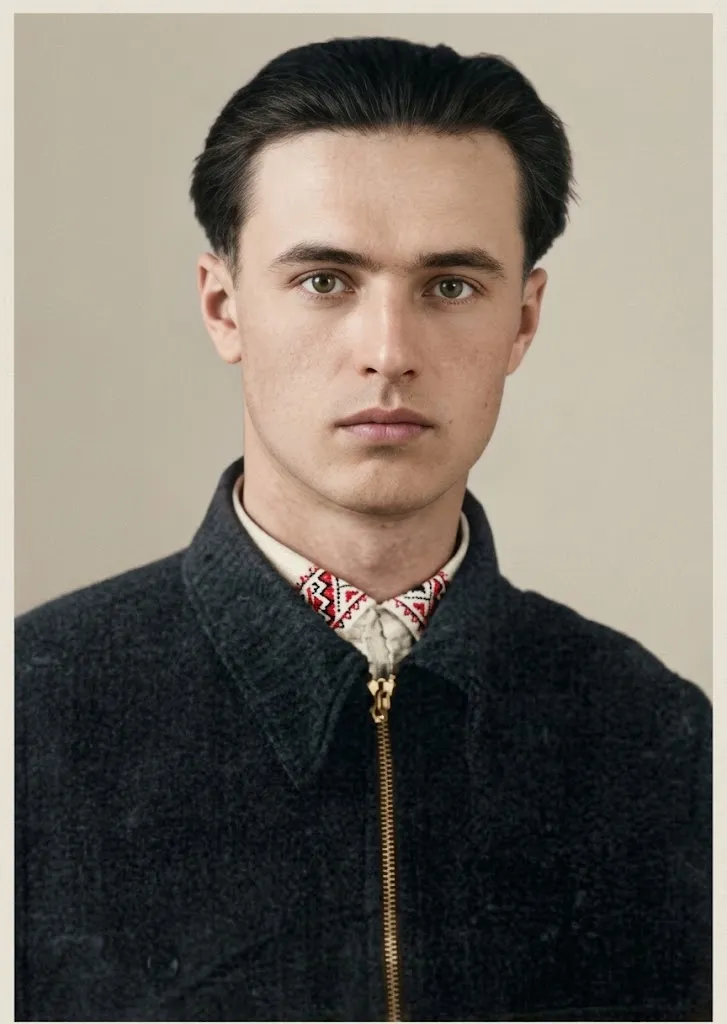
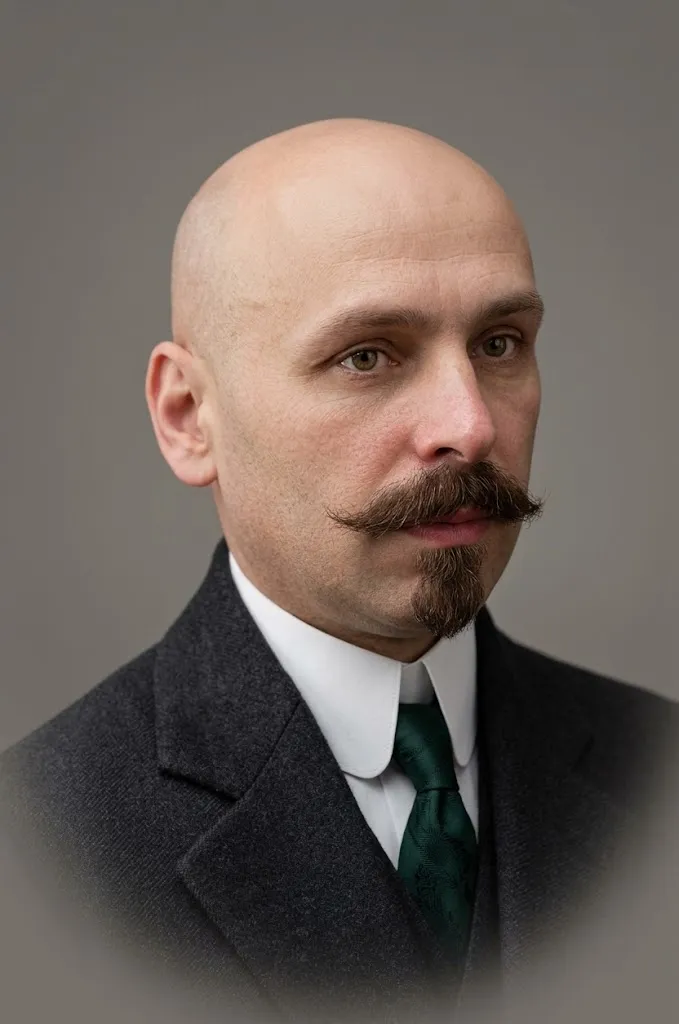
Vasyl Stus
Poet and human rights defender
The KGB seized and destroyed more than 600 of his poems, and he kept writing. Vasyl Stus, a poet of the Sixtiers and a member of the Ukrainian Helsinki Group, died in a Soviet camp, leaving Palimpsests, a peak of modern Ukrainian poetry.
Key accomplishments
- The collections Winter Trees, A Candle in a Candle-Mirror and Palimpsests
- Public protest against the arrests of Ukrainian intellectuals (1965)
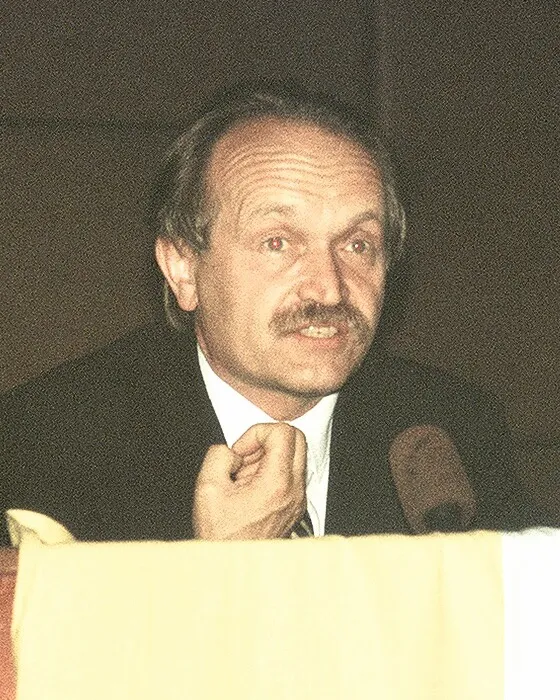
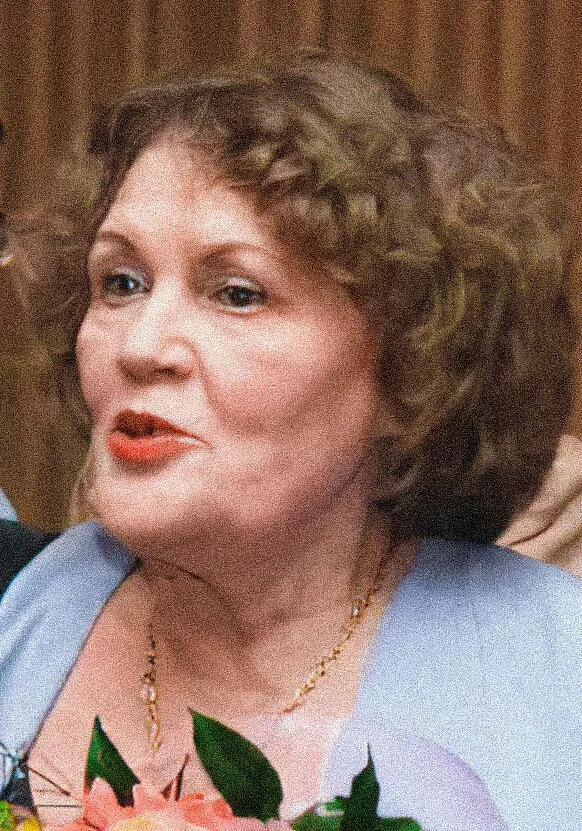
- Member of the Ukrainian Helsinki Group
- Posthumously awarded the title Hero of Ukraine (2005)
600 poems we will never read
In 1976, while Stus was in exile, more than 600 of his poems were seized, along with his translations of Goethe, Rilke, Kipling and Baudelaire. All of it was destroyed. He kept writing, and some of his poems were still smuggled out.
A protest at the Ukraina cinema
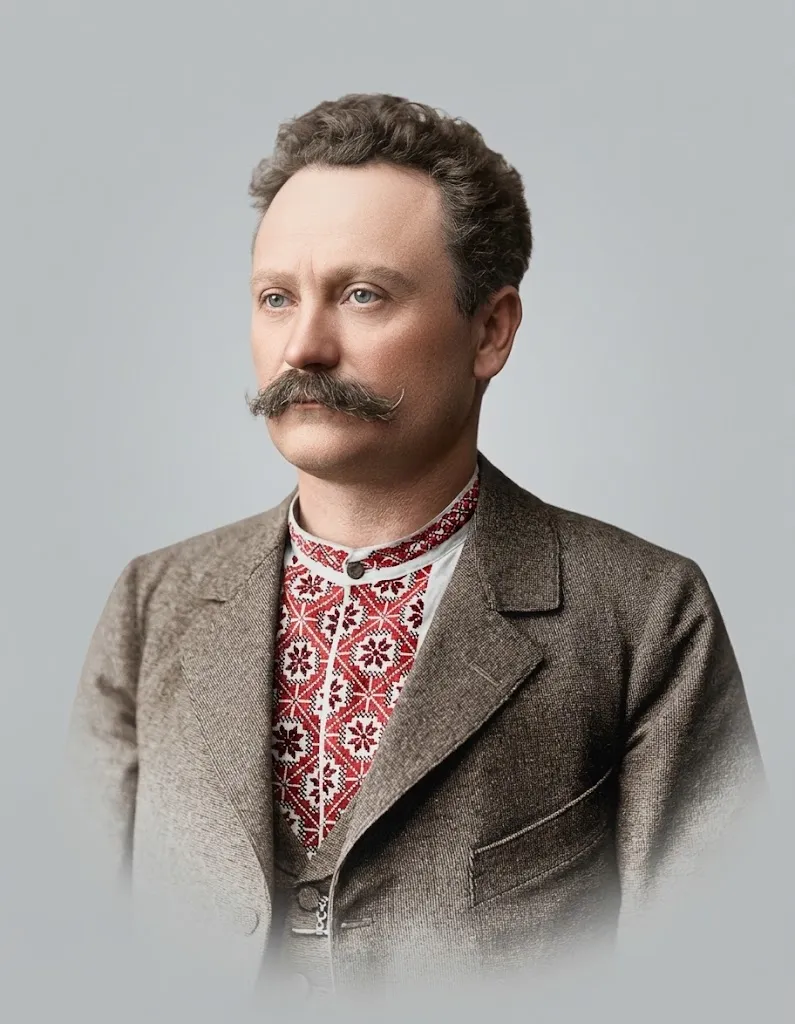
Vasyl Stus was born in 1938 in the Vinnytsia region and grew up in the Donbas. He graduated from the pedagogical institute in Donetsk, worked as a teacher, and in 1963 began postgraduate studies at the Institute of Literature in Kyiv. On 4 September 1965, before the premiere of the film Shadows of Forgotten Ancestors at the Ukraina cinema in Kyiv, he backed Ivan Dziuba’s protest against the arrests of Ukrainian intellectuals. Two weeks later he was expelled from his postgraduate program, and his poems stopped being published.
Two sentences
In 1972 Stus was arrested for “anti-Soviet agitation”: 5 years in camps and 3 years of exile. In 1979 he returned to Kyiv and joined the Ukrainian Helsinki Group, and in 1980 he received a new sentence: 10 years in camps and 5 years of exile. Even in captivity he wrote poems and translated Rilke and Goethe; Palimpsests took shape mostly there. In 1985 the Ukrainian diaspora tried to put him forward for the Nobel Prize in Literature. On the night of 3–4 September 1985 Vasyl Stus died in a punishment cell of the special-regime camp Perm-36 in the village of Kuchino. He was 47.
How he came back
In 1989 his remains were brought back to Ukraine, and more than 30,000 people came to his reburial at Baikove Cemetery in Kyiv. In 2005 Stus was posthumously made a Hero of Ukraine. And Donetsk University, where he had studied, refused to take his name in 2009. In 2016, relocated to Vinnytsia because of the war, the university was renamed after Vasyl Stus. And on 4 September 2026, the anniversary of his death, the National Bank of Ukraine put into circulation a 2,000-hryvnia banknote, the hryvnia’s highest denomination, with Stus’s portrait. Its back shows the Faculty of Philology of Donetsk University, where he studied.