1894–1956
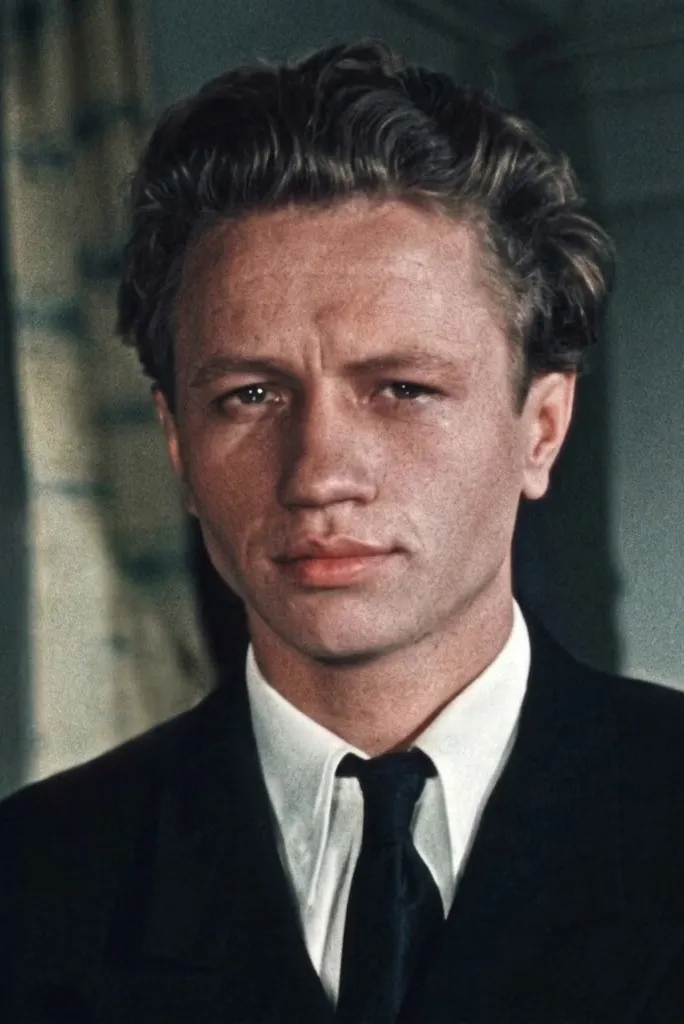
Oleksandr Dovzhenko
Director of the film Earth
In 1958 critics named his Earth among the 12 best films of all time. At home, though, Oleksandr Dovzhenko was hounded for “nationalism”, Stalin banned his Ukraine in Flames, and the director was never allowed to return to Kyiv.
Key accomplishments
- The films Zvenyhora (1927), Arsenal (1929) and Earth (1930)
- Earth was named among the 12 best films of all time in a critics’ poll in Brussels (1958)
- His first sound film, Ivan (1932)
- The film novels Ukraine in Flames and The Enchanted Desna
- The Kyiv feature film studio was named after him in 1957
From cartoons to cinema
Oleksandr Dovzhenko was born in 1894 on the Viunyshche homestead near Sosnytsia in the Chernihiv region, into a peasant family. He graduated from the Hlukhiv Teachers’ Institute and taught in Zhytomyr. In 1917–1919 he served in the army of the Ukrainian People’s Republic; at the end of 1919 the Cheka arrested him, and the intercession of the Borotbist party saved him from a camp. He later worked at Soviet Ukrainian missions in Warsaw and Berlin, studied painting, and in Kharkiv drew cartoons for the newspaper Visti VUTsVK and belonged to the literary groups Hart and VAPLITE.
A film among the twelve best
Dovzhenko came to cinema in 1926. Zvenyhora (1927) is considered the beginning of Ukrainian national cinema, and Zvenyhora, Arsenal (1929) and Earth (1930) are recognized as masterpieces of world cinema. In 1958, in a poll of critics in Brussels, Earth was named among the 12 best films of all time.
At home, though, official critics accused the director of nationalism. In 1933 he moved to Moscow, where he made Aerograd (1935) and Shchors (1939); Stalin himself edited the Shchors script. In 1940–1941 Dovzhenko was artistic director of the Kyiv film studio.
“Is love for one’s own people really nationalism?”
During the Second World War Dovzhenko worked as a front-line correspondent and made documentaries. Stalin banned the publication of his film novel Ukraine in Flames, and on 30 January 1944, at a Kremlin meeting with members of the Politburo, it was condemned. In his diary Dovzhenko wrote: “Is love for one’s own people really nationalism?” He was removed from his post. He was never allowed to return to Kyiv. In his last years he taught and wrote, including the autobiographical film novel The Enchanted Desna. Dovzhenko died on 25 November 1956 near Moscow. His wife, the director Yuliia Solntseva, completed Poem of the Sea from his script.
Debates and assessments
Dovzhenko’s career fell in the Stalin era, and scholars judge it in different ways. Aerograd and Shchors were direct commissions from Stalin, and the director himself wrote that Stalin had “saved his life”. At the same time Dovzhenko was hounded for “nationalism” and his works were banned, while his diaries show his pain over the fate of the Ukrainian people. Some scholars stress the artist’s compromises with the regime; others see a tragic figure who kept his own artistic voice despite censorship.
Why it matters today
In 1957 the Kyiv feature film studio was named after Dovzhenko. Today the Oleksandr Dovzhenko National Centre and Ukraine’s State Prize for cinema also bear his name.