1905–1986
Serge Lifar
Paris Opera dancer and choreographer
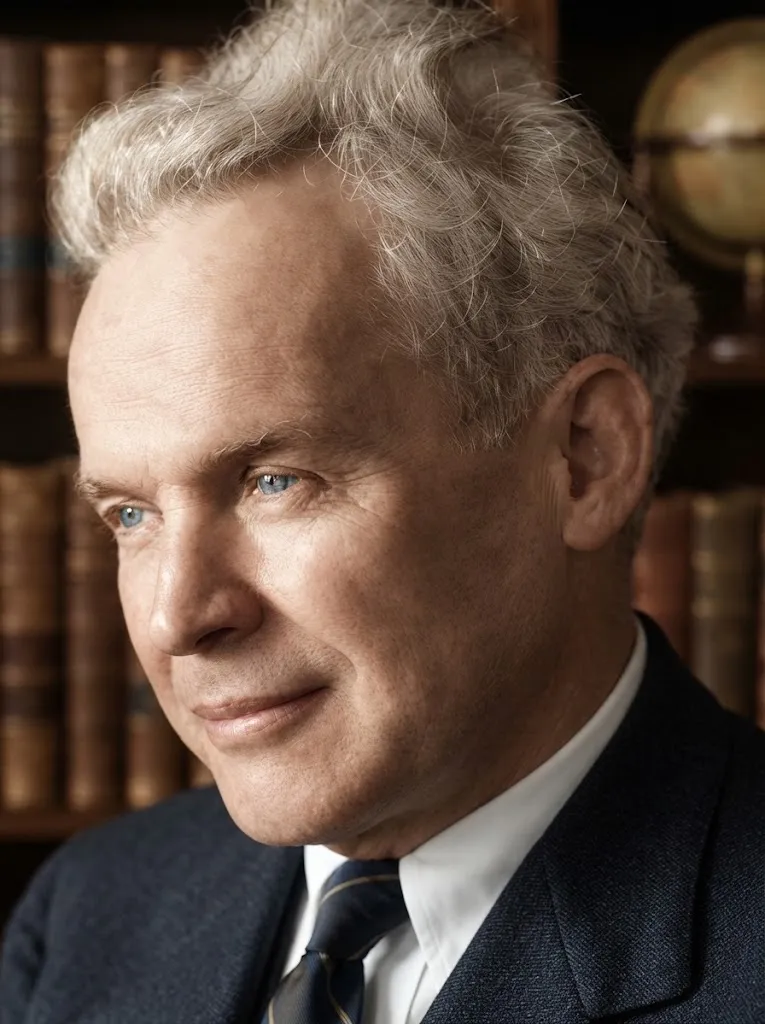
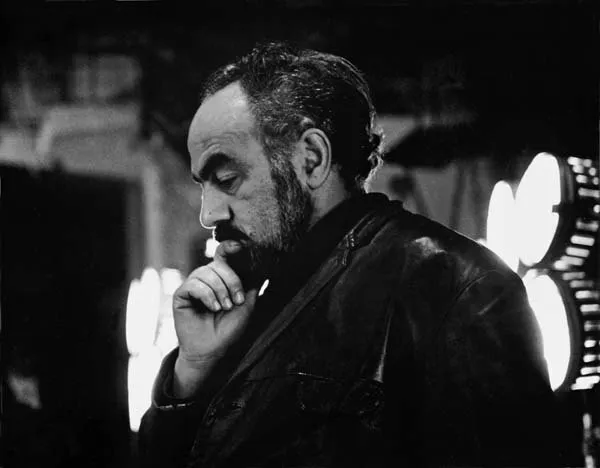
A boy from the outskirts of Kyiv who only took up dance as a teenager ran the Paris Opera Ballet for almost 30 years. Serge Lifar created more than 200 ballets and founded the neoclassical style in choreography.
Key accomplishments
- Soloist of Serge Diaghilev’s Ballets Russes (1923–1929)
- Chief ballet master and artistic director of the Paris Opera Ballet (1930–1944, 1947–1958)
- More than 200 ballets and choreographic works, including On the Dnieper (1932), Icare (1935) and Suite en blanc (1943)
- Founded the Institute of Choreography at the Paris Opera (1947)
How a Kyiv boy came to lead the Paris ballet
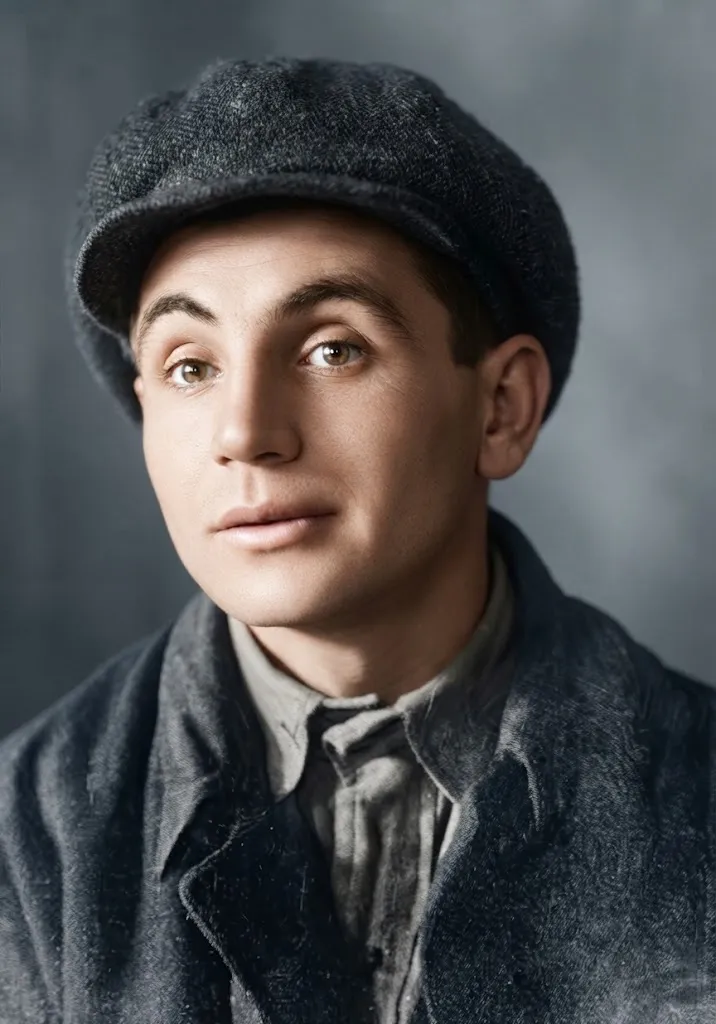
Serhii (Serge) Lifar was born in 1905 (some sources say 1904) in Pyrohiv, then a suburb of Kyiv. He studied at the Kyiv Conservatory and came to dance late: only in 1920, at Bronislava Nijinska’s ballet studio. By 1923, at her invitation, Lifar had moved to Paris and become a soloist with Sergei Diaghilev’s Ballets Russes.
Nearly thirty years at the Paris Opera
After Diaghilev died in 1929, Lifar was invited to the Paris Opera. He led its ballet in 1930–1944 and 1947–1958 as principal dancer, choreographer and teacher. He created more than 200 ballets and dance pieces, among them On the Dnipro (1932), Icarus (1935), danced to percussion alone, and Suite en blanc (1943). He is regarded as the founder of the neoclassical style in choreography. In 1947 he founded the Institute of Choreography at the Opera, and from 1955 he taught the history and theory of dance at the Sorbonne. In 1961 Lifar was able to visit his native Kyiv.
Debates and assessments
During the German occupation of Paris (1940–1944) Lifar stayed on as head of the Opera ballet and kept up contacts with German officials. After France was liberated he was accused of collaboration, and in 1945 the purge committee banned him from performing for a year. For a few years he led the Nouveau Ballet de Monte-Carlo, and in 1947 he returned to the Opera.
Views differ. His supporters stress that the penalty was light and that he went back to leading the Opera ballet. The dance scholar Mark Franko, after studying the archives, argues that Lifar did collaborate with the occupation authorities, and has reopened the question of his political views.
Why it matters today
Lifar changed 20th-century European ballet. Since 1994 Kyiv has hosted the Serge Lifar International Ballet Competition for dancers and choreographers.