1838–1918
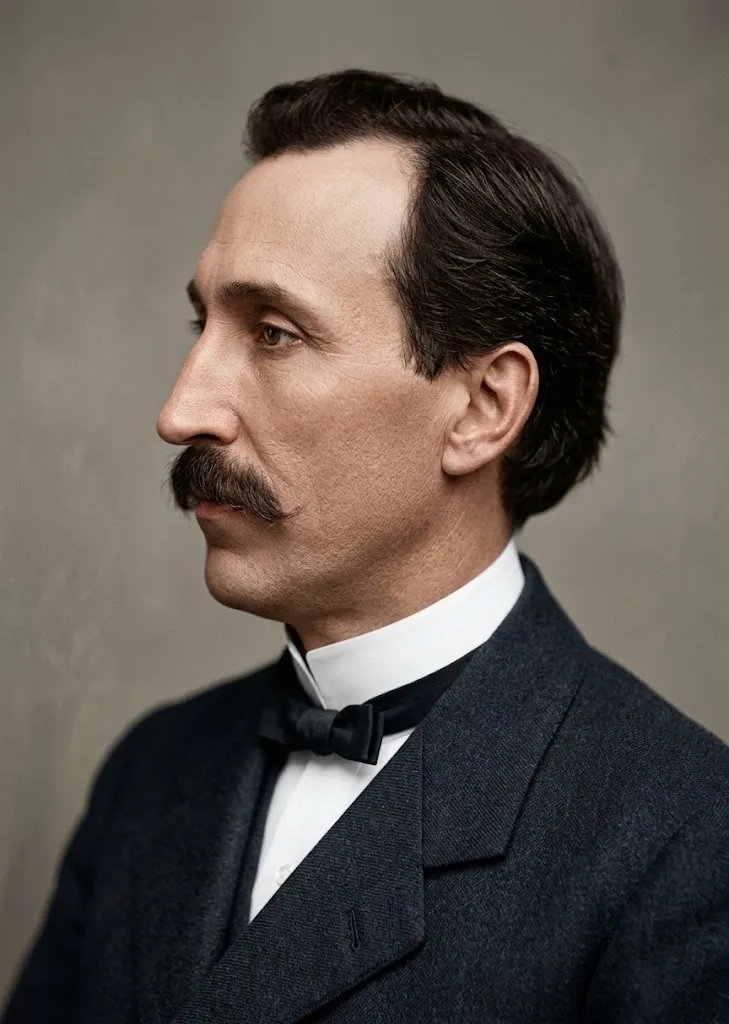
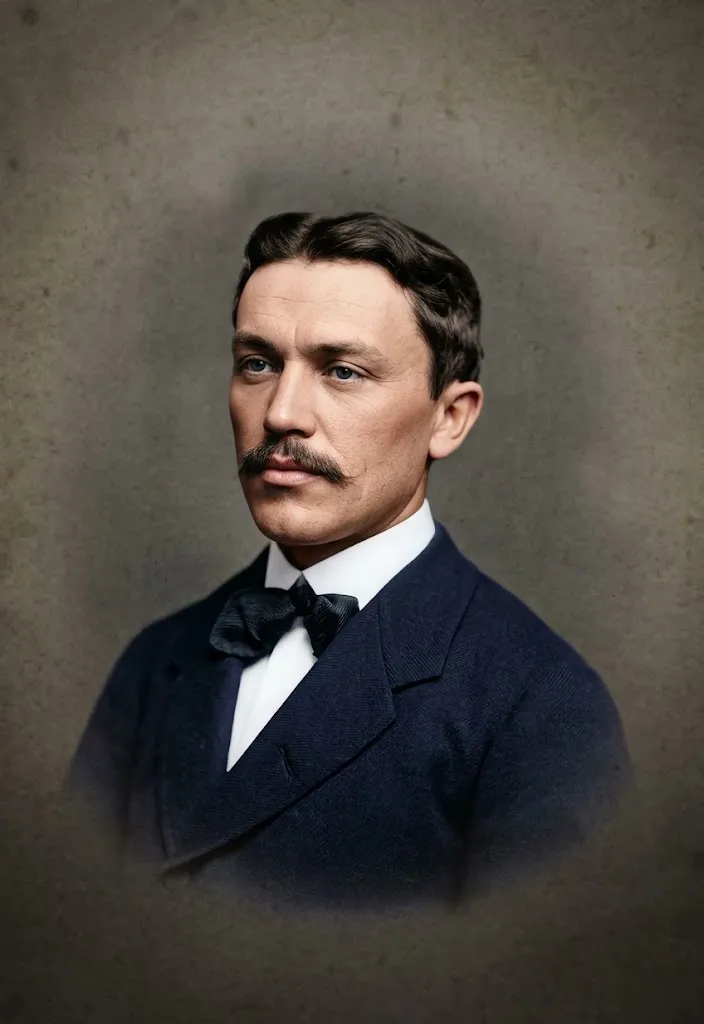
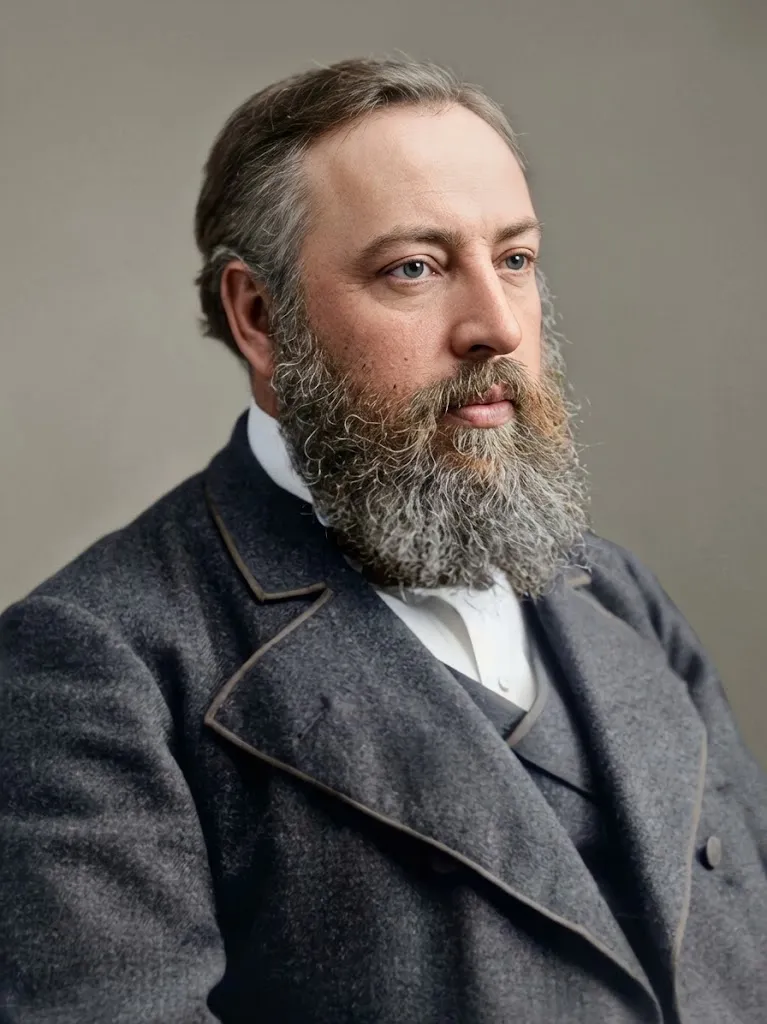
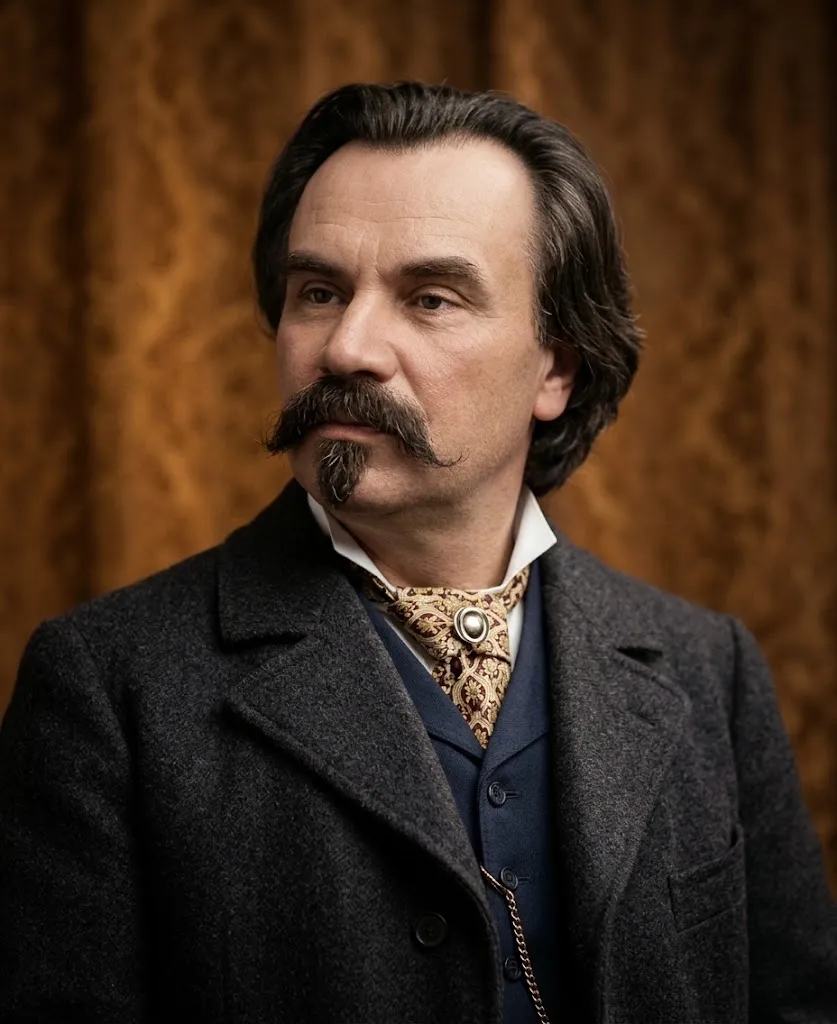
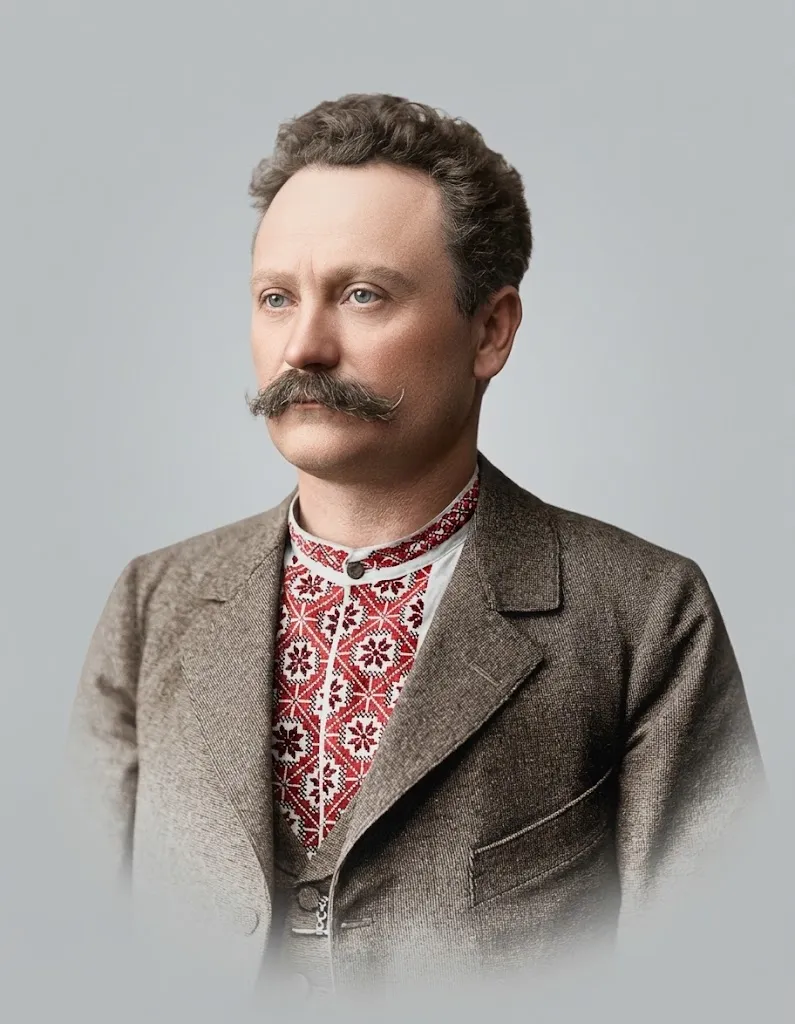
Ivan Nechui-Levytskyi
Novelist, author of Kaidash’s Family
The tsar’s censors wouldn’t pass his stories of Ukrainian village life at home, so Ivan Nechui-Levytskyi published most of his work in Galicia. The author of Mykola Dzheria and Kaidash’s Family held a mirror up to peasant life, and finished the Ukrainian translation of the Bible.
Key accomplishments
- The novella Mykola Dzheria (1878), about a serf’s search for freedom; filmed in 1927
- The novella Kaidash’s Family (1879)
- The novels Clouds (1874) and On the Black Sea (1890), and the comedy Na Kozhumiakakh (1875)
- The essay “The Uselessness of Great Russian Literature for Ukraine and for the Slavs” (1877)
- Finished the Ukrainian translation of the Bible begun by Panteleimon Kulish and Ivan Puliui
Books he couldn’t print at home
Ivan Nechui-Levytskyi published most of his work far from where he lived. Because of censorship in the russian empire, it came out in Galicia, in the Lviv journals Pravda, Dilo and Zoria. That is where his first stories, Two Moscow Girls and The Fisherman Panas Krut, appeared in 1868, signed “Ivan Nechui”. His real surname was Levytskyi.
A priest’s son from Stebliv
He was born in 1838 in the small town of Stebliv in the Kyiv region (now the Cherkasy region), into a priest’s family. He studied in Bohuslav, at the Kyiv seminary and at the Kyiv Theological Academy, which he finished as a master of theology. Then he taught for almost twenty years: at the Poltava seminary, and later at gymnasiums in Kalisz and Siedlce (now in Poland) and in Kishinev. In 1885 he retired and settled in Kyiv to write.
The village in a mirror
Nechui-Levytskyi saw literature as a mirror of life. In Mykola Dzheria (1878) a serf goes looking for freedom: from the landlord’s estate, through work at a sugar mill, to the free lands of Bessarabia. The story was filmed in 1927. In Kaidash’s Family (1879) he showed, with irony, the old village world colliding with the new.
A literature of its own, even without a state
Nechui-Levytskyi wrote in the years of the harshest imperial bans: the Valuev Circular of 1863 and the Ems Decree of 1876. In 1877 he wrote an essay with a telling title, “The Uselessness of Great Russian Literature for Ukraine and for the Slavs”. He argued that Ukrainian literature was a national, European kind of literature with a tradition of its own. Late in life he finished the Ukrainian translation of the Bible that Panteleimon Kulish and Ivan Puliui had begun.
Why it matters today
Nechui-Levytskyi showed that a ban can’t stop a literature: when he couldn’t print at home, he printed in Lviv. He believed a people could have a literature of its own even without a state, and his books proved it. Kaidash’s Family and Mykola Dzheria are still read today: the Ukrainian village of the 19th century, seen as in a mirror, in a language the empire would not let him print at home. Anyone who writes in Ukrainian when it is inconvenient or dangerous carries on his work.