1840–1910
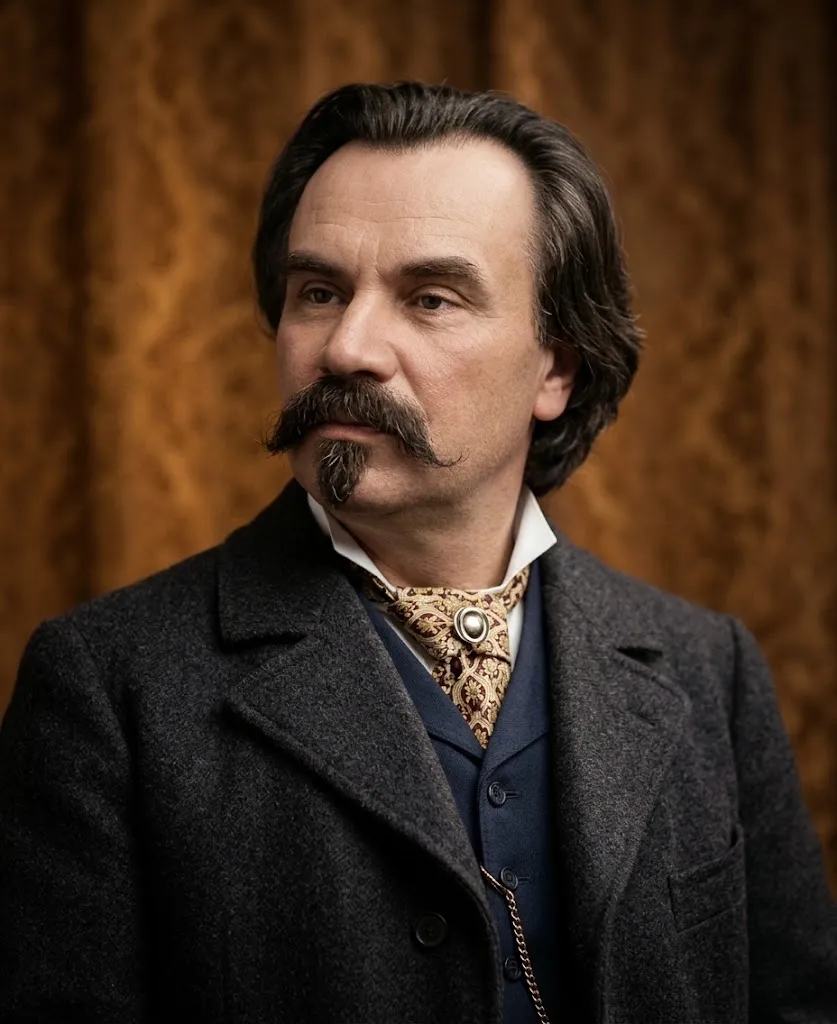
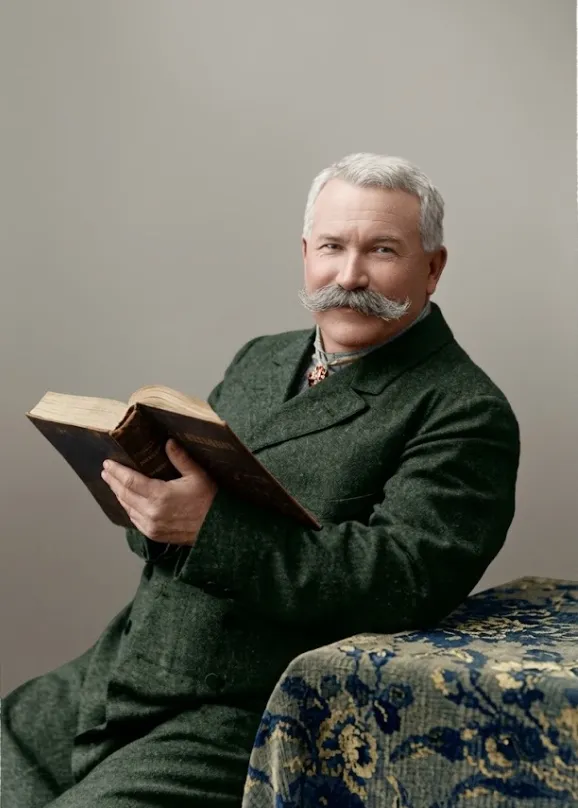
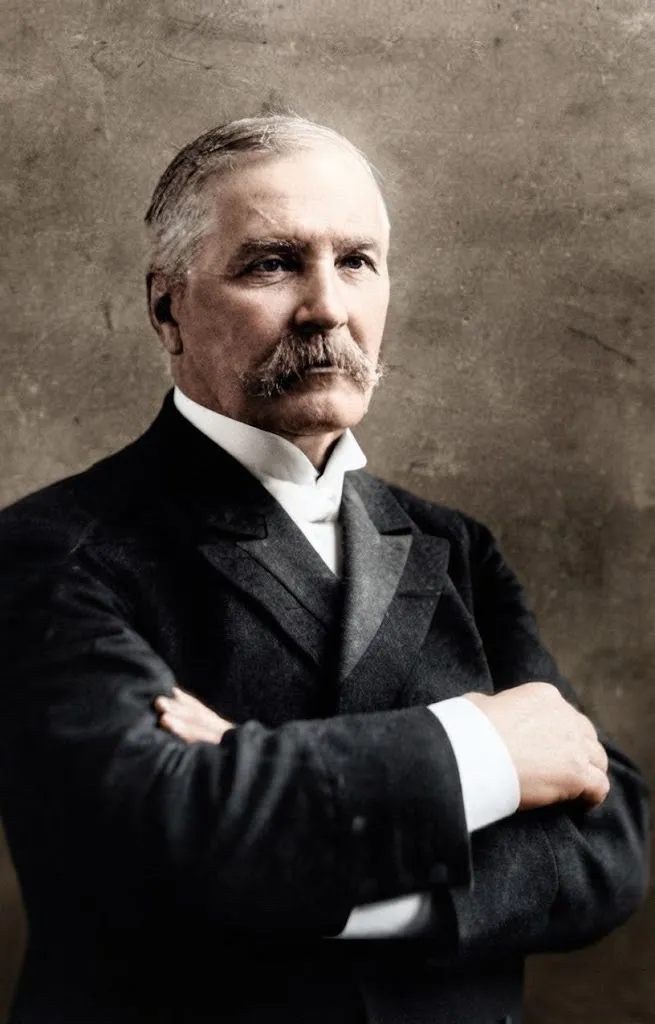
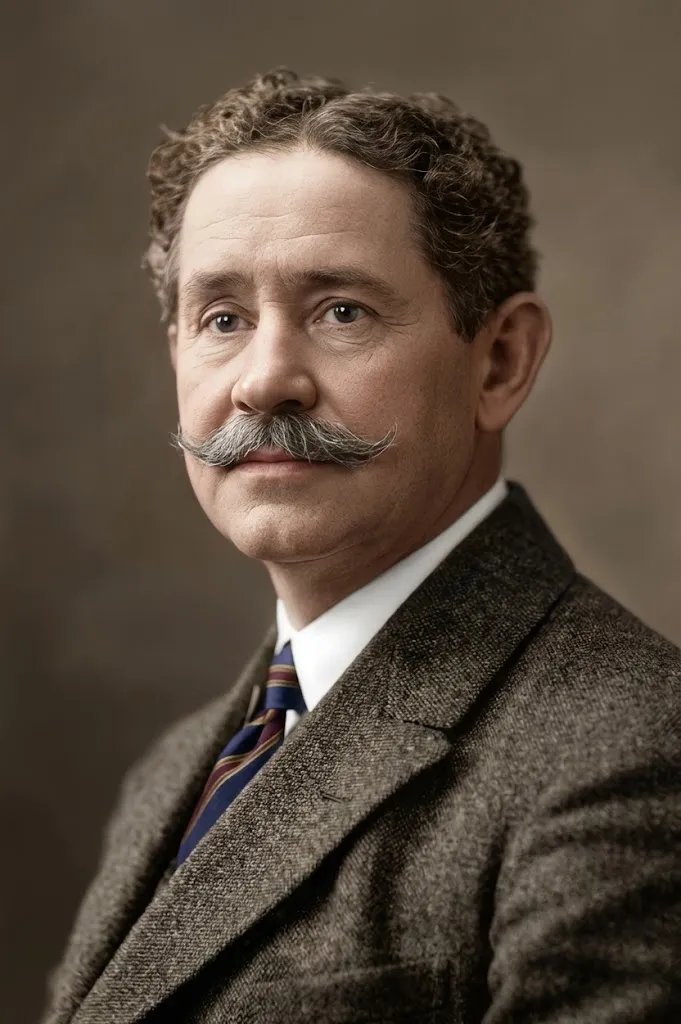
Marko Kropyvnytskyi
Father of Ukrainian theatre
When the empire banned Ukrainian plays, he spent five years fighting for the right to perform in his own language. In 1882 Marko Kropyvnytskyi gathered the first professional Ukrainian troupe, where Zankovetska and Sadovskyi began, wrote 41 plays, and today a regional capital bears his name.
Key accomplishments
- Founded the first professional Ukrainian troupe, the Theatre of Coryphaei, in Yelysavethrad in 1882
- Author of 41 plays, among them Before the Sun Rises, the Dew Will Burn Your Eyes, The Leech, Two Families and Olesia
- Stage adaptation of Taras Shevchenko’s poem The Captive
- Trained several generations of Ukrainian actors
- Set up a children's theatre of peasant children on his Zatyshok farm and wrote fairy-tale plays for it
- Took a Ukrainian troupe on tour to Saint Petersburg and Moscow (1886)
- In 2016 the city of Kirovohrad was renamed Kropyvnytskyi in his honour
A city named after an actor
Did you know that one of Ukraine’s regional capitals is named after an actor? In 2016 Kirovohrad was renamed Kropyvnytskyi in honour of Marko Kropyvnytskyi, known as the father of Ukrainian theatre. It was here, in what was then Yelysavethrad, that he gathered the first professional Ukrainian troupe in 1882.
A clerk who lived for the stage
Marko Kropyvnytskyi was born in 1840 in the village of Bezhbairaky in the Kherson region, now Kropyvnytske in Kirovohrad Oblast. For several years he worked as a minor clerk and gave his free time to amateur shows. He acted in them alongside Ivan Tobilevych, the future playwright Ivan Karpenko-Karyi. In 1863 Kropyvnytskyi wrote his first play.
Banned in the middle of a show
In 1871 he went professional in Odesa: his first role was Stetsko in Hryhorii Kvitka-Osnovianenko’s Matchmaking at Honcharivka.
Imagine: it is 1876, in Katerynoslav, and a Ukrainian play is on. Between the third and fourth acts an official walks backstage and announces that such plays are now banned. That is how the actors learned of the Ems Ukaz.
For five years Kropyvnytskyi worked in russian troupes, mostly in operetta, and all that time he fought for the right to perform in Ukrainian again.
The Theatre of Coryphaei
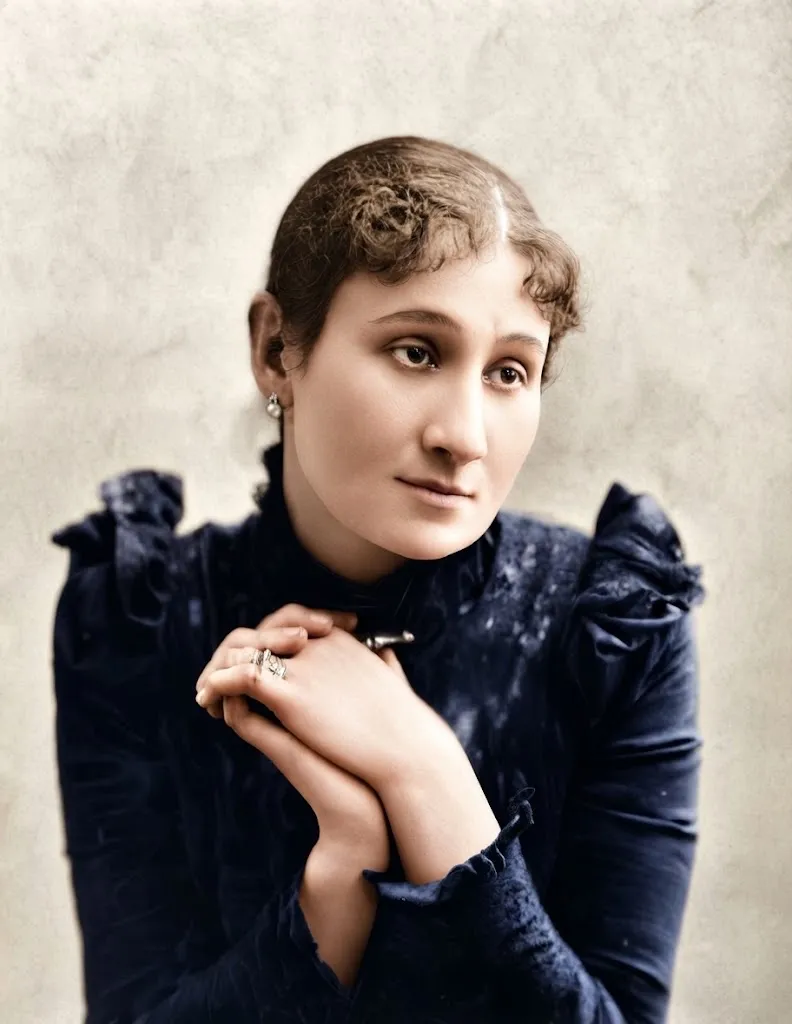
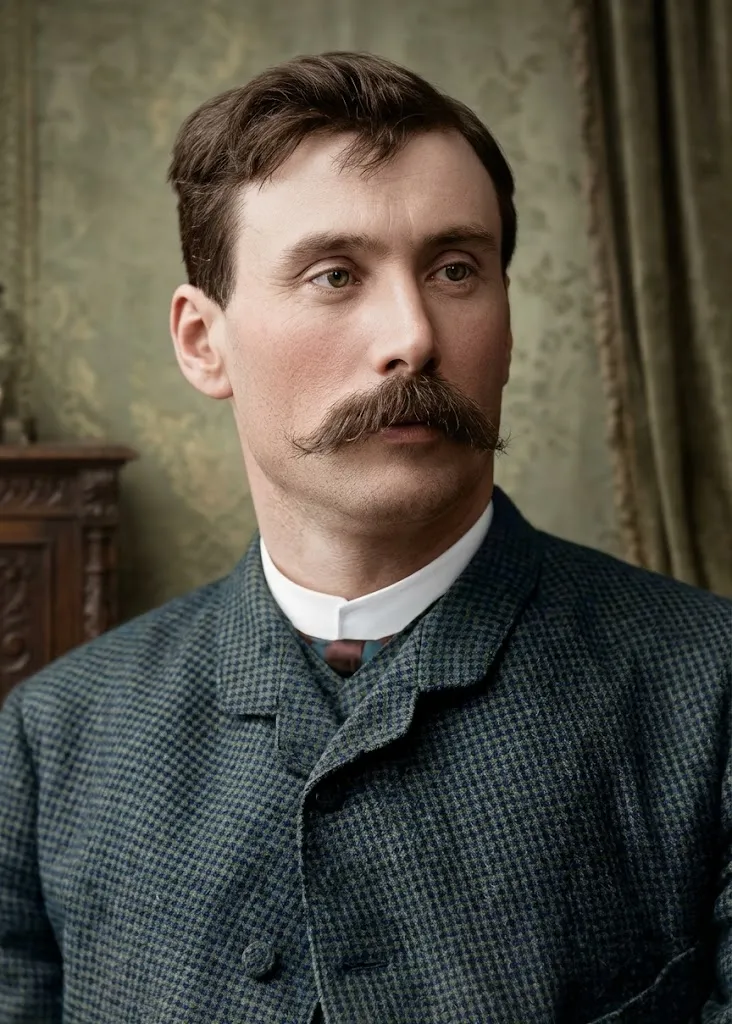
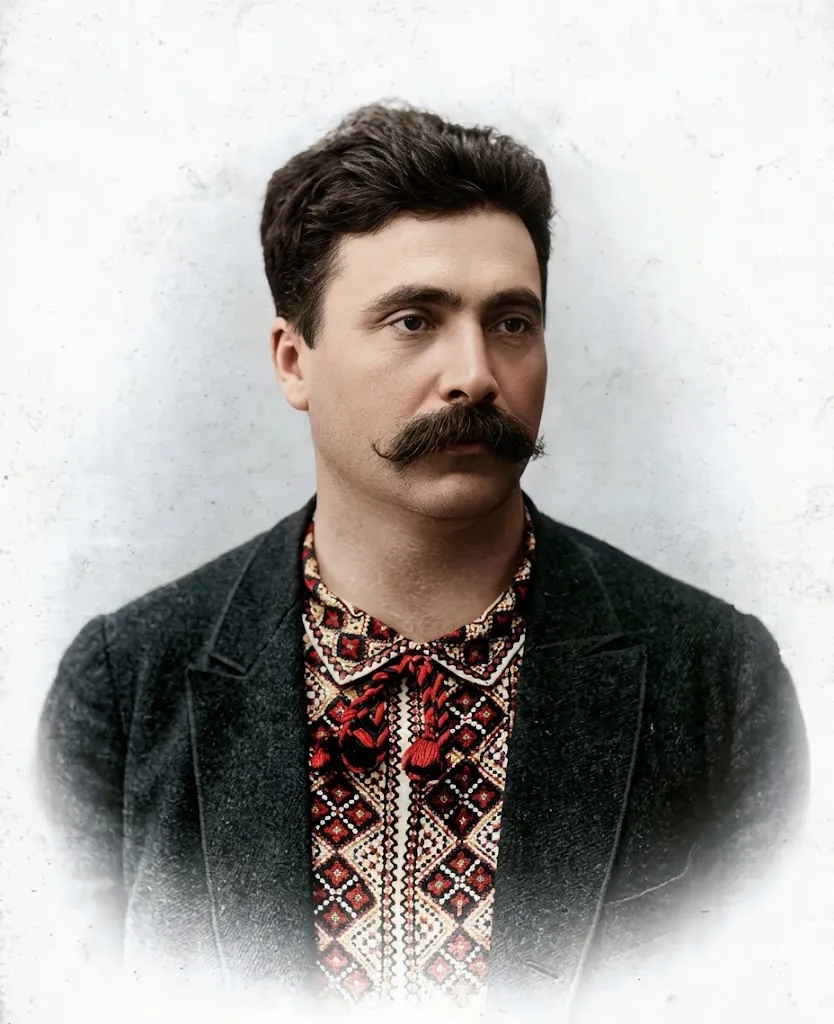
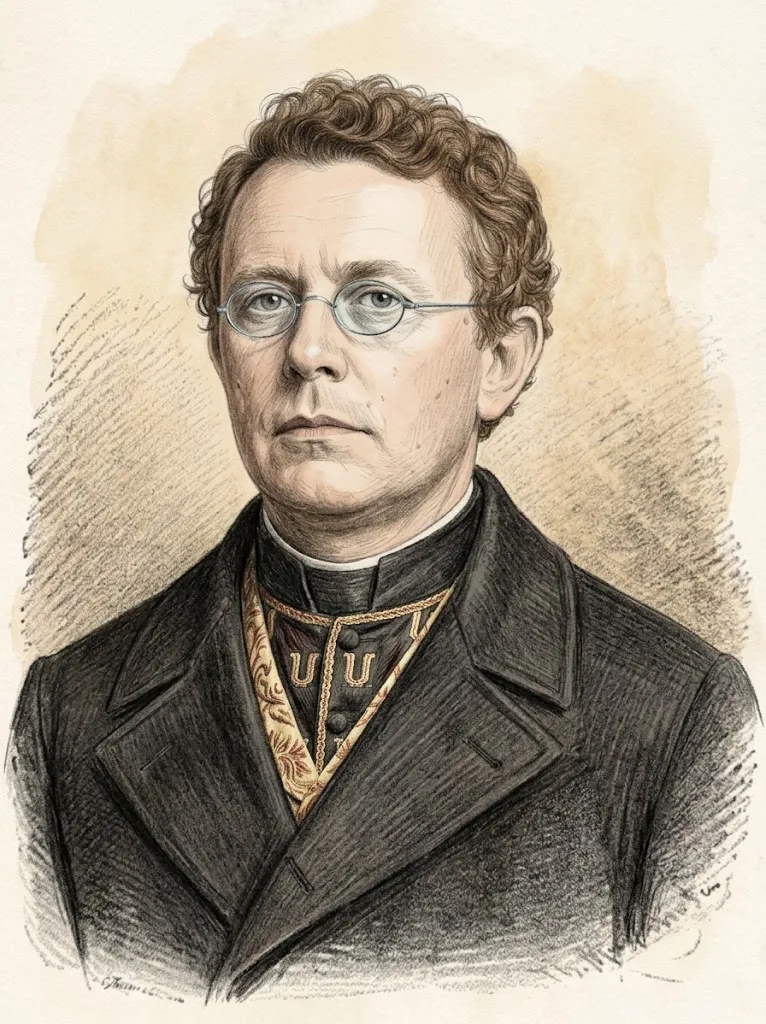
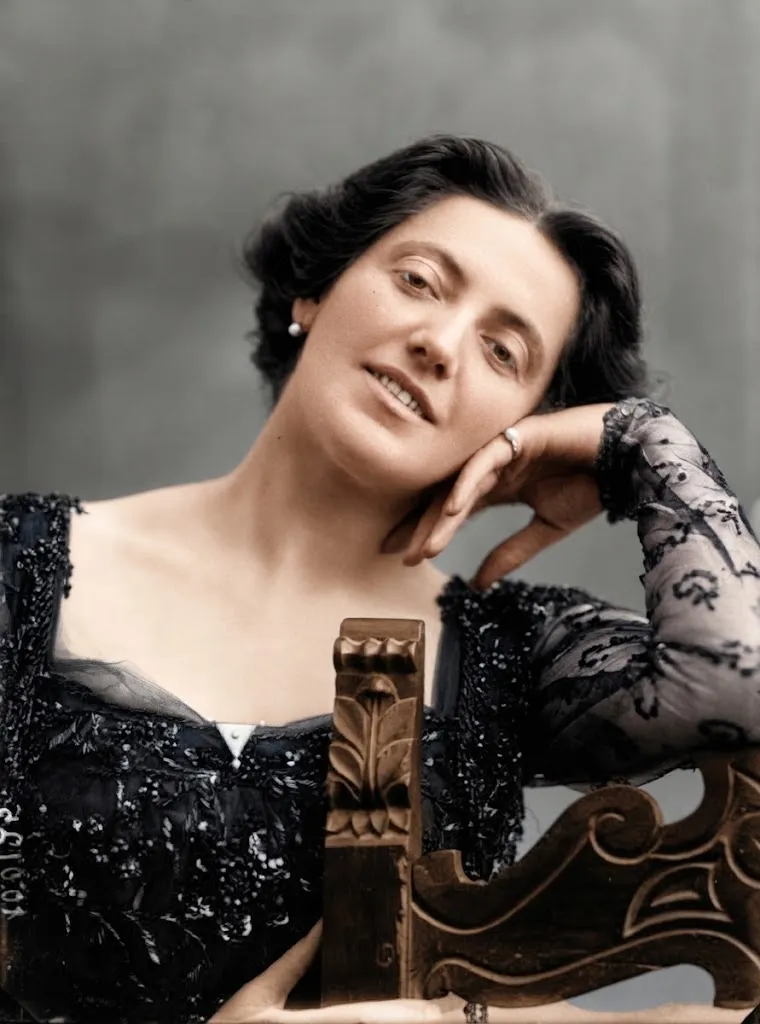
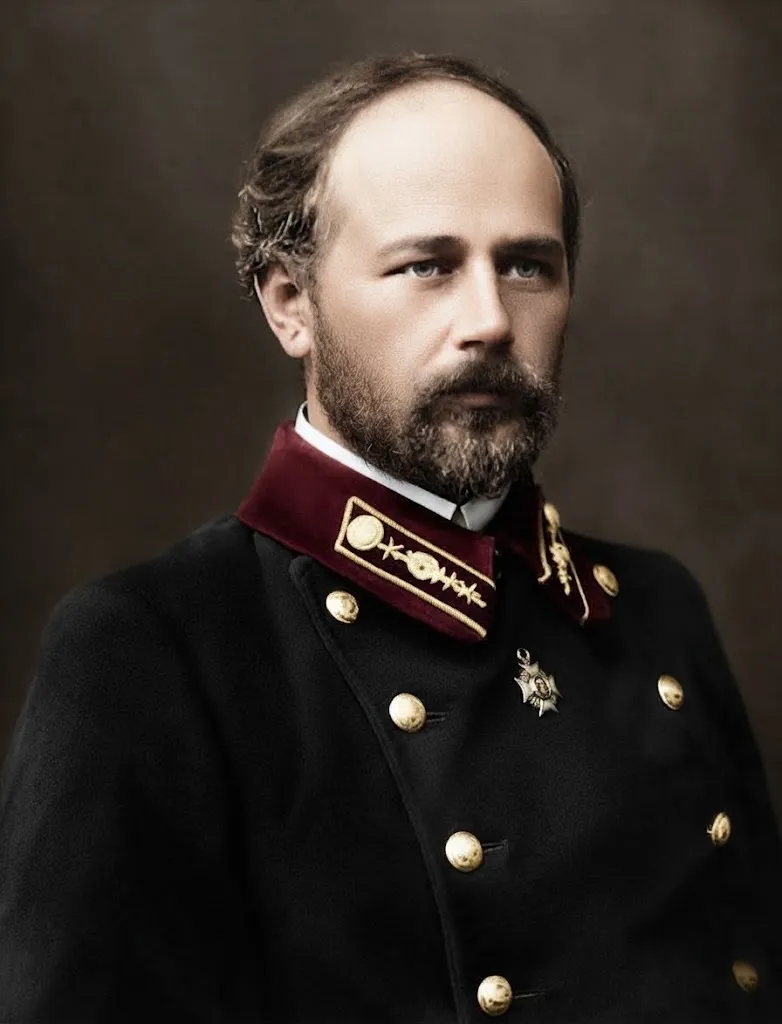
When the ban was eased, Kropyvnytskyi put together his own troupe. On 27 October 1882 in Yelysavethrad it performed Ivan Kotliarevskyi’s Natalka from Poltava, and that day is regarded as the birthday of professional Ukrainian theatre. Mariia Zankovetska made her debut in that show. Mykola Sadovskyi, Panas Saksahanskyi and Ivan Karpenko-Karyi acted there too, and the troupe became known as the Theatre of Coryphaei.
In 1883 Mykhailo Starytskyi took over the troupe, while Kropyvnytskyi stayed on as director and actor. The same year the troupe was banned from five provinces for ten years.
A full house in the imperial capital
In 1886 Kropyvnytskyi took his actors to Saint Petersburg and Moscow. Tickets were expensive, yet the halls filled up, and the takings broke the records of local theatres and touring companies. Kropyvnytskyi was invited to work in russian art, where a career was there for the taking. He said no.
From Stetsko to Othello
Kropyvnytskyi wrote 41 plays, among them The Leech and Two Families, and adapted Taras Shevchenko’s poem The Captive for the stage. He was at once actor, director, composer and stage designer. He played comedy and drama alike, from Stetsko to Taras Bulba and Othello. And he trained several generations of actors.
A farm where children took the stage
In 1903 Kropyvnytskyi settled on his Zatyshok farm in the Kharkiv region. There he set up a children’s theatre whose actors were the children of local peasants, and he wrote fairy-tale plays for them, such as Ivasyk Telesyk. For two years the children of Taras Shevchenko’s niece lived at Zatyshok, cared for by the Kropyvnytskyi family.
In 1910 Kropyvnytskyi died suddenly on the way from Mykolaiv to Kharkiv, returning from a tour. He was buried in Kharkiv.
Why it matters today
Kropyvnytskyi made Ukrainian theatre professional at a time when the empire banned the Ukrainian word on stage. He proved that a Ukrainian play could fill the halls even in the imperial capital, and he chose the Ukrainian stage when he could have built a career on the russian one. His troupe became a school for the actors who carried Ukrainian theatre through the decades that followed, and his plays are still staged. Anyone who steps onto a Ukrainian stage today carries on the work he began.