1856–1933
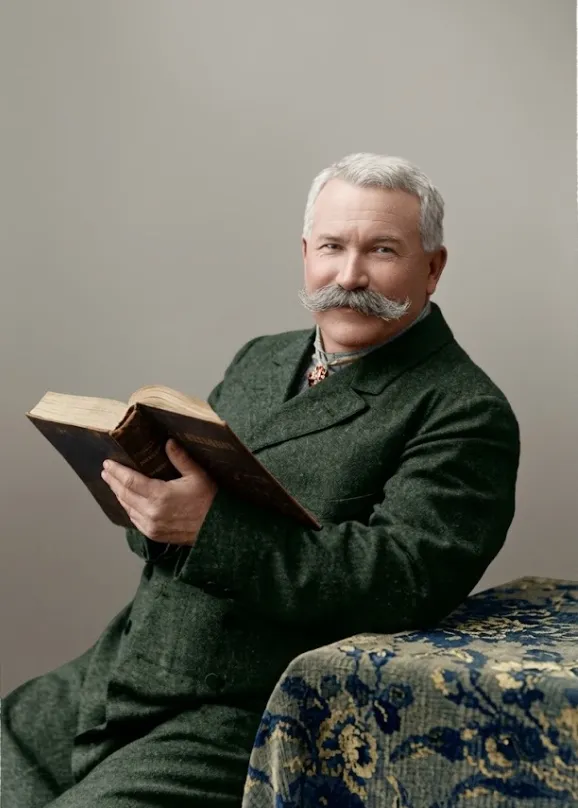
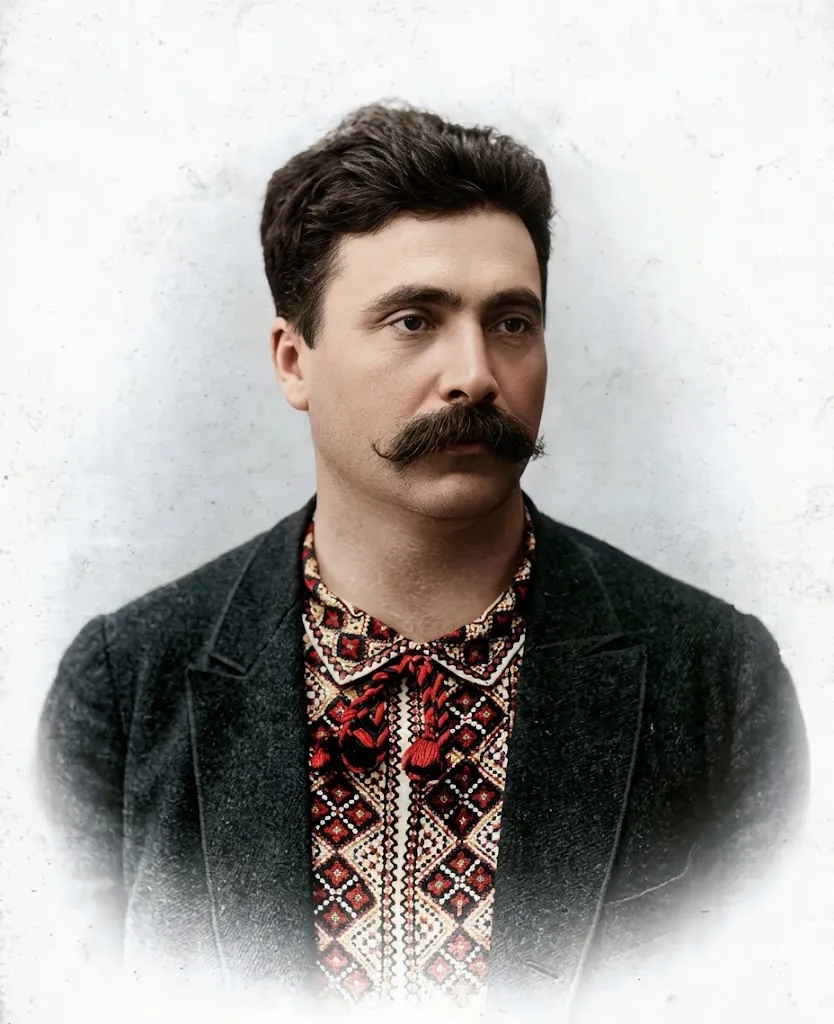
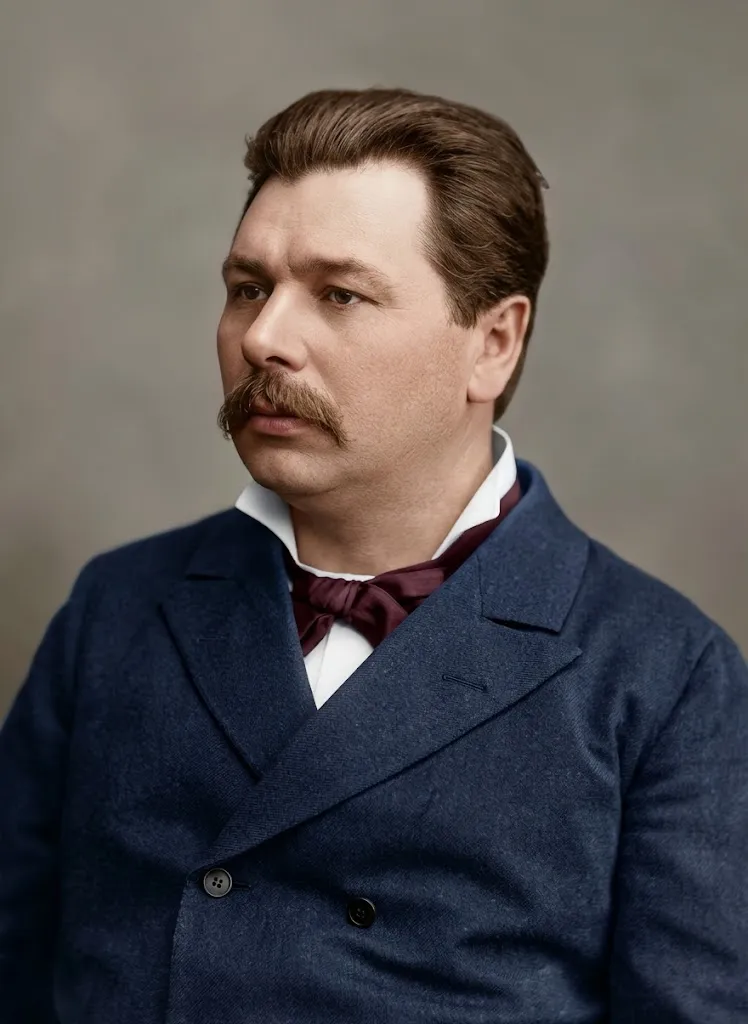
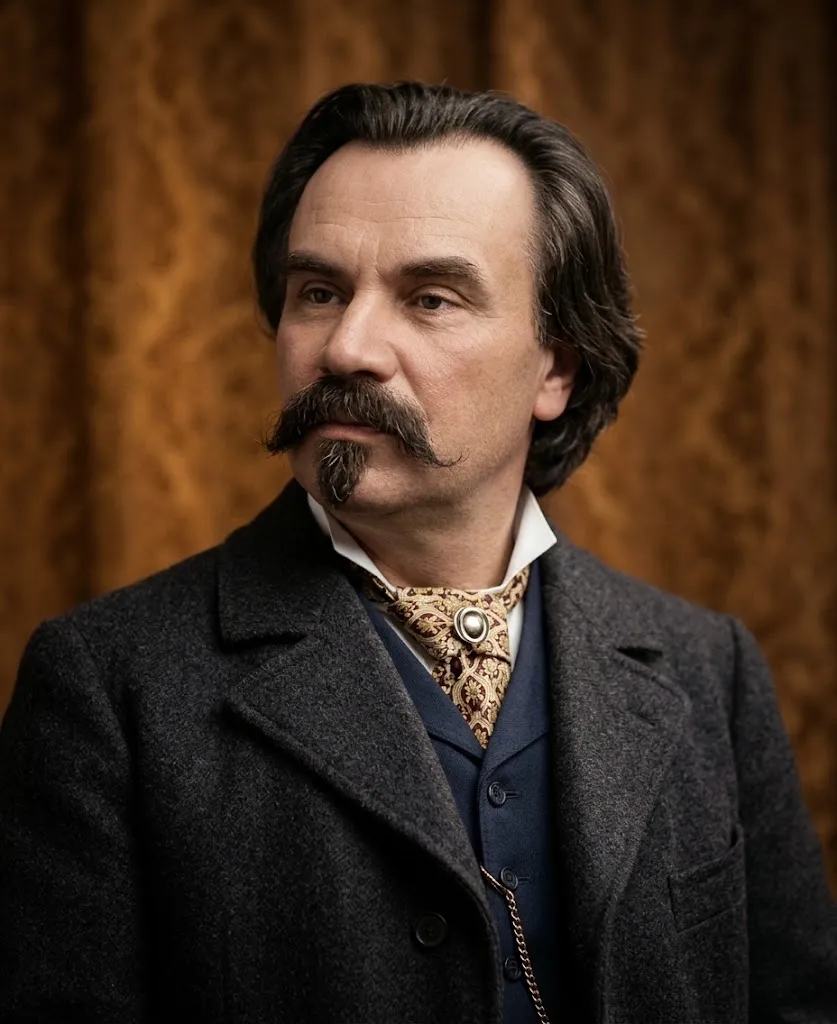
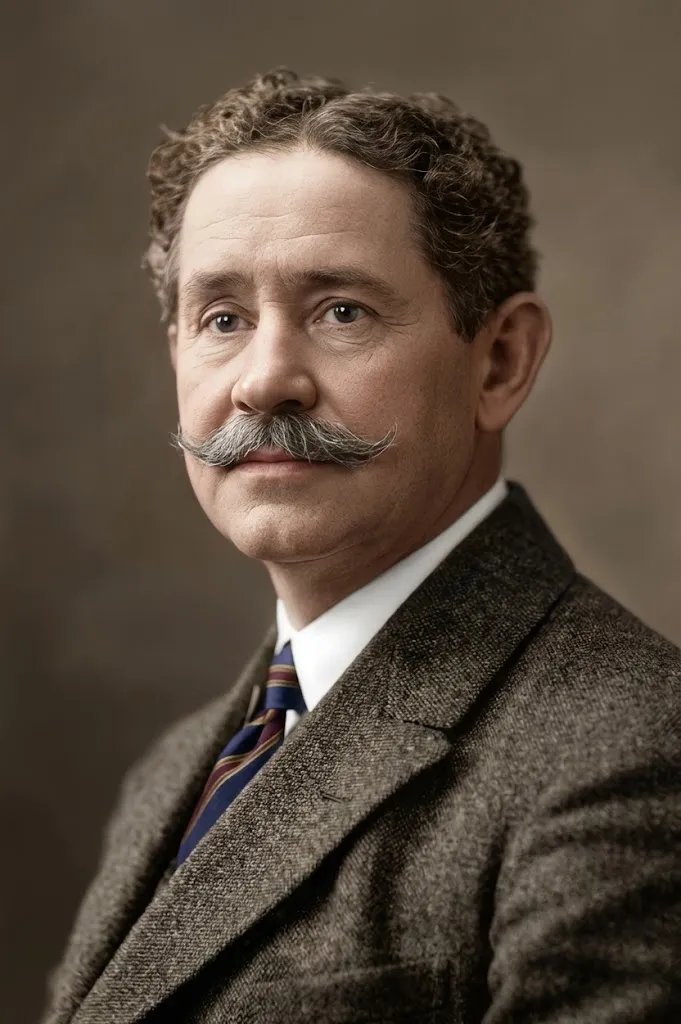
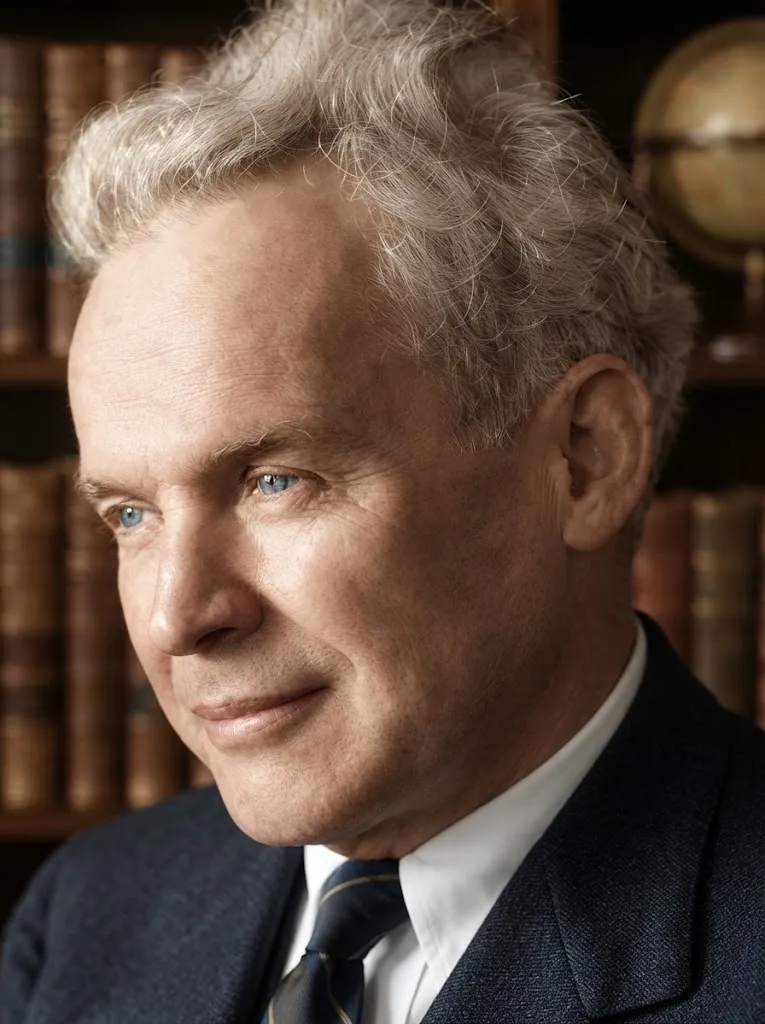
Mykola Sadovskyi
Actor, director, theatre founder in Kyiv
He saved his regiment’s banner at Shipka, and in 1919 he ran the ceremony of the Act of Unification on Kyiv’s St Sophia Square. In between, Mykola Sadovskyi became a star of the Ukrainian stage and gave it its first permanent home in Kyiv, a theatre where a ticket cost five kopecks.
Key accomplishments
- In 1907 opened the first permanent Ukrainian theatre in Kyiv, which ran until 1919; Lesya Ukrainka’s The Stone Host had its first staging there in 1914
- Roles as Bohdan Khmelnytskyi, Sava Chalyi, Hetman Doroshenko and the Commander in Lesya Ukrainka’s The Stone Host
- One of the first to stage Gogol’s The Government Inspector in Ukrainian, in his own translation (1907); staged operas by Lysenko, Moniuszko and Smetana
- Master of ceremonies on St Sophia Square at the proclamation of the Act of Unification on 22 January 1919
- In 1921–1923 led the first professional theatre in Transcarpathia, in Uzhhorod
- Directed the film Natalka Poltavka (1911); lead role in the film Wind from the Rapids (1929)
- The memoir My Theatrical Reminiscences, 1881–1917 (1930)
The soldier who brought back the banner
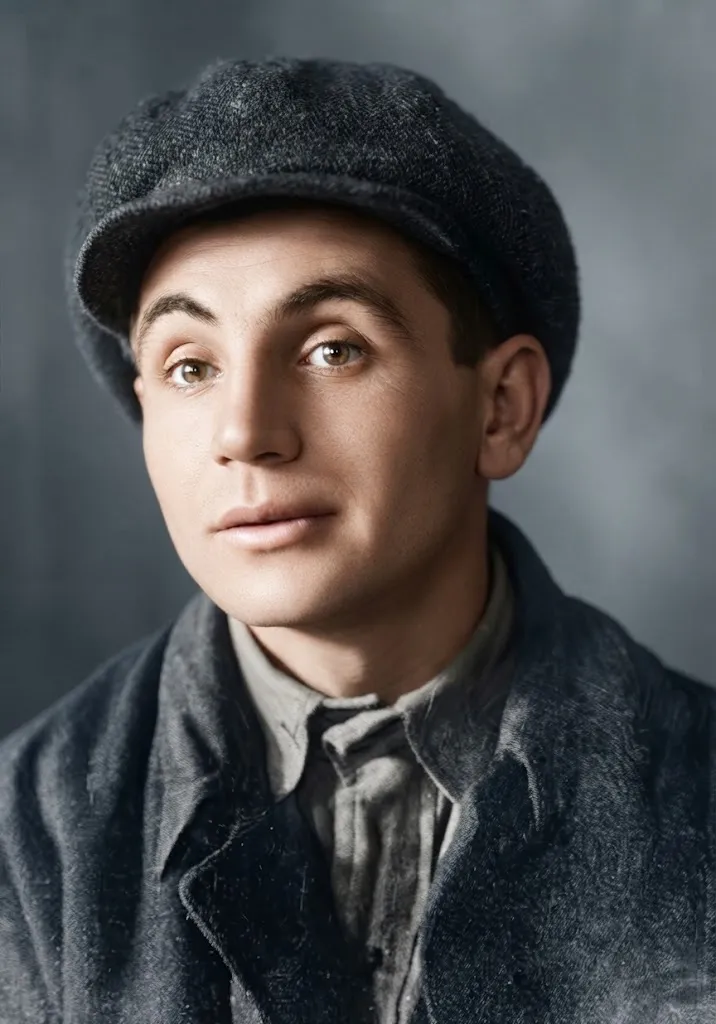
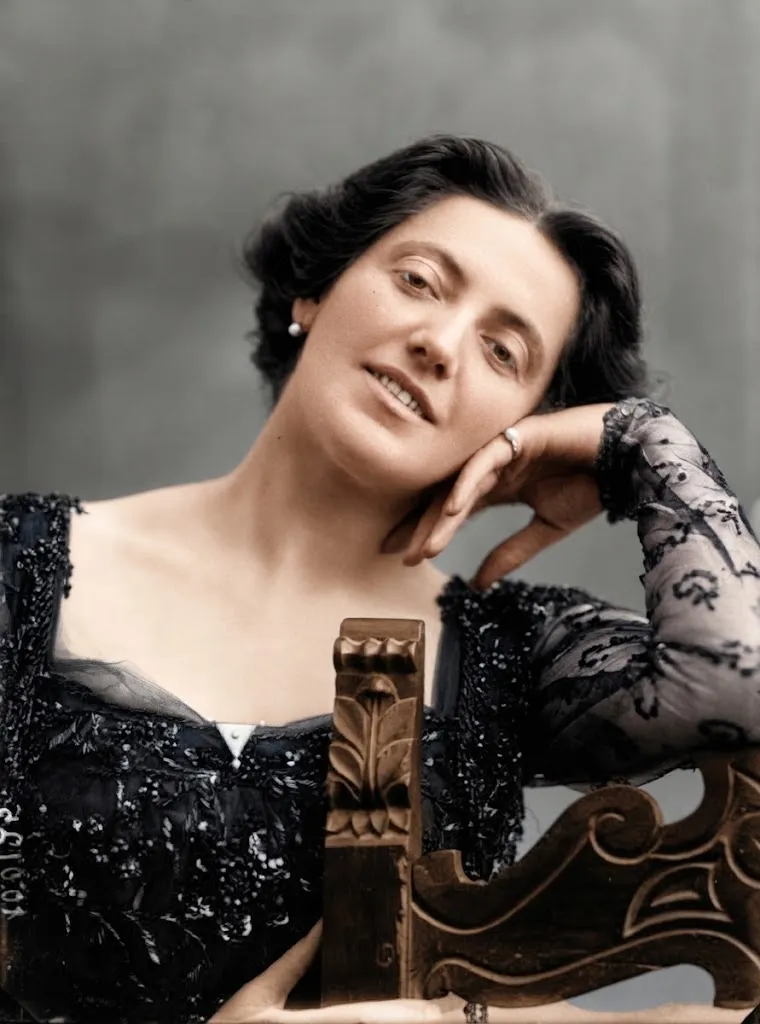
Hand-to-hand fighting at Shipka, bullets coming down like rain, and a regimental banner to be saved. A volunteer named Mykola Tobilevych saved it and won the St George Cross. He was born in 1856 in the village of Kamiano-Kostuvate in the Kherson region (now Mykolaiv Oblast), a brother of the playwright Ivan Karpenko-Karyi and the actor Panas Saksahanskyi. He went to the Russo-Turkish War in 1877 straight from secondary school in Yelysavethrad. He then served in Bendery, and in an amateur drama group there he met Mariia Adasovska, the future Mariia Zankovetska. For the stage he took his mother’s maiden name, Sadovskyi.
The Bohdan a critic called a drunkard
Sadovskyi went on the professional stage in 1881, acting in the troupes of Marko Kropyvnytskyi and Mykhailo Starytskyi, and in 1888 he formed his own. Starytskyi thought Mykola the most gifted of the Tobilevyches. For about ten years Ukrainian troupes were not allowed to play in Kyiv. The ban was lifted in 1893, and in 1895 the critic Ivan Steshenko wrote that Sadovskyi’s Bohdan Khmelnytskyi looked like a drunk fresh out of a tavern. Sadovskyi made the part his own and kept playing it for almost thirty years. He was good at other heroes too: Sava Chalyi in his brother Ivan’s play, Hetman Doroshenko in Liudmyla Starytska-Cherniakhivska’s drama, and the Commander in Lesya Ukrainka’s The Stone Host.
Theatre for five kopecks
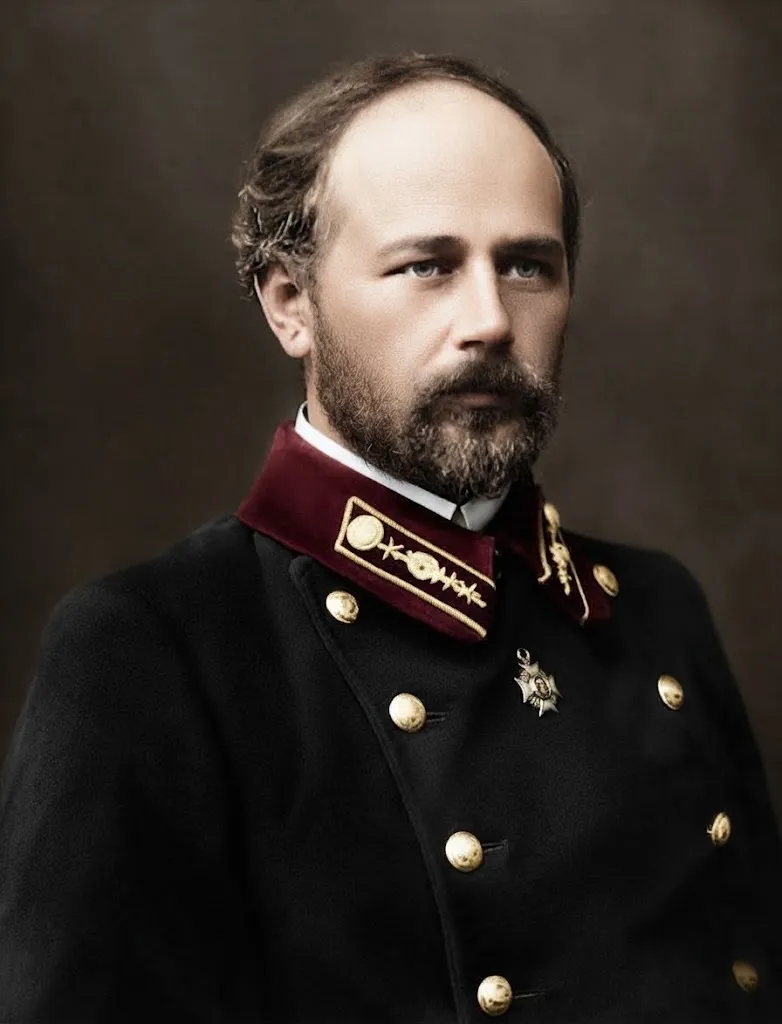
In 1906 Sadovskyi and Zankovetska founded a troupe in Poltava, and in 1907 it settled in Kyiv, in the Trinity People’s House, becoming the first permanent Ukrainian theatre. The cheapest tickets cost 10 or even 5 kopecks, when the opera’s started at 32, so people came from every suburb of the city. Sadovskyi was one of the first to stage Gogol’s The Government Inspector in Ukrainian, and he put on Mykola Lysenko’s opera Aeneid. In 1914 Lesya Ukrainka’s The Stone Host was staged here for the first time. For a while Symon Petliura ran the theatre’s literary section. And the young Les Kurbas, whom Sadovskyi invited to join, played 13 parts in his one year with the company.
From St Sophia Square to Prague
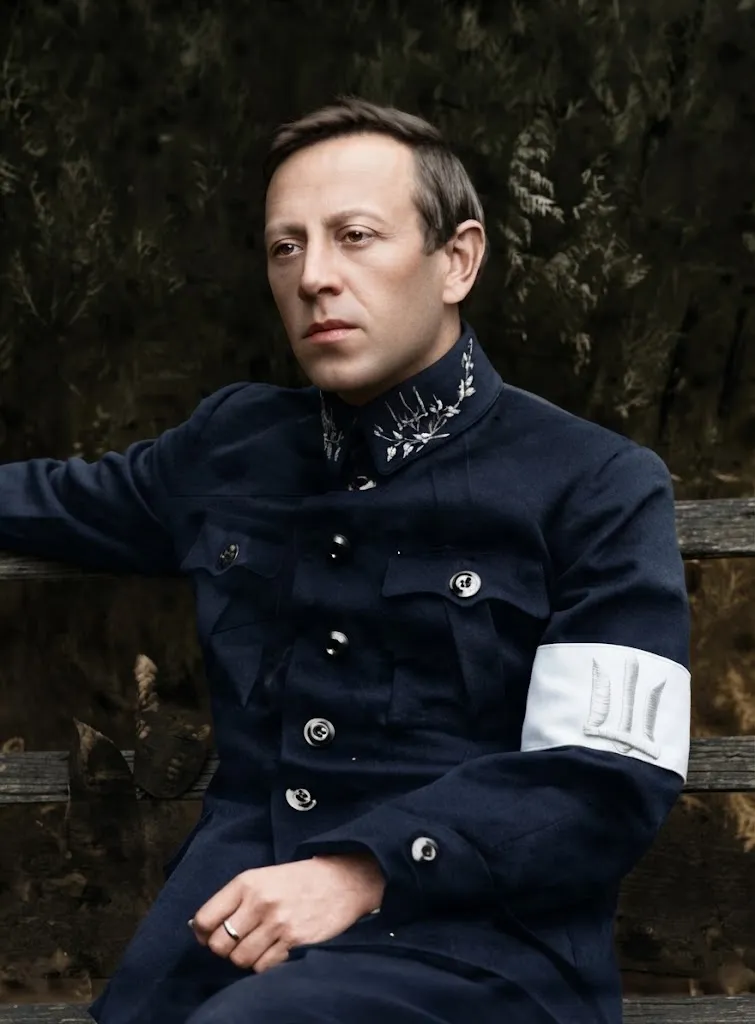
Under the Ukrainian People’s Republic, his company became a state theatre, and he himself was chief commissioner for people’s theatres. On 22 January 1919 he was the one who ran the ceremony on St Sophia Square when the Act of Unification of the Ukrainian People’s Republic and the West Ukrainian People’s Republic was proclaimed. Later that year he left Kyiv; he went on to lead the first professional theatre in Transcarpathia, in Uzhhorod, and in 1923 moved to Prague. In 1926 he came back at the invitation of the government of Soviet Ukraine, but he never had a theatre of his own again. He turned to film instead: in Wind from the Rapids (1929), aged 72, he played an old river pilot and dived into the winter Dnipro himself, without a stand-in. He died in Kyiv in 1933.
Why it matters today
Sadovskyi gave Ukrainian theatre a permanent home: before him Ukrainian troupes could only tour, and his theatre stood level with those that already had stages of their own. He proved that Ukrainian actors could play not just village plays but Gogol, Lesya Ukrainka and opera. His cheap tickets brought people from the working suburbs into the theatre. And on St Sophia Square in 1919 he helped Ukraine celebrate its unity. Every theatre that plays in Ukrainian night after night today stands on the ground he laid.