1889–1977
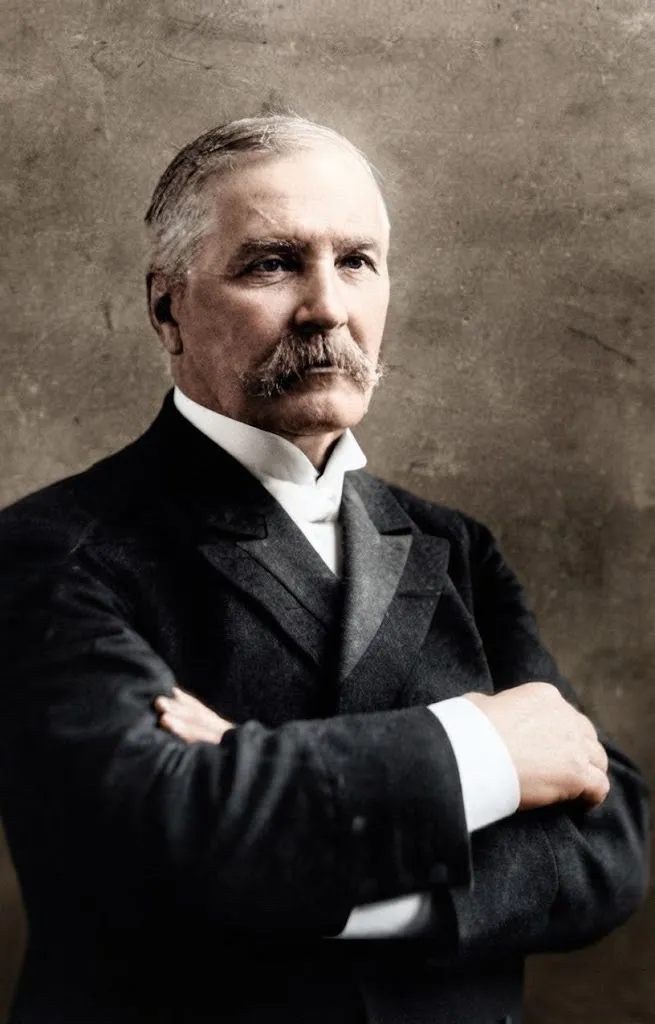
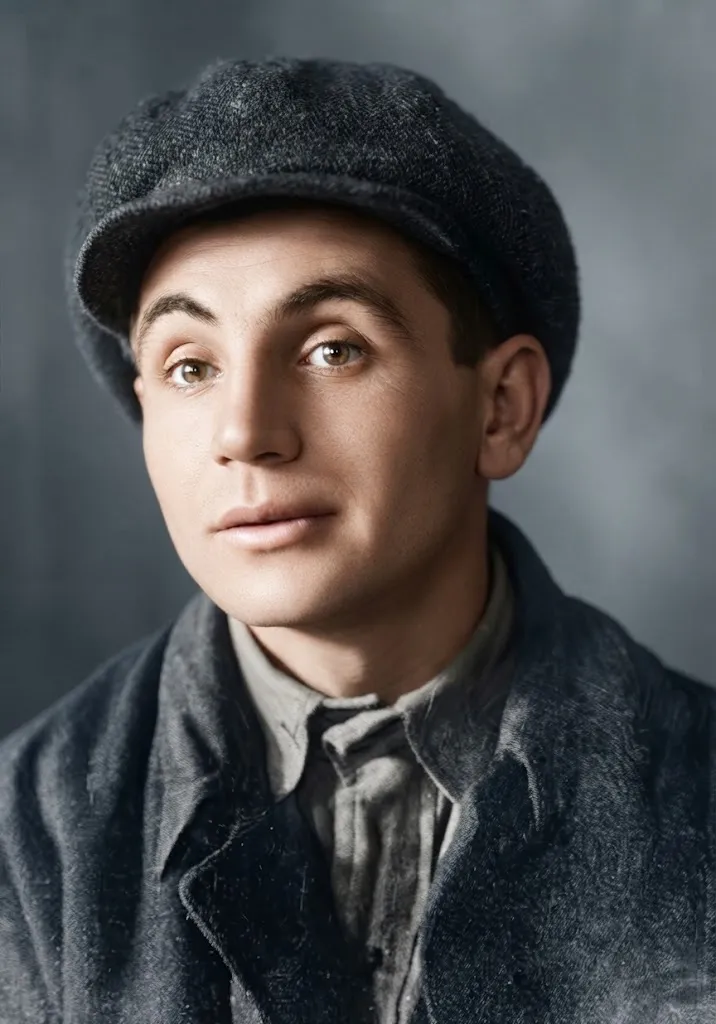
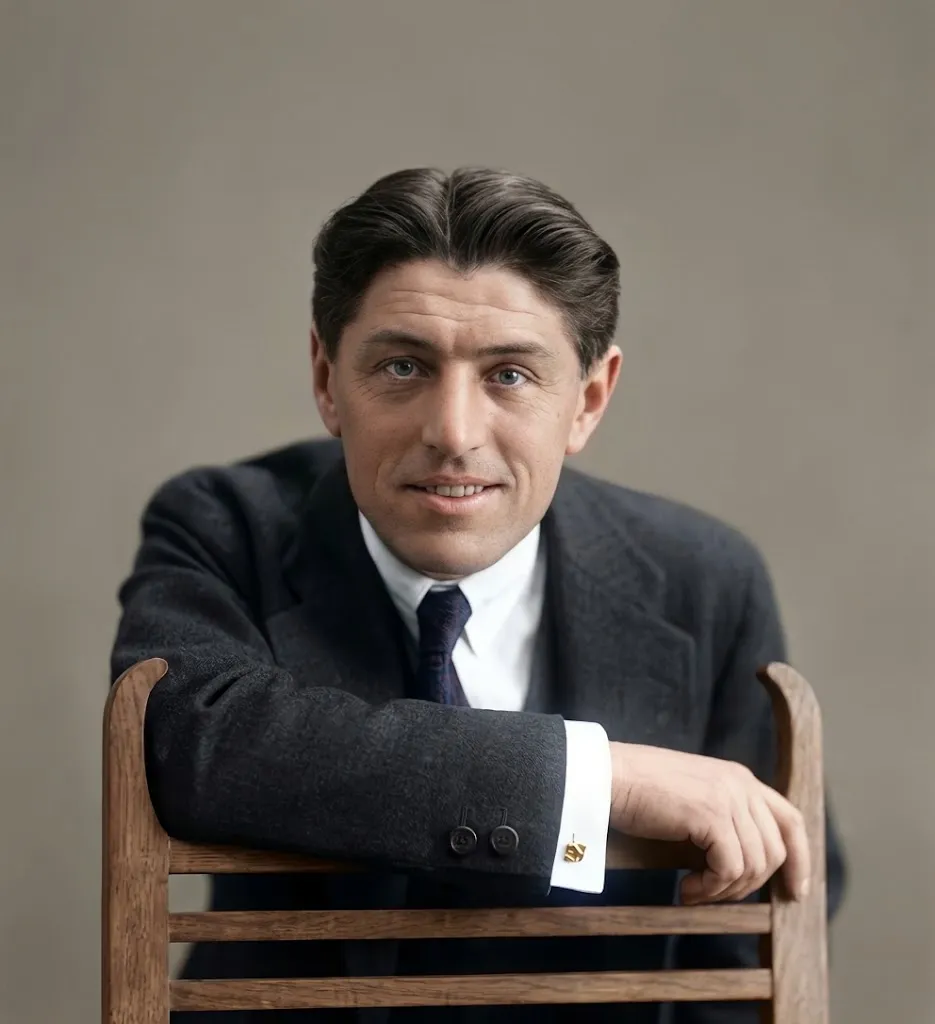
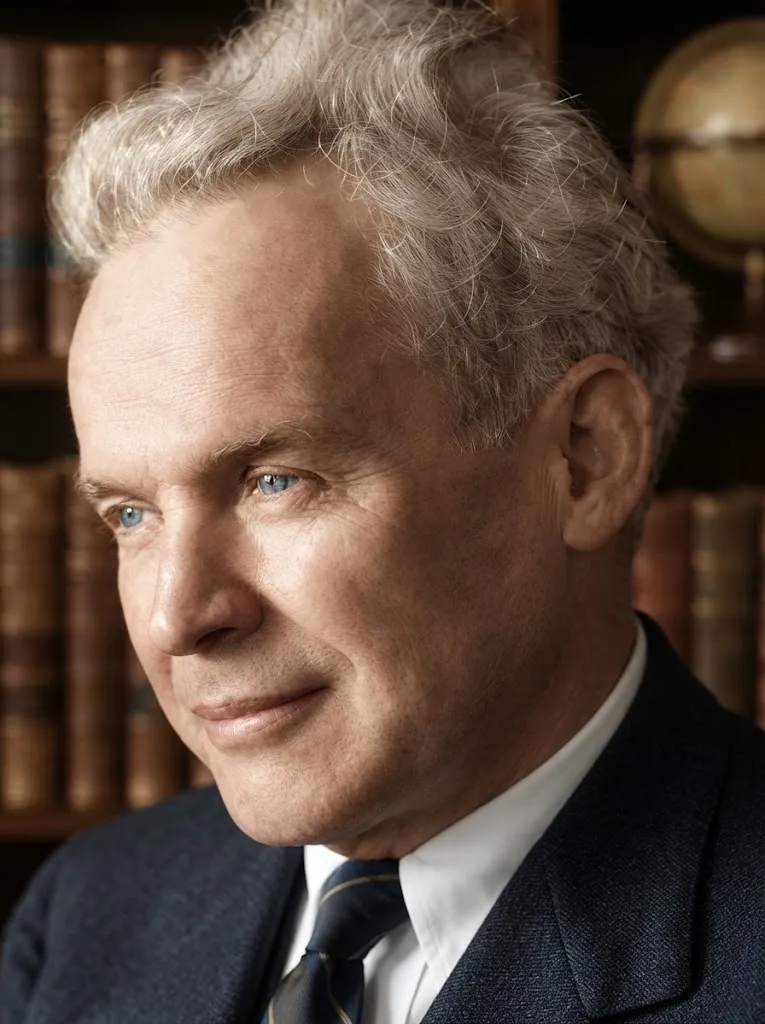
Levko Revutskyi
Composer and teacher of composers
For decades the first version of his Second Symphony was thought to be lost, until its manuscript turned up in the library of the Lviv Philharmonic in 2020. Levko Revutskyi built symphonies on folk songs; a pupil of Lysenko, he went on to teach a whole generation of Ukrainian composers.
Key accomplishments
- The Second Symphony, built on folk-song themes and regarded as the finest Ukrainian symphonic work of the first half of the 20th century
- The Piano Concerto (1934) and the cantata Khustyna (The Kerchief, 1923)
- Collections of folk-song arrangements: Sonechko (Little Sun), Cossack Songs and Galician Songs
- Taught a generation of composers, among them Heorhii and Platon Maiboroda, Vitalii Kyreiko and Leonid Hrabovskyi
- Supervised the edition of Mykola Lysenko’s complete works (1950s)
The scores that came home
In 1937 Levko Revutskyi gave the manuscript of his piano concerto to a colleague, the musician Ervin Berg, hoping the piece would be played in the West. After 1937 the concerto fell silent, and the score was thought to be lost. The manuscript only came back to Ukraine, from Denmark, in 2009. Then in 2020 a manuscript of the first version of his Second Symphony, also long thought lost, was found in the library of the Lviv Philharmonic. Its score was incomplete, so the publisher Muzychna Ukraina restored the piece from it and from the orchestral parts.
A pupil of Lysenko
Revutskyi was born in 1889 in the village of Irzhavets in the Chernihiv region. In Kyiv he studied law at the university and music at the same time: his teachers included Mykola Lysenko and Reinhold Glière. He graduated from the Kyiv Conservatory in 1916 and then spent several years teaching music around Pryluky.
A symphony made of folk songs
In 1924 Revutskyi began teaching at the Lysenko Institute of Music and Drama in Kyiv, and these were the peak years of his composing. He built his Second Symphony on folk-song themes; the main one, a spring song, he had written down in his home village of Irzhavets. The symphony won first prize in an all-Ukrainian competition, but at the end of 1928 the score burned in a fire at the Kyiv Philharmonic. The composer only rebuilt the piece from memory in 1939–1940. Meanwhile a copy of his score, made in secret in the 1930s, had been taken abroad by the conductor Antin Rudnytskyi, and the symphony was played from it in Lviv, Warsaw and Kaunas.
Criticism that changed his path
In 1934 the Lysenko Institute was closed, and Revutskyi moved to the Kyiv Conservatory. That same year the authorities severely criticized his piano concerto. From then on he mostly taught, and as a composer he largely revised his earlier works or wrote occasional pieces for the state. After the war he restored the concerto from fragments kept in the radio archives and from memory. In the 1950s he supervised the edition of Lysenko’s complete works.
Revutskyi’s pupils, among them Heorhii and Platon Maiboroda, Vitalii Kyreiko, Leonid Hrabovskyi and many others, carried his school forward. The composer died in Kyiv in 1977.
Why it matters today
Levko Revutskyi showed that a folk song can become the heart of a great symphony, and he carried the Ukrainian national school in music on into the Soviet years. When the authorities came down on him, he put his knowledge into his students, and through them shaped Ukrainian music for decades to come. His manuscripts were saved by people who secretly took scores abroad and kept them safe, so today we can hear his music as he first wrote it. Anyone who takes a folk melody and makes something new of it carries on his work.