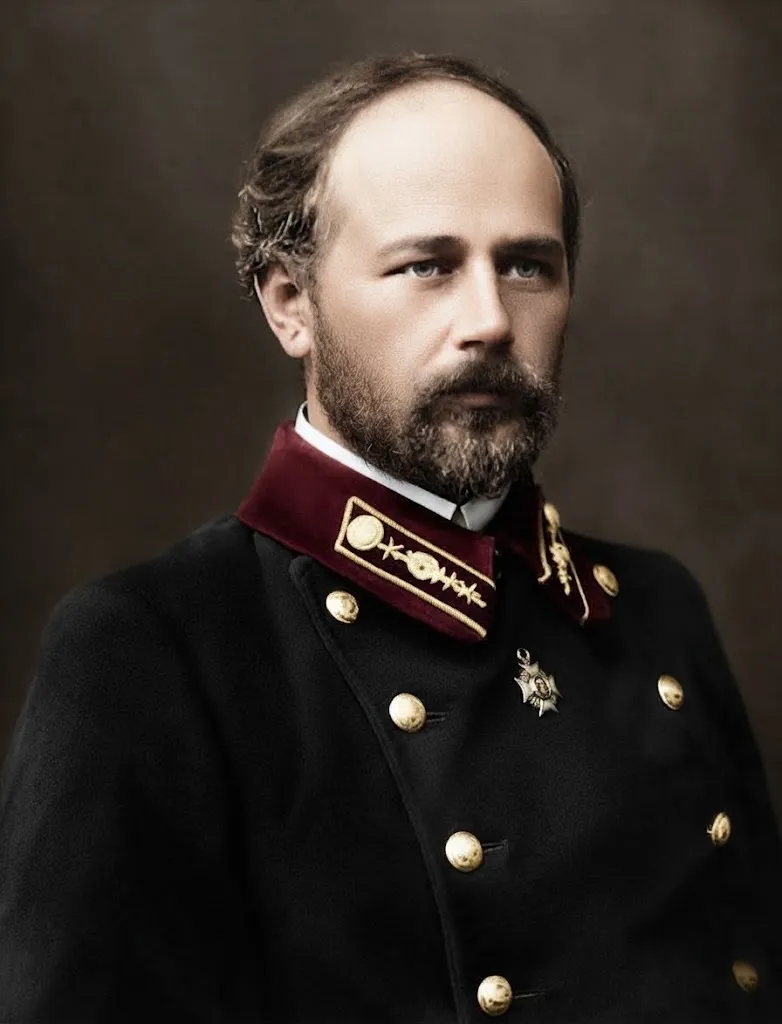
1897–1963
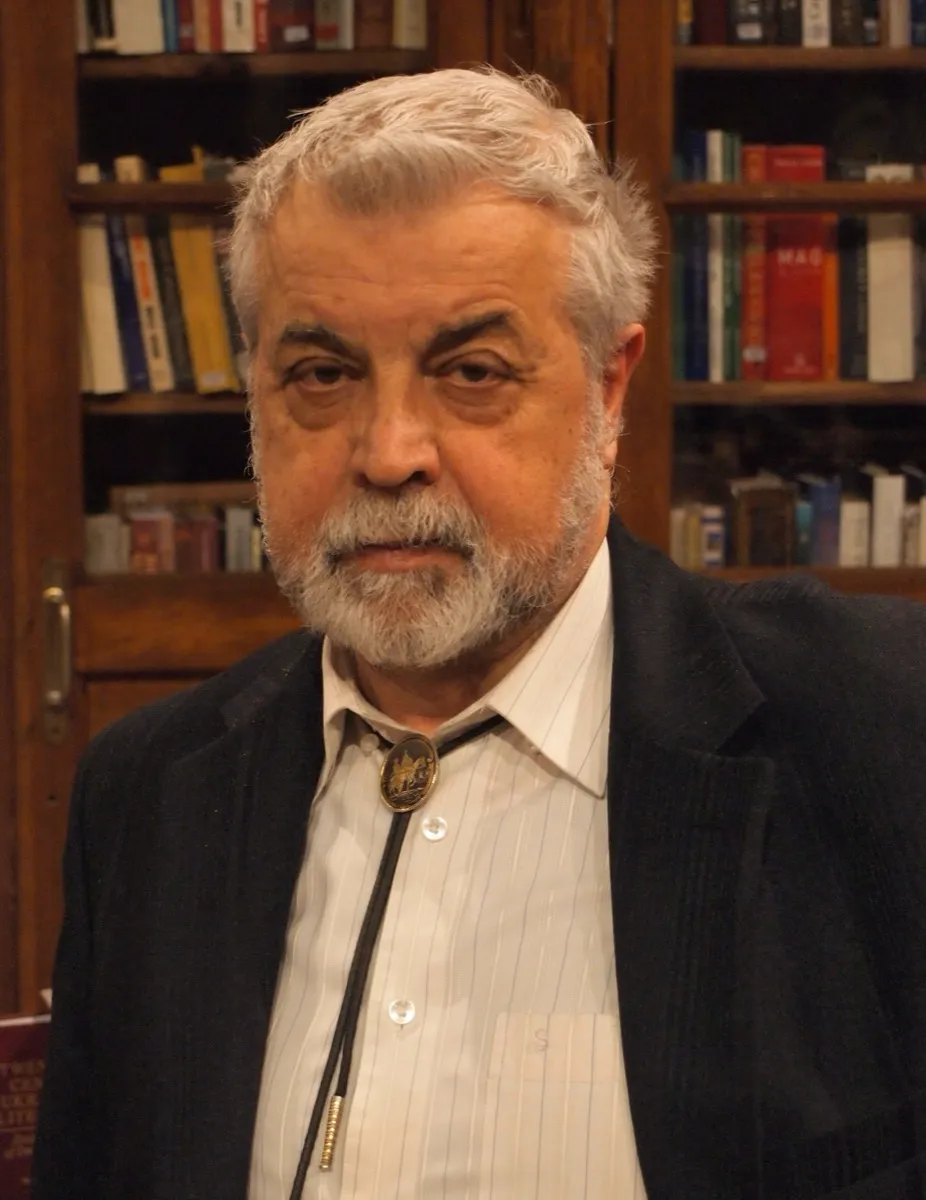
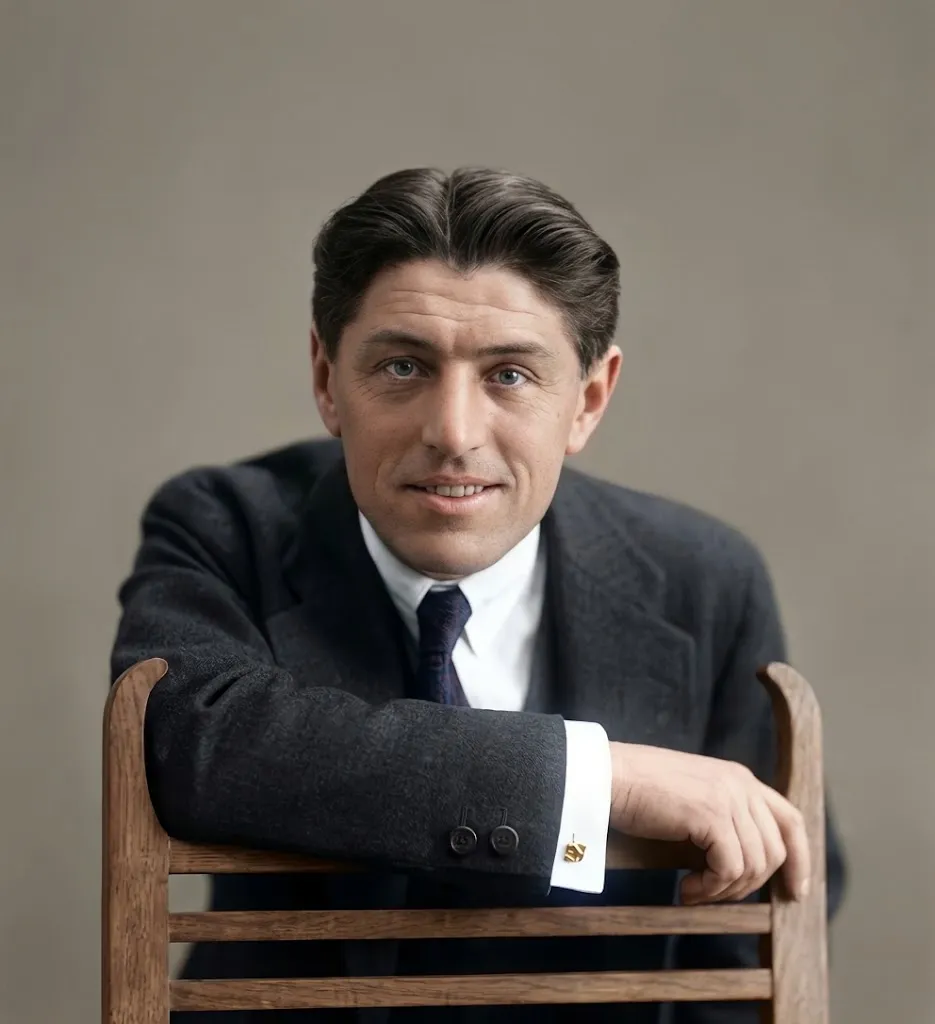
Marian Krushelnytskyi
Actor and director of the Berezil
He started out in Les Kurbas’s troupe in Ternopil, and after his teacher’s arrest he took over Kurbas’s Berezil. Marian Krushelnytskyi played Malakhii in Mykola Kulish’s play, Tevye and King Lear, and late in life passed Kurbas’s teaching on to young directors.
Key accomplishments
- Malakhii Stakanchyk in Mykola Kulish’s The People’s Malakhii at Les Kurbas’s Berezil (1928)
- The lead in Oleksandr Dovzhenko’s comedy Love’s Berries (1926)
- Artistic director of the Berezil (now the Shevchenko Ukrainian Drama Theater in Kharkiv), 1933–1952
- Chief director of the Franko Theater in Kyiv (1954–1961)
- The roles of Tevye the Dairyman and King Lear
- People’s Artist of the USSR (1944)
How did a village boy from the Ternopil region become one of Kurbas’s actors?
It began with a troupe in Ternopil. Marian Krushelnytskyi was born in 1897 in the village of Pyliava in the Ternopil region; he was a nephew of the singer Solomiia Krushelnytska. While still at school he acted with amateur groups, and in 1915 he went on stage with the Ternopilski Teatralni Vechory troupe founded by Les Kurbas. Theaters in Ternopil, Vinnytsia and Lviv followed. In 1920 in Vinnytsia he helped create the Franko Theater, the same theater he would lead in Kyiv as chief director more than 30 years later. He also took part in creating a Ukrainian circus. In Lviv he acted while studying at the university, and in 1924 he studied at a medical faculty in Karlovy Vary, then in Czechoslovakia.
Malakhii at the Berezil
In 1924 Krushelnytskyi moved to Soviet Ukraine and joined Kurbas’s Berezil, first in Kyiv and then in Kharkiv. He soon became one of its leading actors, equally at home in gentle tragicomedy, grotesque, revue and clowning, and he was at his best in the plays of Mykola Kulish: Malakhii Stakanchyk in The People’s Malakhii (1928), Uncle Taras in Myna Mazailo, Padura in Maklena Grasa. In 1926 Oleksandr Dovzhenko cast him in the lead of his comedy Love’s Berries.
After his teacher’s arrest
In 1933 Kurbas was removed as head of the theater and later arrested. His pupil Krushelnytskyi took over the Berezil and ran it until 1952; today it is the Shevchenko Ukrainian Drama Theater in Kharkiv. The repertoire changed: socialist-realist plays, among them Oleksandr Korniichuk’s, and the russian classics now dominated. Krushelnytskyi himself won his greatest fame as Tevye the Dairyman and King Lear. He was made a People’s Artist of the USSR (1944) and received the Stalin Prize (1947).
Teaching a new generation
In 1952 Krushelnytskyi moved to Kyiv, where he acted and directed at the Franko Theater, served as its chief director in 1954–1961 and taught at the theater institute. In the late 1950s he helped preserve parts of Kurbas’s system and pass them on to the young. Among his students was the director Les Taniuk. Krushelnytskyi died in Kyiv in 1963.
Why it matters today
Krushelnytskyi was a living bridge between the Berezil of the 1920s and Ukrainian theater in the second half of the 20th century. He grew up in Kurbas’s troupes, and through him young directors received part of what Kurbas taught, even after the teacher himself had been killed. Kulish’s Malakhii, Tevye and King Lear showed how wide a Ukrainian actor’s range could be. Anyone who learns from the masters and honestly passes the craft on carries on the same relay.