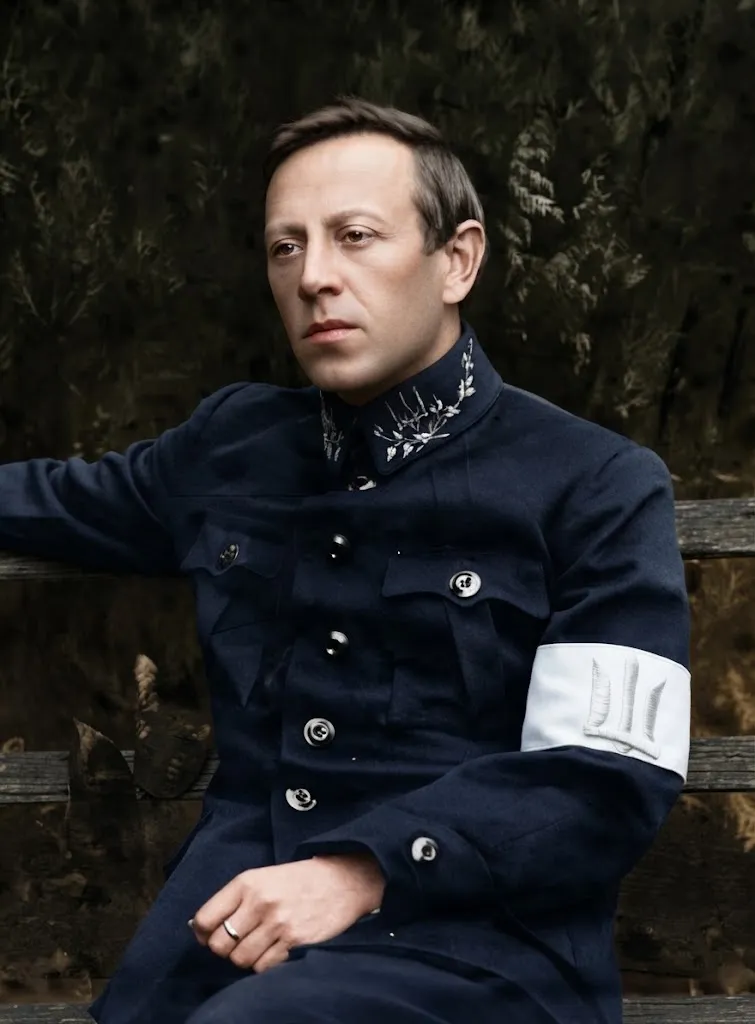
1907–1950
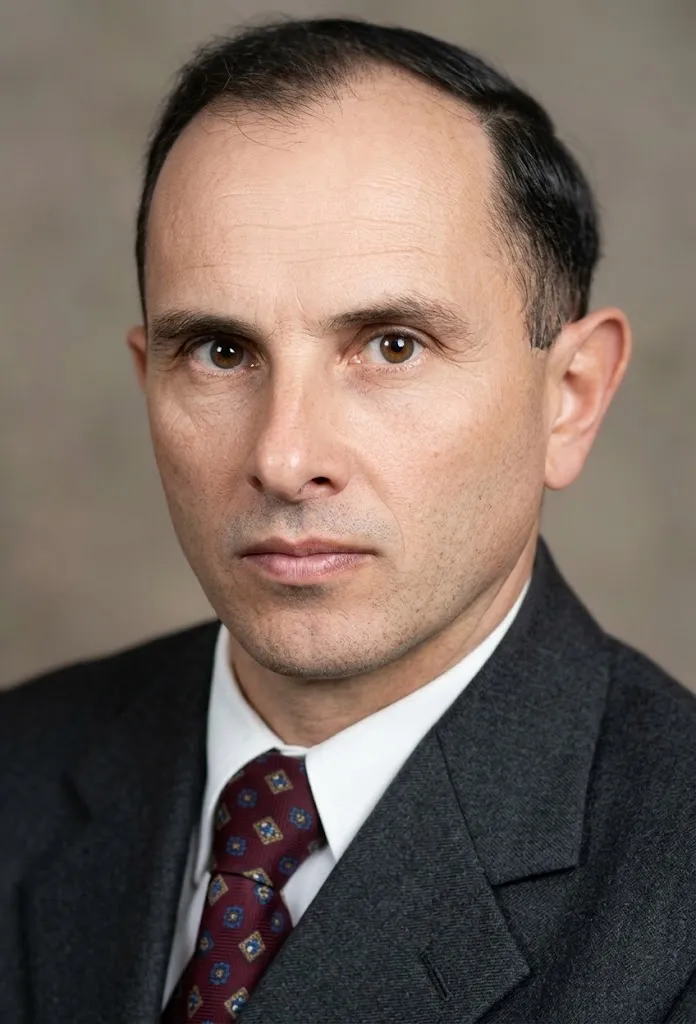
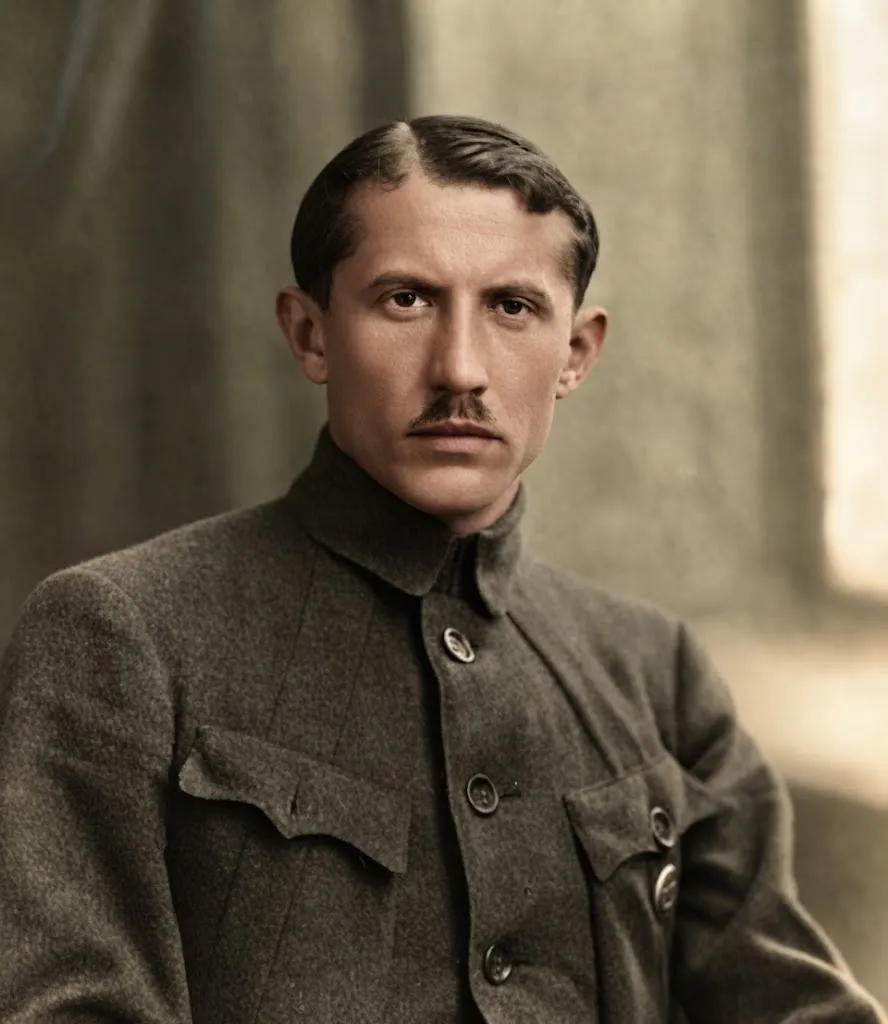
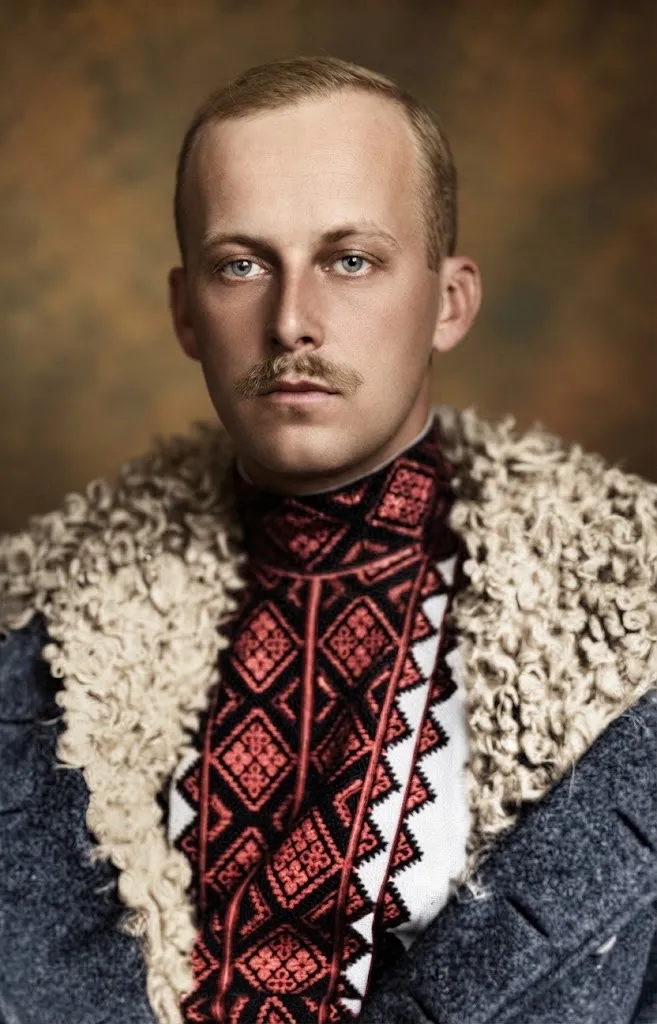
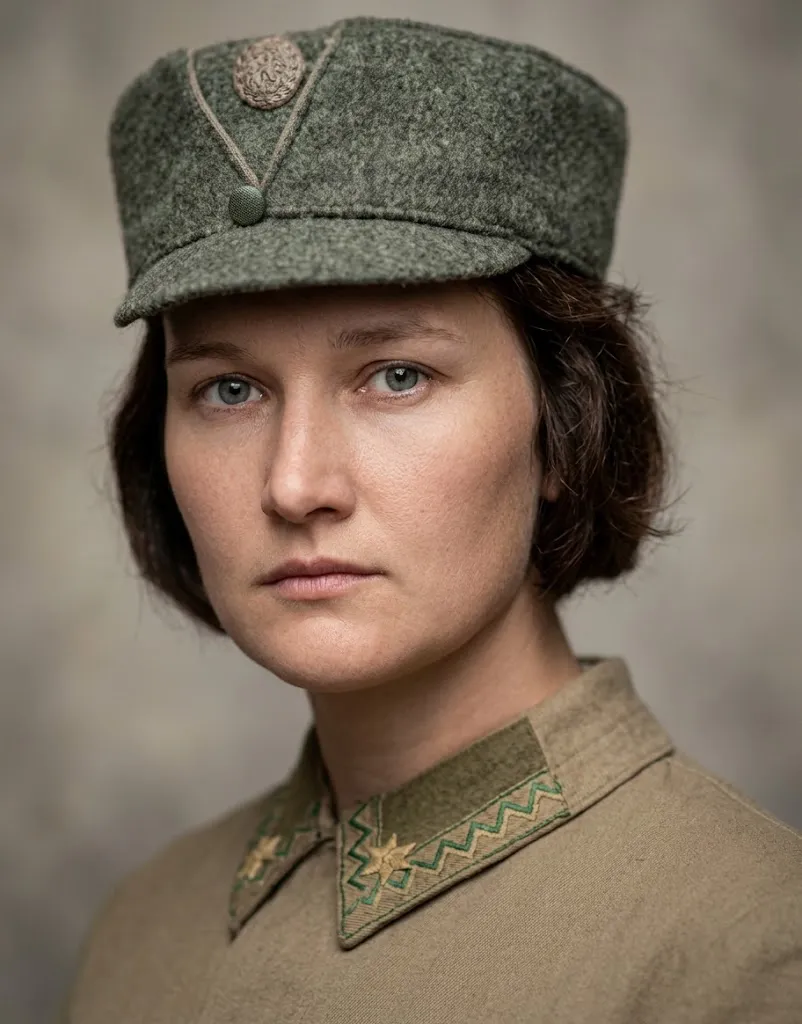
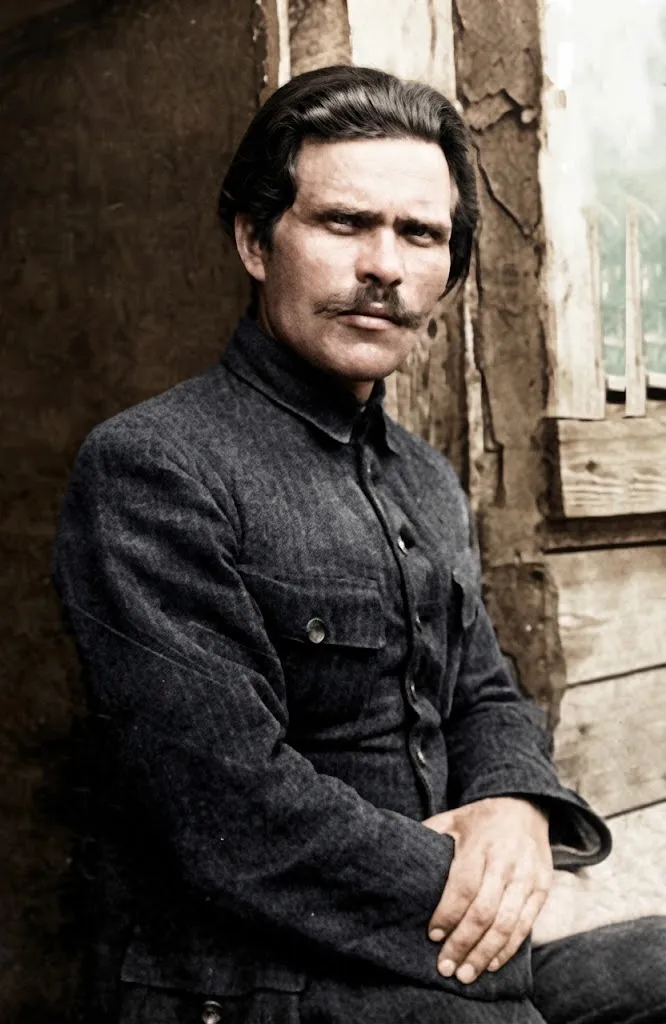
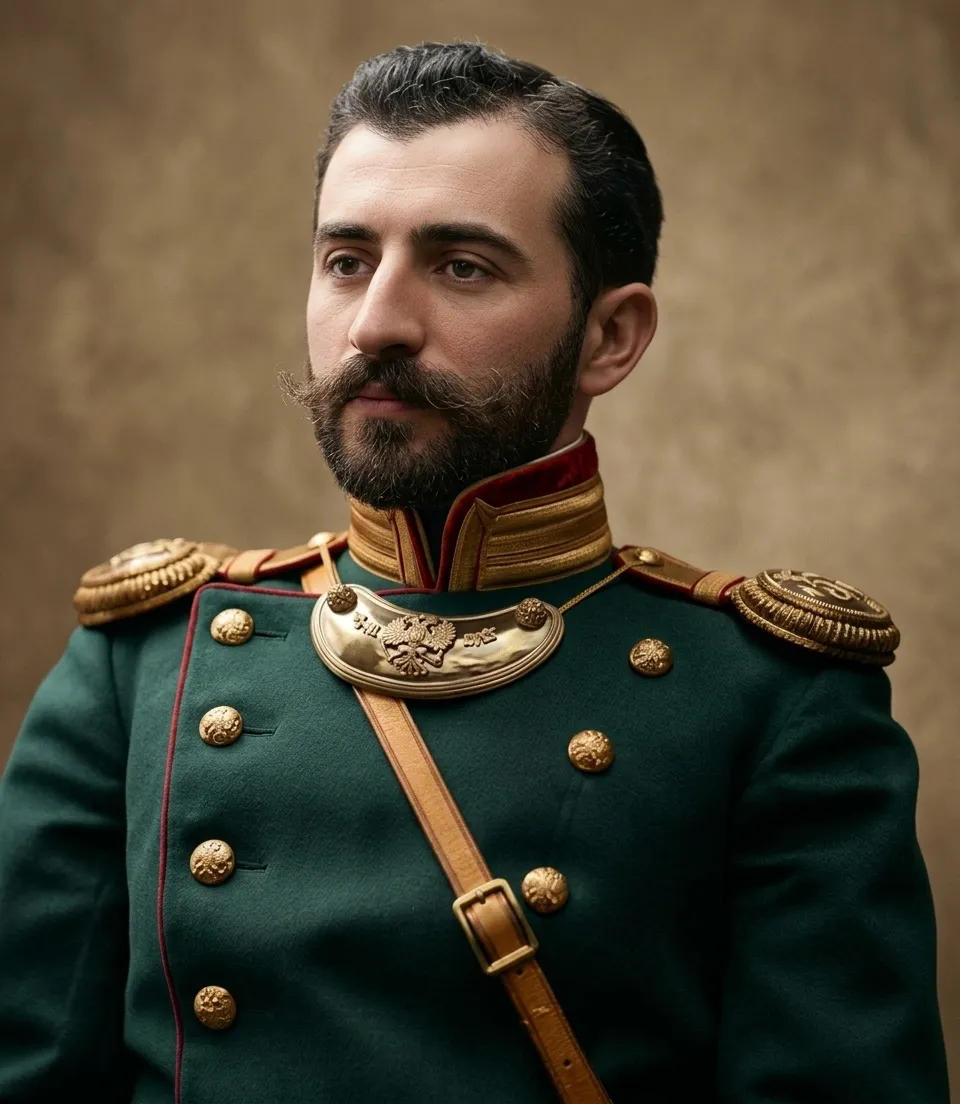
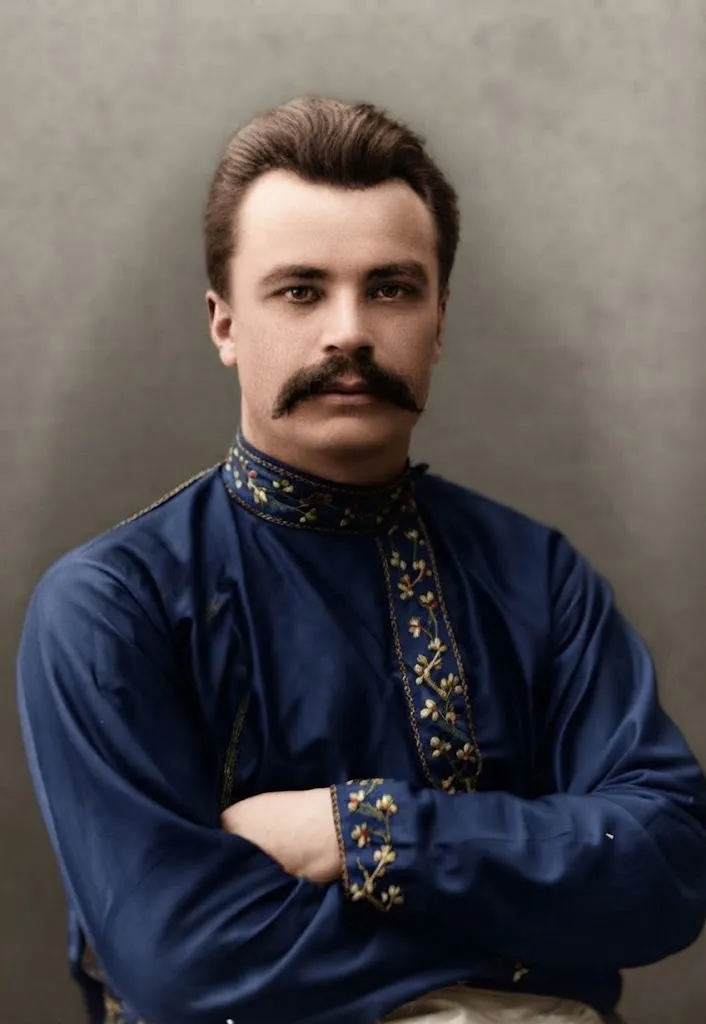
Roman Shukhevych
Commander-in-chief of the UPA
An engineer and amateur pianist who, as “Taras Chuprynka”, took command of the Ukrainian Insurgent Army in 1943. Roman Shukhevych led the armed underground against Soviet rule for almost six years and was killed in combat; he remains a contested figure.
Key accomplishments
- Commander-in-chief of the UPA (1943–1950)
- Head of the General Secretariat of the Ukrainian Supreme Liberation Council (UHVR)
- Led the armed underground against Soviet rule for almost six years (1944–1950)
Who was “Taras Chuprynka”?
Under that pseudonym Roman Shukhevych took command of the Ukrainian Insurgent Army (UPA) in 1943. He was its commander-in-chief until his death in 1950, and for almost six of those years he led an armed underground against Soviet rule.
Engineer, musician, conspirator
Shukhevych was born in 1907 in Lviv (some sources say in the small town of Krakovets in the Lviv region), the son of a lawyer. He qualified as an engineer at the Lviv Polytechnic, and with his brother he studied voice and piano at the Lysenko Music Institute. As a young man he joined the Ukrainian Military Organization, and later the OUN.
A war between two empires
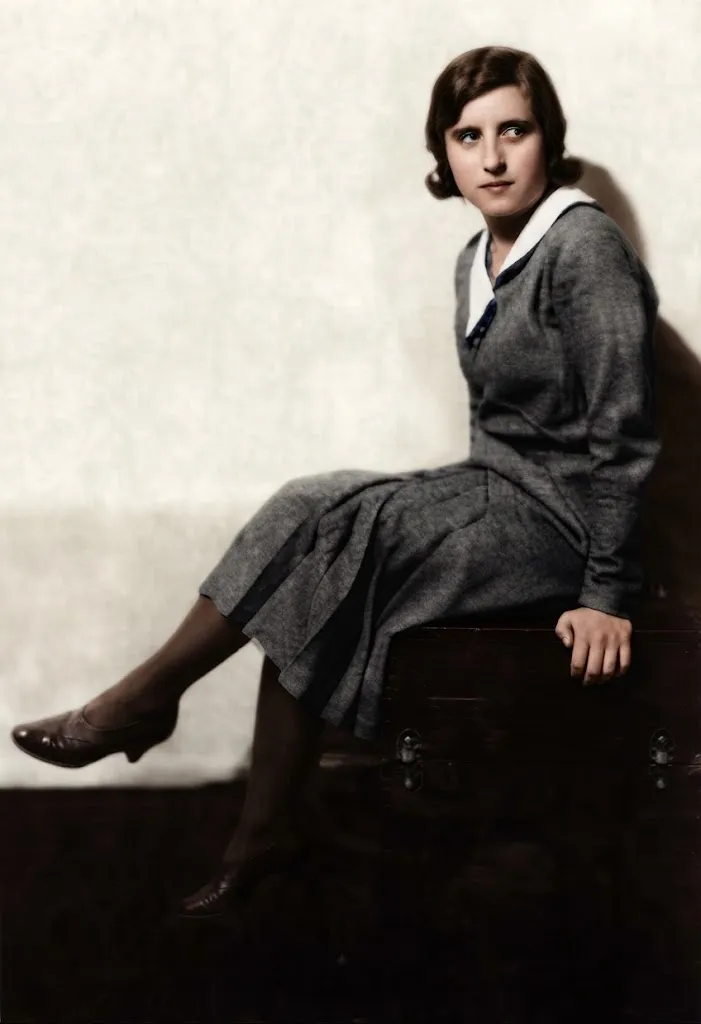
In 1941 he served in the Nachtigall Battalion, formed by the Abwehr, German military intelligence, from Ukrainian nationalists. After it was disbanded, until the end of 1942 he was deputy commander of Schutzmannschaft Battalion 201, an auxiliary police unit under German command, in Belarus. In 1943 Shukhevych took over the UPA. It fought the Nazi occupiers, Soviet partisans and the Polish underground, and after 1944 mainly Soviet rule. In 1944 he was also elected head of the General Secretariat of the Ukrainian Supreme Liberation Council. From 1945 his personal courier was Kateryna Zarytska.
On 5 March 1950 officers of the MGB surrounded his hideout in the village of Bilohorshcha near Lviv. Shukhevych was killed in the fighting.
Debates and assessments
Assessments of Shukhevych are divided. Historians debate his service in German units, especially Schutzmannschaft Battalion 201, which fought partisans in Belarus. The mass killings of Poles in Volhynia began in 1943, before he took command of the UPA, but the anti-Polish actions of 1944 in Eastern Galicia took place under his command; the question of his responsibility is still being researched. For many Ukrainians he is a symbol of long armed resistance to the Soviet regime. The 2007 decree making him a Hero of Ukraine was declared unlawful by a court in 2010.
Why it matters today
Shukhevych’s story shows that the fight for independence in the 20th century was waged between two totalitarian empires. An honest conversation about the past has to include both heroism and tragedy.