1938–2015
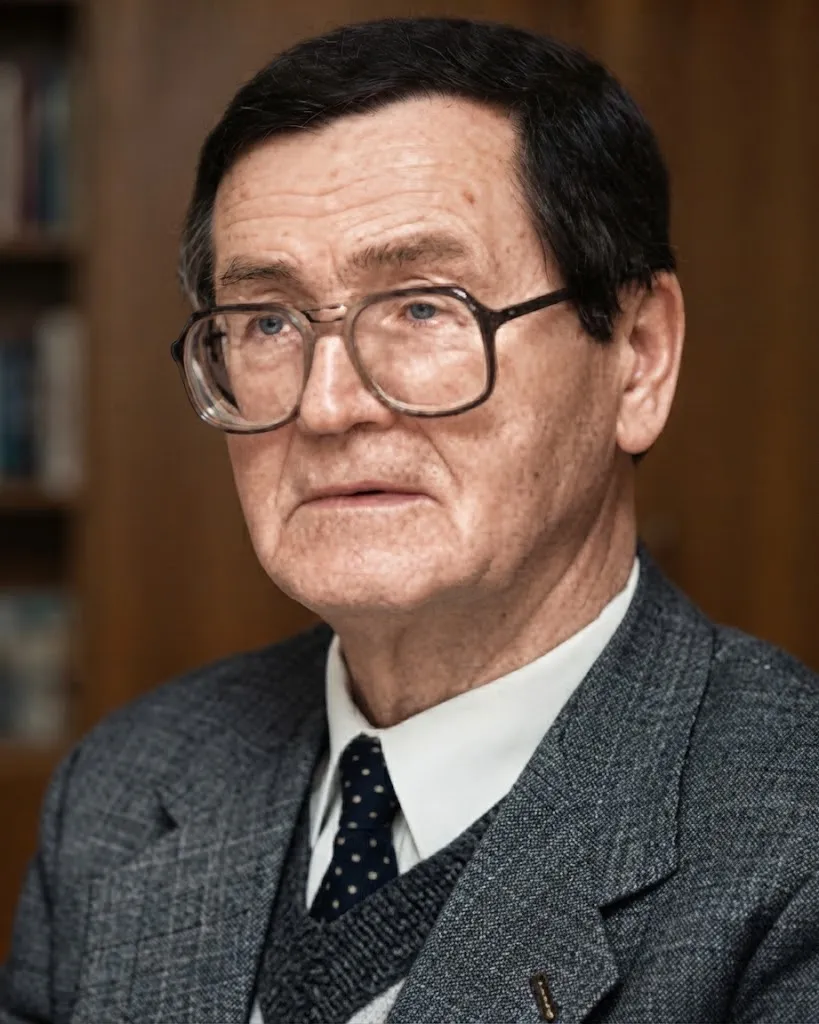
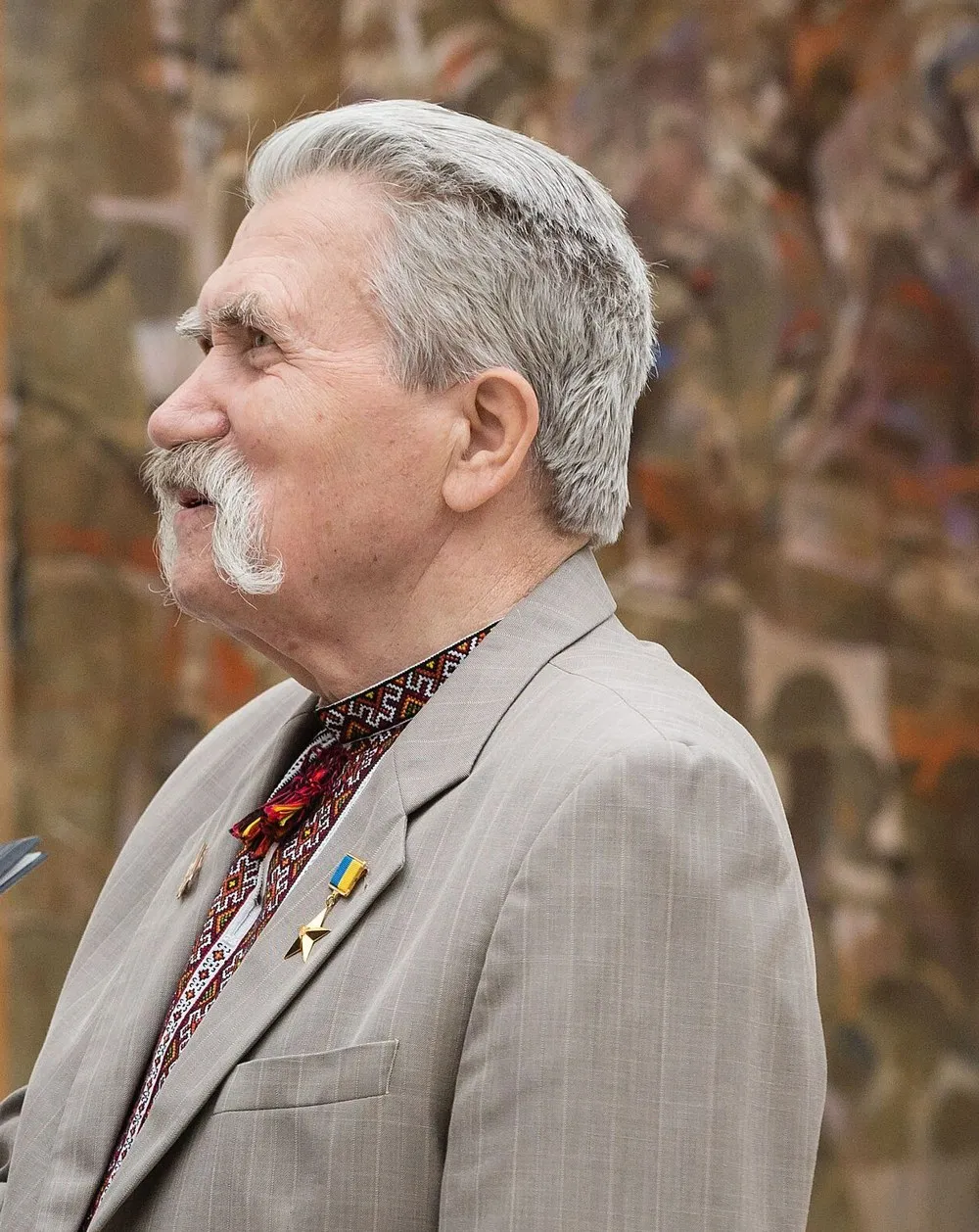
Volodymyr Boiko
Director of the Illich Steel Works
He joined the Illich steelworks in Mariupol as a pipe fitter and 35 years later was running it. Volodymyr Boiko led the plant for more than two decades, sat in parliament and was made a Hero of Ukraine; its privatization and move into Metinvest were disputed.
Key accomplishments
- General director (1990–1997), then chairman of the board of the Illich Iron and Steel Works in Mariupol
- Under his leadership the 1700 plate mill and the cold rolling shop were rebuilt, and a continuous casting machine was put into service
- State Prize of Ukraine in Science and Technology (1999)
- Hero of Ukraine (2003, decree No. 703/2003)
- Member of the Verkhovna Rada, Ukraine’s parliament, in its 4th, 5th and 7th convocations
From pipe fitter to director
In 1955 Volodymyr Boiko, a young man from Mariupol (then called Zhdanov), joined the Illich steelworks as a pipe fitter. Thirty-five years later, in 1990, he became general director of the plant, and from 1997, when it became a joint-stock company, he chaired its board.
His whole career lies between those dates. After a few years in other jobs and military service he came back to the plant, graduated from the Zhdanov Metallurgical Institute in 1970 and worked his way up to head of the sheet-rolling shop and deputy director for production. Under his leadership the plant rebuilt its 1700 sheet-rolling mill and cold-rolling shop and brought a continuous casting machine into service. In 1999 he received the State Prize of Ukraine in Science and Technology, and in 2003 the title Hero of Ukraine.
A director in politics
Boiko was an unofficial adviser to President Leonid Kravchuk and a member of the Donetsk regional council. In 2002 he was elected to the Verkhovna Rada, and twice more after that: in 2006 on the Socialist Party list and in 2012 on the Party of Regions list. He died in Mariupol on 10 June 2015.
Debates and assessments
The plant’s road into private hands was disputed. In 2000 parliament passed a special law on privatizing the state’s stake in the plant: it was to be sold to a company founded by the plant’s workers, at no less than nominal value. In 2010 representatives of Cypriot companies claimed they had bought a controlling stake on behalf of an unnamed Russian group; Boiko denied it. That same year the plant announced a merger with Rinat Akhmetov’s Metinvest holding. The deal was completed in 2011: Boiko’s company received 5% of the holding, which experts valued at 1–1.2 billion dollars, and he kept his post as general director.
Why it matters today
Boiko’s story shows how big Soviet factories turned into private companies in independent Ukraine, and how much controversy that caused.