1929–2022
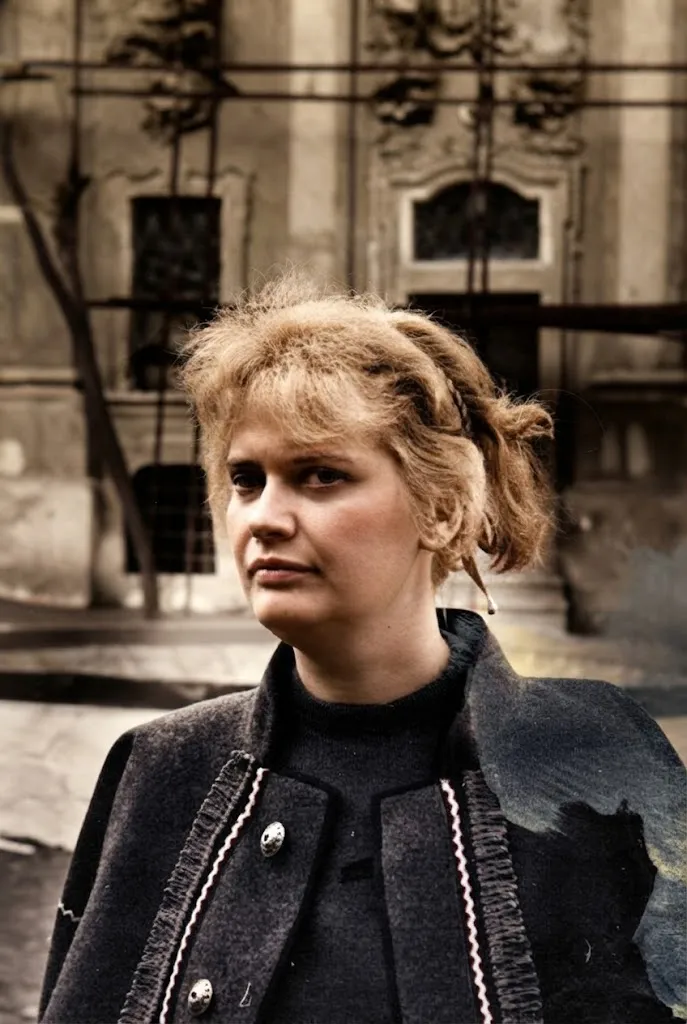
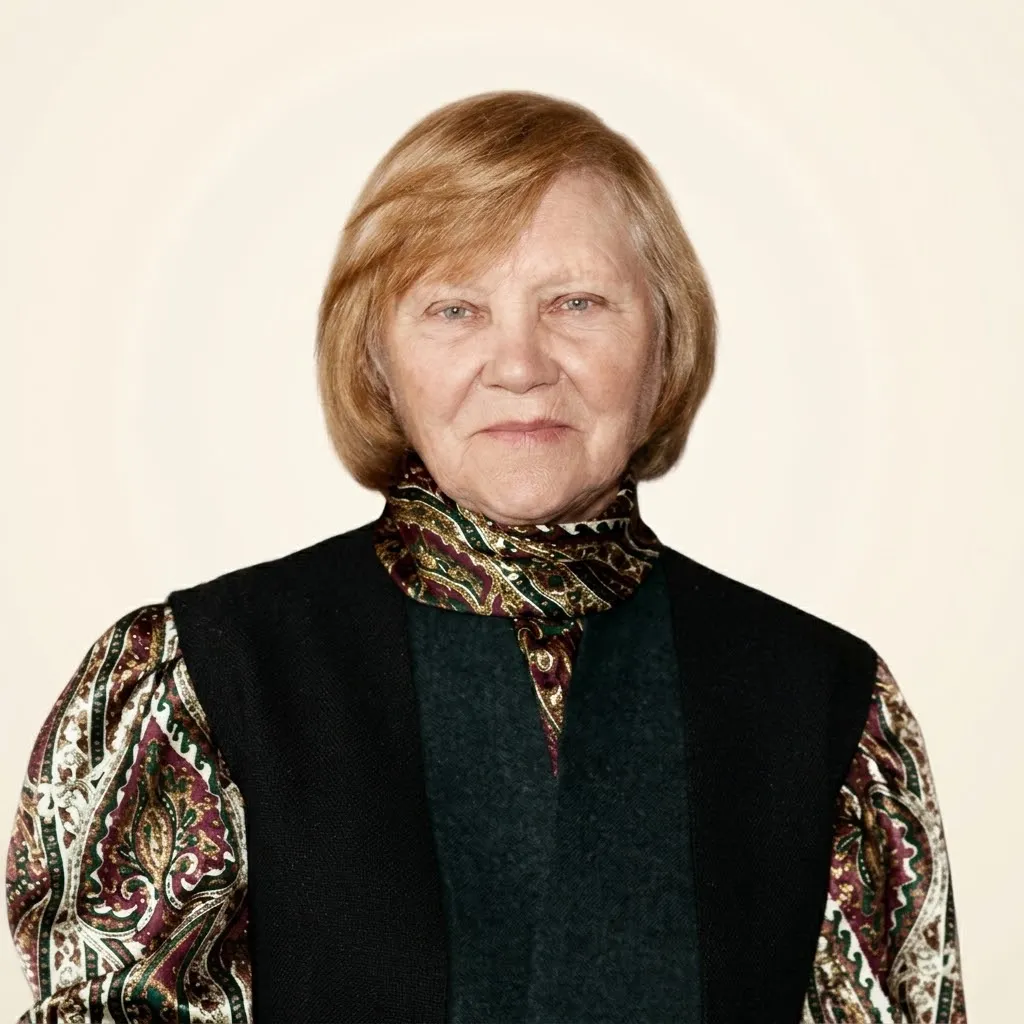
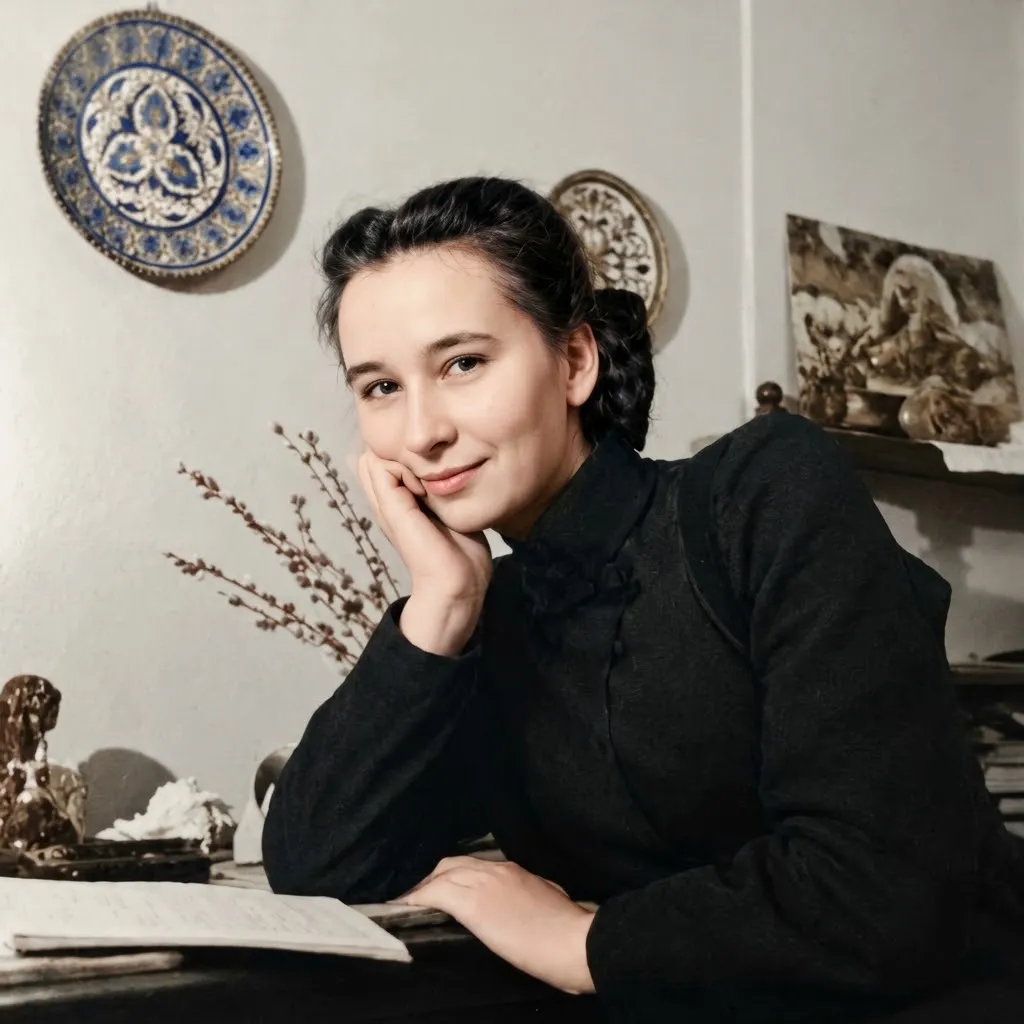
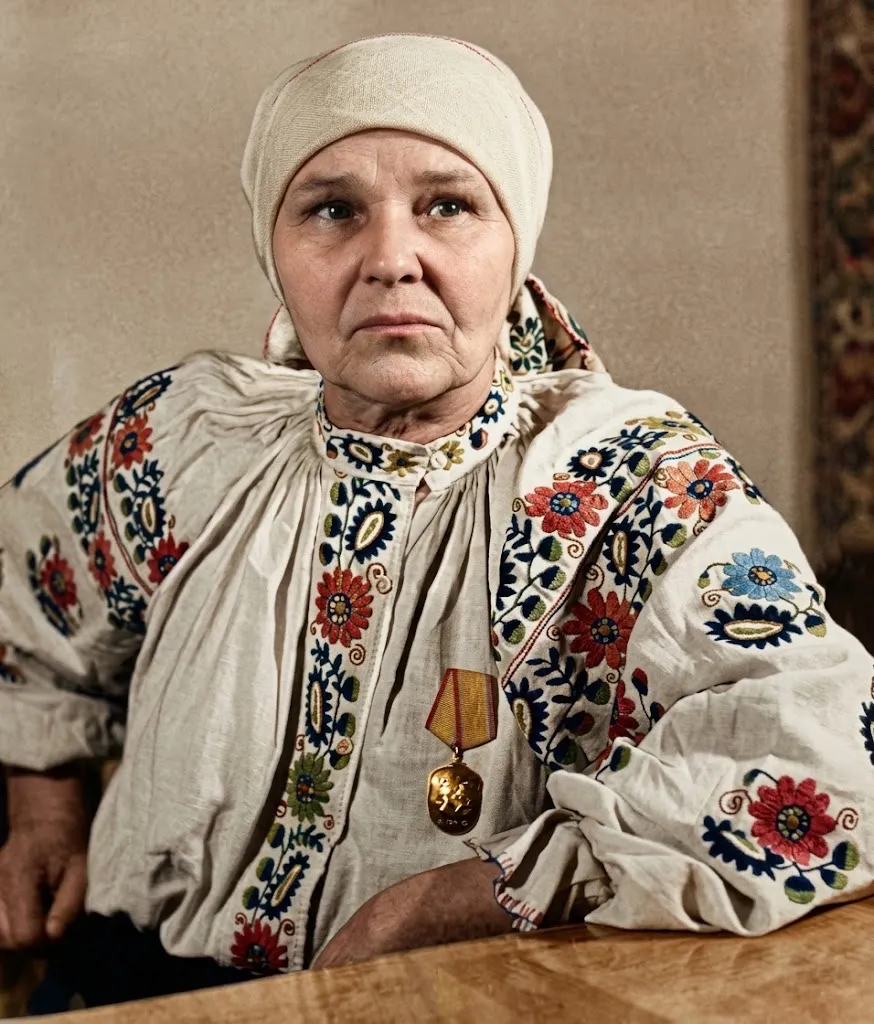
Halyna Sevruk
Ceramicist of the Sixtiers
In 2020 activists rescued her ceramic panel Old Chernihiv. Halyna Sevruk, a ceramicist of the Sixtiers and co-author of the destroyed stained-glass window Shevchenko. Mother, was kept out of the Union of Artists for over twenty years for signing the “letter of 139”.
Key accomplishments
- Co-author of the stained-glass window Shevchenko. Mother at Kyiv University (1964), destroyed by the authorities
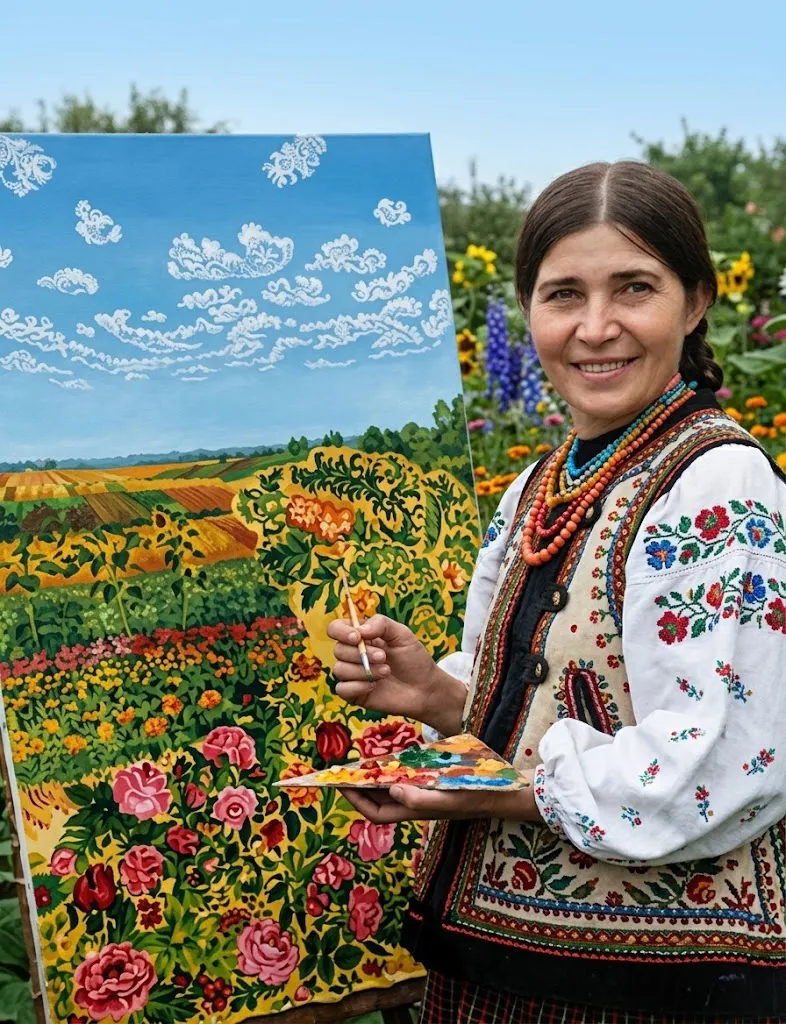
- Ceramic panels for the Turyst hotel in Kyiv (City on Seven Hills) and the Hradetskyi hotel in Chernihiv (Old Chernihiv)
- Ceramic reliefs of figures from Ukrainian history, myth and folklore, among them Cossack Mamai
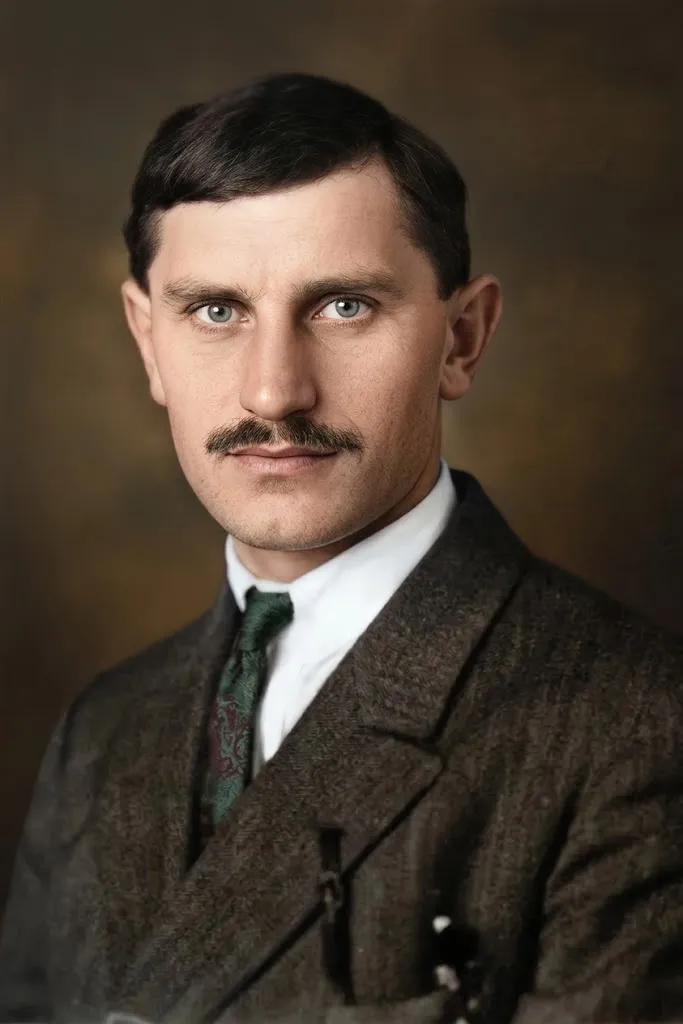
- Portraits of Alla Horska, Ivan Svitlychnyi, Nadiia Svitlychna and Mykhailo Braichevskyi
- Vasyl Stus Prize (1991), Metropolitan Andrei Sheptytskyi Prize (1994), Honoured Artist of Ukraine
A panel that was saved
In 2020 a large ceramic panel, Old Chernihiv, was taken down from the wall of the Hradetskyi hotel in Chernihiv. Activists rescued it, and it is now in the Chernihiv Art Museum. The same year a panel from the Turyst hotel in Kyiv was saved too. Both were made by Halyna Sevruk, an artist whose work was destroyed more than once.
From Samarkand to Kyiv
As a little girl, Halyna kept poring over a lavish Bible with engravings by Gustave Doré. Kyiv’s Jewish community had given it to her grandfather, the lawyer Dmytro Hryhorovych-Barskyi, for winning the Beilis case. Halyna Sevruk was born in 1929 in Samarkand, into an architect’s family. A year later the family returned to Ukraine, first to Kharkiv, and in 1944 moved to Kyiv. Halyna studied at an art school and graduated from the Kyiv Art Institute in 1959.
The club and the window
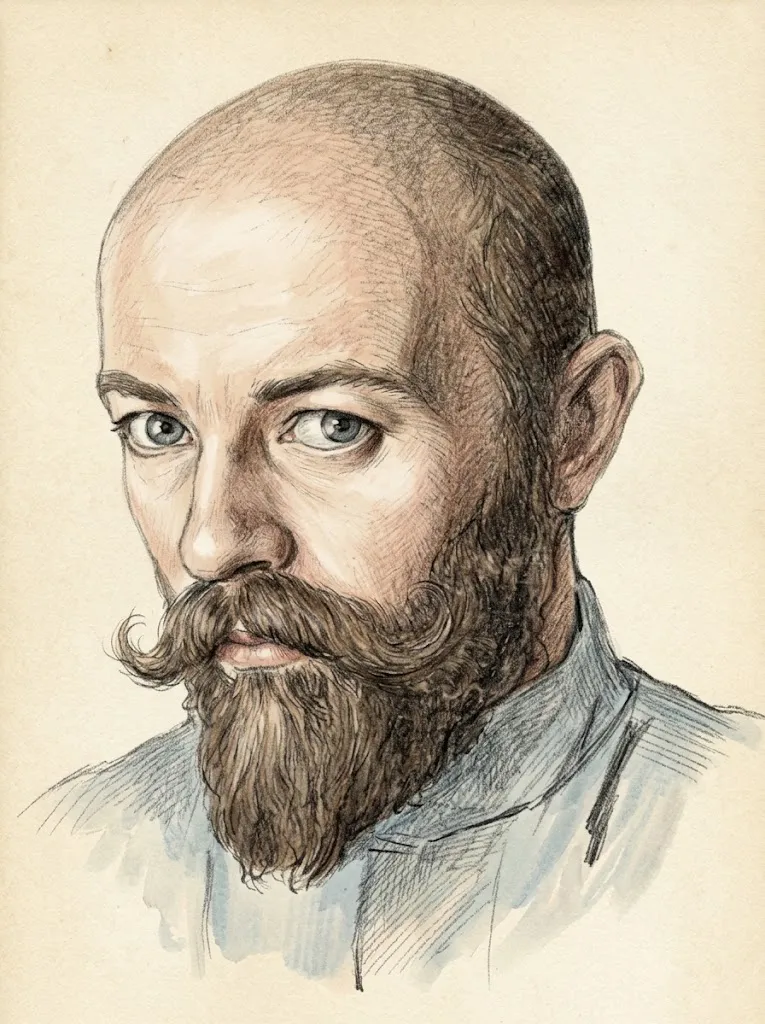
From 1960 to 1964 she took part in the Club of Creative Youth, where the young Sixtiers gathered under the KGB’s eye. In 1964 Sevruk, Alla Horska and Liudmyla Semykina worked on a stained-glass window for Kyiv University, Shevchenko. Mother, designed by Opanas Zalyvakha. It was destroyed on the authorities’ orders. In 1970 her five-metre Tree of Life went up near the university; in 1976 it was destroyed too.
A signature that cost her
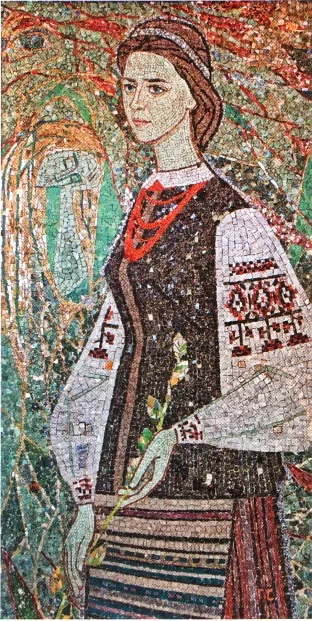
On 20 April 1966 Sevruk signed a letter to the Supreme Court of Soviet Ukraine demanding a review of Zalyvakha’s case, and in 1968 the “letter of 139” to the Soviet leaders, demanding an end to unlawful political trials. For such letters, and for refusing to repent, she was expelled from candidate membership of the Union of Artists, and only reinstated in 1989. In the early 1970s her workshop’s management banned Cossack subjects for her. She kept working all the same: reliefs of Slavic gods, of figures from Ukrainian history and folklore, of Cossack Mamai and old buildings. She also painted her friends: Alla Horska, Ivan Svitlychnyi, Nadiia Svitlychna.
From 1990 Sevruk ran a ceramics studio for children in Kyiv. Until then she had not been allowed to travel abroad; in 1991 she had a solo exhibition in Toronto. In all she made hundreds of ceramic plaques and 30 monumental works, though not all of them survive. She died on 13 February 2022, at 92.
Why it matters today
Halyna Sevruk turned ceramics into a chronicle: on her panels and reliefs old Kyiv and Chernihiv, Cossacks and the heroes of legend come alive. The authorities smashed her work and banned her subjects, yet she kept working and stayed close to her friends among the Sixtiers. That activists rescued her panels in 2020 shows such art is worth protecting. Anyone who stands up today for a mosaic or a panel in their own town carries on her work.