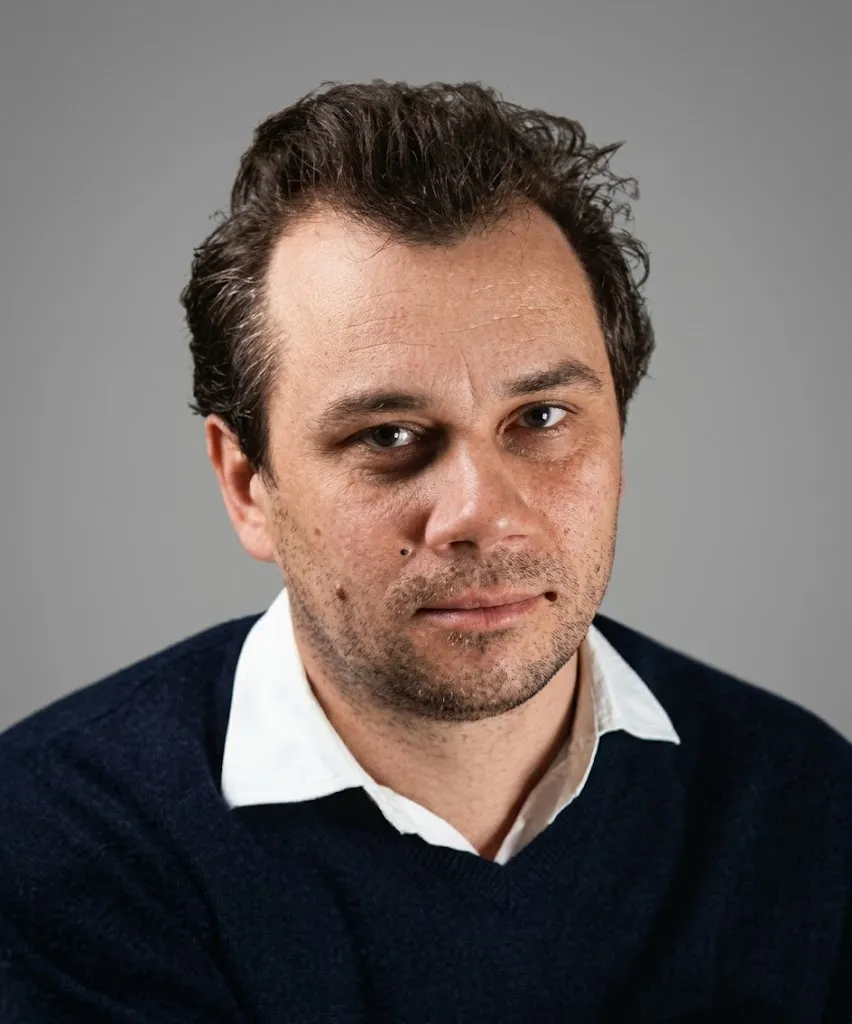
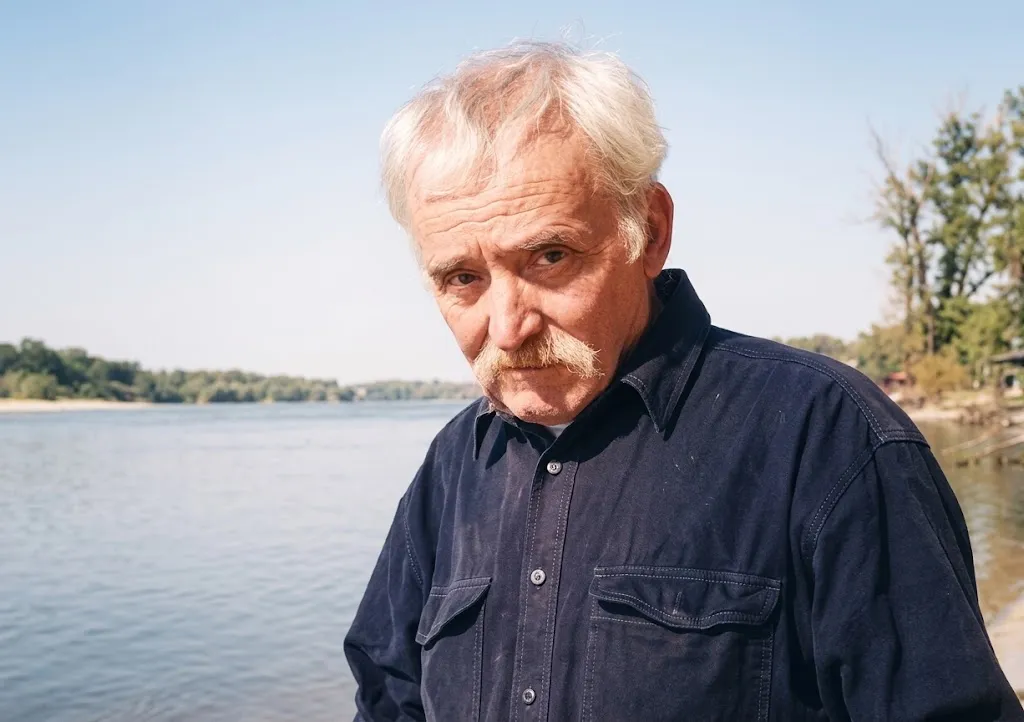
1905–1952
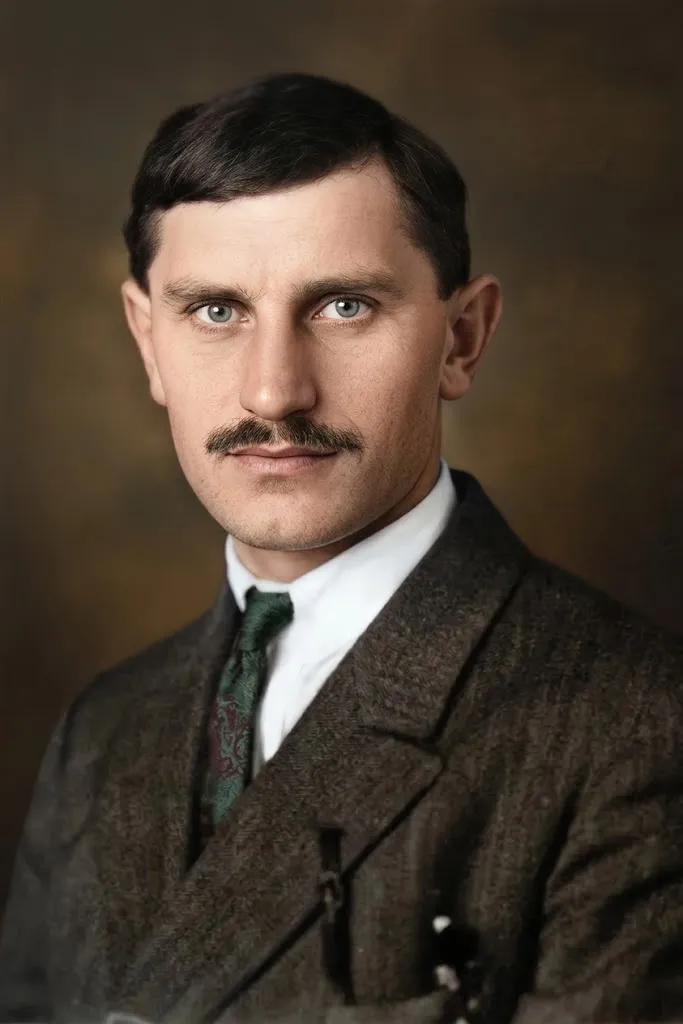
Nil Khasevych
Graphic artist of the UPA underground
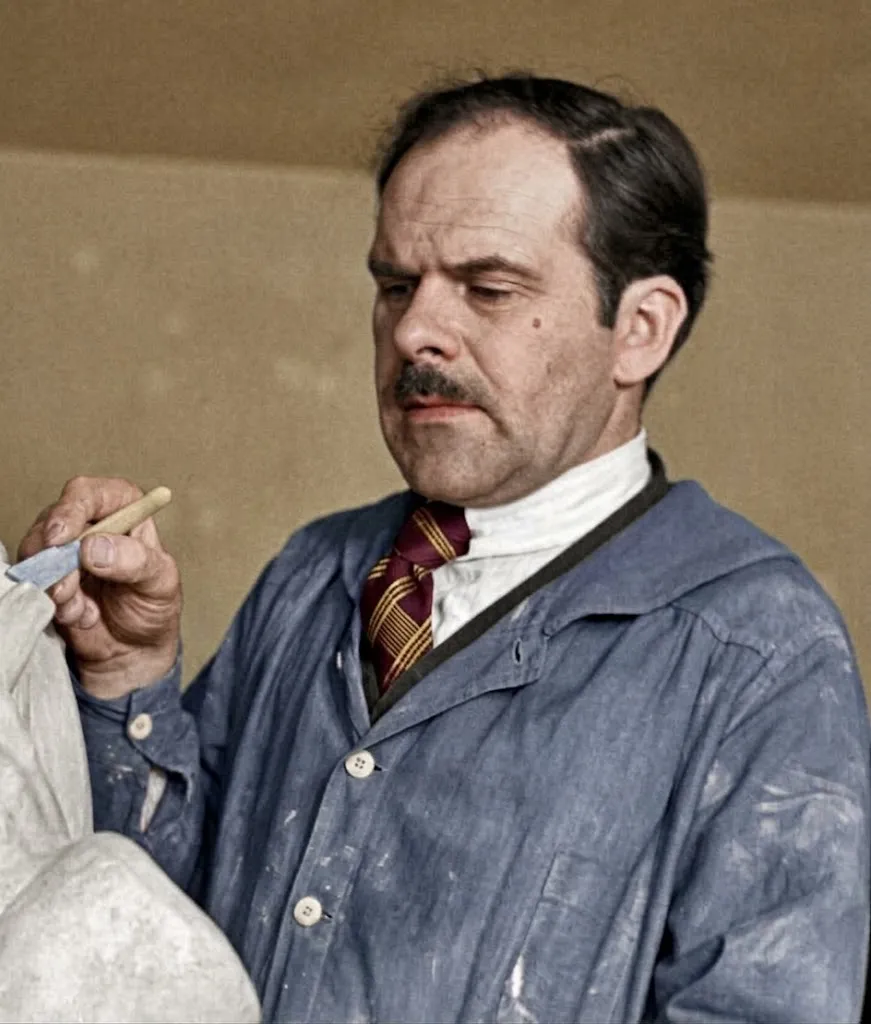
As a teenager he lost a leg and walked on a prosthesis he made himself. Nil Khasevych became a master of the woodcut, and in the insurgent underground he made more than 150 prints, the UPA's awards and its leaflets. He was killed in a Soviet MGB raid in the Rivne region in 1952.
Key accomplishments
- More than 150 woodcuts on insurgent themes, among them Freedom to Nations, Freedom to the Individual, To Arms! and We Stand Guard over Freedom
- Illustrated almost all OUN and UPA publications in north-western Ukraine; ran more than 20 underground printing shops
- Designed UPA decorations, bofons and seals; wrote a graphics textbook and founded a school of engravers in the underground
- A Vatican prize distinction for the painting Washing (1931); third prize at the international woodcut exhibition in Warsaw (1937)
- The albums Volhynia in Struggle and Graphic Art in the Bunkers of the UPA, published in the US (1950–1952)
A boy on a home-made leg
How do you become an artist after losing a leg as a teenager? Nil Khasevych was born on 25 November 1905 in the village of Diuksyn in Volhynia. As a teenager he was hit by a train and lost a leg, and he made his own prosthesis. But he kept studying: he passed the gymnasium exams in Rivne as an external student and went on to the Academy of Arts in Warsaw.
From a painting to woodcuts
In Warsaw Khasevych co-founded the Ukrainian art circle Spokii, and in 1935 he graduated from the academy’s graphics department. His work was shown from Lviv to Chicago. His painting Washing won a Vatican prize distinction (1931), and his portrait of Hetman Ivan Mazepa a diploma from the Warsaw academy (1932). In the late 1930s he took up the woodcut, and in 1937 he won a prize at an international woodcut exhibition in Warsaw. His talent is compared with that of Ivan Trush, Heorhii Narbut and Vasyl Krychevskyi.
A cutting tool instead of a rifle
Khasevych was a member of the OUN, and from 1943 he worked in the underground’s propaganda section for north-western Ukraine. He illustrated almost all OUN and UPA publications in the region, from the journal To Arms! to the satirical Horseradish. In the underground he made more than 150 woodcuts, among them Freedom to Nations, Freedom to the Individual and We Stand Guard over Freedom. Khasevych ran more than twenty underground printing shops, wrote a textbook on graphic art and trained young engravers. He designed the UPA’s decorations, seals and bofons (receipts for donations to the underground). In 1948 he was elected to the Ukrainian Supreme Liberation Council, the underground parliament.
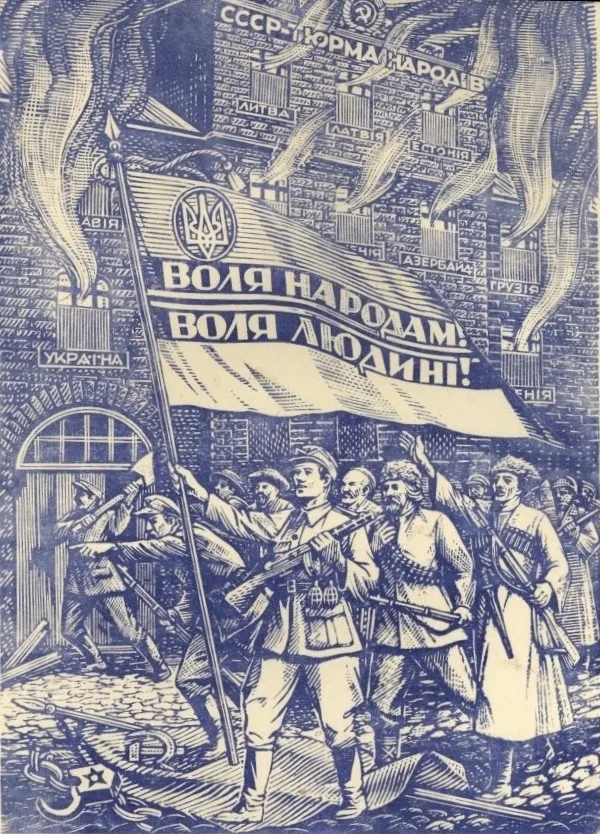
Prints the world got to see
His woodcuts were smuggled abroad. In the US they were published in the albums Volhynia in Struggle and Graphic Art in the Bunkers of the UPA (1950–1952). According to a widely told account, the prints also reached delegates to the UN General Assembly at the very time the USSR claimed the insurgent movement was over.
The raid near Sukhivtsi
On 4 March 1952 an operational group of the Soviet Ministry of State Security (MGB) surrounded the hideout near the village of Sukhivtsi in the Rivne region where Khasevych was living. He was killed together with his guards. By one account, they burned their documents and shot themselves; by another, they were killed by grenades thrown into the hideout. Nil Khasevych was 46. His burial place is unknown.
Debates and assessments
In Ukraine Khasevych is honoured as an artist of the liberation movement: streets in Lviv, Lutsk, Rivne and other cities bear his name, and there are memorials in Sukhivtsi and Rivne. Soviet books accused him of taking part in the underground’s executions as a “judge”, but offered none of his drawings or any other evidence; his former secretary said the KGB pressured him to testify against the artist. Assessments of the OUN and UPA, for which he worked, differ from country to country. In 2016 the Polish Sejm declared the events in Volhynia in 1943–1945 a genocide of Poles committed by Ukrainian nationalists; Ukrainian experts and politicians warned that such wording would harm relations between the two countries.
Why it matters today
Nil Khasevych showed that art can be a weapon: without ever carrying a rifle, he gave the underground its symbols, its decorations and its voice. His prints told the world that Ukrainians had not given in, even when the USSR said otherwise. His life is a reminder that freedom needs not only fighters but artists who show what it looks like. Anyone who designs posters, stamps or patches for Ukraine’s defenders today carries on his work.