1844–1930
Ilya Repin
Painter of the Zaporozhian Cossacks
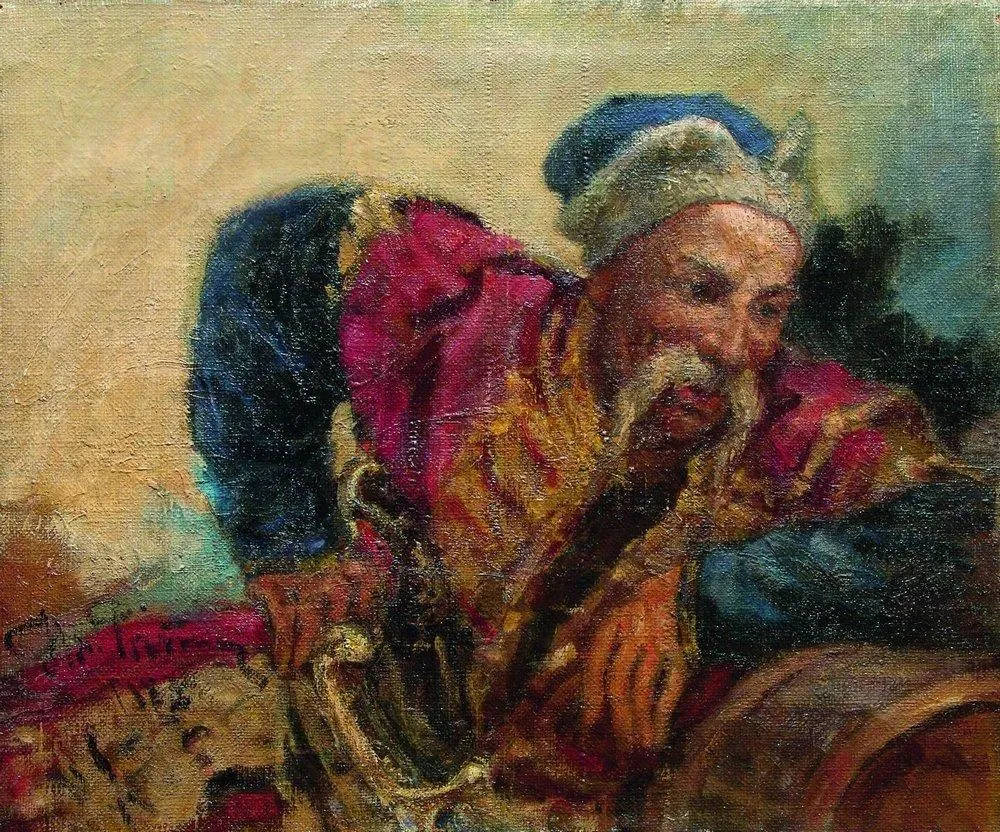
Everyone recognizes the Cossacks writing their letter to the Ottoman sultan. Ilya Repin, born in Chuhuiv in Sloboda Ukraine, spent 11 years on that painting. He was long called a Russian painter; in 2023 the Met relabeled him Ukrainian.
Key accomplishments
- The painting Reply of the Zaporozhian Cossacks (1880–1891)
- Barge Haulers on the Volga (1873), Evening Party (1881), Haidamakas, Black Sea Freebooters (1908) and other paintings
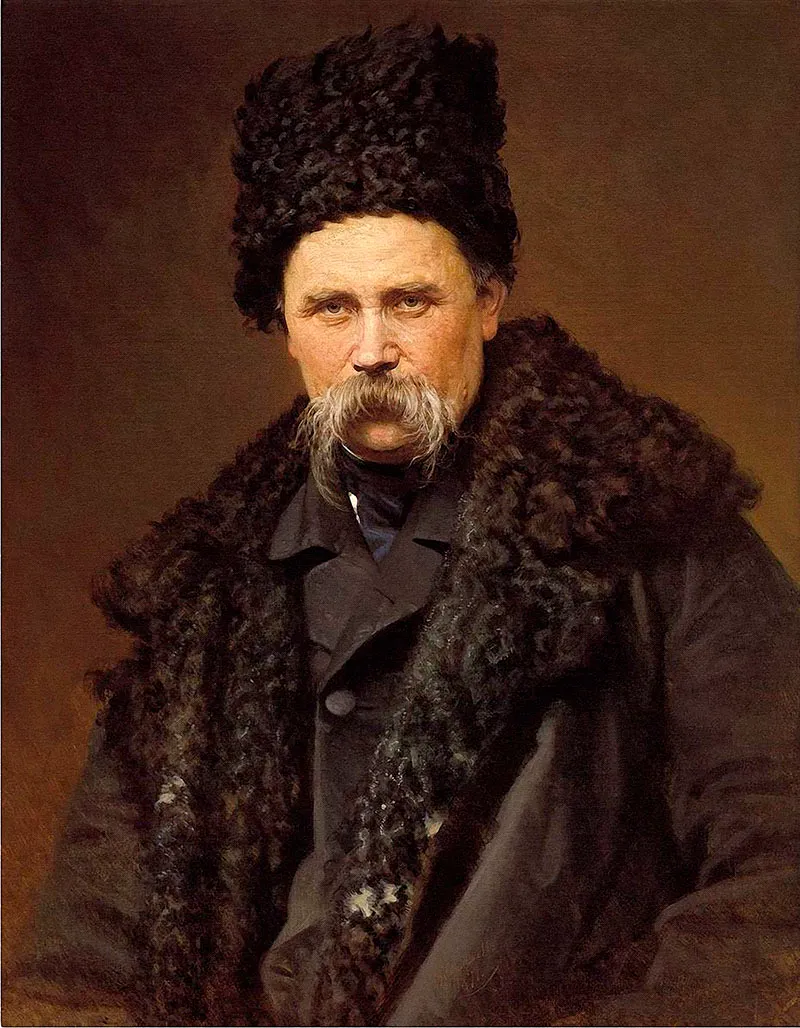
- Portraits of Taras Shevchenko (1888), Mykola Kostomarov, Arkhyp Kuindzhi, Dmytro Bahalii, Leo Tolstoy and Modest Mussorgsky
- Professor (1894–1907) and rector (1898–1899) of the St Petersburg Academy of Arts; teacher of Mykola Pymonenko, Oleksandr Murashko and Fotii Krasytskyi
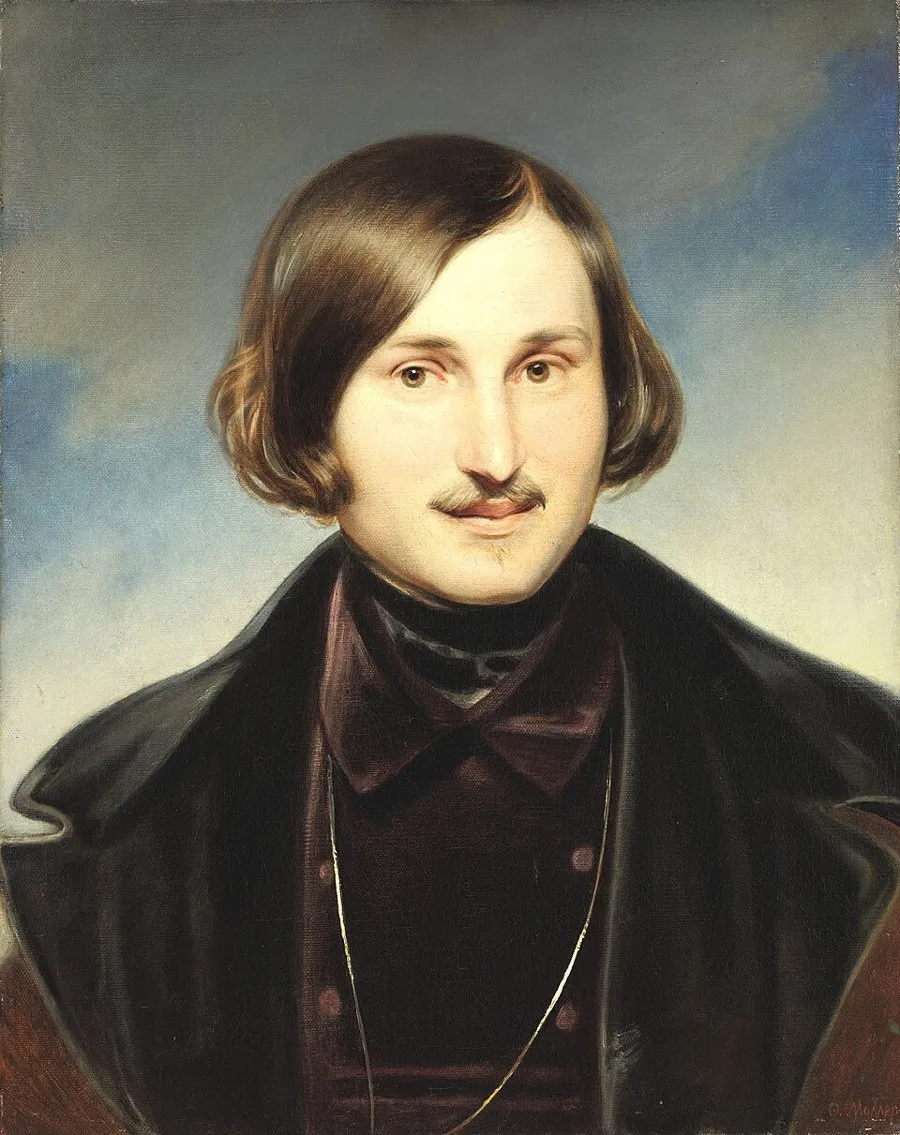
- Illustrations for Nikolai Gogol’s Taras Bulba (1872) and for Dmytro Yavornytskyi’s book on the Zaporozhian Cossacks (1888)
One letter, eleven years of work
Ilya Repin worked on Reply of the Zaporozhian Cossacks from 1880 to 1891, travelling around Ukraine to gather material. The canvas shows the legend of the cheeky answer that the Zaporozhian Cossacks, led by their otaman Ivan Sirko, sent to the sultan.
A boy from a regimental town
Repin was born in 1844 in Chuhuiv in the Kharkiv region, into the family of a military settler. He learned to draw right there, in the regiment’s topographic corps and at an icon-painting school. In 1863 he went to St Petersburg, studied under Ivan Kramskoi and then at the Academy of Arts, where he later became a professor and even rector. His students included the Ukrainian painters Mykola Pymonenko, Oleksandr Murashko and Fotii Krasytskyi.
The whole world knows his Barge Haulers on the Volga (1873) and his portraits of Leo Tolstoy and Modest Mussorgsky. But Ukraine was one of his main themes too: Evening Party, Haidamakas, Hopak, a portrait of Taras Shevchenko (1888) and illustrations for Nikolai Gogol’s Taras Bulba.
From 1900 Repin lived at his Penaty estate in Kuokkala near St Petersburg, which later found itself in Finland. He last visited Chuhuiv in 1915. He died in 1930 and was buried on his estate, which has been a museum since 1940.
Debates and assessments
Most encyclopedias and museums around the world have traditionally called Repin a Russian painter: he lived and worked mainly in St Petersburg, and many of his best-known canvases are about Russian life. The Encyclopedia of the History of Ukraine calls him a Ukrainian painter; the Encyclopedia of Ukraine notes that some of his works show his attachment to Ukraine.
In early 2023 the Metropolitan Museum of Art in New York changed his description to “Ukrainian, born Russian Empire”. Supporters of the change, such as the journalist and historian Oksana Semenik, point to Repin’s Ukrainian landscapes and subjects. Critics, such as Vartan Matiossian writing in Hyperallergic, argue that reclassifying 19th-century artists this way replaces one oversimplification with another.
Why it matters today
Repin’s Zaporozhian Cossacks has become one of the best-known images of the Zaporozhian Cossacks. Chuhuiv has a museum of the painter, and monuments to him stand in Chuhuiv and Kyiv.