1939–2026
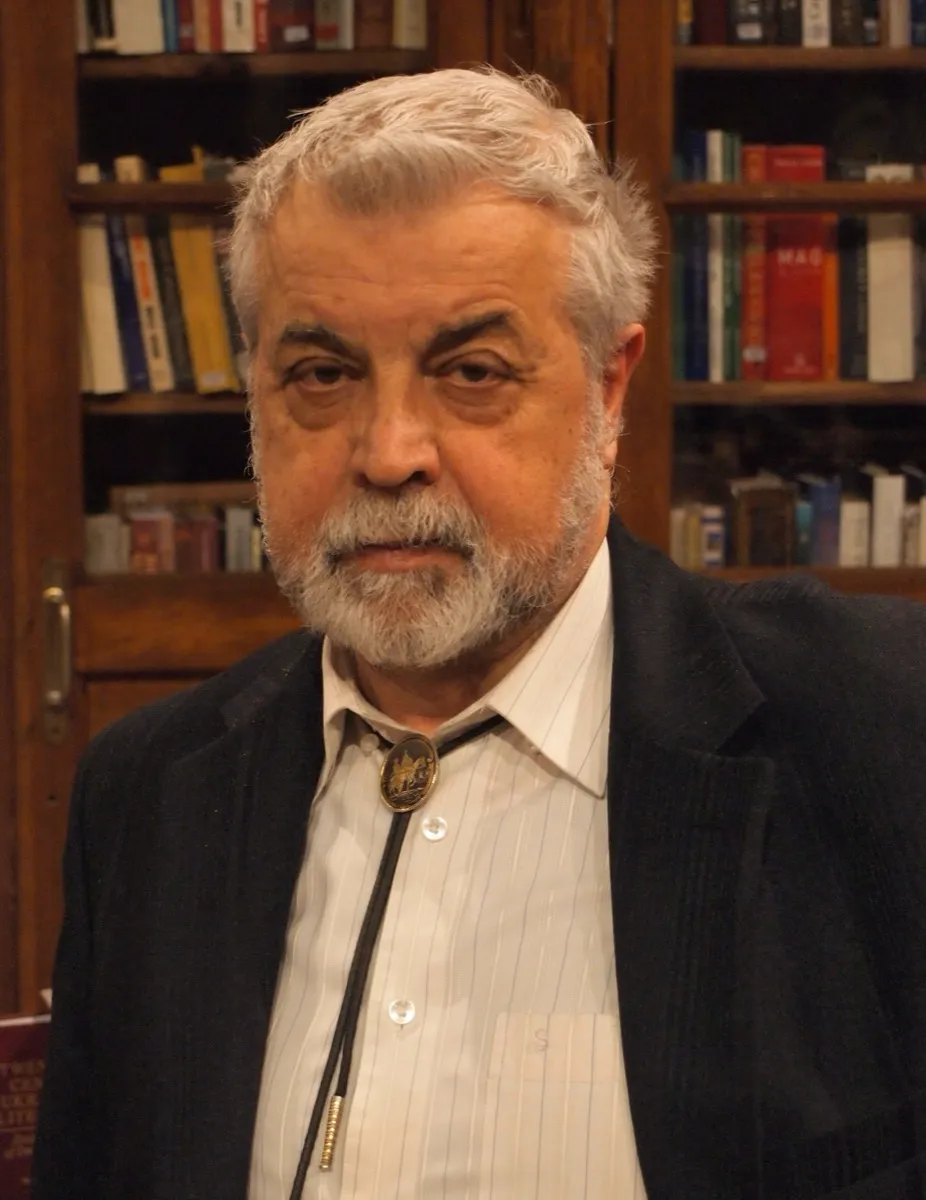
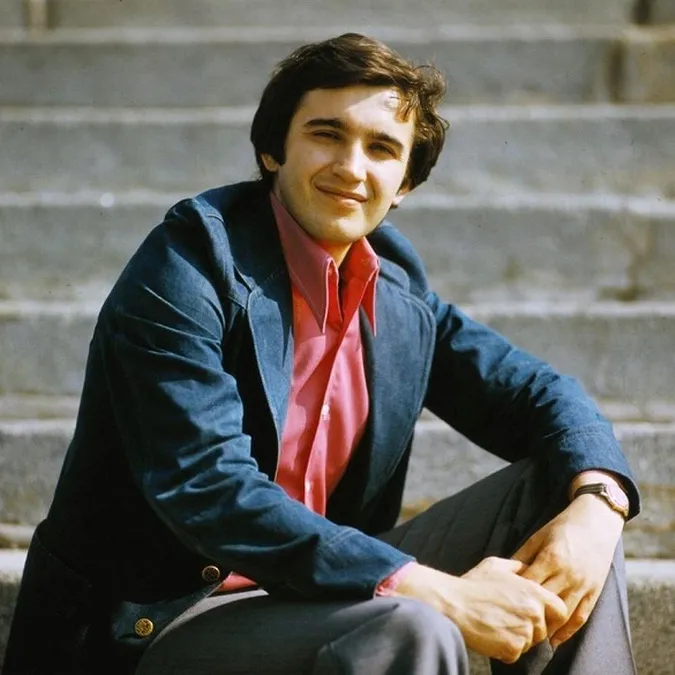
Fedir Stryhun
Actor and Zankovetska Theatre director
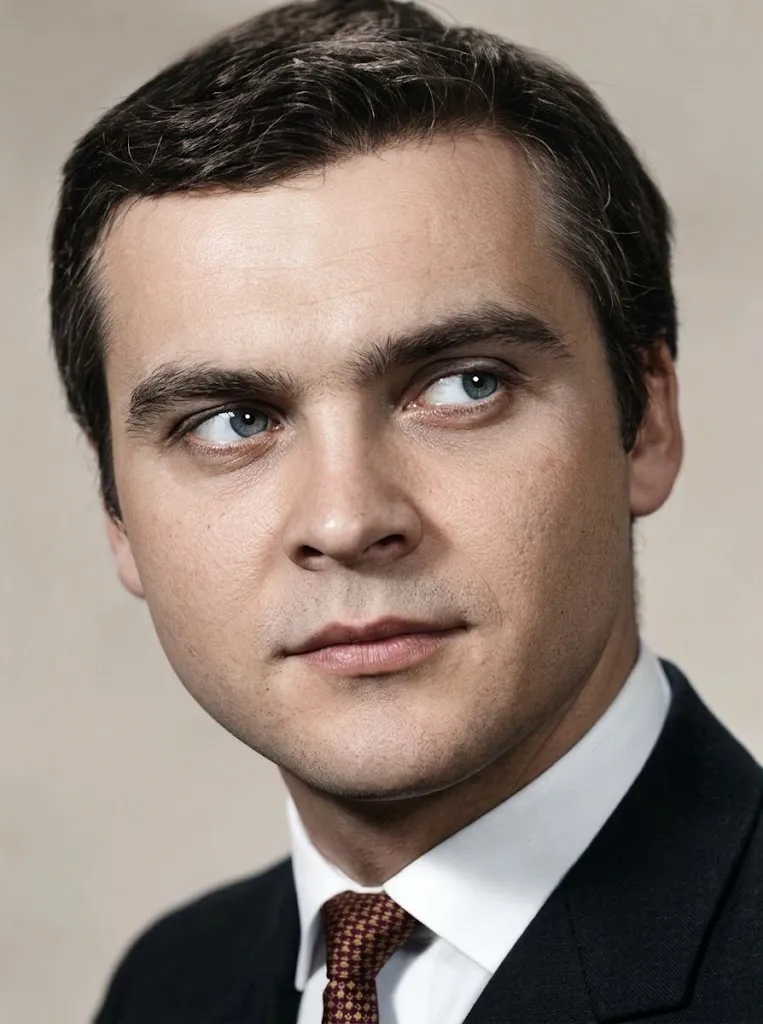
“Don’t go to the Russian stage,” a teacher told the student Fedir Stryhun. He listened: he played the Cossack Andrii in The Lost Letter, more than a hundred roles on the Lviv stage, and led the Maria Zankovetska Theatre for over 30 years.
Key accomplishments
- The Cossack Andrii in the film The Lost Letter (1972); also Annychka, Dudaryky, Stone Soul and The Guide
- More than a hundred stage roles, among them Don Juan, Richard III, Othello, Bohdan Khmelnytskyi and Mykola Sadovskyi
- Shevchenko Prize (1978), shared with Serhii Danchenko and others, for the production The Rear at the Zankovetska Theatre in Lviv
- Ivan Kotliarevskyi Prize (1994) and Mykola Sadovskyi Prize (1996)
- People’s Artist of the Ukrainian SSR (1979); member of the National Academy of Arts of Ukraine (2001)
- Artistic director (1987–2018) and chief director (2018–2019) of the Maria Zankovetska Theatre
- Head of the Lviv interregional branch of the National Union of Theatre Workers of Ukraine; professor and head of the Department of Directing at Ivan Franko National University of Lviv
- Productions of The Haidamaks after Shevchenko, Lina Kostenko’s Marusia Churai, the Mazepa trilogy after Bohdan Lepkyi, and Hamlet; Yaroslav Barnych’s operettas
- Order of Merit, 3rd, 2nd and 1st class (1st class 2006); Order of Prince Yaroslav the Wise, 5th and 4th class (4th class 2014)
The advice that led him to Lviv
“Fedinko, don’t do anything foolish, don’t go to the Russian stage, you have the nature of a Ukrainian actor.” That, as Fedir Stryhun remembered it, is what his teacher Volodymyr Nelli told him. The fourth-year student at the Karpenko-Karyi Theatre Institute in Kyiv had been invited to join the Lesya Ukrainka Theatre, a russian-language theatre in the capital. He turned it down.
Stryhun was born in 1939 in the village of Tomashivka, in the Cherkasy region. He graduated in 1961 and first acted at the drama theatre in Zaporizhzhia. In 1965 he and his wife, the actress Taisiia Lytvynenko, moved to Lviv and joined the Maria Zankovetska Theatre. He later recalled the first time he heard a Lviv tram announce its stops in Ukrainian: “I even thought it was a joke.”
The Cossack Andrii
In 1968, on the set of Annychka, Stryhun met Ivan Mykolaichuk, and the two became close friends. For one scene in that film Stryhun swam across the icy Cheremosh river, and on the far bank his character was shot, as the story required. When the director Borys Ivchenko took on The Lost Letter, after Gogol, Mykolaichuk was not being allowed to film, Stryhun said, so Ivchenko made it a condition: no Mykolaichuk, no film. Together they asked Stryhun to play Andrii, the companion of the Cossack Vasyl.
The film came out in 1972, and to this day it is the role audiences know him best for.
From Othello to Sadovskyi
On the Lviv stage Stryhun played more than a hundred roles: Don Juan in The Stone Host, Richard III and Othello, Bohdan Khmelnytskyi, Metropolitan Andrei Sheptytskyi. In a play about Maria Zankovetska, whose name the theatre bears, he played her contemporary Mykola Sadovskyi, and later he himself won prizes named after Sadovskyi and Ivan Kotliarevskyi. In 1978 he and his colleagues won the Shevchenko Prize for the production The Rear, and the next year he was named People’s Artist.
The theatre’s great years in the late 1960s and the 1970s are linked to a handful of actors, Stryhun and Bohdan Stupka among them.
Thirty years at the helm
In 1987 Stryhun became the theatre’s artistic director and stayed in the post until 2018, then spent another year as its chief director. He staged mostly Ukrainian classics: The Haidamaks after Taras Shevchenko, Lina Kostenko’s Marusia Churai, and Karpenko-Karyi’s The Ill-Fated and The Master. In the first years of independence he staged the Mazepa trilogy, from Bohdan Lepkyi’s novels about Hetman Ivan Mazepa, and later Romeo and Juliet and Hamlet.
He brought back the operettas of the forgotten composer Yaroslav Barnych, Sharika and Hutsulka Ksenia, and trained two classes of actors at the Lviv Conservatory. He was a professor and head of the Department of Directing at Ivan Franko National University of Lviv, and he led the Lviv branch of the National Union of Theatre Workers of Ukraine. Under his leadership the theatre was granted national status.
Fedir Stryhun died in Lviv on 23 October 2026.
Why it matters today
Fedir Stryhun made a choice that was far from obvious at the time: Ukrainian theatre instead of the russian stage in the capital. He built his whole life on it, with roles that generations of audiences remember and more than three decades in which, under his leadership, Ukrainian classics filled the stage of the Maria Zankovetska Theatre. His Andrii from The Lost Letter still shows that Ukrainian cinema can be funny and full of life. And his path is a reminder that the language you choose for your work can shape the culture of a whole country.