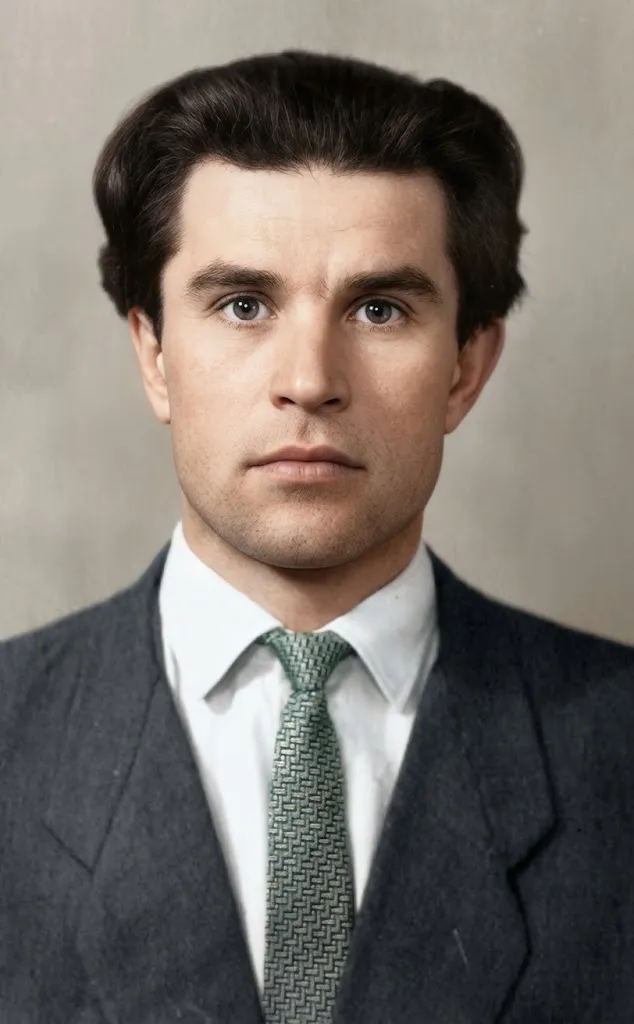
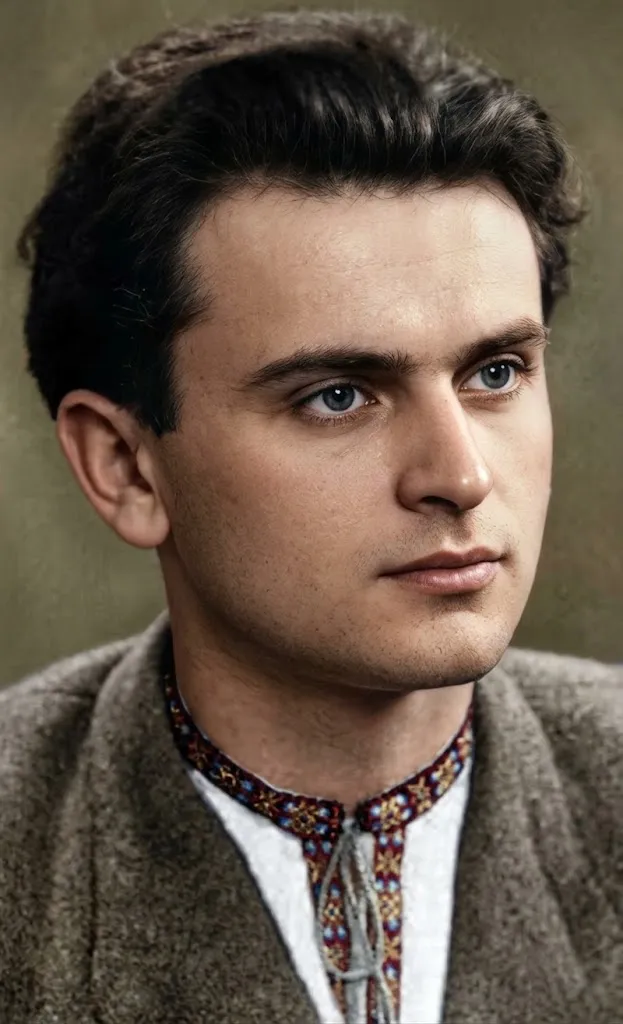
1936–2004
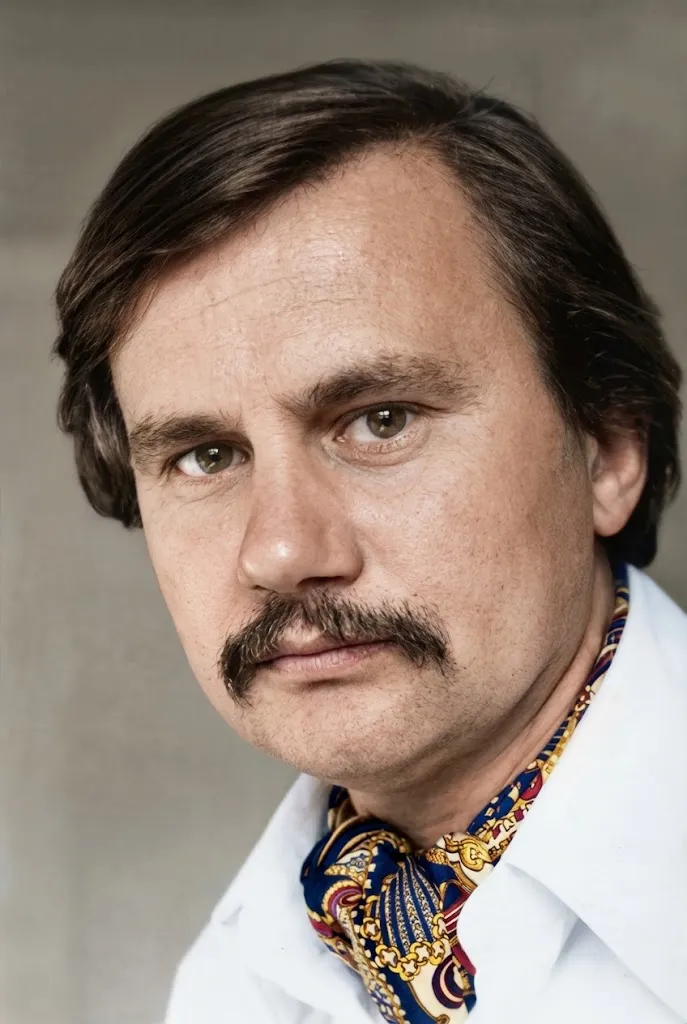
Mykola Vinhranovskyi
Sixtiers poet, Dovzhenko’s student
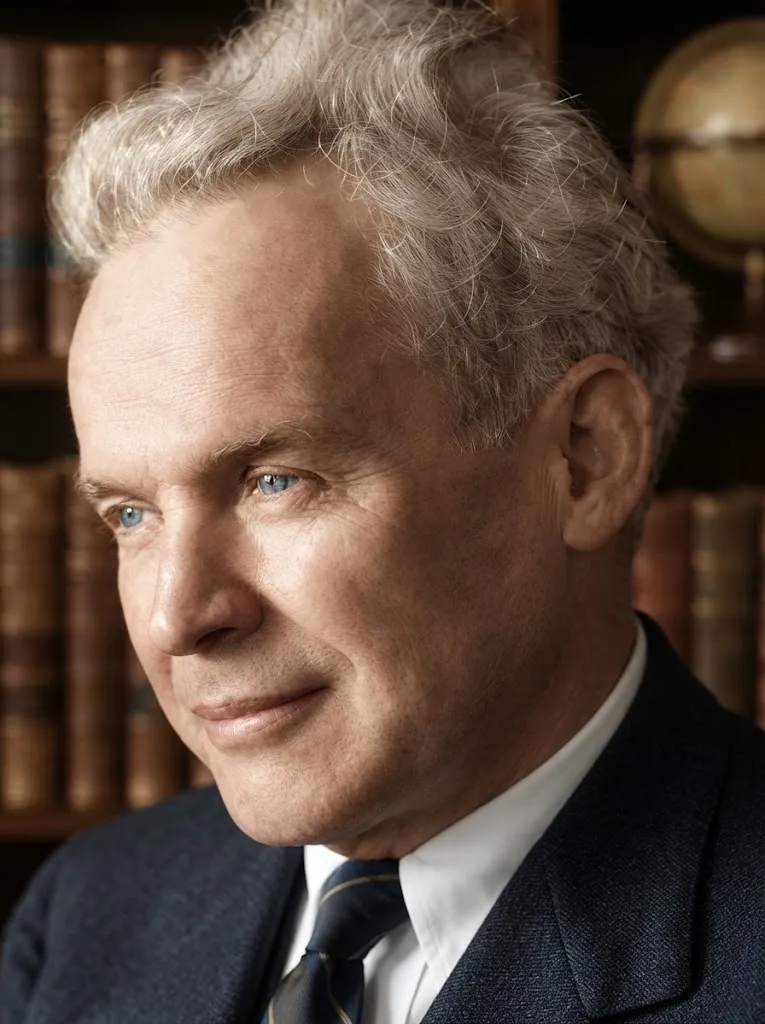
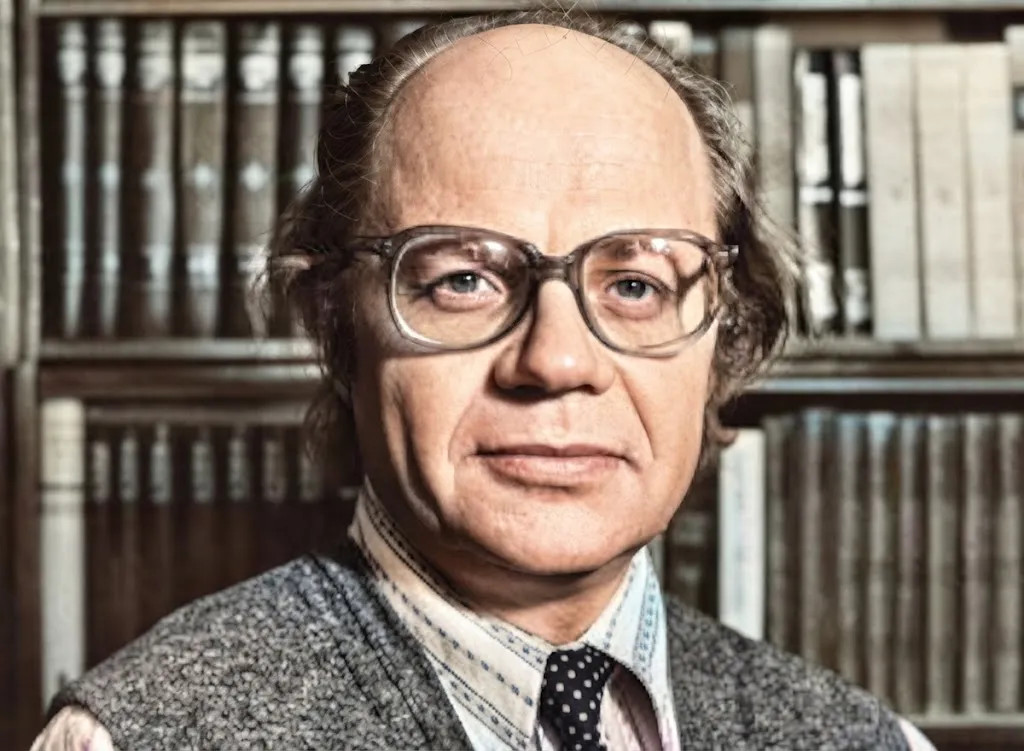
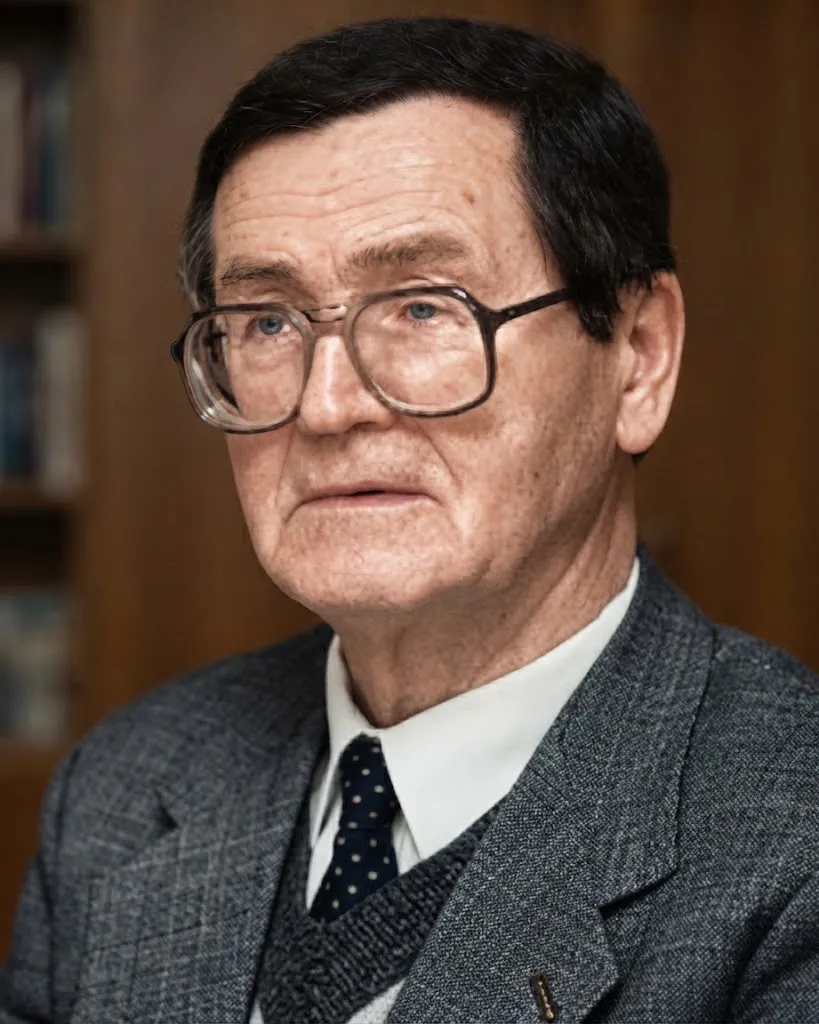
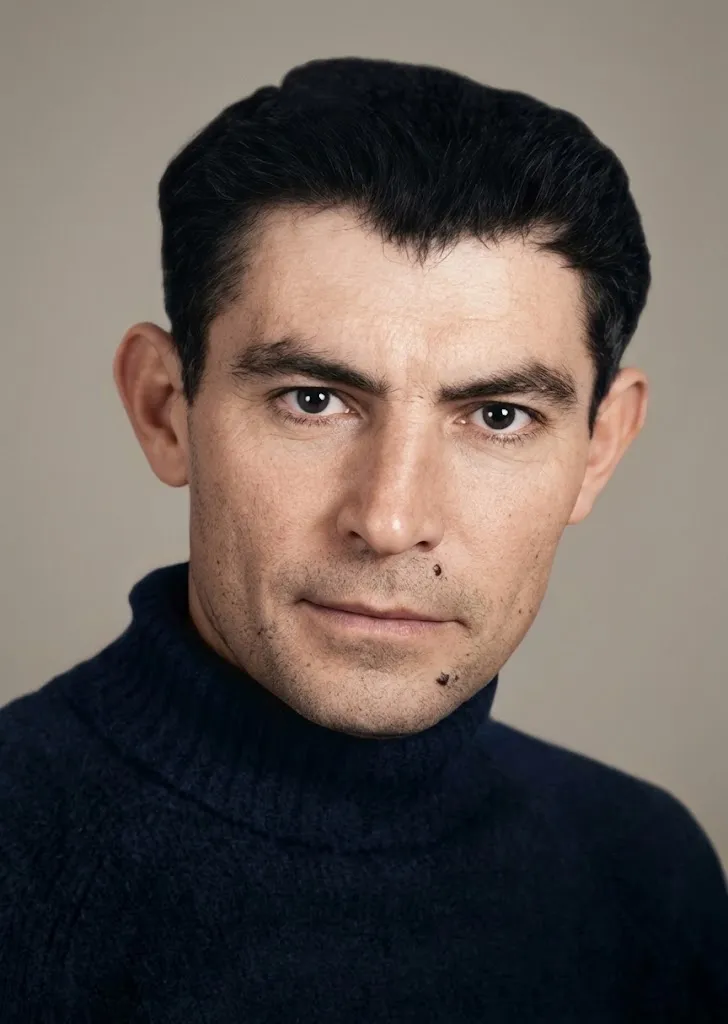
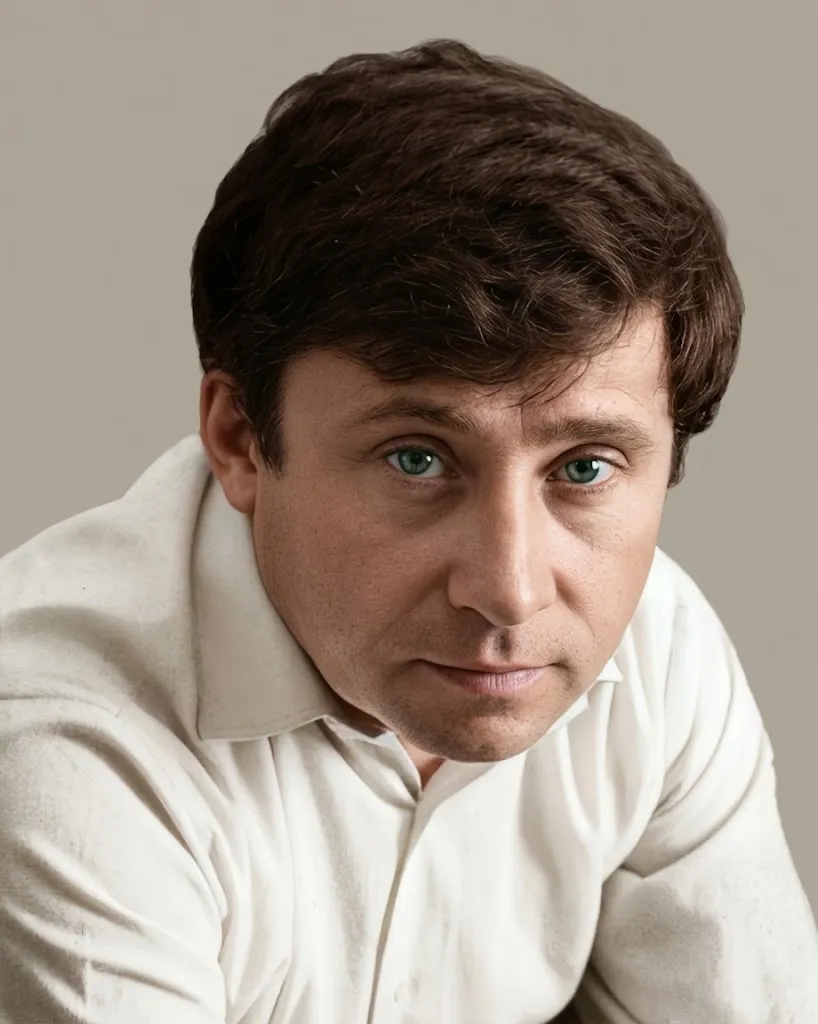
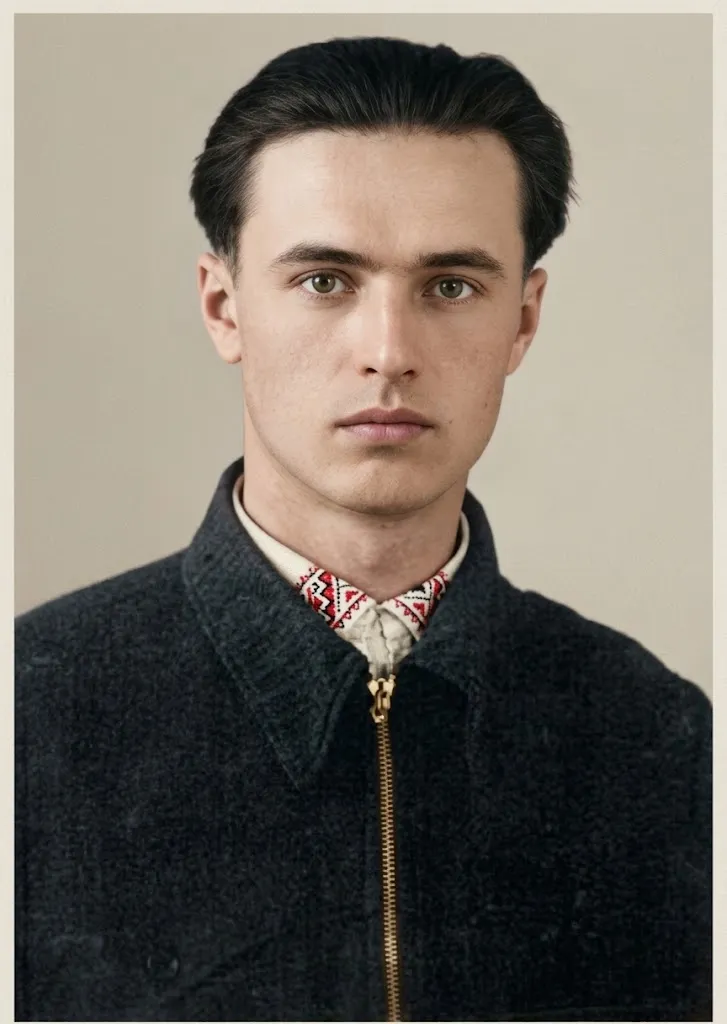
Oleksandr Dovzhenko took a young student from Kyiv to Moscow and cast him as the lead in his film. Mykola Vinhranovskyi became a film actor and director, one of the leading poets of the Sixtiers, and won the Shevchenko Prize for his books for children.
Key accomplishments
- Lead role in Oleksandr Dovzhenko’s The Tale of Flaming Years, directed by Yuliia Solntseva (1961)
- First collection Atomic Preludes (1962), then A Hundred Poems (1967) and On the Silver Shore (1978)
- The story Siromanets (1977) and books of poems for children; Taras Shevchenko State Prize of Ukraine (1984)
- Feature films The Shore of Hope, Duma about Brytanka and Klymko, and documentaries about Ukraine’s historic capitals
- The novel Severyn Nalyvaiko (1992, published 1996) and the essays Fourteen Capitals of Ukraine (1996)
- Antonovych Foundation Prize (1993) and Vernadskyi Prize (2002)
A year with Dovzhenko
As a boy in the steppe town of Bohopil, in the Mykolaiv region, he loved making up stories. At about 11 or 12 he lost the index finger of his right hand, caught in a machine that was grinding grain. Later he told his friends he had chopped it off with an axe to get out of school. In 1955 the young man enrolled at the theatre institute in Kyiv to train as an actor. Then Oleksandr Dovzhenko noticed him. The director had been allowed to take on his own class at the film institute in Moscow. He asked the young man to read something, and he read “Honta in Uman”, a chapter of Shevchenko’s Haidamaky. Then Dovzhenko said he was taking him to Moscow. The director also noticed that the boy wore flat slip-on shoes with no heels, and Dovzhenko’s sister gave him 50 karbovantsi for new ones. They had only a year together: Dovzhenko died in 1956. According to people who knew him, through all five years in Moscow Vinhranovskyi spoke Ukrainian, and even answered in Ukrainian at lectures. And played the lead, the soldier Ivan Orliuk, in The Tale of Flaming Years, a film of Dovzhenko’s that Yuliia Solntseva completed. The role won him a gold medal at a film festival in Los Angeles. He later wrote a memoir of his teacher, A Year with Dovzhenko.
The formalist who wouldn’t repent
In 1961 Vinhranovskyi came back to Kyiv famous: the film was in cinemas, and Literaturna Hazeta printed a selection of his poems. His first collection, Atomic Preludes, followed the next year. His unpublished poems circulated in samvydav (samizdat), and the poet Maksym Rylskyi, writing about the debuts of young poets including Ivan Drach, called Vinhranovskyi the most national of them.
Khrushchev launched a campaign against “formalists”, and Vinhranovskyi was accused of formalism at a republican meeting of the creative intelligentsia in the Verkhovna Rada. He was expected to repent. Instead he asked Mykola Pidhornyi, then head of the Communist Party of Ukraine, not to interrupt him, and read in reply a poem he had written back in 1960. Later Vinhranovskyi did not become a dissident like Vasyl Stus, nor fall into disgrace like Lina Kostenko: he stepped back from public life and went on writing and making films.
Films, children’s books and Nalyvaiko
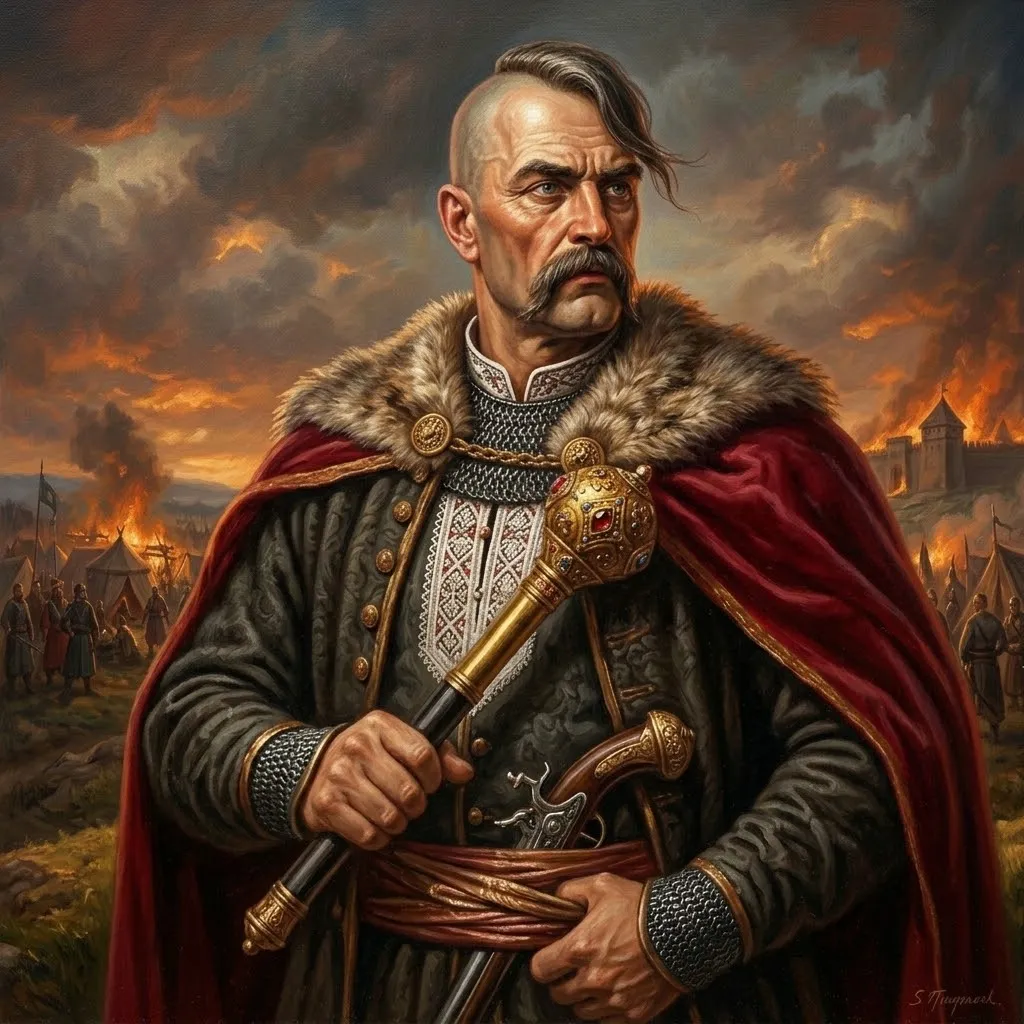
Vinhranovskyi directed the feature films The Shore of Hope, Duma about Brytanka and Klymko, and in the 1990s documentaries about Chyhyryn, Baturyn and Halych. He wrote poems and stories for children, among them Siromanets (1977), and in 1984 his work for children won the Shevchenko Prize. He considered the historical novel Severyn Nalyvaiko his finest work: he finished it in 1992, and it came out in 1996 with a preface by Ivan Dziuba. The same year saw his essays on history, Fourteen Capitals of Ukraine. He also won the Antonovych Foundation Prize (1993) and the Vernadskyi Prize (2002). From 1989 to 1993 he headed Ukrainian PEN. He died in Kyiv on 26 May 2004.
Why it matters today
Vinhranovskyi showed that even under pressure you can stay yourself and simply get on with your work. When he was expected to repent of “formalism”, he did not; he answered with a poem: “If my people are counted formally, / Then I am truly a true formalist!” A student of Oleksandr Dovzhenko, he carried the Ukrainian word into both poetry and film, and his documentaries gave Chyhyryn, Baturyn and Halych back to viewers. His books for children, such as Siromanets, open Ukrainian poetry to its youngest readers.