b. 1936
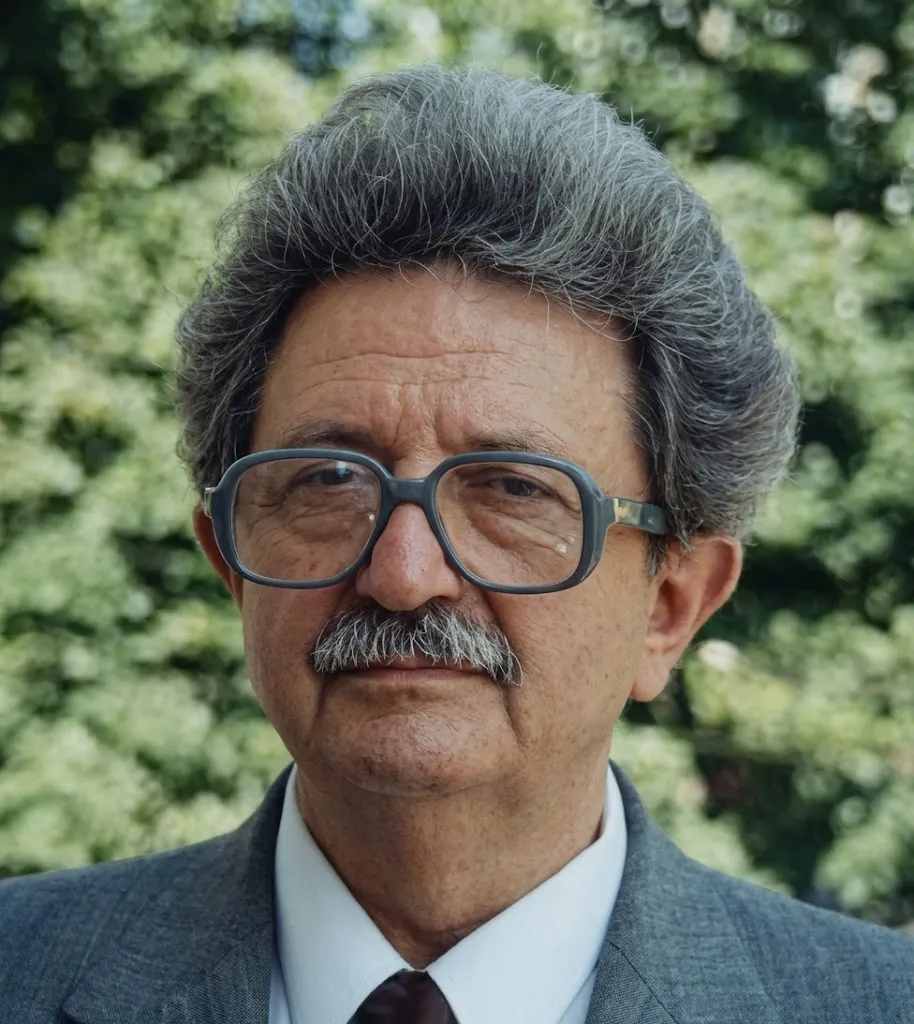
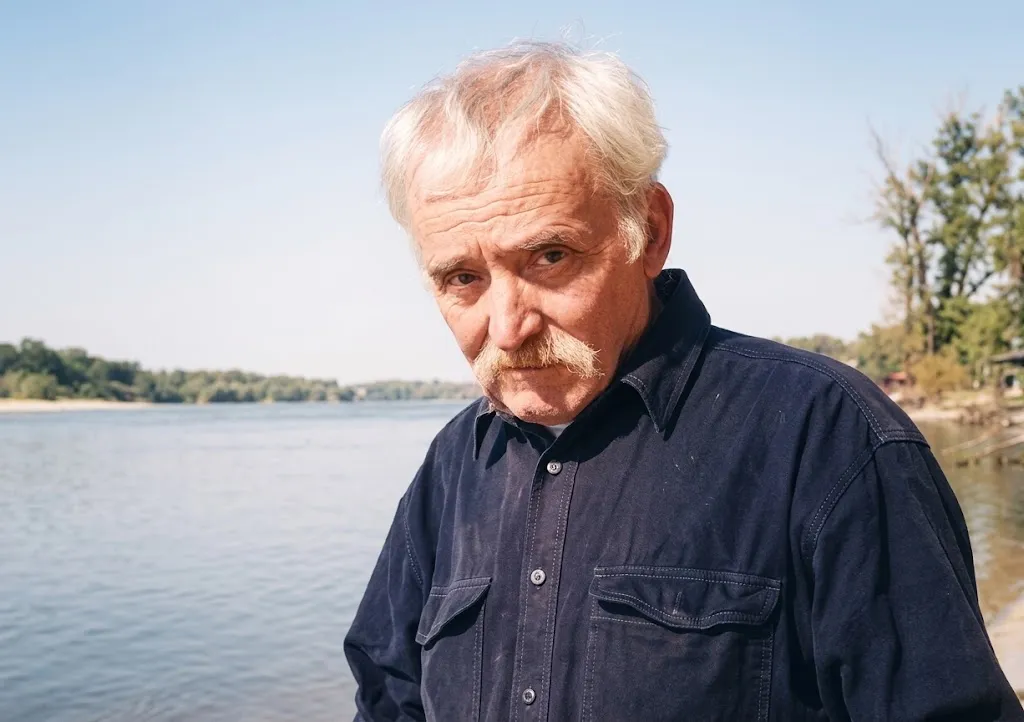
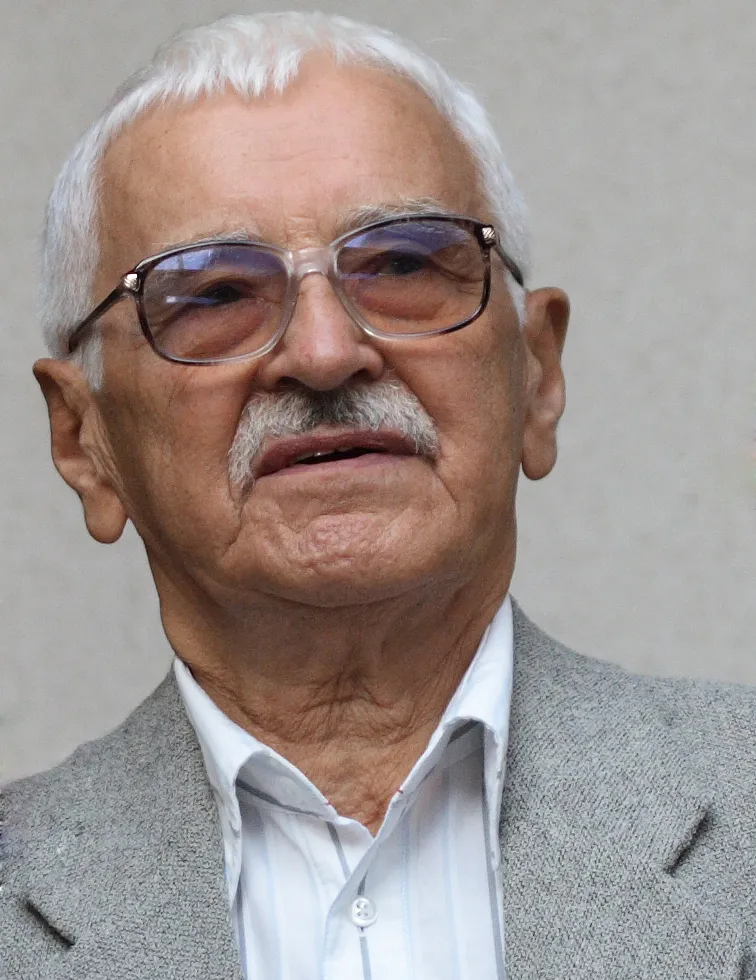
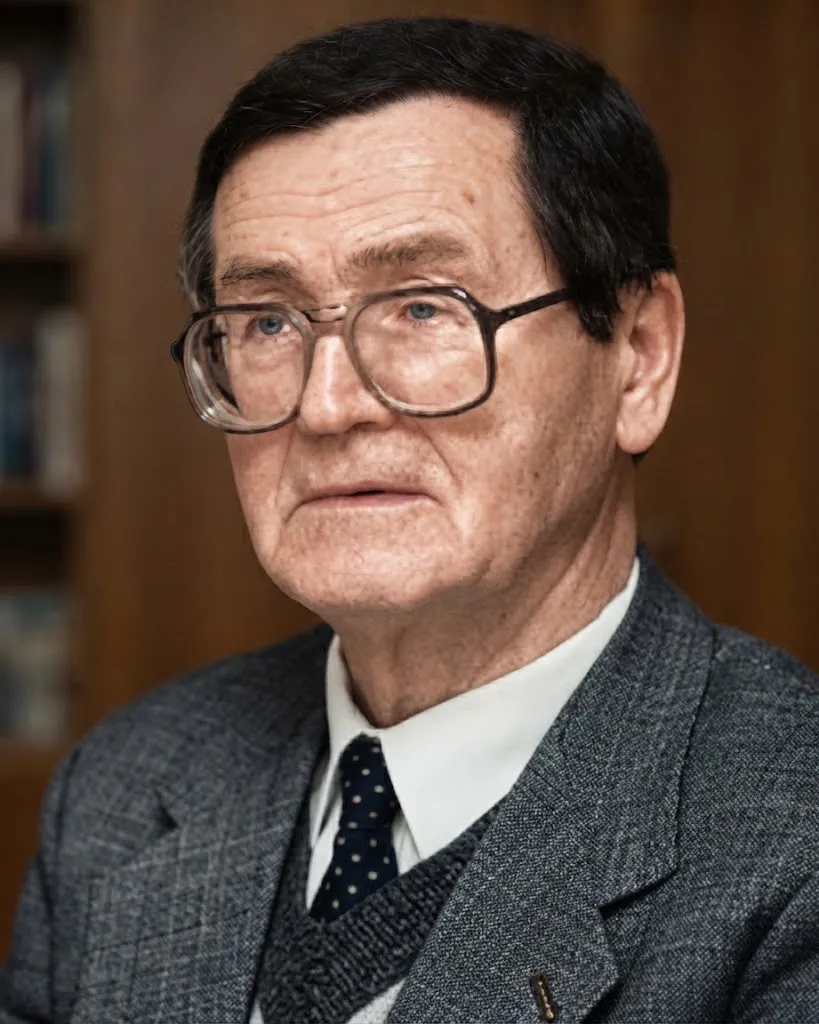
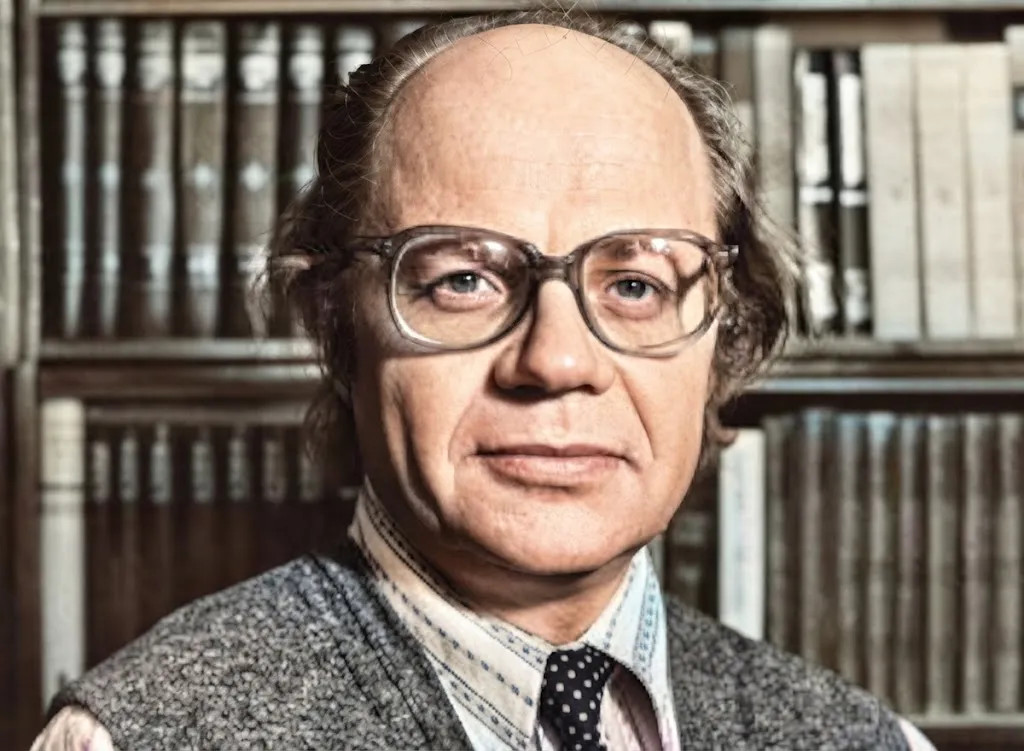
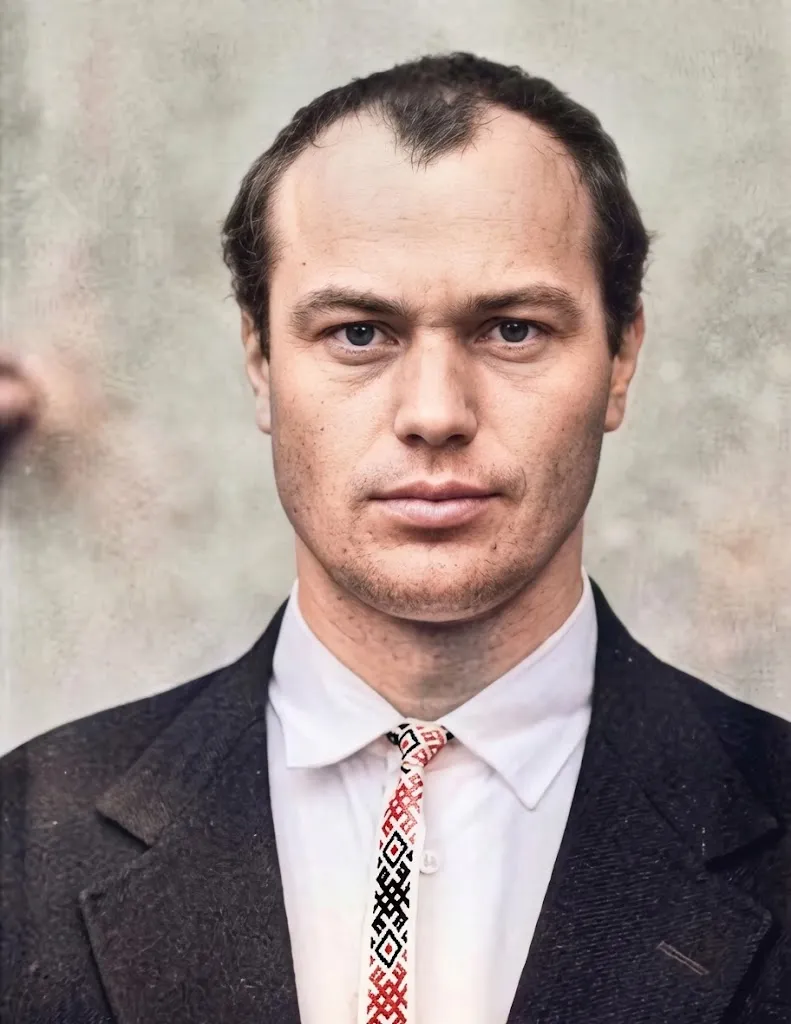
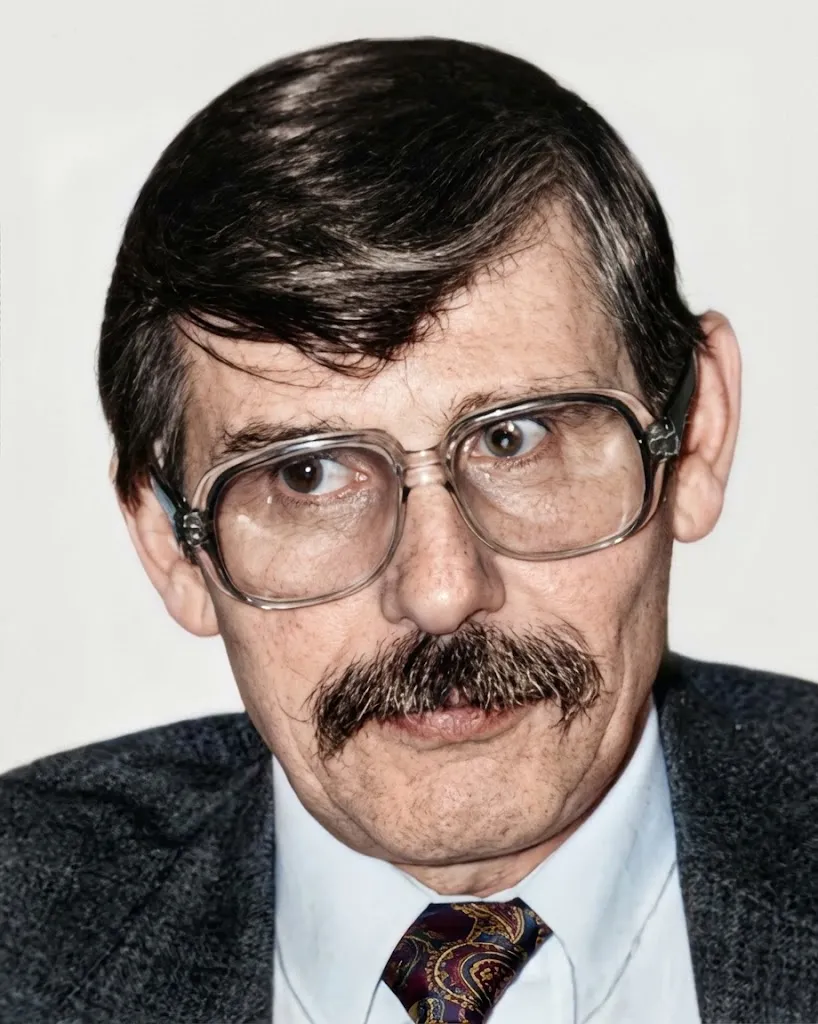
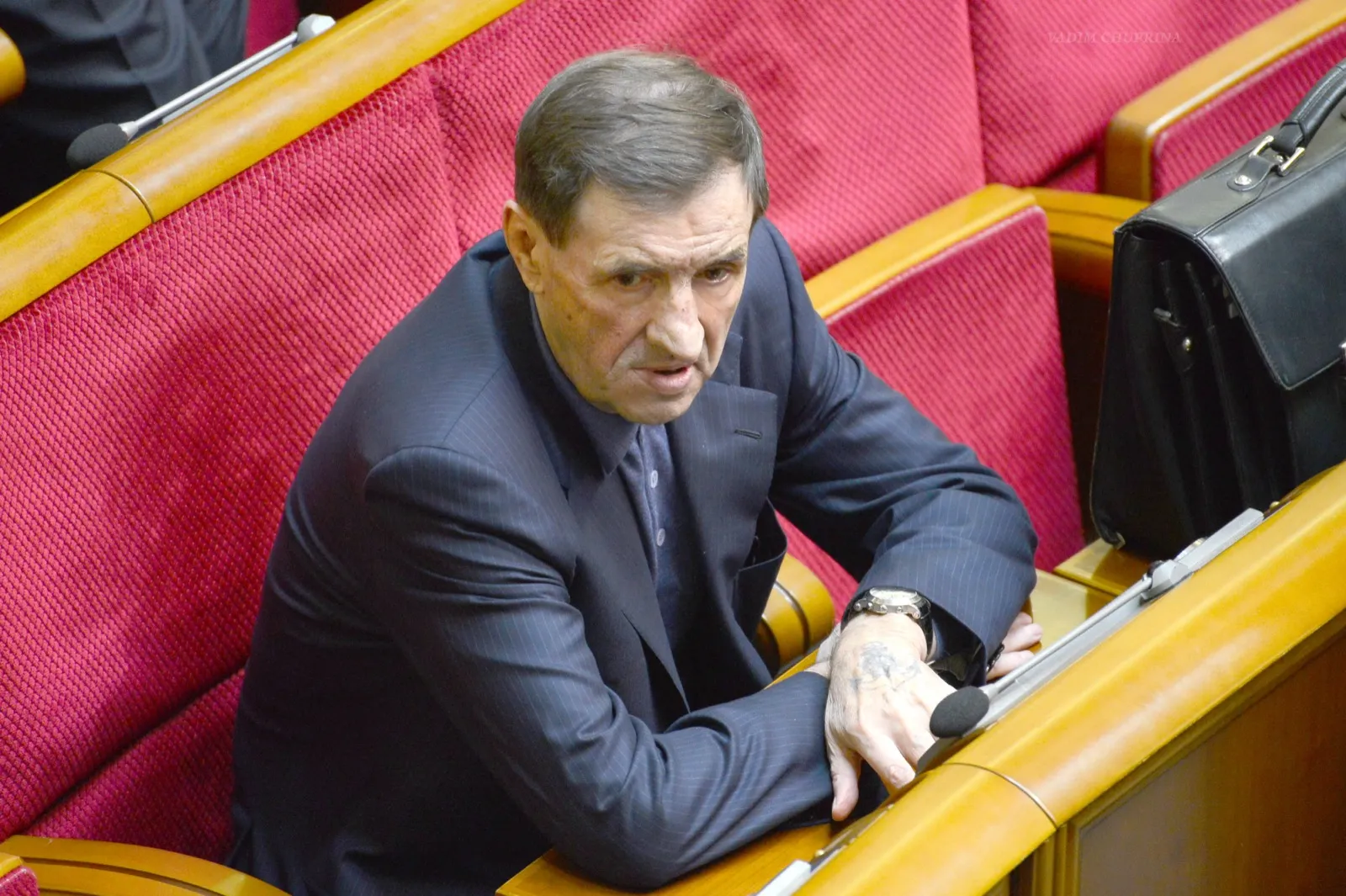
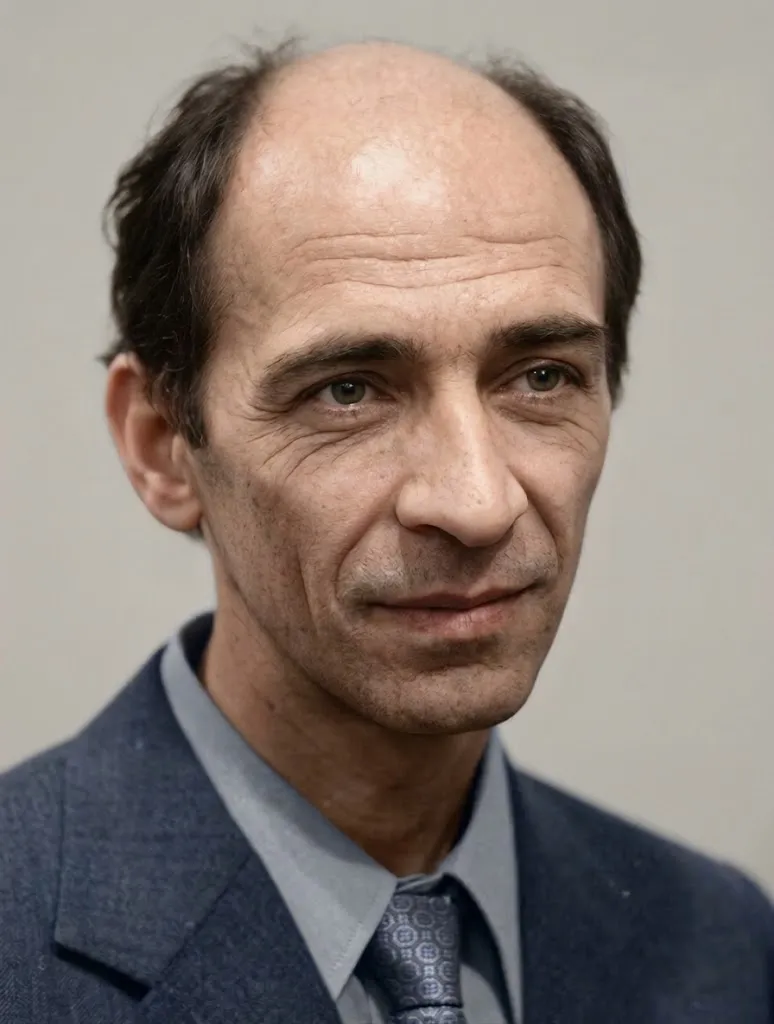
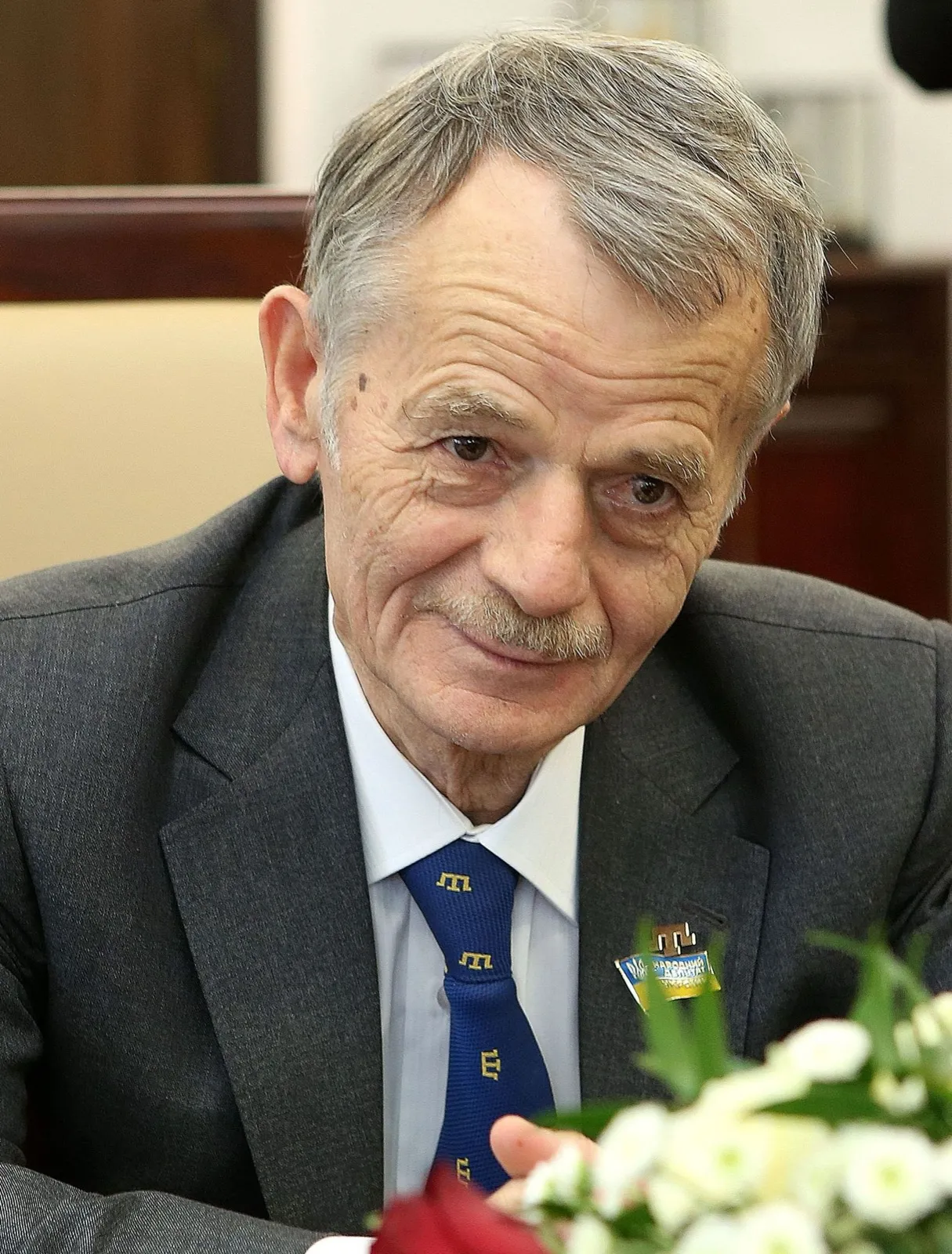
Bohdan Horyn
Art critic and dissident
In a Mordovian prison camp he secretly marked Shevchenko’s birthday with a talk, embroidered towels and a poster painted by Opanas Zalyvakha. Bohdan Horyn, a Lviv art critic of the Sixtiers, served 3 years, co-wrote the Ukrainian Helsinki Union’s programme and was twice elected to parliament.
Key accomplishments
- Deputy president of the Prolisok Club of Creative Youth in Lviv (1963); organised samvydav distribution
- In the Mordovian camp, got prisoners’ sentences and statements smuggled out; they were later published abroad
- Co-author of the Declaration of Principles of the Ukrainian Helsinki Union (1988); head of its Lviv regional branch (1988–1990)
- Member of the first and second Verkhovna Rada (1990–1998)
- A three-volume memoir, Not Only About Myself (2006–2010); books on Ivan Severa, Opanas Zalyvakha, Sofiia Karaffa-Korbut and Sviatoslav Hordynskyi
- Shevchenko National Prize (2019) for an essay-collage on Sviatoslav Hordynskyi
Shevchenko’s birthday behind barbed wire
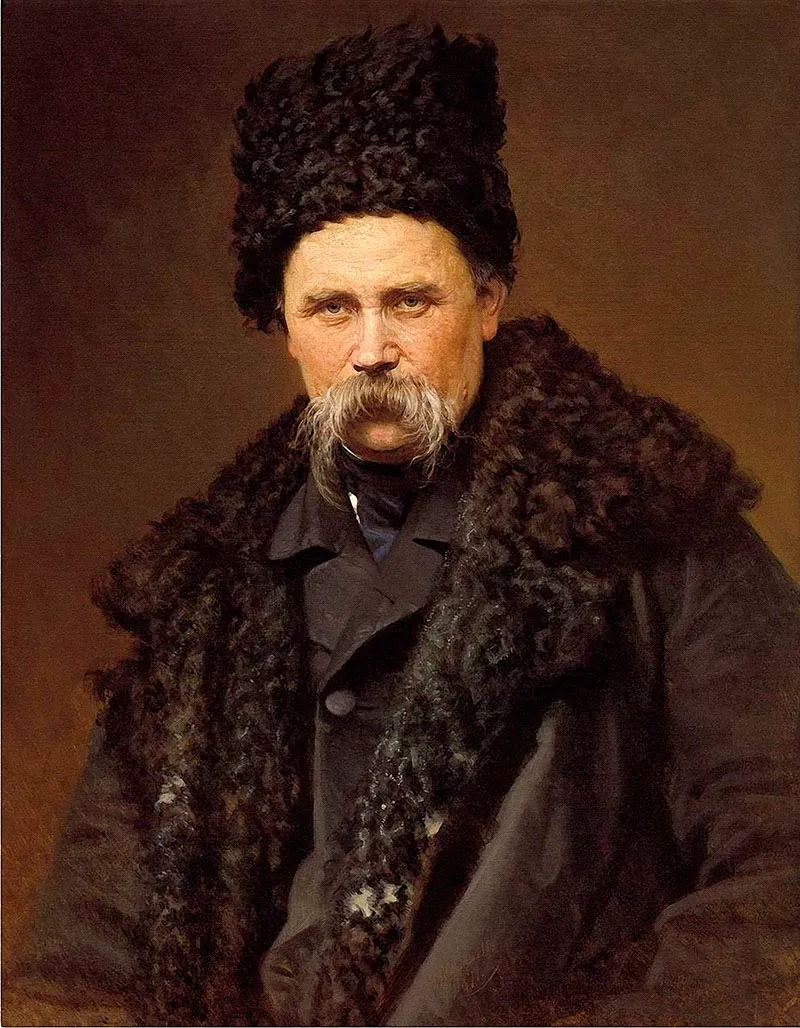
A garden shelter hung with embroidered towels, a talk called “The Light of Genius”, and a poster of Shevchenko painted for the day by the artist Opanas Zalyvakha. That, as Bohdan Horyn remembers it, is how political prisoners in a Mordovian camp marked the poet’s birthday, hidden from the guards. They invited prisoners of other nations, who were amazed.
An escape on the way to Siberia
Bohdan Horyn was born in 1936 in the village of Kniselo in the Lviv region, the younger brother of Mykhailo Horyn. His father was fighting in the Ukrainian Insurgent Army (UPA), and in December 1944 the Soviet secret police (NKVD) took his mother and her sons away to be deported to Siberia. The brothers escaped on the way, and their mother got away too. Bohdan studied philology at Lviv University and from 1962 researched the psychology of artistic creativity at the Museum of Ukrainian Art.
Kilograms of type from Zhytomyr
Deputy president of Lviv’s Prolisok Club of Creative Youth, Bohdan was a friend of the Kyiv Sixtiers: Ivan Svitlychnyi, Yevhen Sverstiuk, Ivan Dziuba, Ivan Drach, Mykola Vinhranovskyi. To print samvydav, texts passed from hand to hand past the censors, faster than on a typewriter, he brought several kilograms of printing type from a Zhytomyr print shop where Anatolii Shevchuk worked. Part of it was hidden in Kyiv by Halyna Sevruk.
On 26 August 1965, the same day as his brother, Bohdan was seized outside the museum. In 1966 he was sentenced to 3 years in the camps, in the same case as his brother and Ivan Hel.
What got out of the camp
In Mordovia Horyn brought political prisoners together and made friends with Lithuanians, Latvians, Estonians and Jewish prisoners. He found ways to smuggle out prisoners’ sentences and statements, among them those of Levko Lukianenko, and they were later published abroad. His talks with Zalyvakha grew into a book about the artist.
Carpenter, bricklayer, stoker
After his release in 1968 the art critic spent seven years working as a carpenter, a bricklayer and a boiler stoker, until Moscow human rights defenders spoke up for him: Valentin Turchin, Yuri Orlov and Alexander Ginzburg. That got him a job at the Lviv Art Gallery, but he was still not allowed to publish.
The declaration and the human chain
In 1988 the Horyn brothers and Viacheslav Chornovil wrote the Declaration of Principles of the Ukrainian Helsinki Union, read out at a rally of 50,000 people in Lviv. Bohdan led the union’s Lviv branch, organised rallies of many thousands and campaigned for the Ukrainian Greek Catholic Church to be restored. His friends from the camp, he says, became the core of a committee of national liberation movements that backed the fight for independence in Georgia, Armenia and the Baltic states. In 1990 he was one of the initiators of the Lviv–Kyiv human chain, and he was then twice elected to parliament.
Books about artists
Horyn wrote a three-volume memoir, Not Only About Myself, about the cultural and political life of Lviv, partly drawn from his diaries. He published books on the sculptor Ivan Severa, the graphic artist Sofiia Karaffa-Korbut and the painter and poet Sviatoslav Hordynskyi. His essay-collage on Hordynskyi won the Shevchenko National Prize in 2019.
Why it matters today
Bohdan Horyn showed that culture holds even behind barbed wire: a Shevchenko celebration in the camp became a form of resistance. Because the sentences he smuggled out reached the world, people abroad learned the truth about the Soviet camps, and his friendships with prisoners of other nations fed a shared fight for freedom. He proved that an art critic could help write the programme of a movement for independence and then build the state in parliament. And his memoirs and books on artists keep alive the Lviv of the Sixtiers and the dissidents, a memory that could easily have been lost.