1937–2011
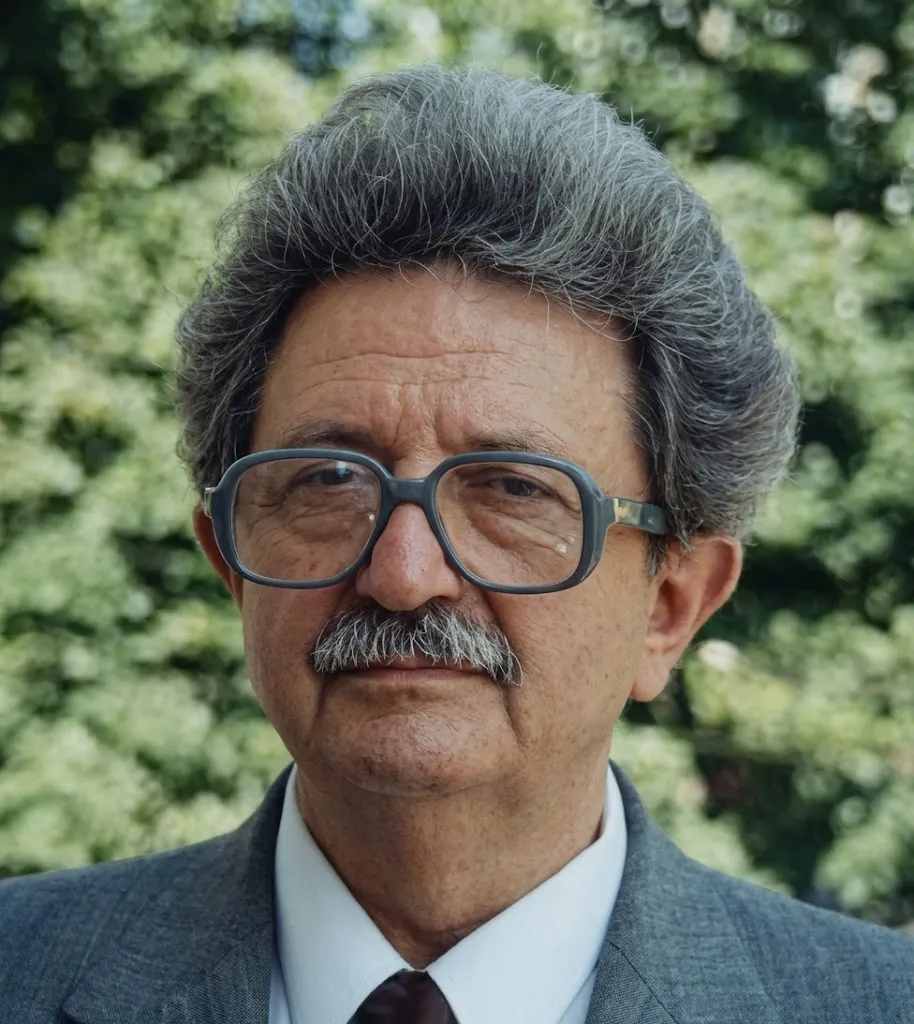
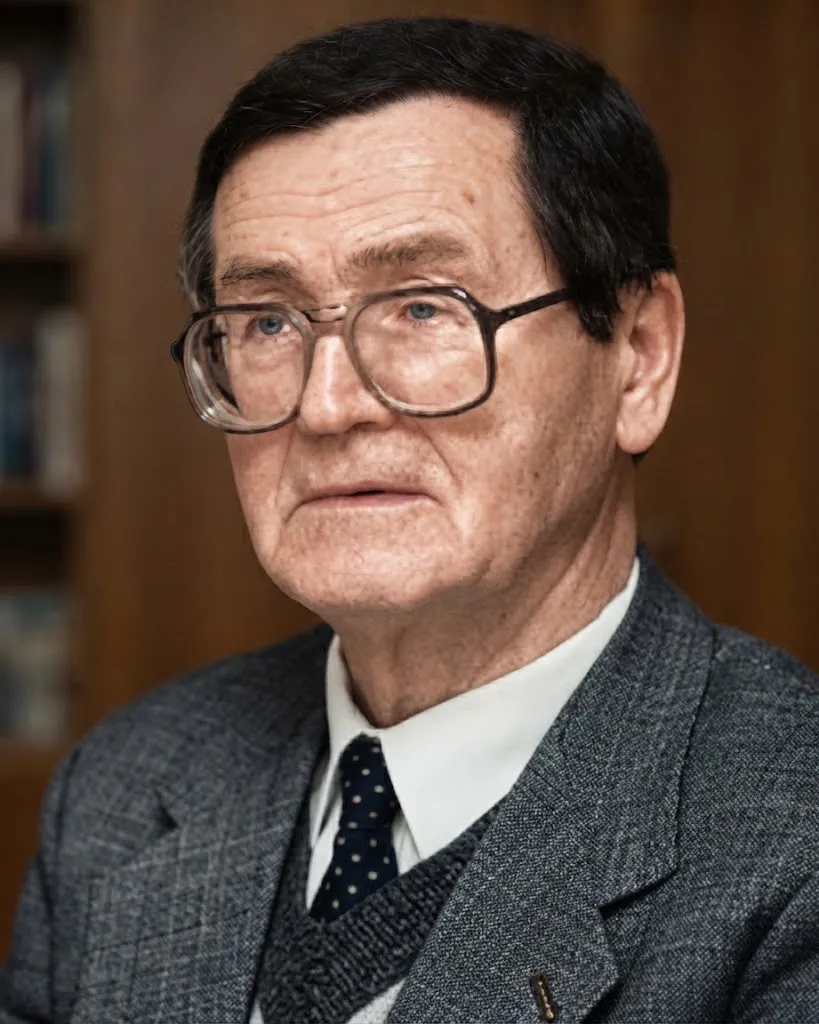
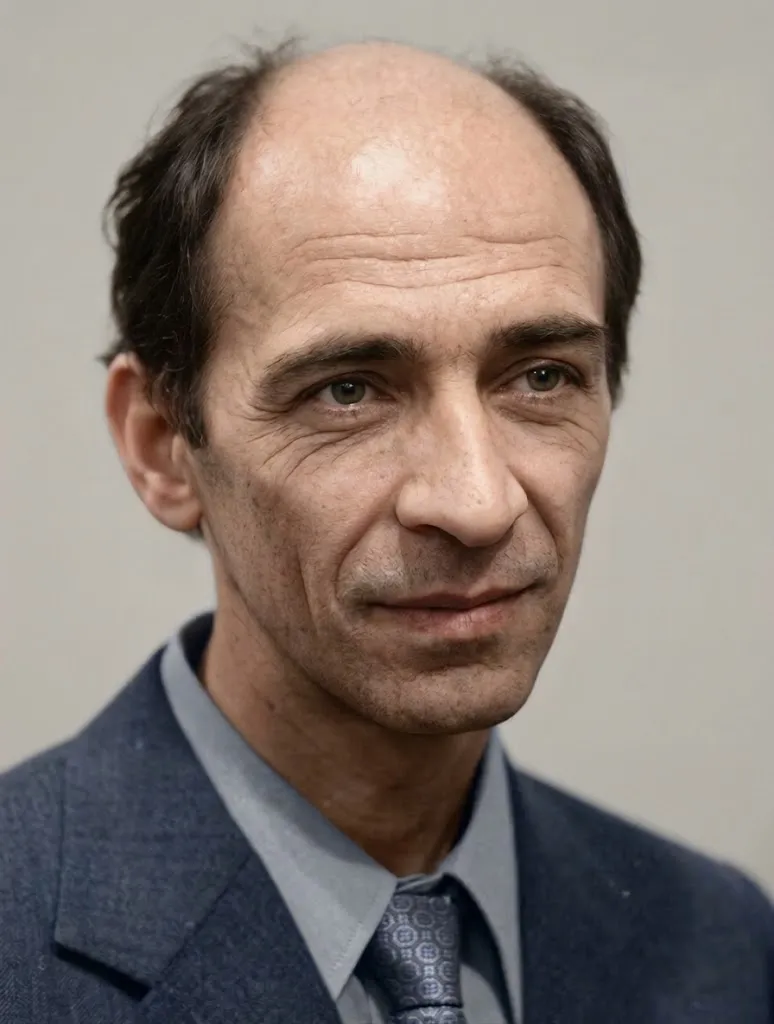
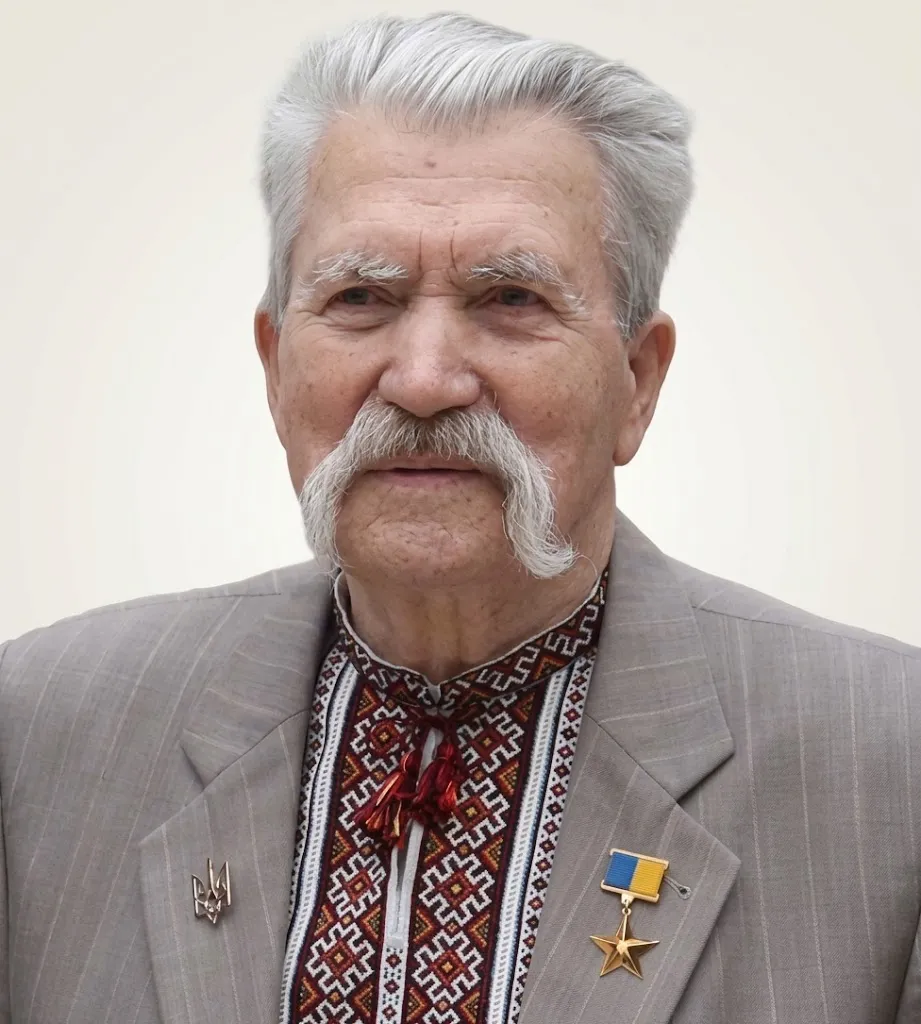
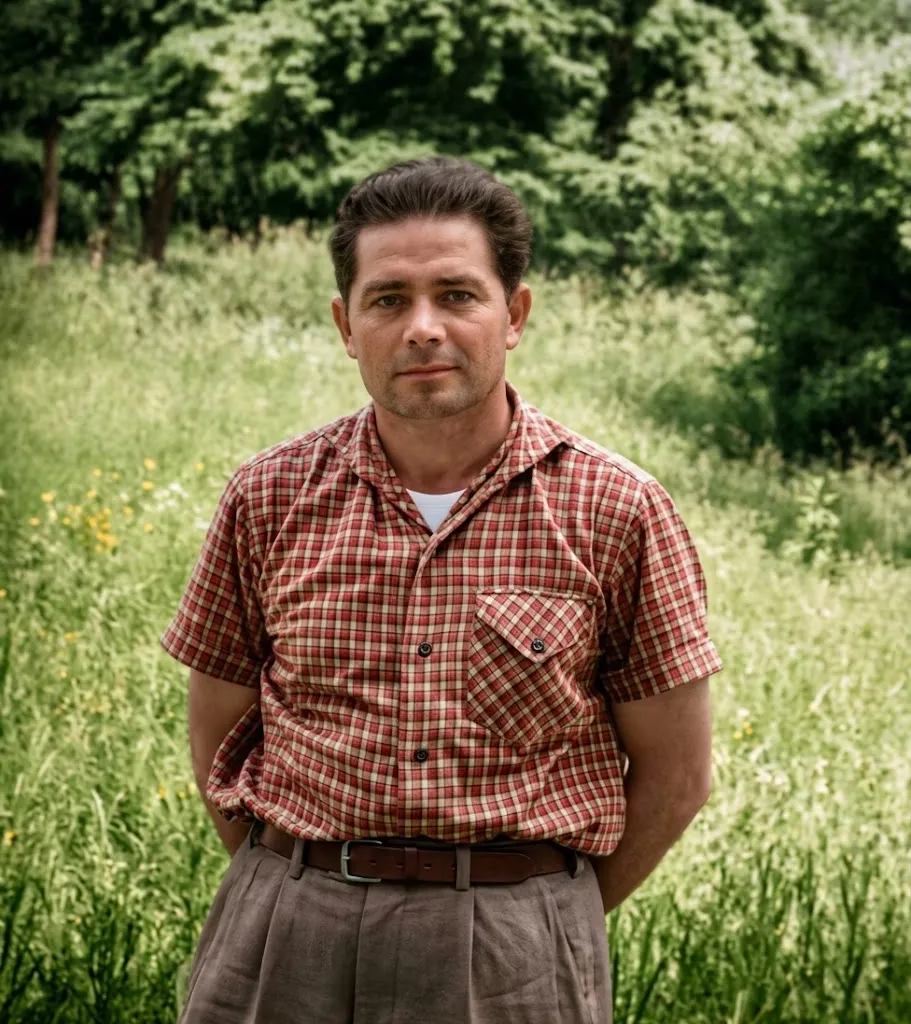
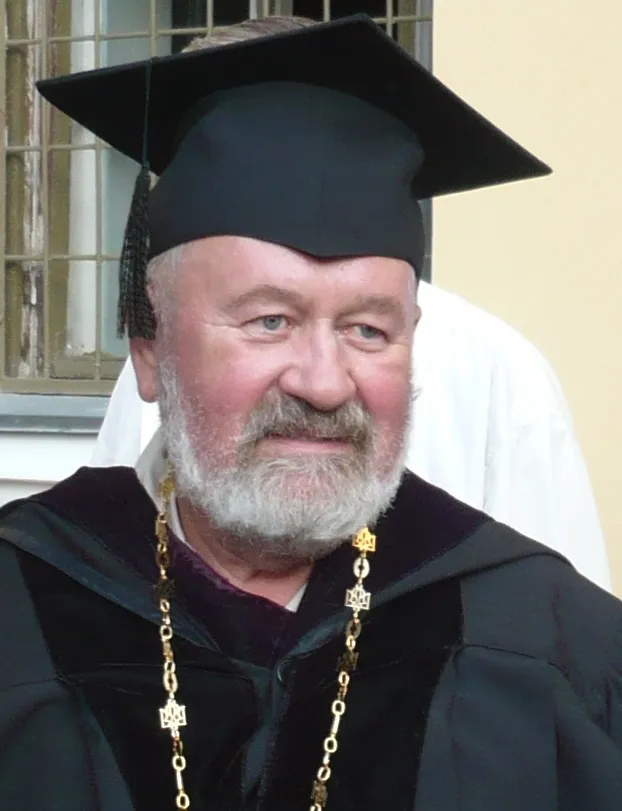
Ivan Hel
Dissident, twice a political prisoner
For 100 days Ivan Hel went on hunger strike in a Soviet camp to be allowed to register his marriage, and he won. A Lviv Sixtier, he spent 18 years in captivity, wrote a book there that came out in London as Stepan Hoverlia, and once free led the fight to legalise the Greek Catholic Church.
Key accomplishments
- Prepared and spread samvydav; after his first sentence he printed 11 samvydav books, among them works by Ivan Dziuba and Valentyn Moroz
- The book Facets of Culture, written in captivity (London, 1984, as Stepan Hoverlia; Lviv, 1993)
- Executive secretary of the revived Ukrainian Herald (from 1987)
- Founder and head of the Committee in Defence of the Ukrainian Greek Catholic Church (from late 1987); a co-organiser of Memorial and the People’s Movement of Ukraine (Rukh)
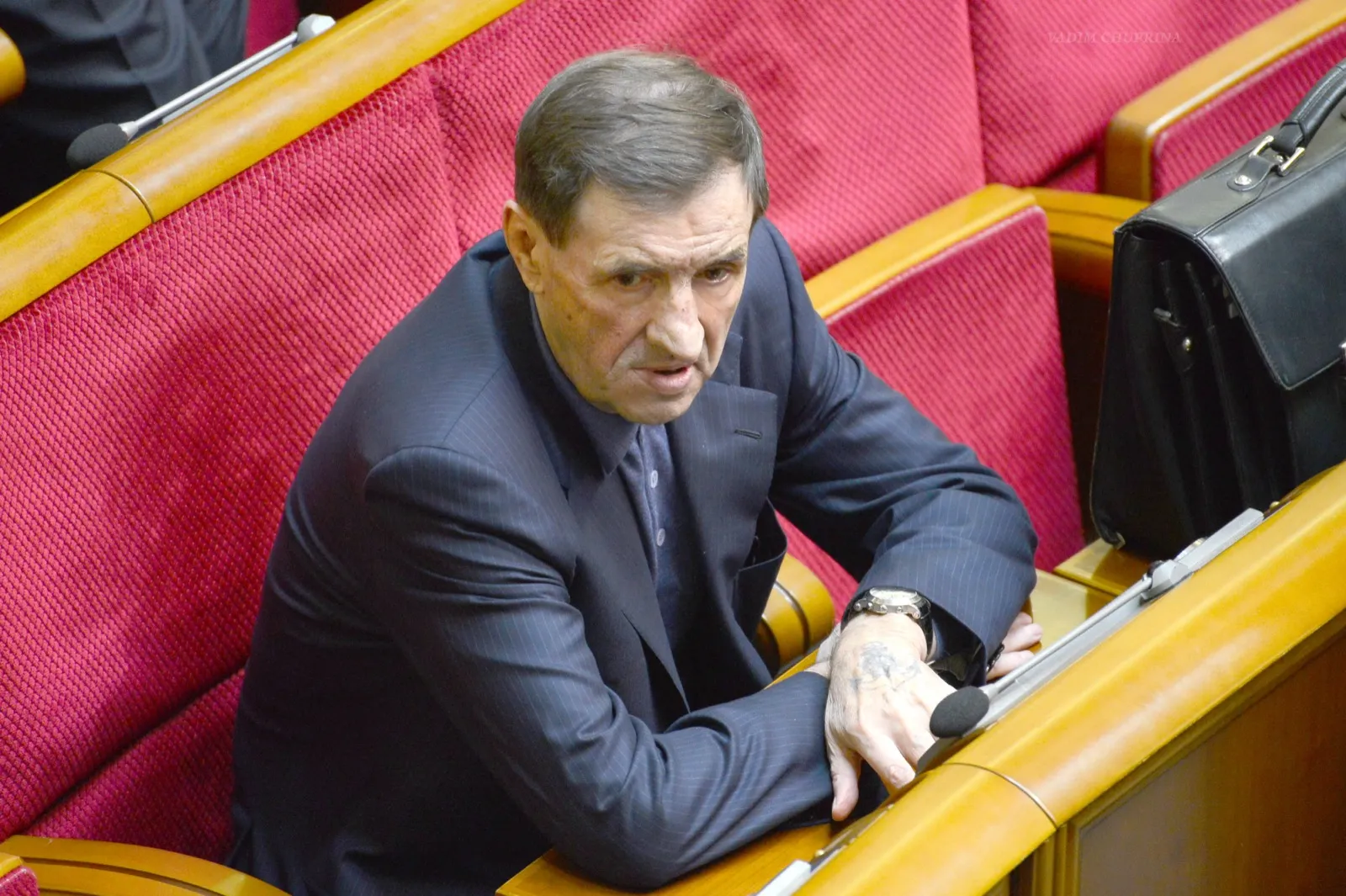
- First deputy head of the Lviv Oblast Council (1990–1994)
- A short history of the villages of Klitsko and Yakymchytsi (2003)
- Order of Yaroslav the Wise, 4th class (2006); Order of Liberty (2009)
Who was Stepan Hoverlia?
In 1984 a book called Facets of Culture came out in London. Its author was Stepan Hoverlia. No such man existed: behind the name of Ukraine’s highest mountain was a prisoner of the Soviet camps, Ivan Hel. He wrote this book about the fate of Ukrainian culture in captivity, and it was smuggled abroad.
A soldier’s son
Hel was born in 1937 in the village of Klitsko in the Lviv region. As a young man his father had volunteered for the Ukrainian Galician Army, and under Soviet rule he helped the nationalist underground (OUN). In 1950 the father was sentenced to 20 years. During the arrest, thirteen-year-old Ivan tried to protect his mother, and he was beaten too.
In 1952 he publicly refused to join the Komsomol, the Communist youth league, and was thrown out of school. The university would not take “the son of a Banderite”, so he got into the history faculty only after the army, and as an external student.
A crown of thorns for Shevchenko
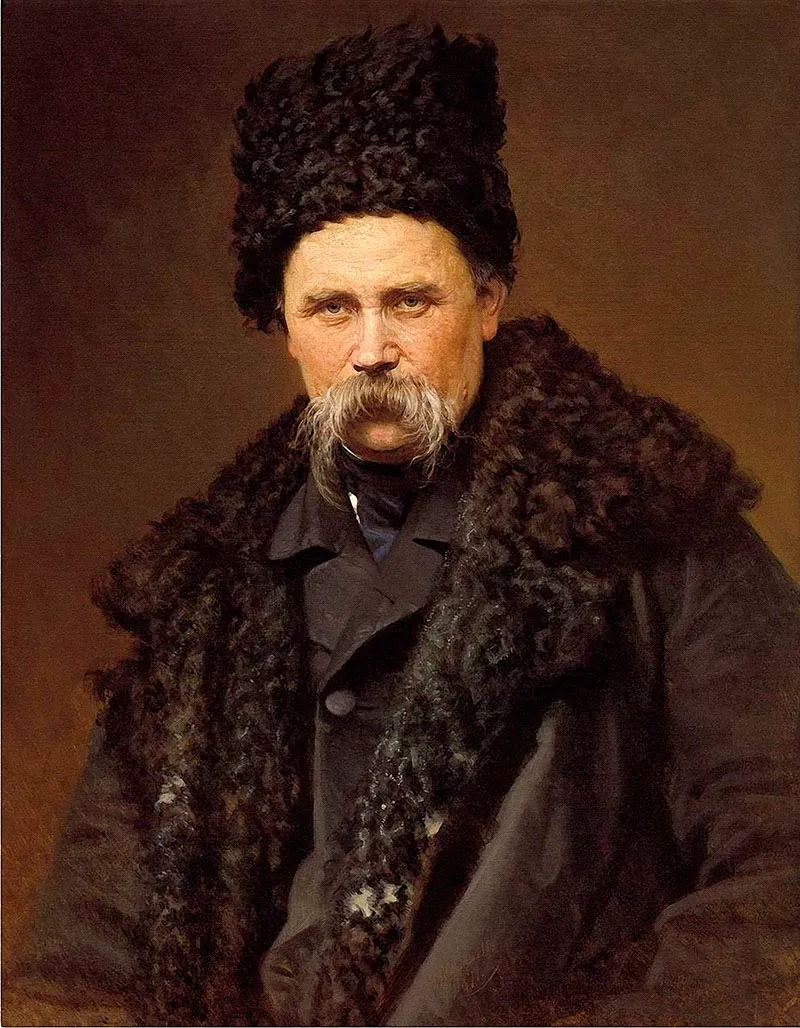
In 1961, on the hundredth anniversary of Taras Shevchenko’s death, Hel and a friend laid a crown of thorns at the poet’s monument in Kyiv. Around then he met Mykhailo Horyn and began retyping and photographing banned texts to pass on; he and Horyn called their aim “the struggle for Ukrainian statehood”. He was also active in Prolisok, the youth club led by Mykhailo Kosiv.
Arrested in his sixth year
On 24 August 1965 Hel, then in his sixth year of study, was arrested along with other Sixtiers and given 3 years in the camps of Mordovia. From there he twice wrote to the Ukrainian Supreme Soviet in defence of the banned Greek Catholic Church.
Once released, he was allowed neither to finish his degree (by one account he got his diploma only in 1991) nor to live in Lviv. Hel settled in Sambir and printed 11 books in samvydav, among them Ivan Dziuba’s Internationalism or Russification? In December 1970 he spoke at the funeral of Alla Horska. At work he got a severe reprimand for it, officially for “absence”.
A hundred days without food
On 12 January 1972 Hel was arrested again. As an “especially dangerous repeat offender” he got 10 years in special-regime camps in Mordovia and the Urals and 5 years of exile in Komi.
In the camps Hel went on hunger strike again and again. One strike lasted 100 days: he demanded to be allowed to register his marriage to Maria, the mother of his daughter. In 1975 the marriage was registered. In all he spent more than 300 days on hunger strike and 18 years in captivity.
The shepherd who brought a church out of hiding
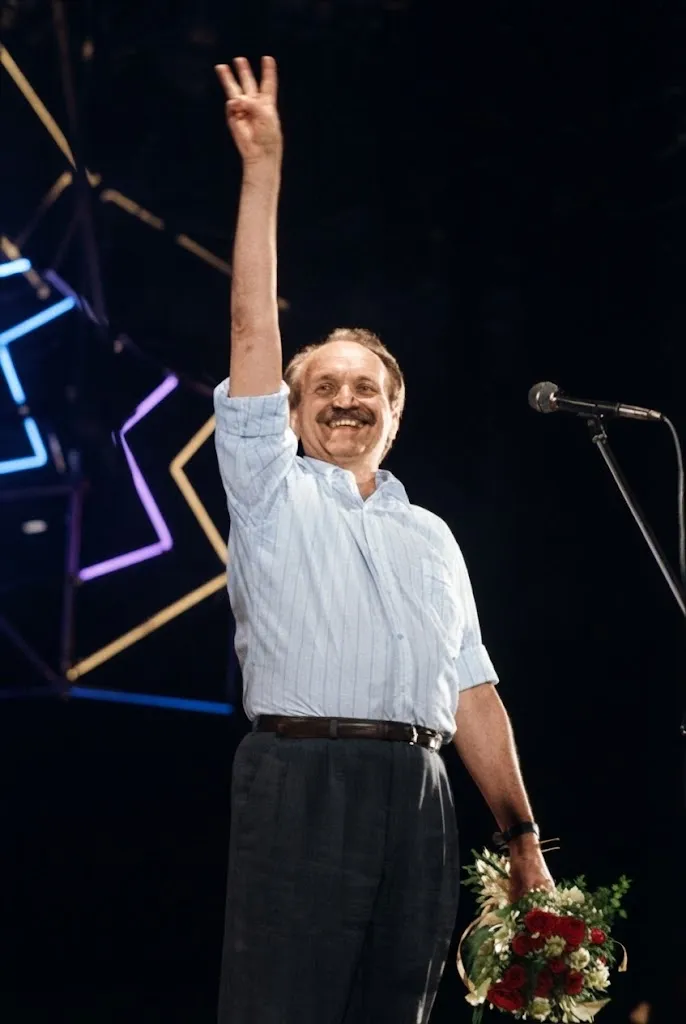
Hel came home on 17 January 1987 and spent a year as a shepherd in his native village. That spring he and Viacheslav Chornovil revived the Ukrainian Herald. In late 1987 Hel founded and led the Committee in Defence of the Ukrainian Greek Catholic Church, which had survived for 40 years only underground. On 17 September 1989 between 250,000 and more than 300,000 people, by different counts, gathered in Lviv to demand that the church be made legal.
He helped found Memorial and Rukh, was first deputy head of the Lviv Oblast Council from 1990 to 1994, and later wrote a short history of his native village. He died in Lviv on 16 March 2011.
Why it matters today
For years Ivan Hel had neither freedom nor the right to live in Lviv, yet he never went back on his word. The samvydav he printed let people read what the state was hiding. He showed that even in a labour camp you can write a book about culture, and that faith and freedom of conscience are worth fighting for. The church he spoke up for even from the camp came out of hiding, and today its faithful pray freely. Anyone who refuses to let the truth be silenced is walking his road.