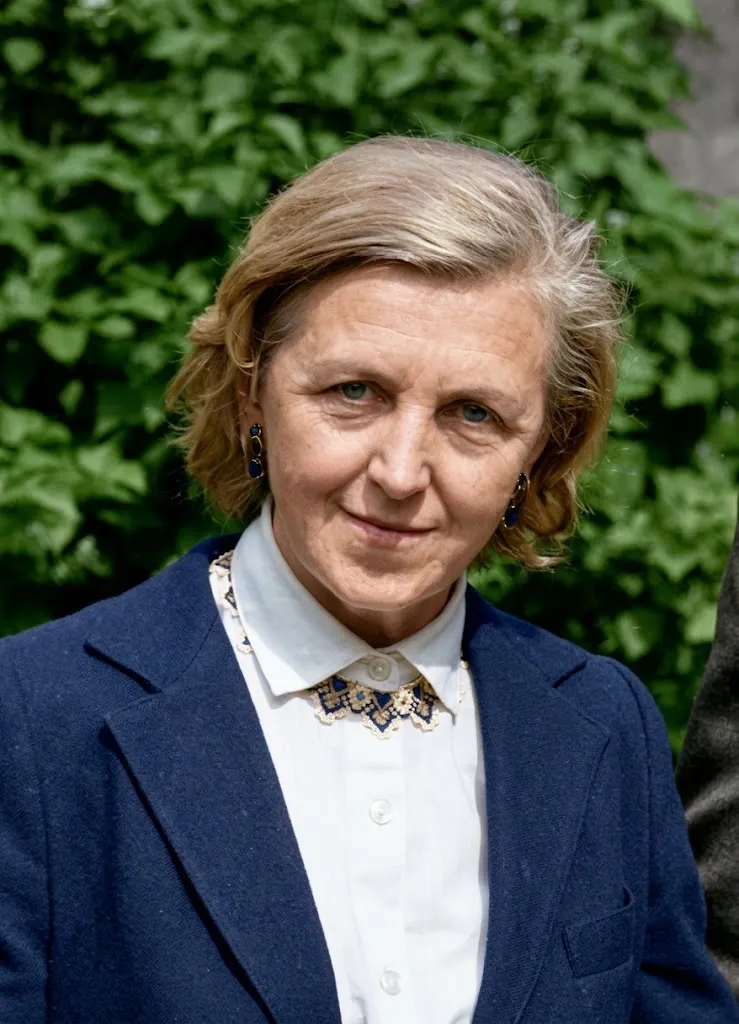
1939–2015
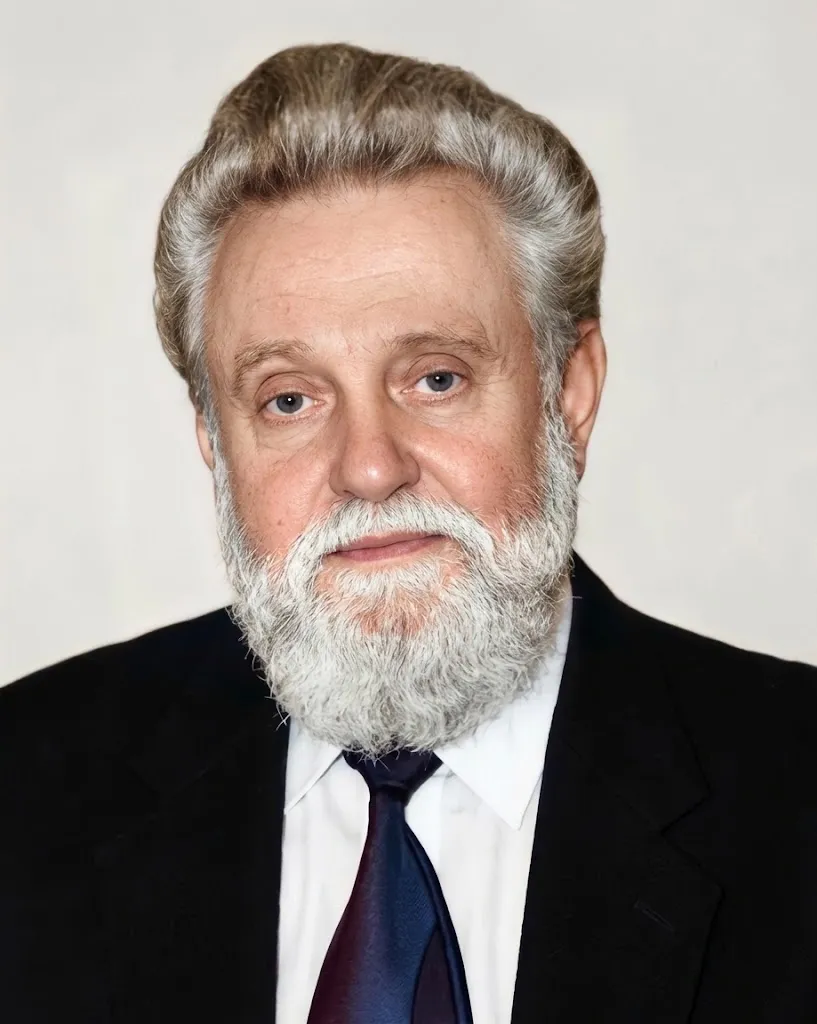
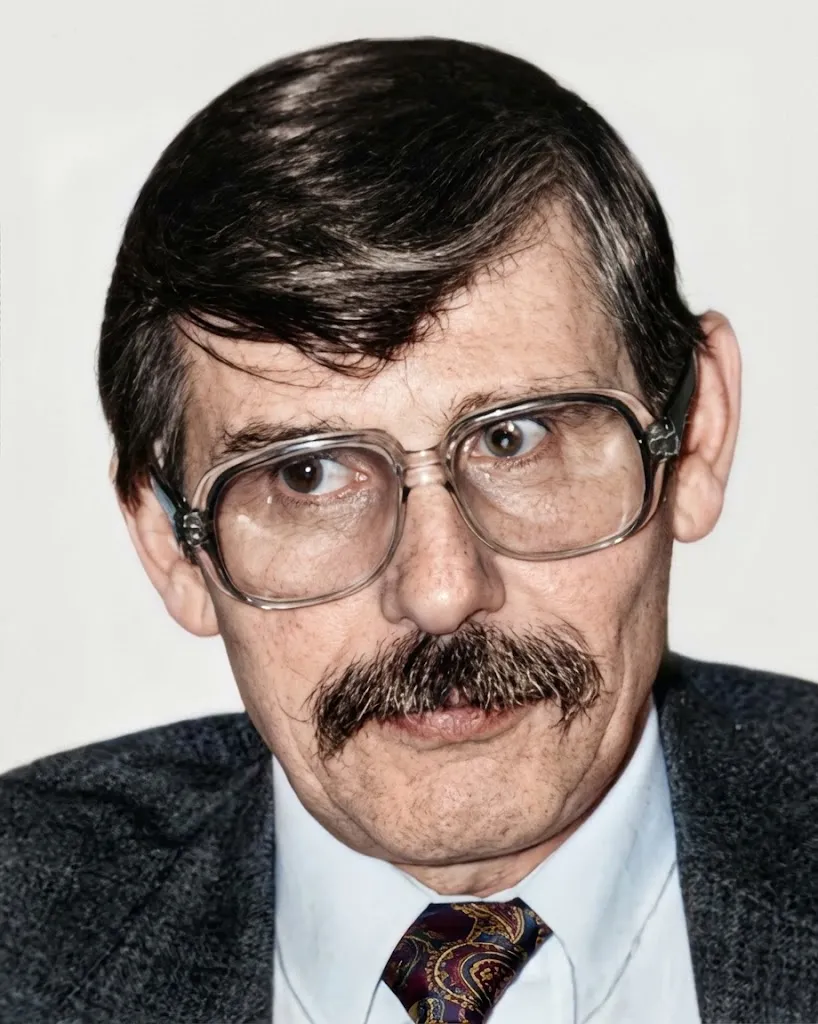
Leonid Pliushch
Dissident mathematician, rights activist
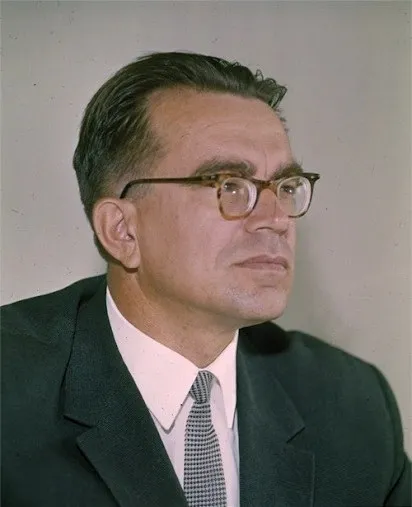
In 1974 the International Congress of Mathematicians demanded freedom for a colleague from Kyiv whom a Soviet court had declared “insane.” Mathematician Leonid Pliushch spent years under arrest and in a psychiatric prison; expelled to France, he became a voice of Ukraine’s rights defenders abroad.
Key accomplishments
- Member of the Initiative Group for the Defense of Human Rights in the USSR (1969)
- Go-between linking the Ukrainian, Moscow, Crimean Tatar and Jewish human rights movements
- Foreign representative of the Ukrainian Helsinki Group (from 1977), later a member of its External Representation
- Memoir In the Carnival of History (1976) and the study Taras Shevchenko’s Exodus (1986)
- Order for Courage, 1st class (2006)
Why the world’s mathematicians spoke up for him
In the summer of 1974 the International Congress of Mathematicians in Vancouver called for the immediate release of a colleague from Kyiv. Leonid Pliushch was being held in a special psychiatric hospital in Dnipropetrovsk (now Dnipro). A Soviet court had declared him “not responsible for his actions” over his articles and his signatures on protest letters.
He was born in 1939 in Naryn, Kyrgyzstan. As a boy he fell ill with tuberculosis of the bones, and his family moved to Odesa for his treatment. He studied mathematics at Odesa and then Kyiv University, and worked at the Institute of Cybernetics in Kyiv, which now bears Viktor Hlushkov’s name.
The go-between
From 1966 he wrote articles for samvydav, the underground self-published press, about the Soviet state and the national question in the USSR. Like many dissidents of his generation, he still believed in “socialism with a human face.” Pliushch introduced Moscow activists to Ukrainian samvydav and carried banned books from Moscow to Kyiv, linking the Ukrainian, Moscow, Crimean Tatar and Jewish rights movements. In 1968 he lost his job over his protests, and in 1969 he joined the Initiative Group for the Defense of Human Rights in the USSR.
A diagnosis instead of a sentence
Pliushch was arrested in January 1972 for “anti-Soviet agitation and propaganda.” A court that he was not even brought to sent him for compulsory treatment. In the psychiatric hospital he was “treated” with haloperidol, a powerful antipsychotic drug, for seven or eight months. His wife wrote appeals and got news of him out to the West. In France a committee of mathematicians led by the Fields medalist Laurent Schwartz took up his case. In 1975 mathematicians, physicists and psychiatrists rallied for him in Paris. His case became such a symbol that even the French Communist Party, pressed to take a stand, distanced itself from Moscow. In 1976 he was expelled from the USSR, and Western psychiatrists found him healthy.
Writing about Ukraine from France
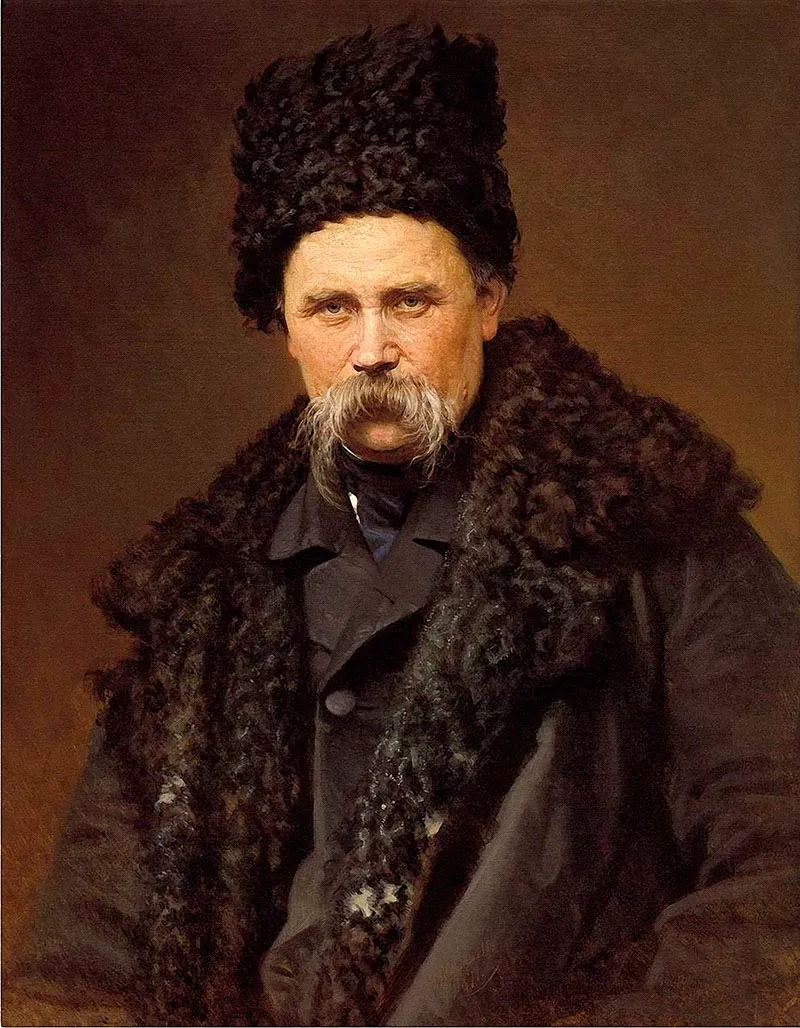
In France he became a foreign representative of the Ukrainian Helsinki Group and gave up his faith in a “good” socialism for good. He wrote the memoir In the Carnival of History, hosted programs on Radio Liberty, and wrote about Taras Shevchenko, Mykola Khvylovy and Vasyl Stus. In 2006 Ukraine awarded him the Order for Courage. Leonid Pliushch died in 2015 in Bessèges, France.
Why it matters today
Pliushch’s case showed the world that the USSR used psychiatry to punish people for what they thought. He was freed because scientists in many countries stood up for one man, proof that international solidarity works. He himself travelled from faith in Soviet socialism to defending human rights and Ukraine. Anyone who stands up for the truth can lean on his example: honesty with yourself matters more than comfortable beliefs.