1930–2013
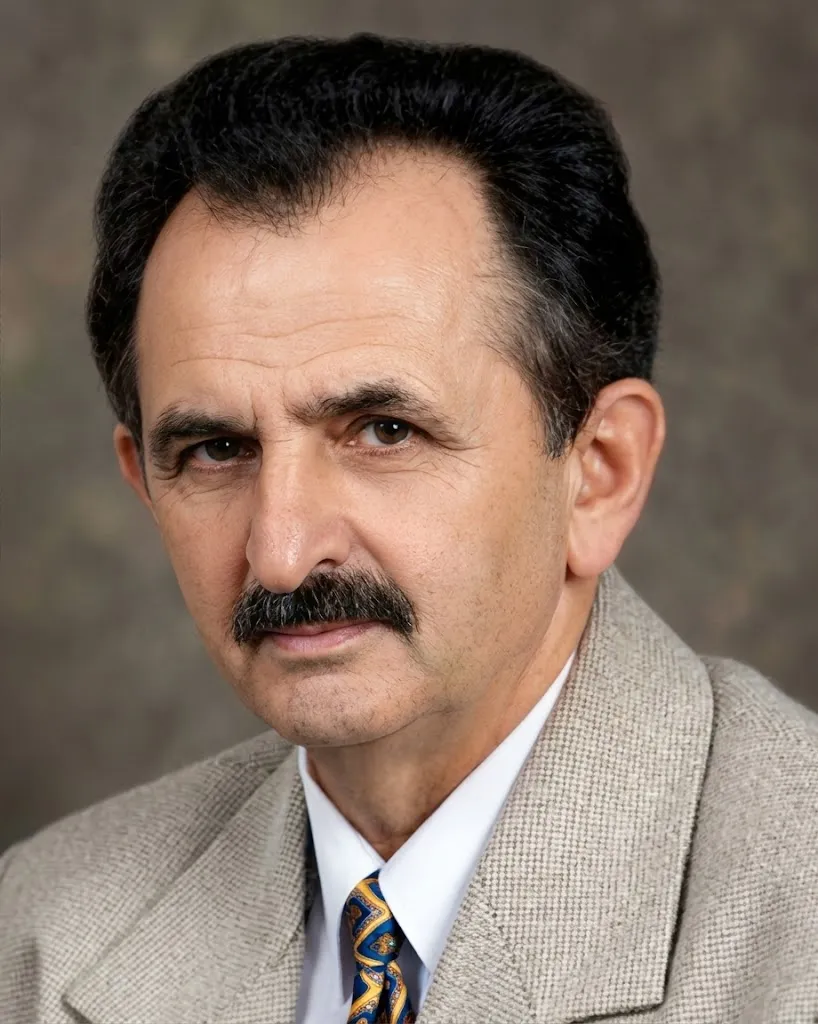
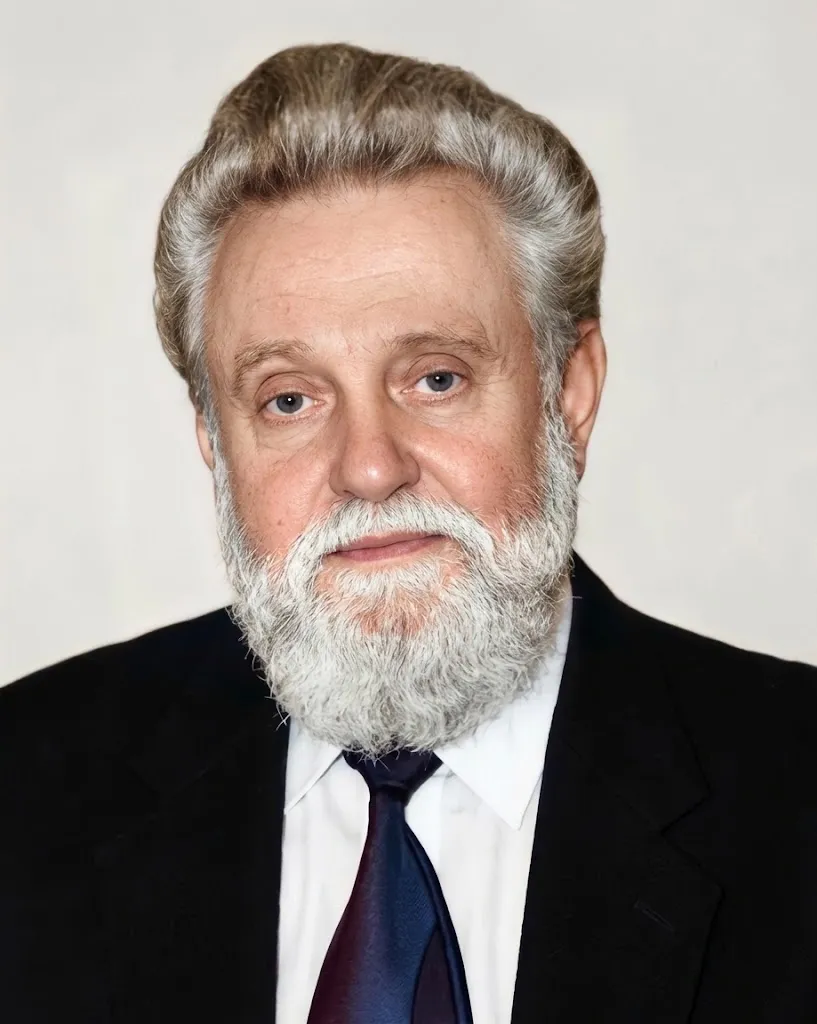
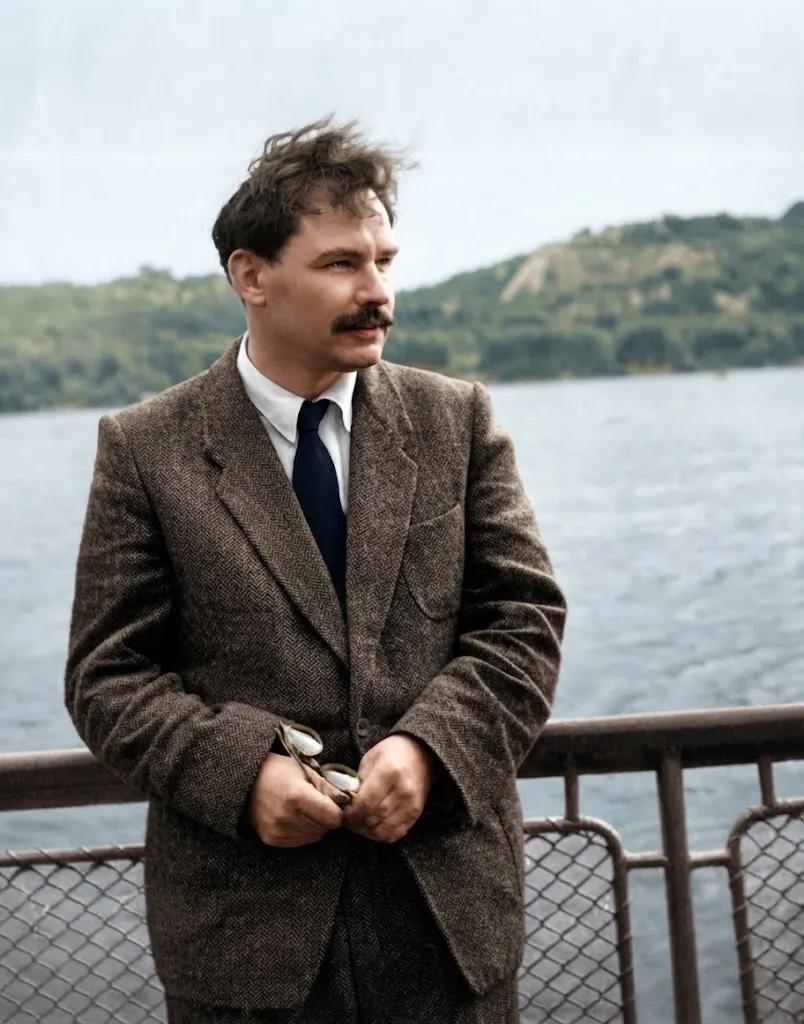
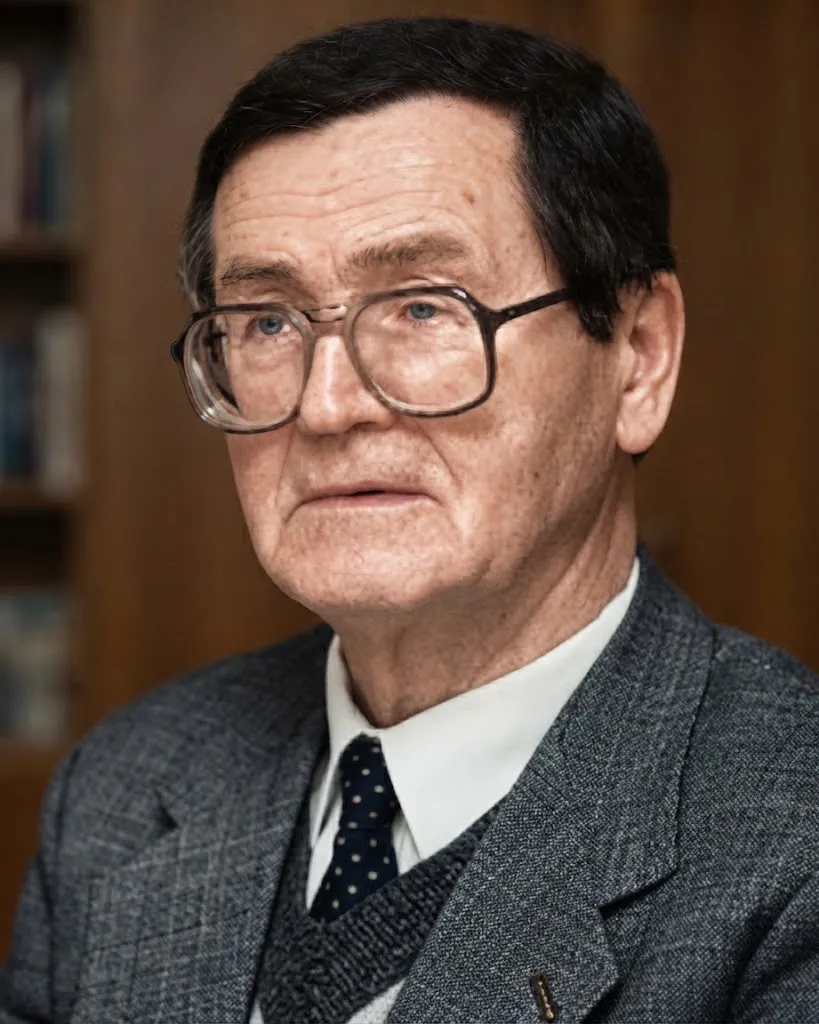
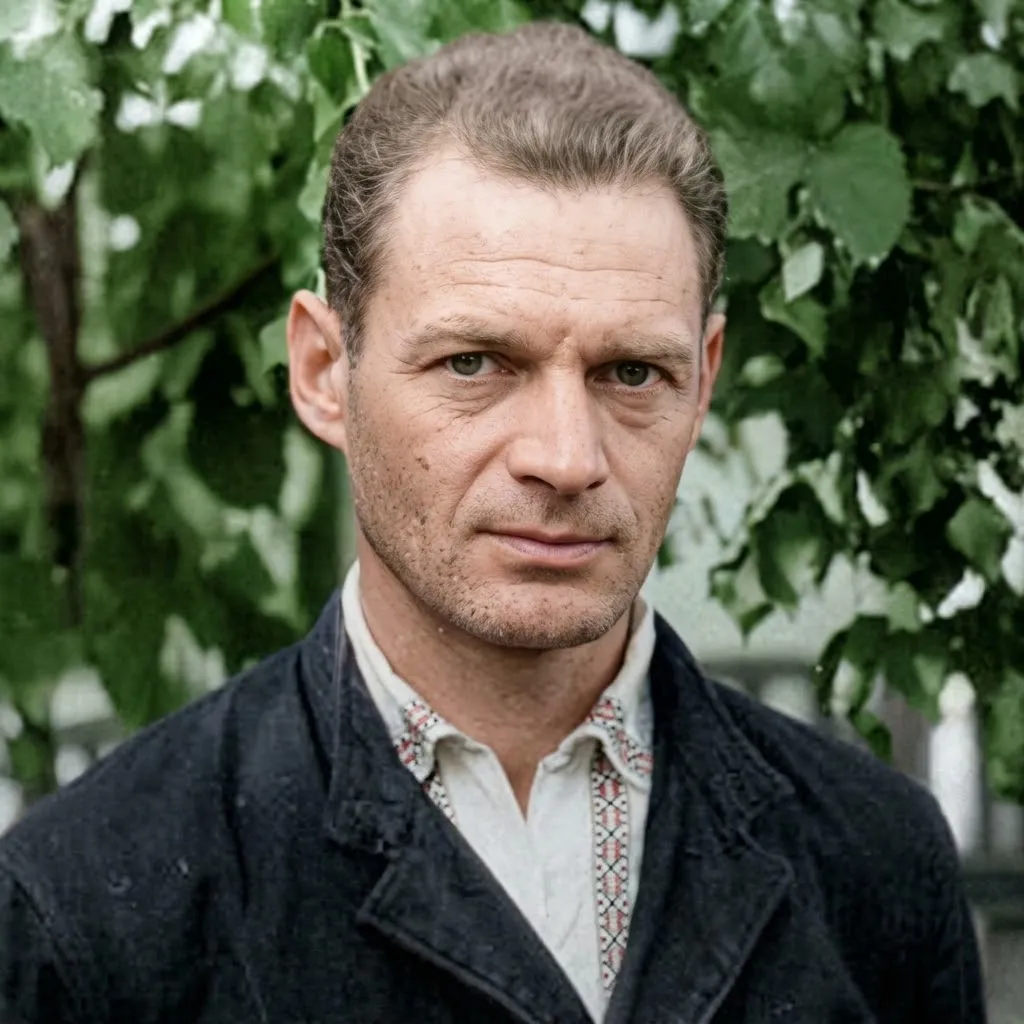
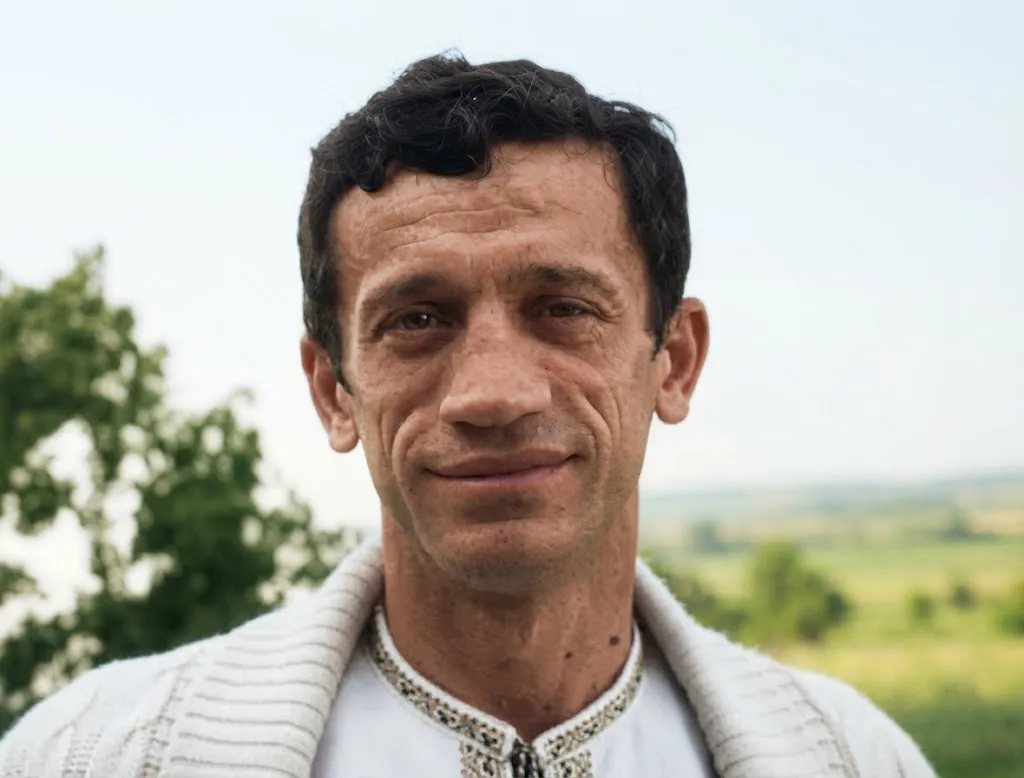
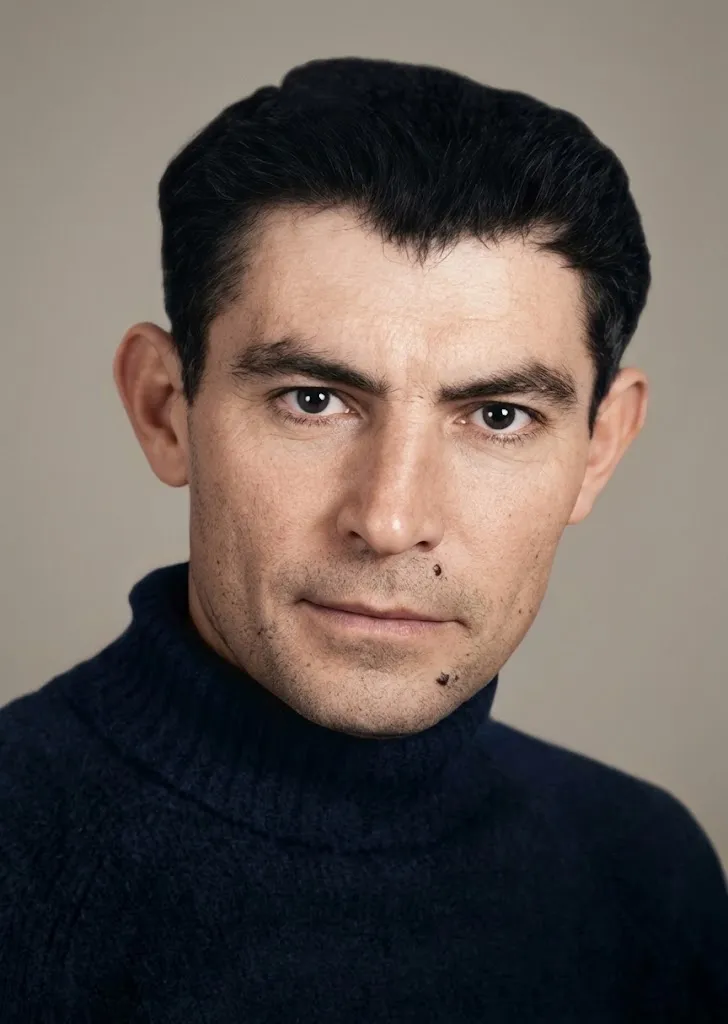
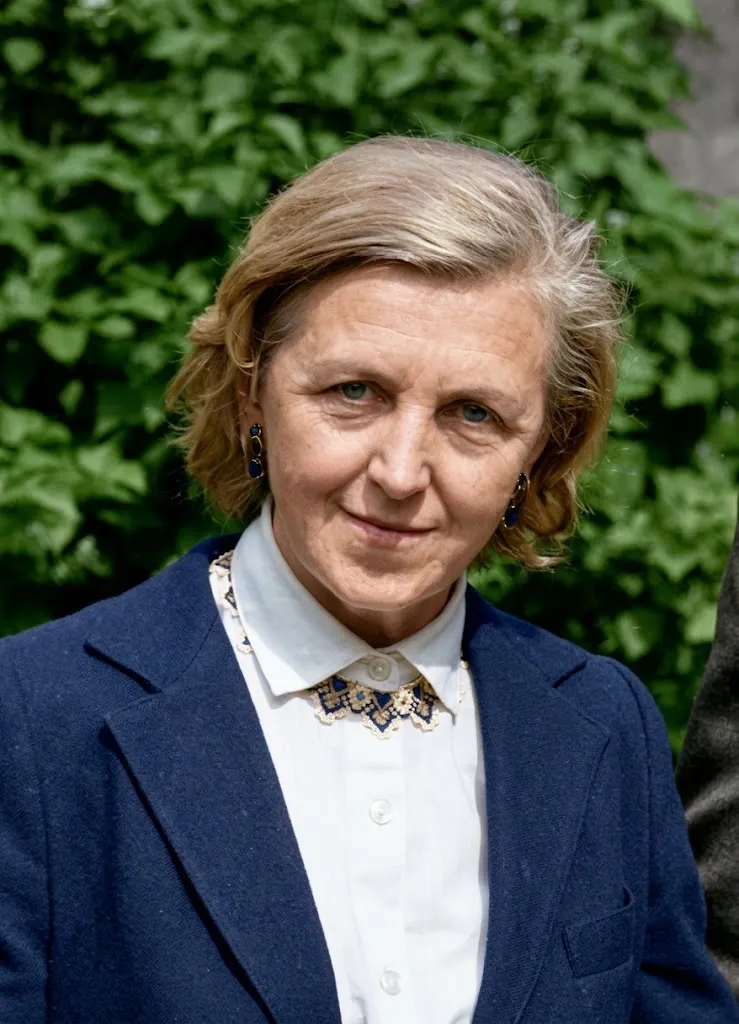
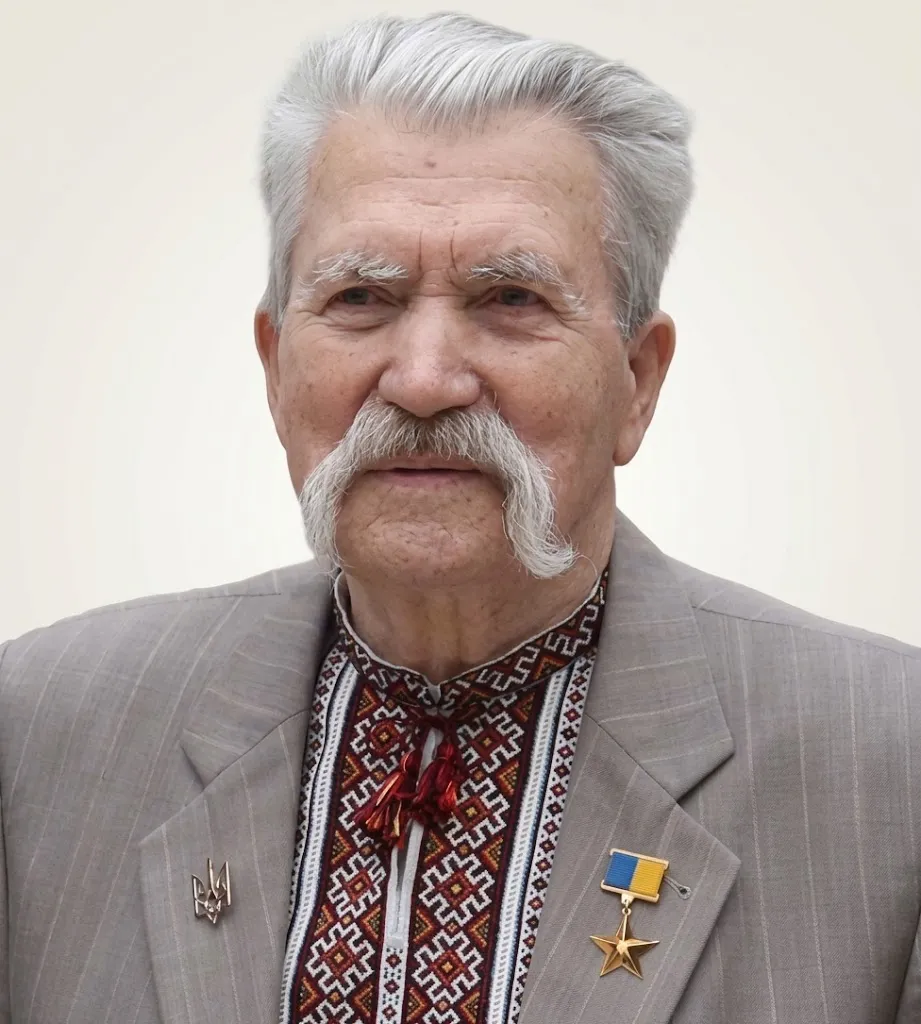
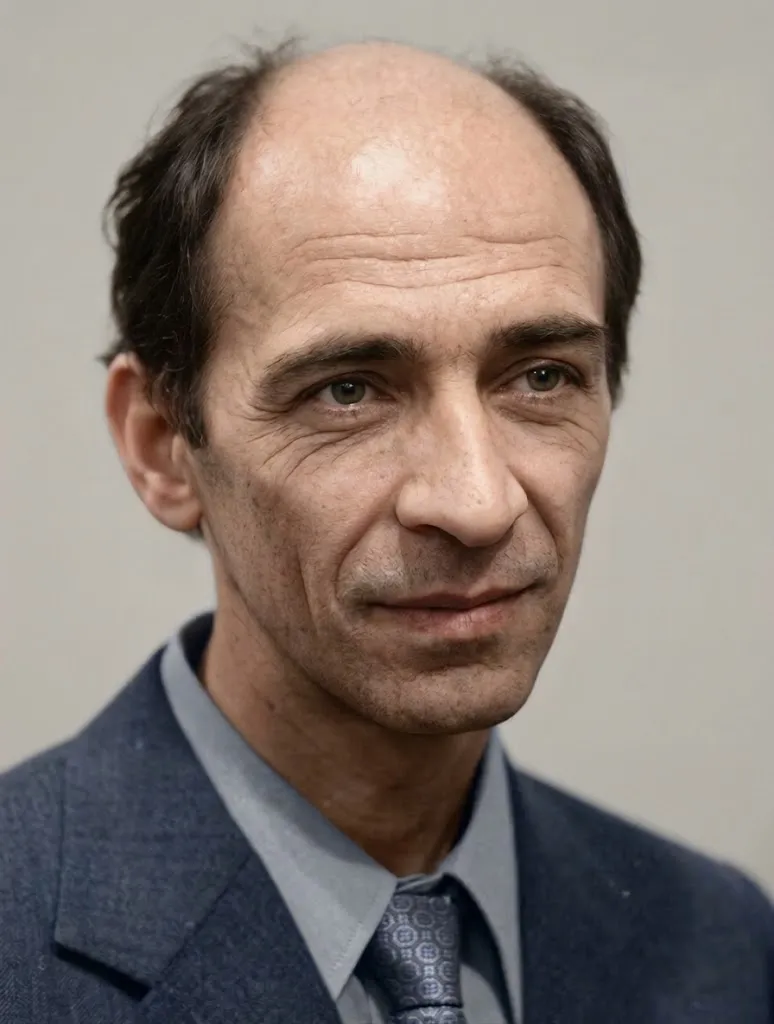
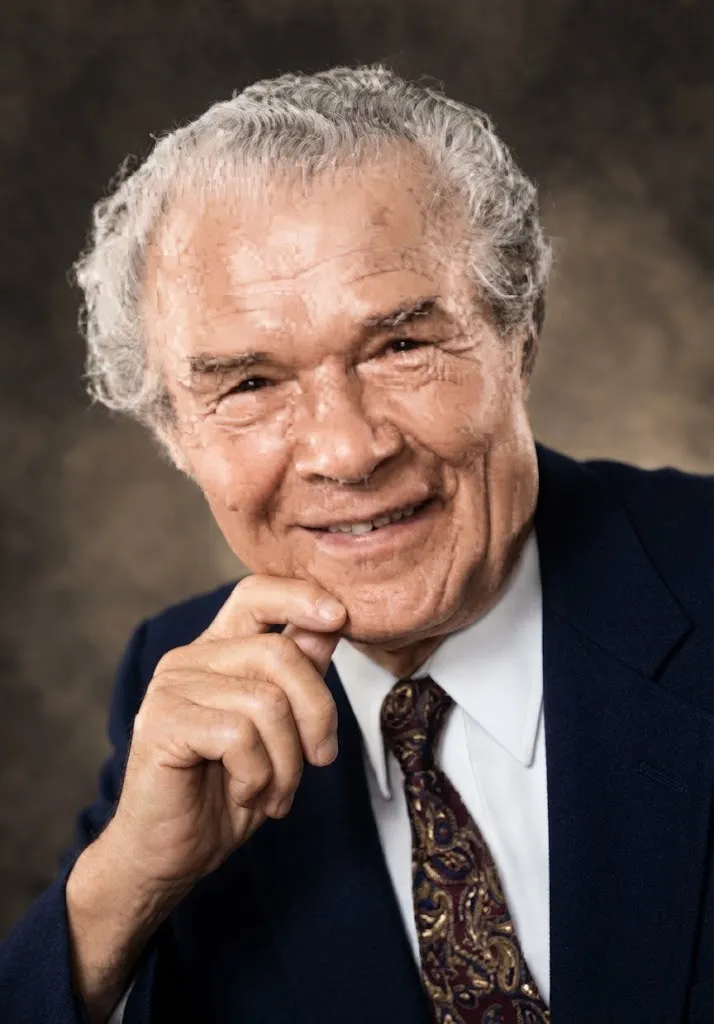
Mykhailo Horyn
Dissident and a founder of Rukh
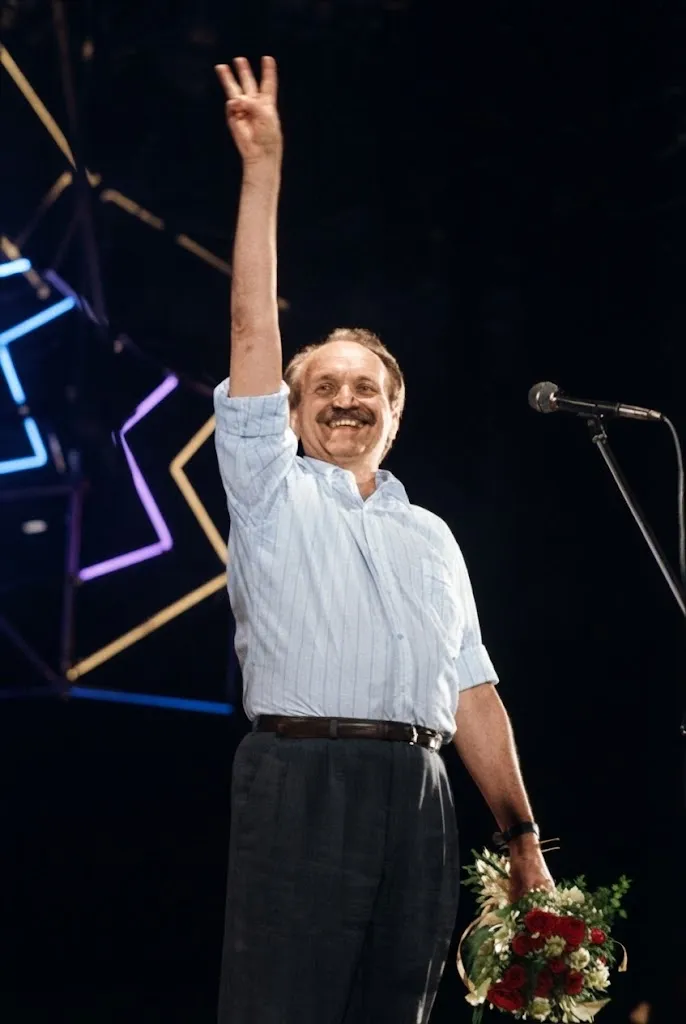
How do you link Lviv and Kyiv without a single wire? You join hands: the 1990 human chain was Mykhailo Horyn’s idea. A psychologist from Lviv, he spent almost 12 years in camps and prisons, then became one of the builders of the People’s Movement of Ukraine (Rukh).
Key accomplishments
- Set up the first experimental laboratory of labour psychology and physiology in the USSR, at a Lviv factory (1961)
- A co-organiser of the Prolisok Club of Creative Youth in Lviv (1963) and of samvydav distribution
- Helped draft the founding documents of the Ukrainian Helsinki Group (1976) and put out its bulletins
- Co-author of the Declaration of Principles of the Ukrainian Helsinki Union (1988)
- A founder of the People’s Movement of Ukraine (Rukh) and head of its secretariat (1989); proposed the Lviv–Kyiv human chain (1990)
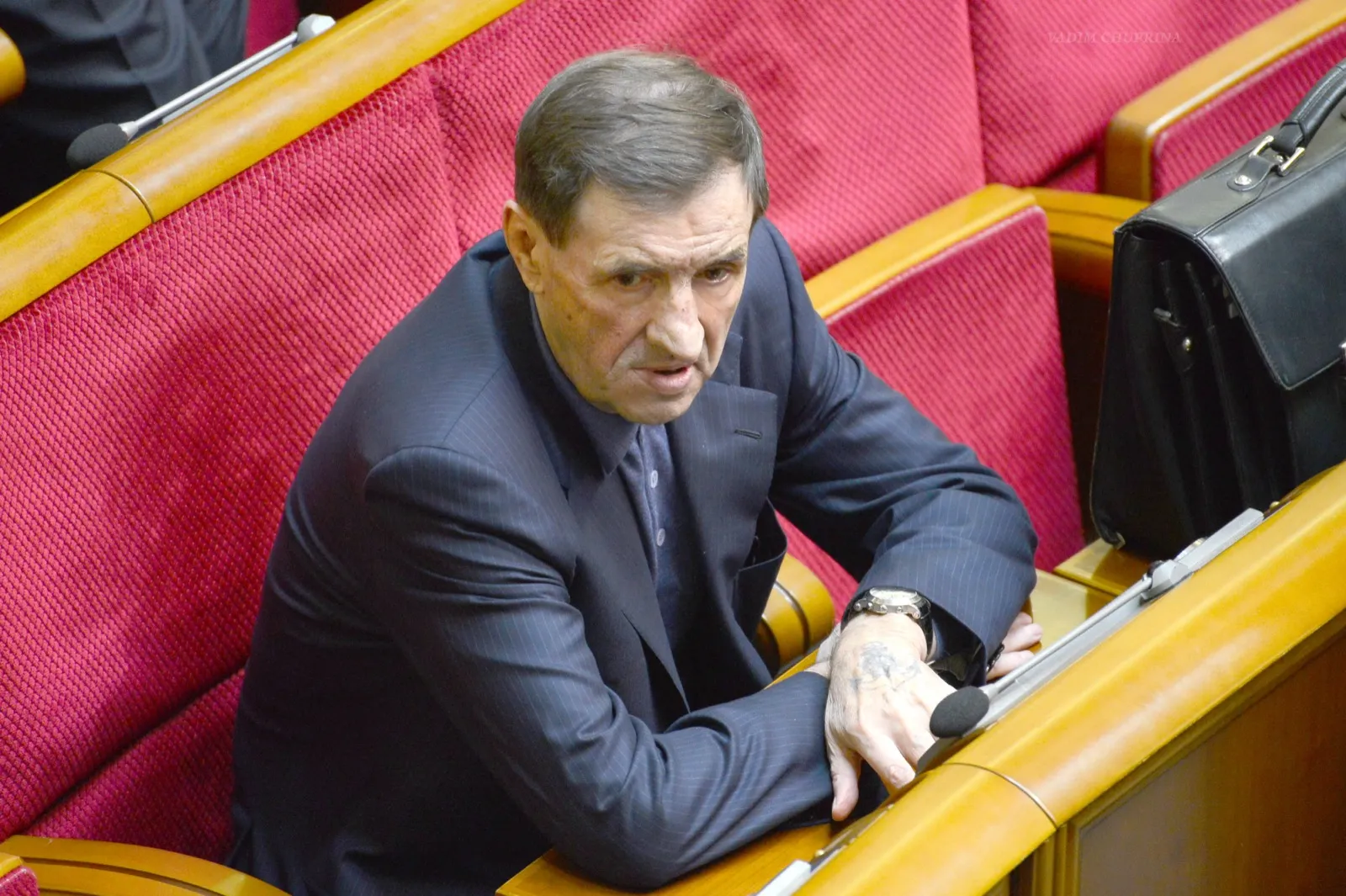
- Member of the first Verkhovna Rada (1990–1994); leader of the Ukrainian Republican Party (1992–1995)
How to link Lviv and Kyiv without a wire
How do you link Lviv and Kyiv without a single wire? You join hands. Mykhailo Horyn suggested it for the anniversary of the 1919 Act of Union. A comrade recalled that some of Rukh’s leaders doubted it could be done, and the idea won by a single vote. It worked: in January 1990 hundreds of thousands of people stood shoulder to shoulder from Lviv to Kyiv.
The boy they failed to deport
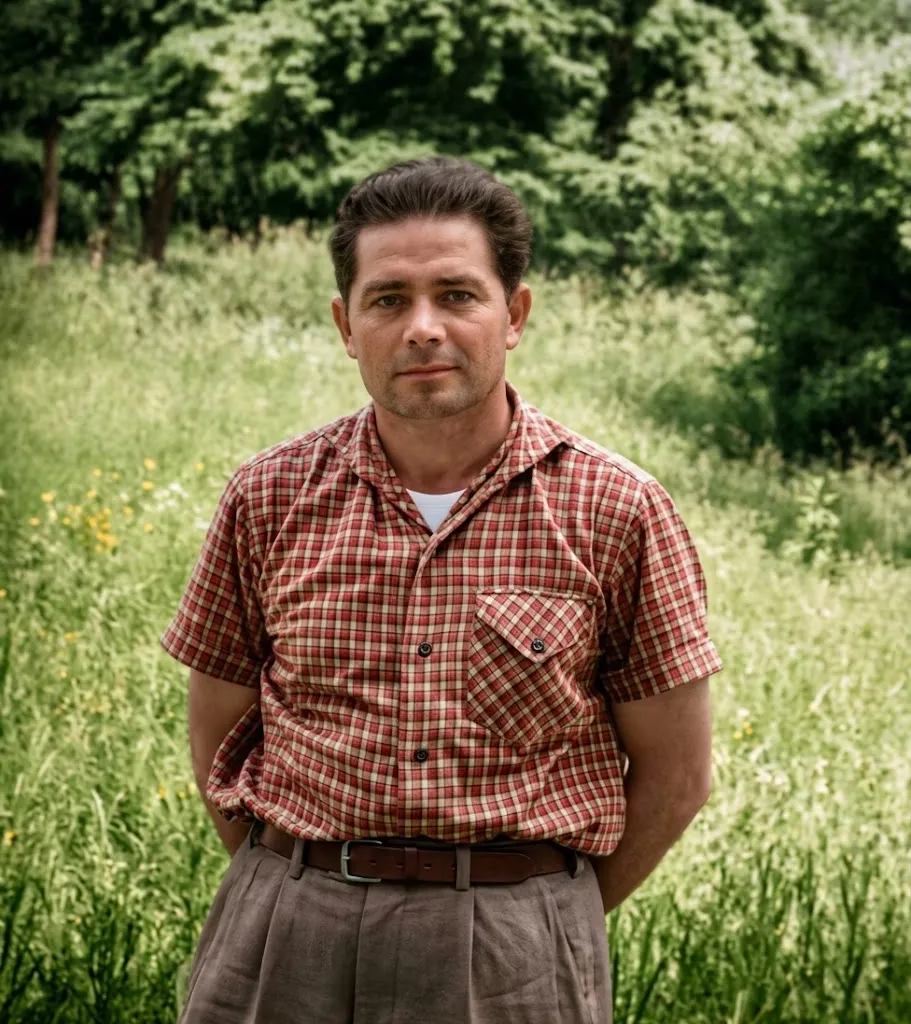
Mykhailo Horyn was born in 1930 in the Lviv region. His father ran the village Prosvita reading society and later joined the Ukrainian Insurgent Army (UPA). In December 1944 the Soviet secret police (NKVD) tried to deport his mother and her sons to Siberia, but they escaped on the way. In 1953 Lviv University expelled him for refusing to join the Komsomol, the Communist youth league. Only the rector’s help got him back in.
The psychologist who predicted the arrests
In 1961 Horyn set up the first experimental laboratory of labour psychology in the USSR, at a Lviv factory. In 1962 he met the Kyiv Sixtiers: Ivan Svitlychnyi, Ivan Dziuba, Ivan Drach. With his brother Bohdan and Ivan Hel, Mykhailo spread samvydav, texts passed from hand to hand past the censors, and helped found Lviv’s Prolisok Club of Creative Youth.
Comparing the KGB’s methods with those of the tsarist gendarmes, he predicted that the arrests would come in 1964–1965. He was right: in August 1965 Horyn was arrested and sentenced to 6 years in the camps. For spreading samvydav among the prisoners in Mordovia he was moved to Vladimir prison for 3 more years.
The second wave
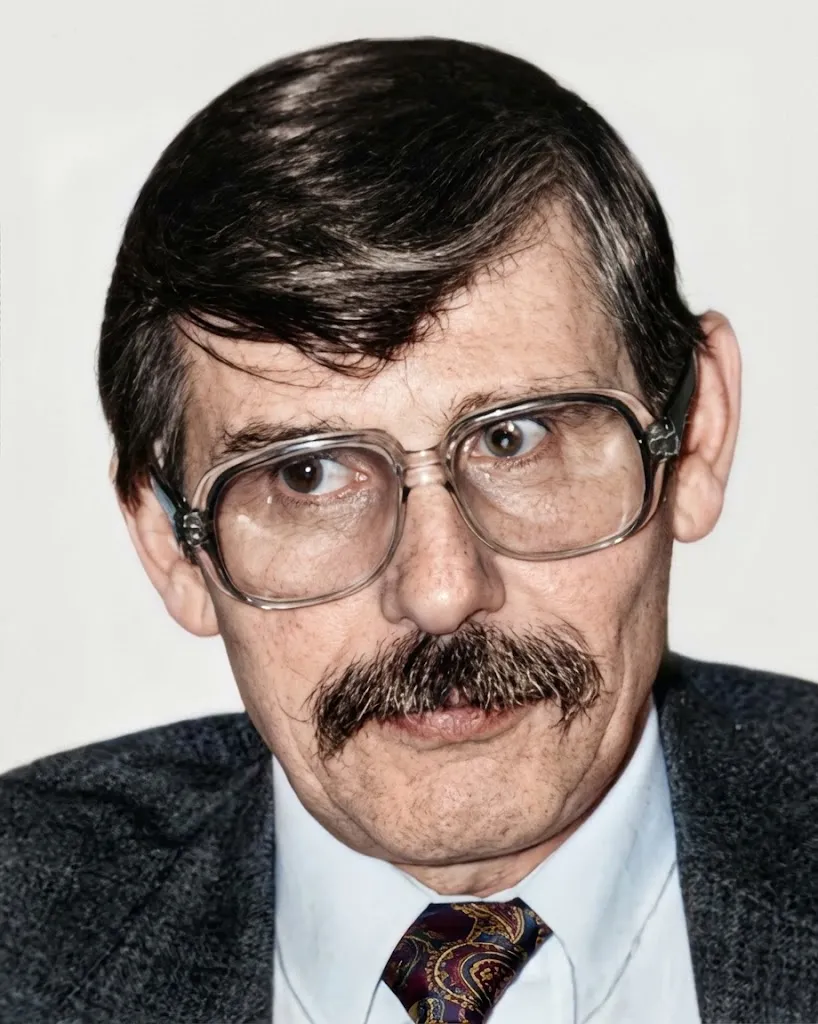
After his release in 1971 he was not allowed to register in Lviv, where his family lived. To avoid a charge of “parasitism”, he took a job as a train driver in the Rivne region, and later as a boiler stoker. In 1976 he helped draft the founding documents of the Ukrainian Helsinki Group, set up by Mykola Rudenko, Oksana Meshko and their friends. He chose not to join yet, so he could carry on the work once the first members were arrested. After the arrests, he was the one who put out the group’s bulletins.
In 1981 forged documents were planted on him during a search. Horyn went on hunger strike and on the tenth day had a heart attack. The sentence: 10 years in camps and 5 years of exile, partly for refusing to testify in the case of the political prisoner Ivan Kandyba.
A psychologist in the Kuchino camp
In the Kuchino camp in the Urals, where Oleksa Tykhyi, Valerii Marchenko and Vasyl Stus died in the 1980s, Horyn wrote psychological portraits of these comrades and of Yurii Lytvyn. After several heart attacks, a cellmate recalled, a new camp doctor decided that Horyn had to be let go. He was pardoned on 2 July 1987.
The man who built Rukh
By August he and Viacheslav Chornovil had revived the samvydav journal Ukrainian Herald. In 1989 Horyn became one of the founders of Rukh and head of its secretariat. He proposed marking 500 years of the Cossacks in the Zaporizhzhia region in 1990. He died in Lviv in 2013.
Why it matters today
Mykhailo Horyn knew how not just to call people but to bring them together: in the camp, in Rukh, along the road from Lviv to Kyiv. His human chain showed that Ukraine could stand as one, hand in hand. Two sentences did not break him, and he came back from the camp not to rest but to build an independent state. Anyone who brings people together around a common cause today carries on what he did.