1920–2004
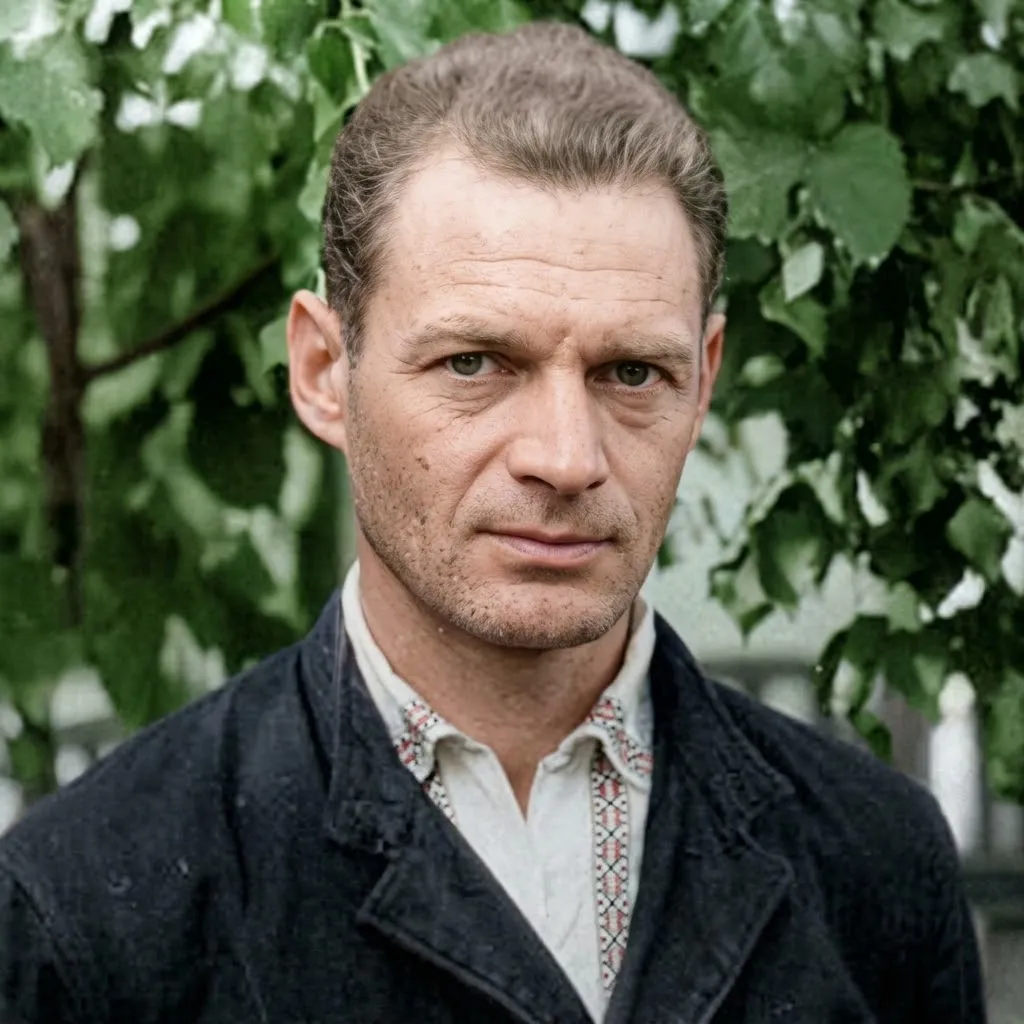
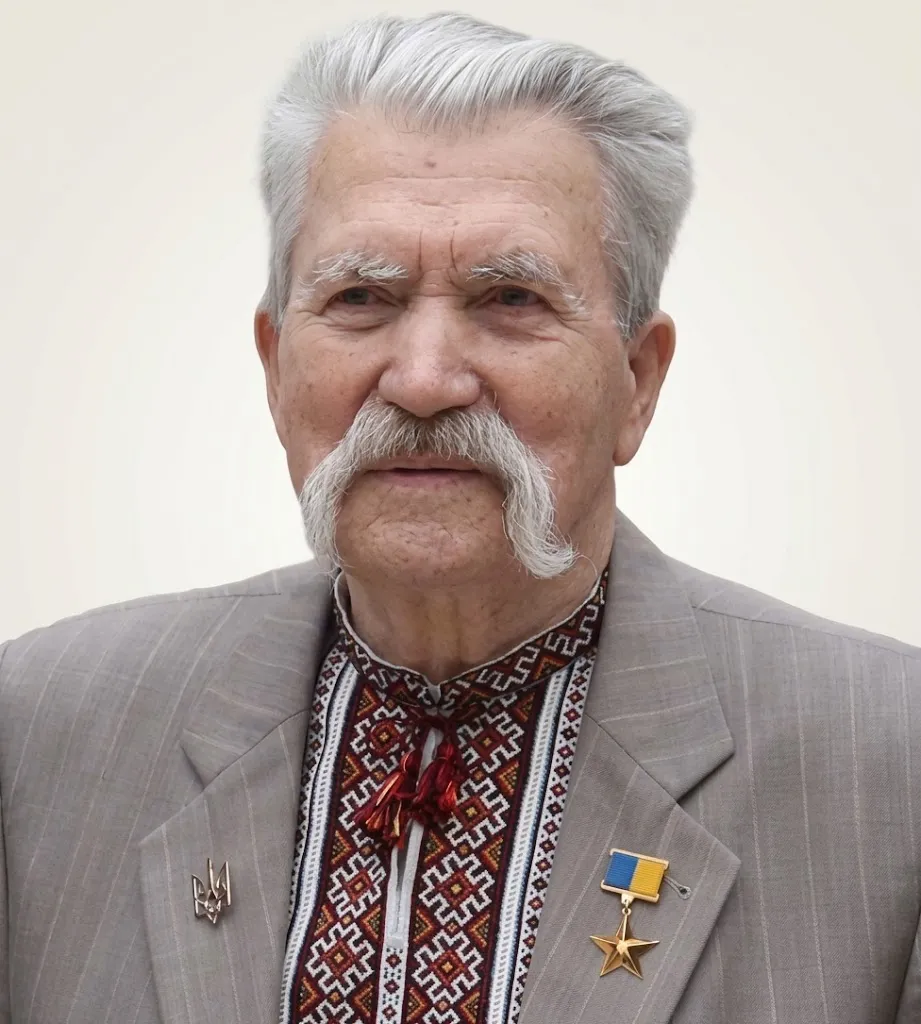
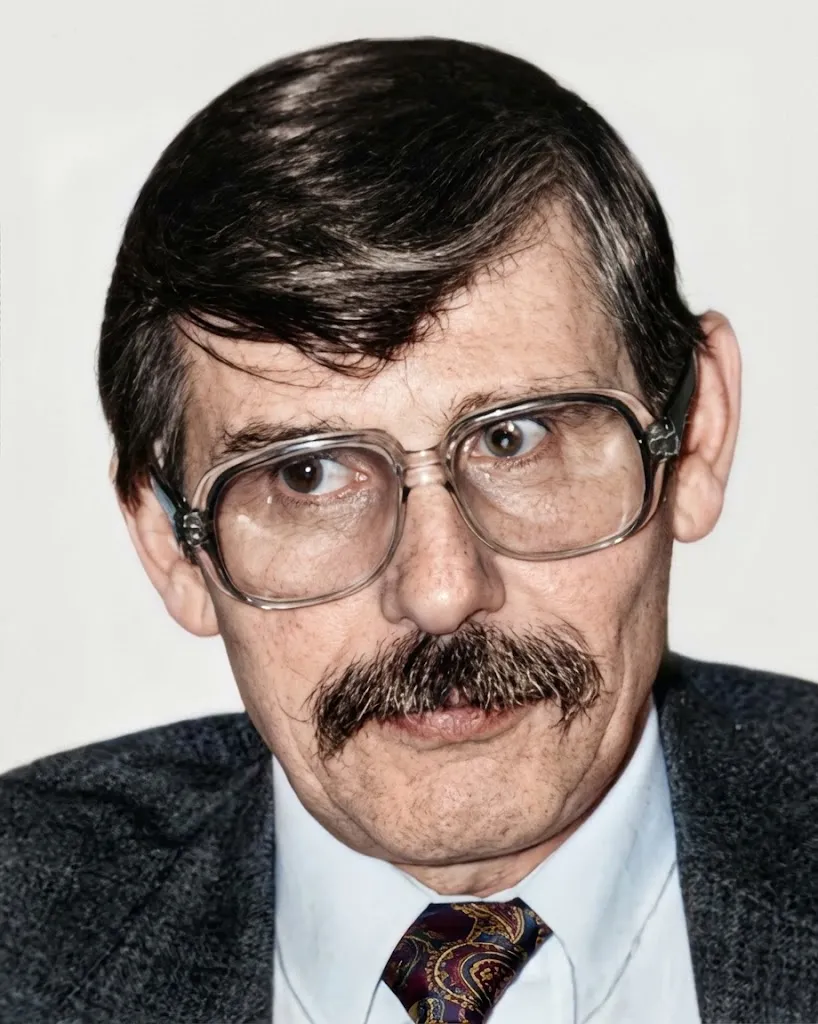
Mykola Rudenko
Founder of the Ukrainian Helsinki Group
A war veteran, loyal communist and magazine editor decided that Marx had got it wrong. The writer Mykola Rudenko went on to found the Ukrainian Helsinki Group, paid for it with 7 years in the camps and more than 3 in exile, and in 2000 was made a Hero of Ukraine.
Key accomplishments
- Founder and first head of the Ukrainian Helsinki Group (1976)
- The philosophical works Economic Monologues (samvydav, 1975) and The Energy of Progress, in which he took issue with Marx's economics
- The Cross (1976), a long poem about the famine of 1933
- Head of the Ukrainian Helsinki Group's representation abroad (from 1988)
- Shevchenko Prize for the novel Orlova Balka (1993); Hero of Ukraine (2000)
The communist who argued with Marx
Mykola Rudenko was born in 1920 in Yurivka, in the Luhansk region, into a miner’s family. In 1939 he joined the army, hiding the fact that a childhood injury had left him blind in one eye. In October 1941, near Leningrad, a bullet shattered his pelvis and spine. The doctors doubted he would ever walk again. He did.
After the war Rudenko became a poet, the editor of the magazine Dnipro and the party secretary of the Writers’ Union, and he wrote science fiction novels too, such as The Magic Boomerang. In 1949, when the authorities were hounding Jewish writers as “cosmopolitans,” he refused to write the damning references they demanded of him.
The turning point came when the Twentieth Party Congress condemned Stalin’s “cult of personality.” Rudenko sat down with Das Kapital and concluded that Marx was wrong at the root: wealth comes not from exploiting workers but from the sun’s energy, captured by plants, together with a farmer’s work on the land. For the ideas in Economic Monologues and The Energy of Progress he was thrown out of the party in 1974 and out of the Writers’ Union in 1975, and took a job as a night watchman.
The group that was answered with bricks
On 9 November 1976, in Moscow, Rudenko told foreign journalists that the Ukrainian Helsinki Group had been founded. It collected evidence of human rights abuses that the USSR had promised to stop when it signed the Helsinki Accords. That same evening bricks came through the windows of his flat near Kyiv; the human rights activist Oksana Meshko, who was staying the night, was hit in the shoulder.
Rudenko was arrested in February 1977 and tried that summer, together with Oleksa Tykhyi, in the small town of Druzhkivka in the Donetsk region: 7 years in a strict-regime camp and 5 years of exile. One of the prosecution witnesses was Professor Illia Stebun, one of the very writers Rudenko had stood up for in 1949. All 17 of his works were pulled from libraries, yet while he was inside, 10 of them were smuggled to the West and published there, among them the long poem The Cross and the novel Orlova Balka. His wife Raisa was later sentenced too, for standing by him.
Coming home
At the end of 1987 the Rudenkos were freed from exile in the Altai village of Maima, but they had no home to go back to: after Raisa’s arrest the authorities had confiscated their Kyiv flat. They left for the West, where Rudenko worked for Radio Liberty and Voice of America and headed the group’s representation abroad. In 1990 he came back to Kyiv. In 1993 he received the Shevchenko Prize for the novel Orlova Balka, and in 2000, on his 80th birthday, the title Hero of Ukraine “for actively and consistently defending the idea of building an independent Ukrainian state.” He died in 2004.
Why it matters today
Rudenko had everything the Soviet system gave its loyal servants: posts, recognition, a comfortable life. He gave it up because he could not keep quiet about a lie. The Helsinki Group he founded showed that you could stand up to the system openly, armed with the law and with the promises the regime itself had made. And the independent Ukraine he was jailed for later named him a Hero for exactly that fight. His life shows it is never too late to change your mind and choose the truth.