1928–2014
Yevhen Sverstiuk
Essayist and critic of the Sixtiers
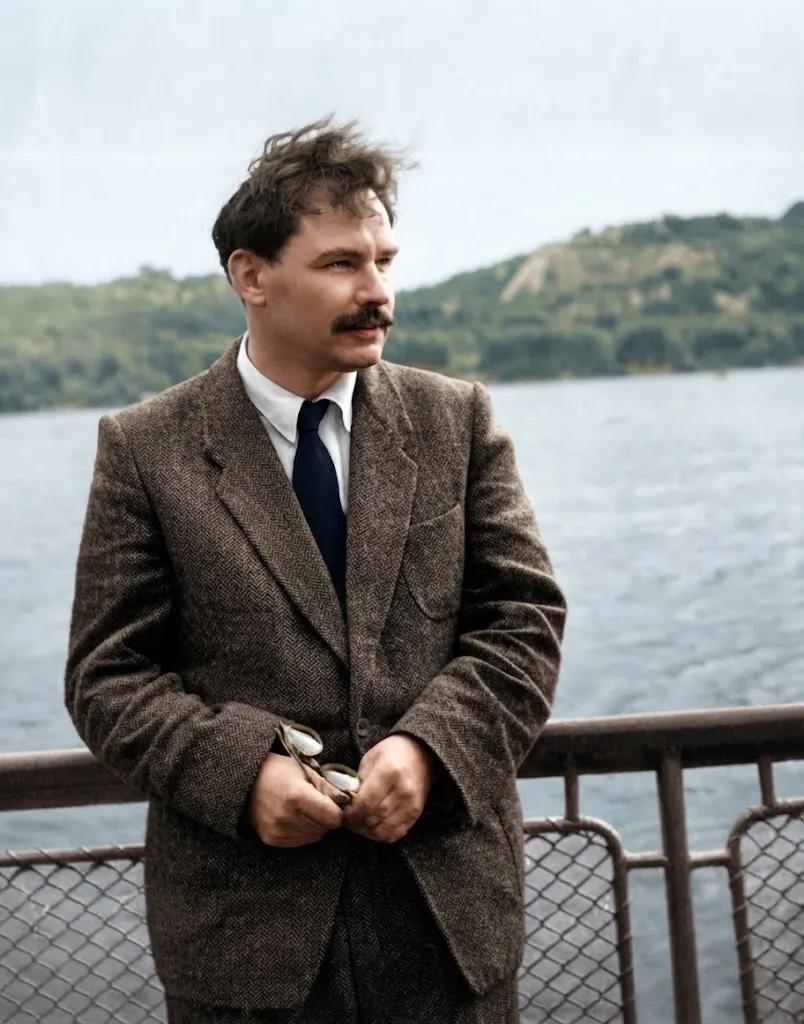
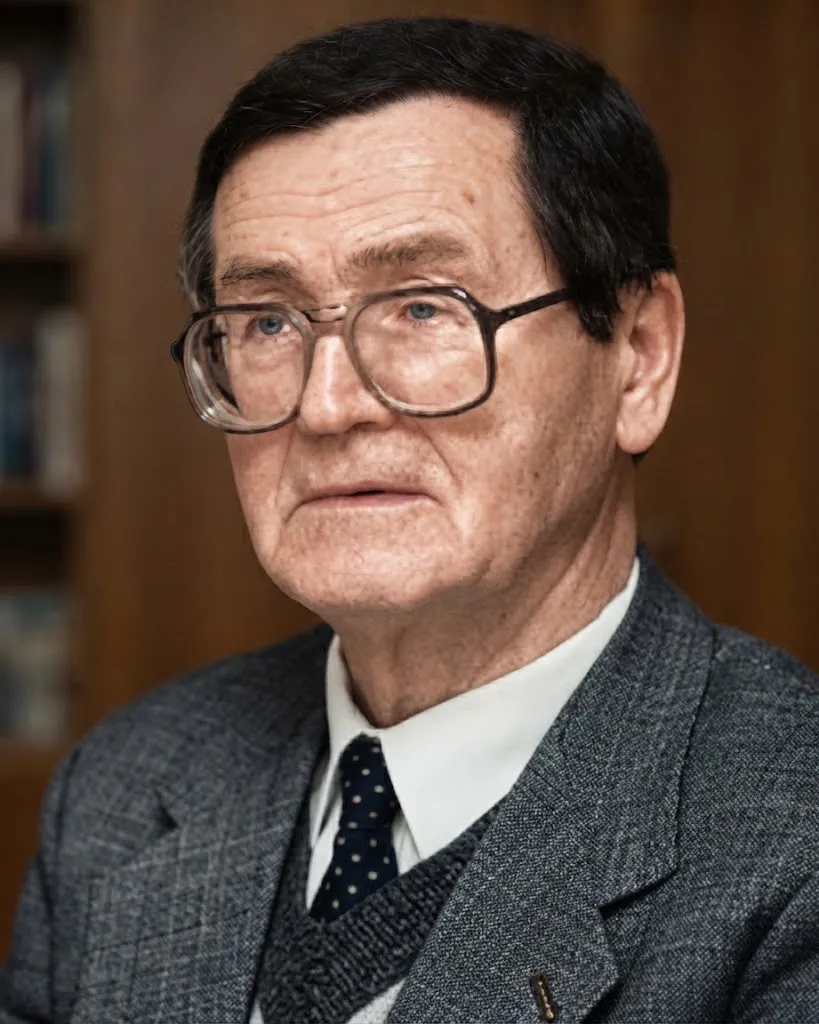
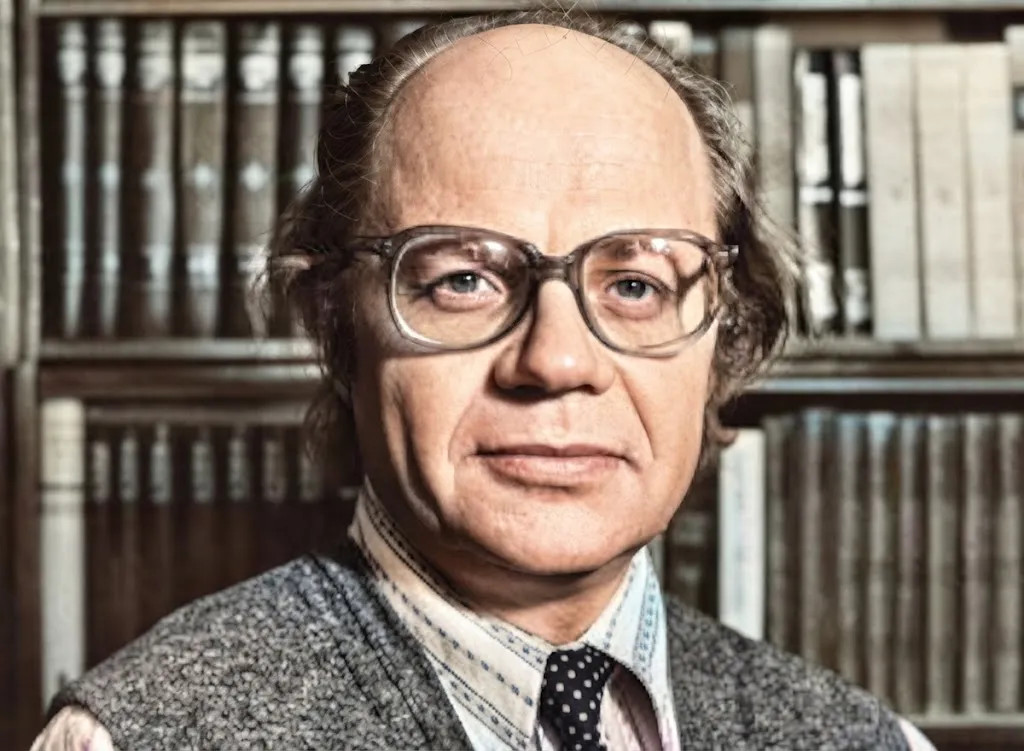
The main evidence against him in court was a book about someone else’s novel. Yevhen Sverstiuk, an essayist of the Sixtiers, was sentenced to 12 years in camps and exile for his samvydav writing, and in independent Ukraine he led Ukrainian PEN and edited the newspaper Nasha Vira.
Key accomplishments
- The essay A Cathedral in Scaffolding (samvydav; Paris, 1970)
- The samvydav pamphlet On the Trial of Pohruzhalskyi, written with Ivan Svitlychnyi
- Founder and editor of the newspaper Nasha Vira (from 1989), president of the Ukrainian PEN Centre (from 1993)
- The Shevchenko Prize (1995) for the essay collection Prodigal Sons of Ukraine
Sentenced for a book about someone else’s novel
When Oles Honchar wrote his novel The Cathedral, Yevhen Sverstiuk answered it with an essay, A Cathedral in Scaffolding. It circulated in samvydav (samizdat), retyped and passed from hand to hand out of the censors’ reach, and in 1970 it came out as a book in Paris. That same year Radio Liberty began broadcasting Sverstiuk, and those broadcasts later ended up in his criminal case. The book itself became the main evidence against him.
From a Volhynian village to the Club of Creative Youth
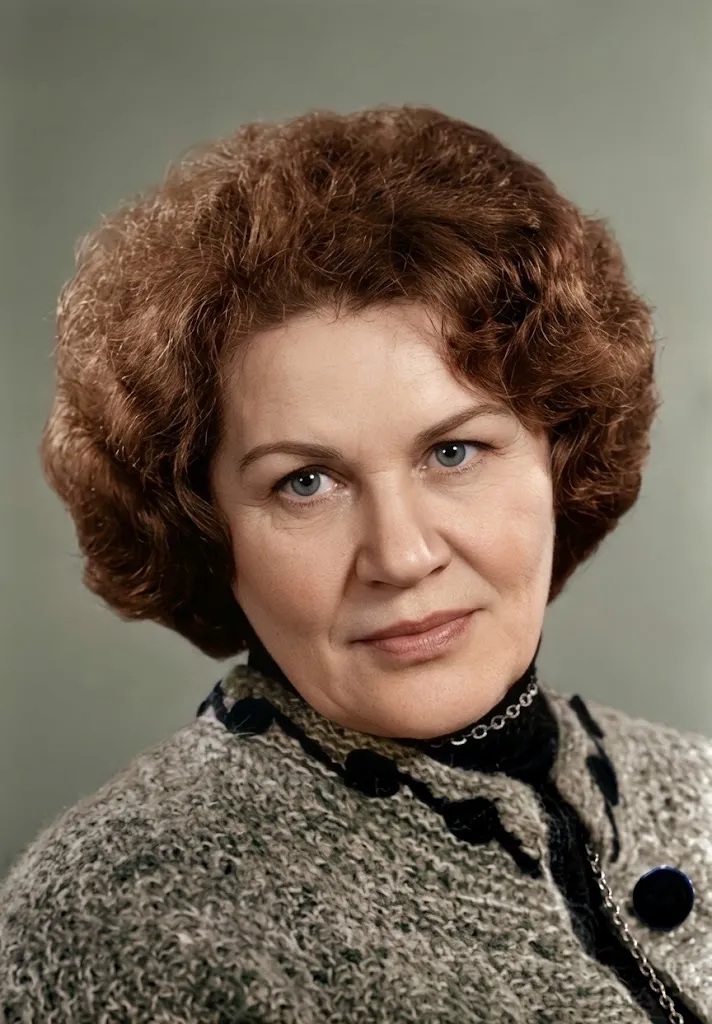
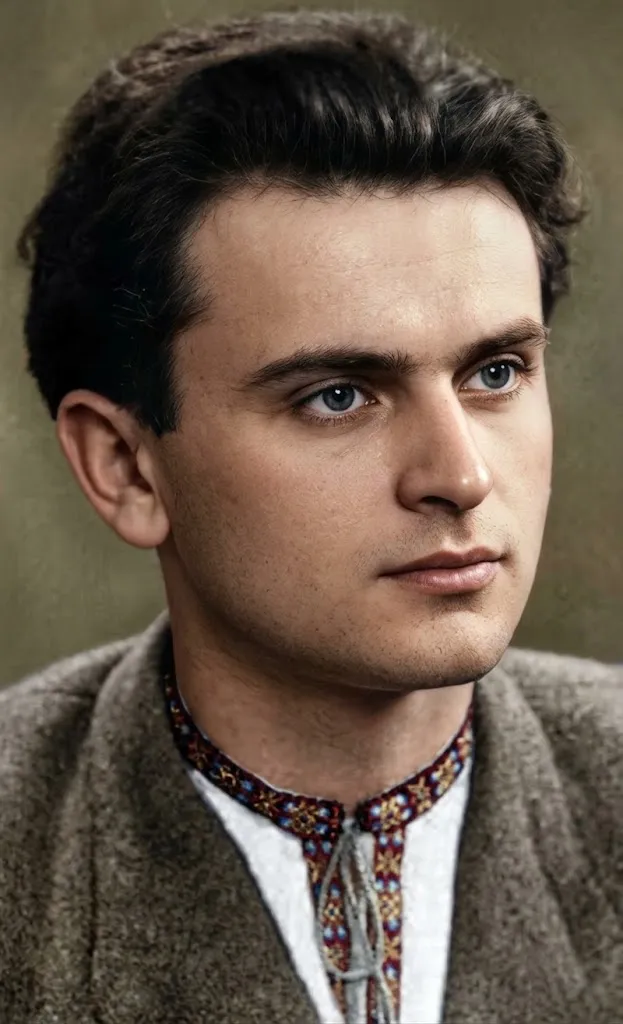
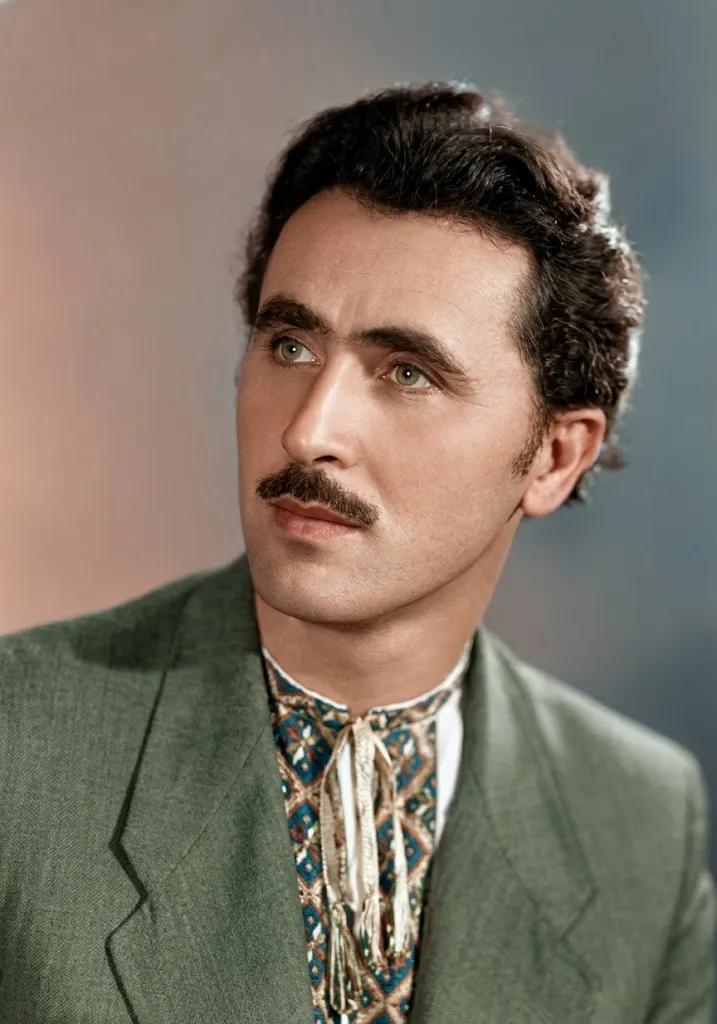
Sverstiuk was born in the village of Siltse in Volhynia. His documents give 13 December 1928, but he was actually born a year earlier, in 1927. He graduated from Lviv University, taught school and literature, and worked at a research institute and on journals, and four times he was fired for political reasons. From 1960 he was one of the most active members of the Club of Creative Youth in Kyiv, alongside Alla Horska, Ivan Dziuba, Lina Kostenko and Vasyl Stus. In 1964 he spoke at an evening in memory of Vasyl Symonenko. With Ivan Svitlychnyi he anonymously wrote On the Trial of Pohruzhalskyi, a pamphlet about the arson at the Central Scientific Library in Kyiv and one of the sharpest samvydav texts of the 1960s. And in 1970 Sverstiuk gave a speech at Alla Horska’s funeral.
Seven years in camps, five in exile
Sverstiuk was arrested on 14 January 1972. In 1973 he was convicted of “anti-Soviet agitation and propaganda” together with Svitlychnyi: 7 years in strict-regime camps in the Perm region and 5 years of exile in Buryatia. In the camp he joined political prisoners’ hunger strikes and protests. When PEN admitted him in absentia, he joked in a letter that he was now entitled to free rail travel in England. In exile he worked as a carpenter. He was freed in 1983.
Words that outlived the censors
Back in Kyiv, Sverstiuk made a living as a carpenter. In the summer of 1987, at the semi-legal Ukrainian Culturological Club, he gave a lecture for the 50th birthday of Vasyl Stus, who had died in the camps, and announced that he had sent Stus’s text to the London centre of International PEN. In 1988 a trip to the US embassy for a meeting of dissidents cost Sverstiuk even his carpentry job. His articles were printed again only in the late 1980s. In 1989 he founded the newspaper Nasha Vira (Our Faith) and edited it, and in 1993 he became president of the Ukrainian PEN Centre. That same year the former political prisoner earned a doctorate in philosophy at the Ukrainian Free University in Munich, on Ukrainian Literature and the Christian Tradition. In 1995 his essay collection Prodigal Sons of Ukraine won him the Shevchenko Prize, and in 2008 he was awarded the Order of Freedom. He was a member of the First of December initiative group, set up for the 20th anniversary of independence to rouse society to active nation-building. Yevhen Sverstiuk died in Kyiv on 1 December 2014, the anniversary of the 1991 referendum in which the people confirmed Ukraine’s independence.
Why it matters today
Yevhen Sverstiuk stood up for the right to think and write freely when it got people fired and tried. For his writing he was sentenced to 12 years in camps and exile, and once free he wrote again and became a voice of free speech in independent Ukraine. He wrote of “the eternal quiet language of truth”, and his life shows that this language cannot be drowned out. Anyone who writes honestly today, even when it is awkward, speaks it.