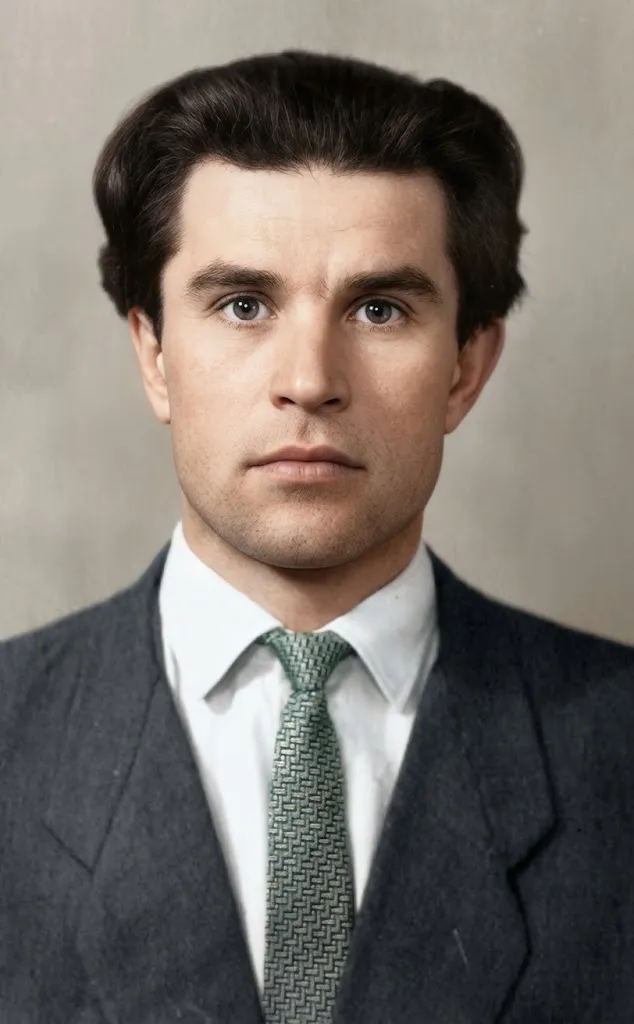
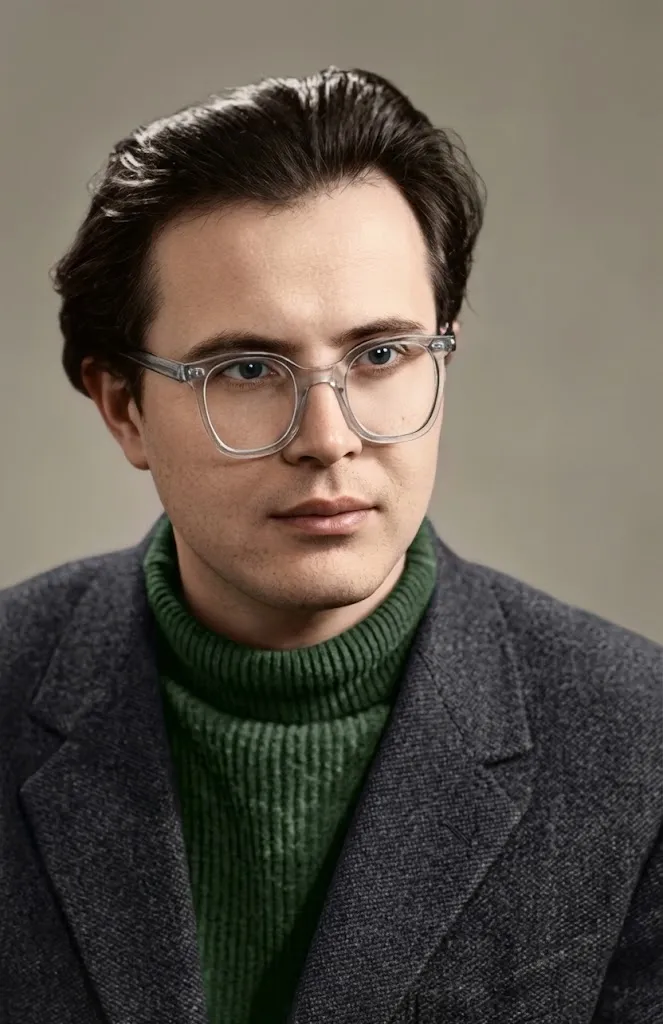
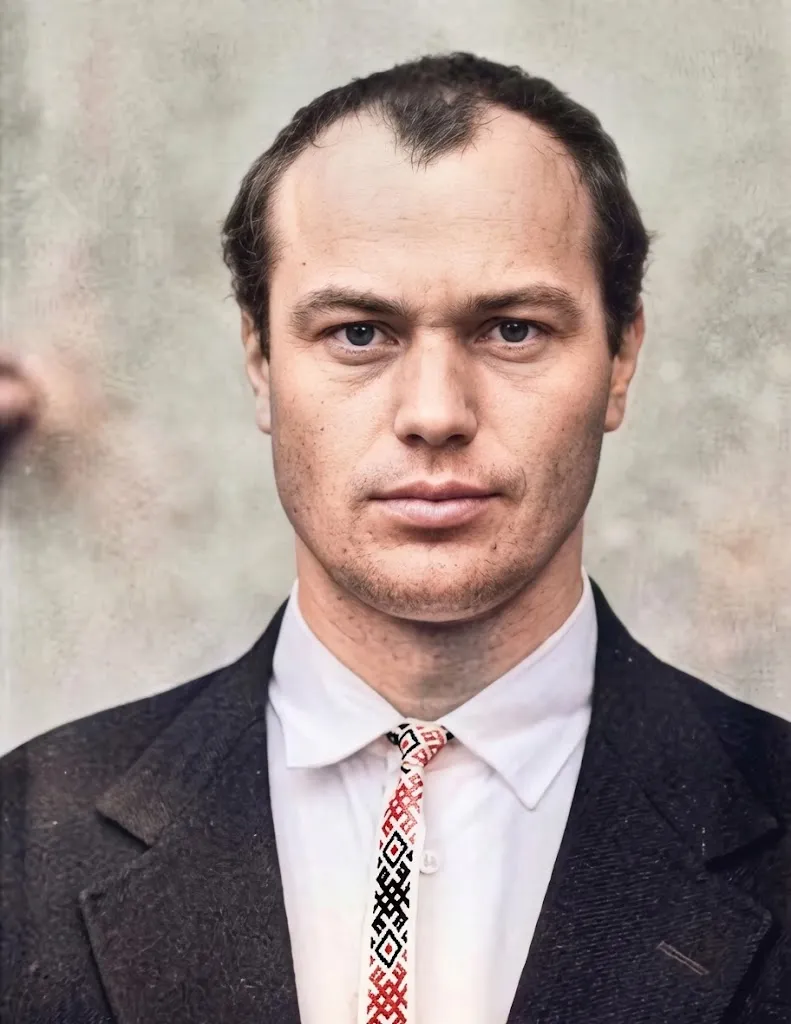
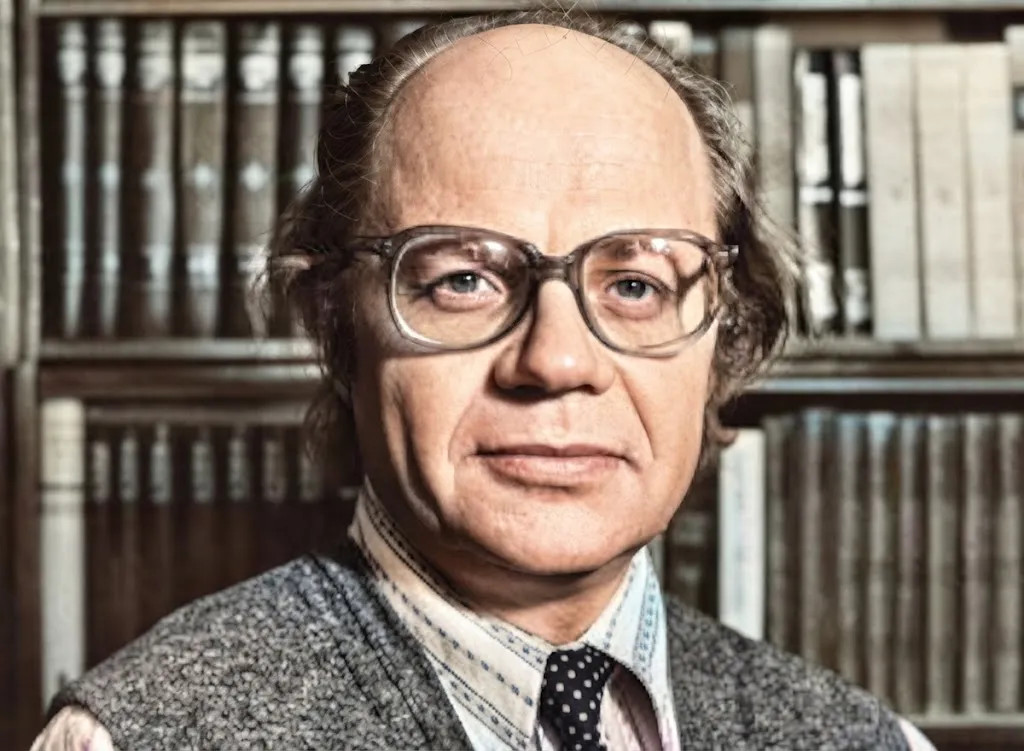
1937–1995
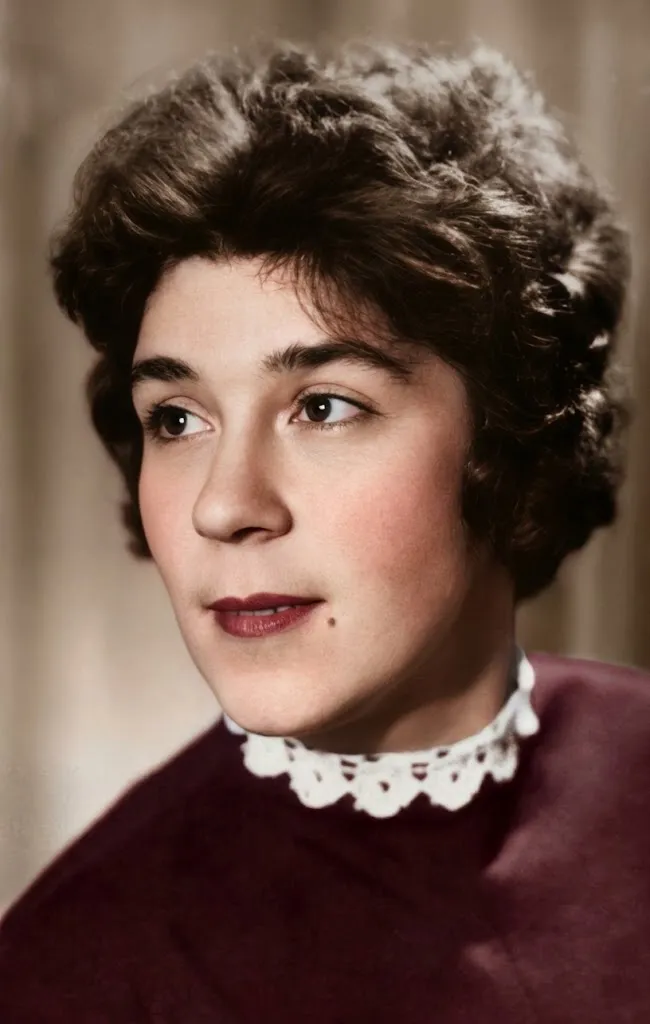
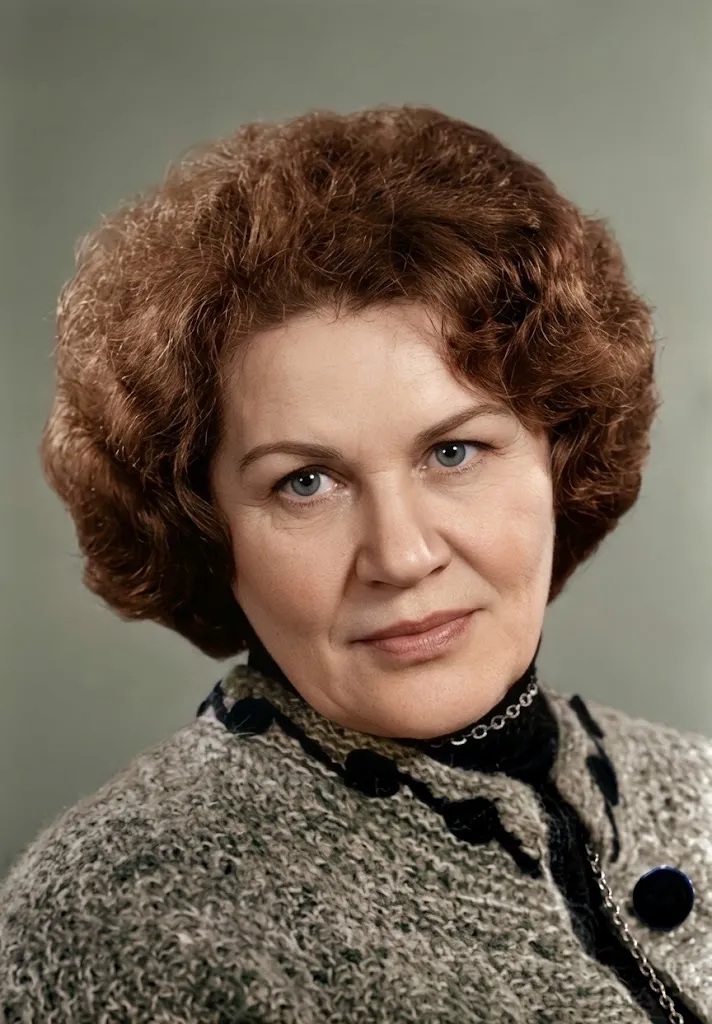
Yevhen Hutsalo
Writer of more than 200 stories
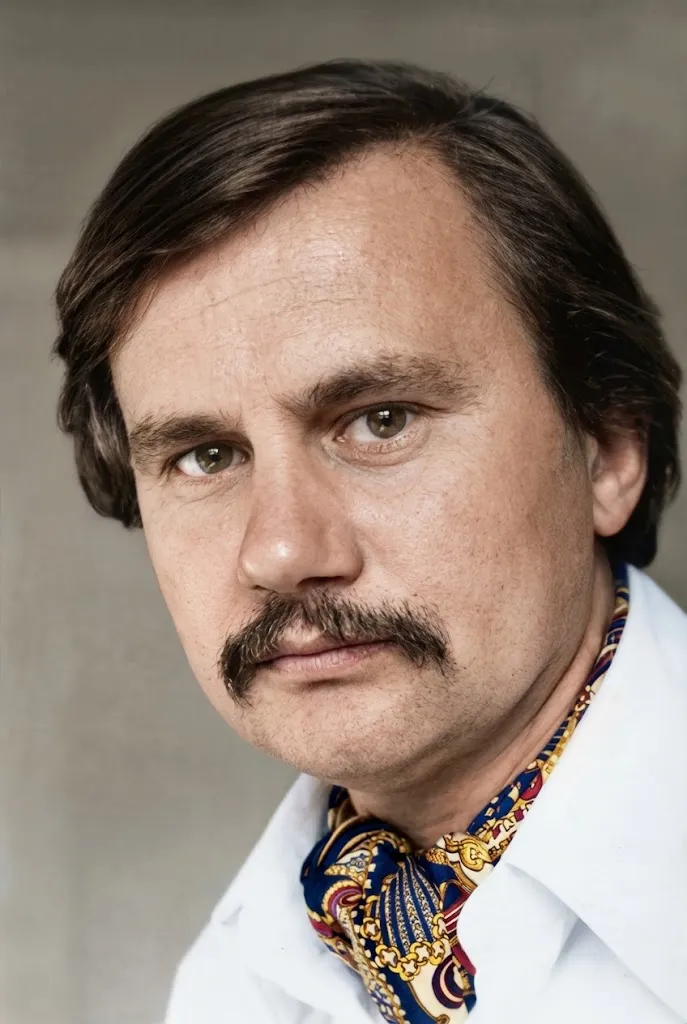
One of his novels grew out of a joking folk song about women selling their husbands at the market. Yevhen Hutsalo, a prose writer of the Sixtiers generation, wrote more than 200 lyrical stories about the village, nature, love and children, and worried about the future of his language.
Key accomplishments
- His first story collection, People among People (1962); more than 200 lyrical stories
- The collection In the Village of Storks (1969), one of the finest Ukrainian books about children
- The novellas Girls of Marrying Age (1971) and School Bread (1973)
- The trilogy The Borrowed Husband, The Private Life of a Phenomenon and Parade of Planets (1982–1984)
- The Shevchenko Prize (1985) for the children’s books Saiiora and The Horses Flew By
The borrowed husband
“Down at the fair, at the market, / the women were selling their husbands,” goes a joking Ukrainian folk song. From that motif Yevhen Hutsalo grew his novel The Borrowed Husband (1982), whose plot seems to hang on proverbs, sayings and witty turns of phrase. Behind the game lay a worry: he feared his native language would grow poorer and be forgotten.
A village teachers’ son
Hutsalo was born in 1937 in the village of Staryi Zhyvotiv in the Vinnytsia region, into a family of village teachers. He graduated from the Nizhyn Pedagogical Institute, worked for newspapers and a publishing house, and began to publish in 1960. His first story collection, People among People, came out in 1962.
In the 1960s he was seen as one of the Sixtiers, the generation that rejected Stalinist methods and pushed for freedom in culture. He is counted, with Hryhir Tiutiunnyk and Volodymyr Drozd, among the most prominent prose writers of that generation. Later, scholars write, Hutsalo chose the safe life of an official writer over opposition. Most of his work was written in Soviet times, when some self-censorship was unavoidable.
Two hundred stories and a singing village
Lyrical short stories came most naturally to him: he wrote more than two hundred. They are full of nature, first love, children with a poet’s soul, and mothers. Some he gave a genre label of his own, the “song”: The Song of Ovdii Hora the Dandy, The Song of Varvara Sukhorada. His collection In the Village of Storks (1969) is considered one of the finest Ukrainian books about children. In the novella School Bread he portrayed village teachers in the hard post-war years, forced to collect state loans from their neighbours and to spread anti-religious propaganda.
In 1985 his children’s books Saiiora and The Horses Flew By won him the Shevchenko Prize. In his last years he also wrote political essays, among them The Horde Mentality. He died in Kyiv on 4 July 1995.
Why it matters today
Yevhen Hutsalo kept the wealth of folk speech alive in his books: in his hands proverbs, sayings and songs became the backbone of the plot, not decoration. He showed that writing about an ordinary village, about children, mothers and teachers, can become great literature. His worry for the fate of his language still sounds like a reminder today: a language is kept alive by those who live and write in it. And his stories about children and nature still teach readers to notice the beauty of the world around them.