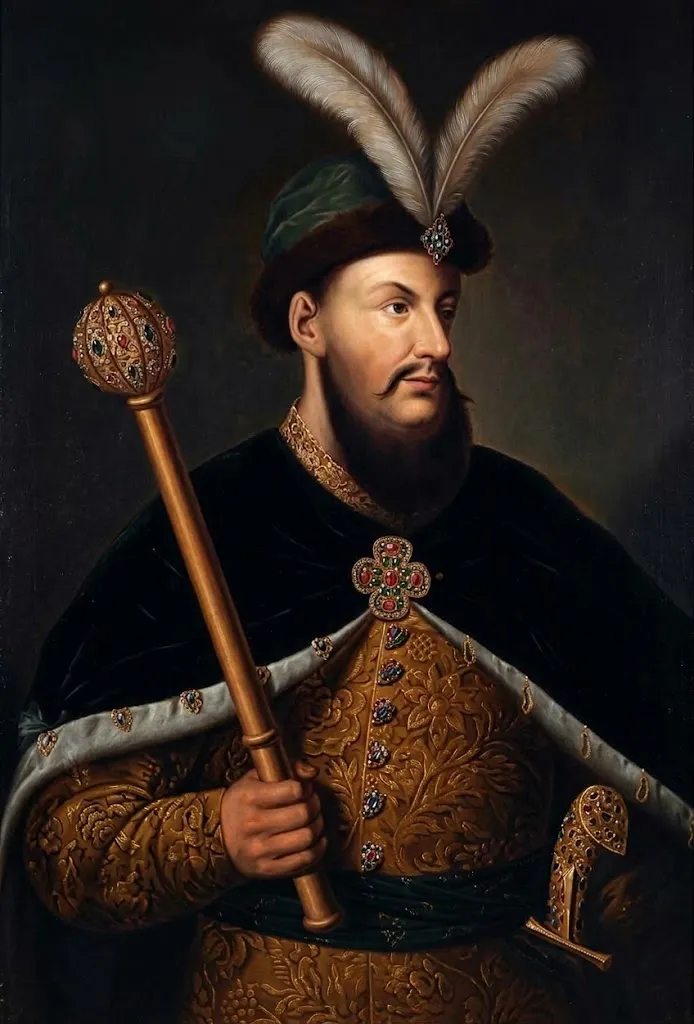
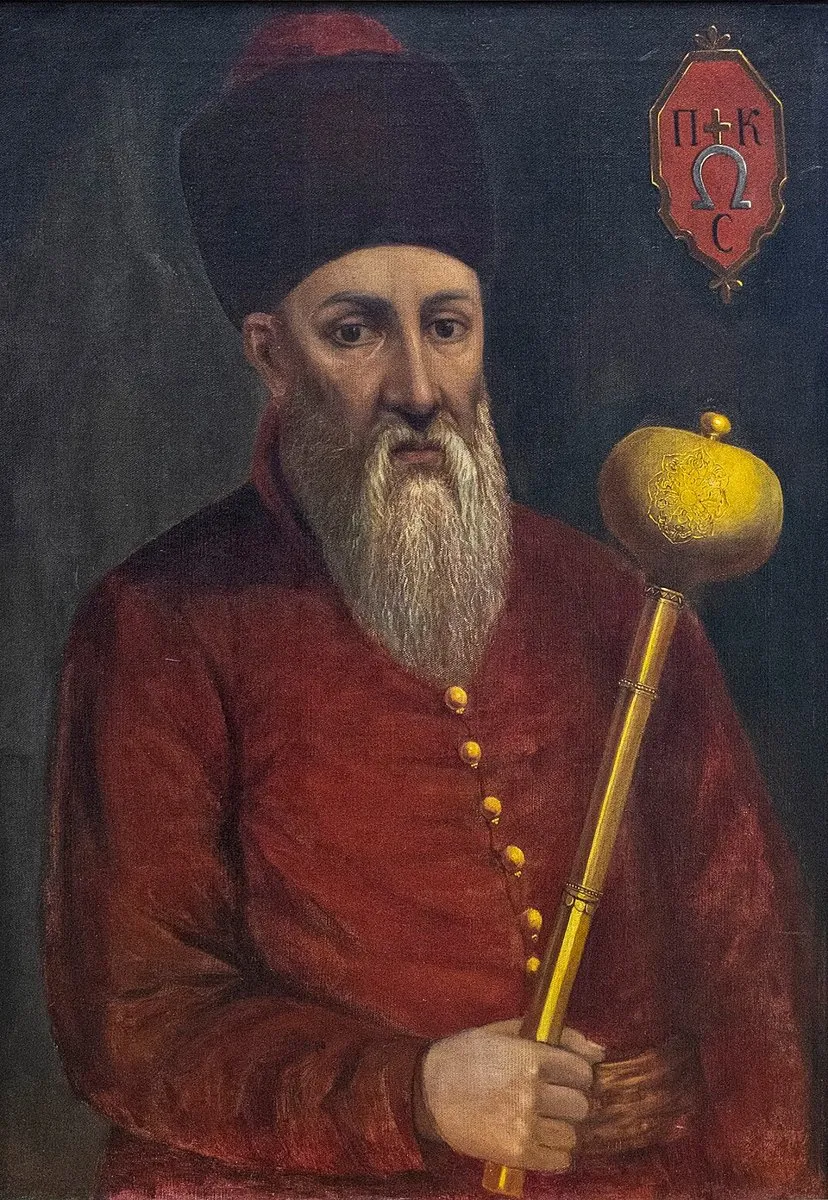
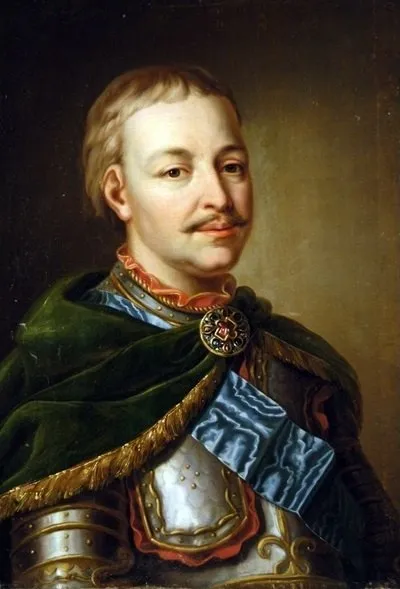
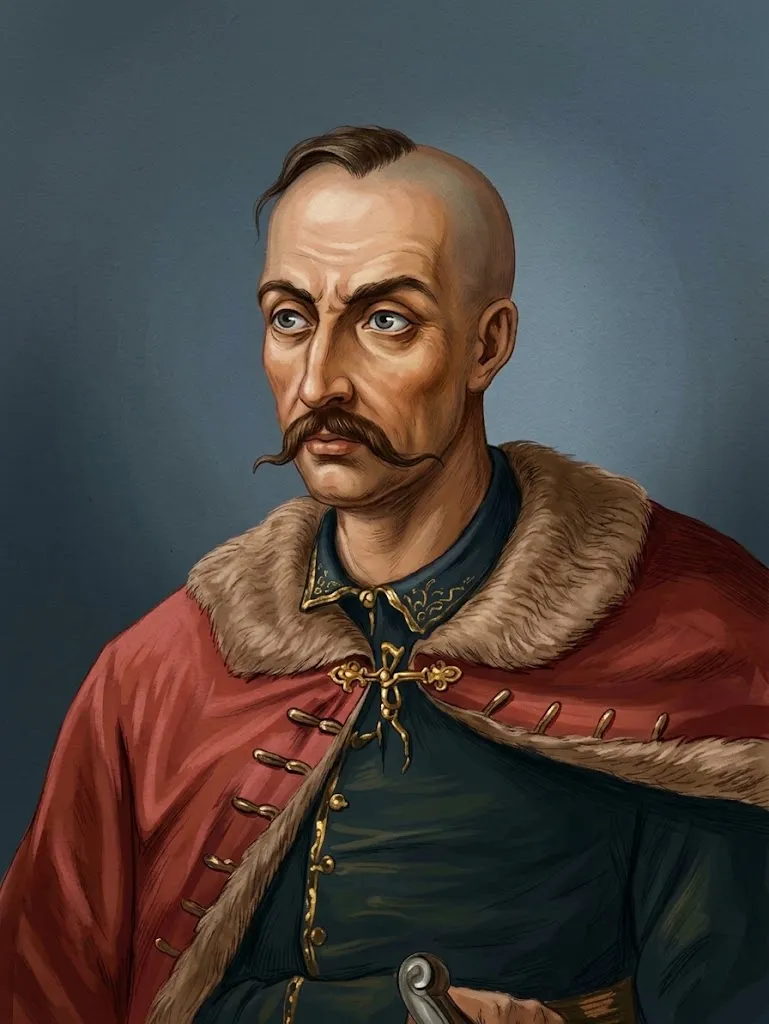
c. 1608–1664
Ivan Vyhovskyi
Hetman, victor at Konotop
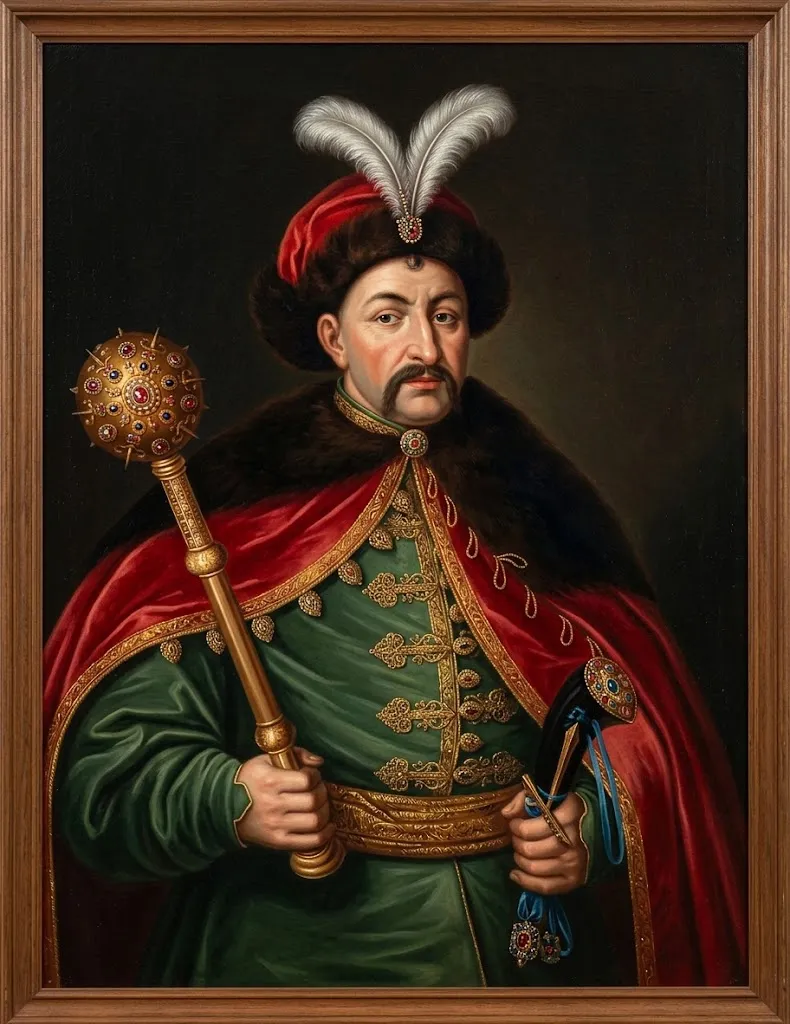
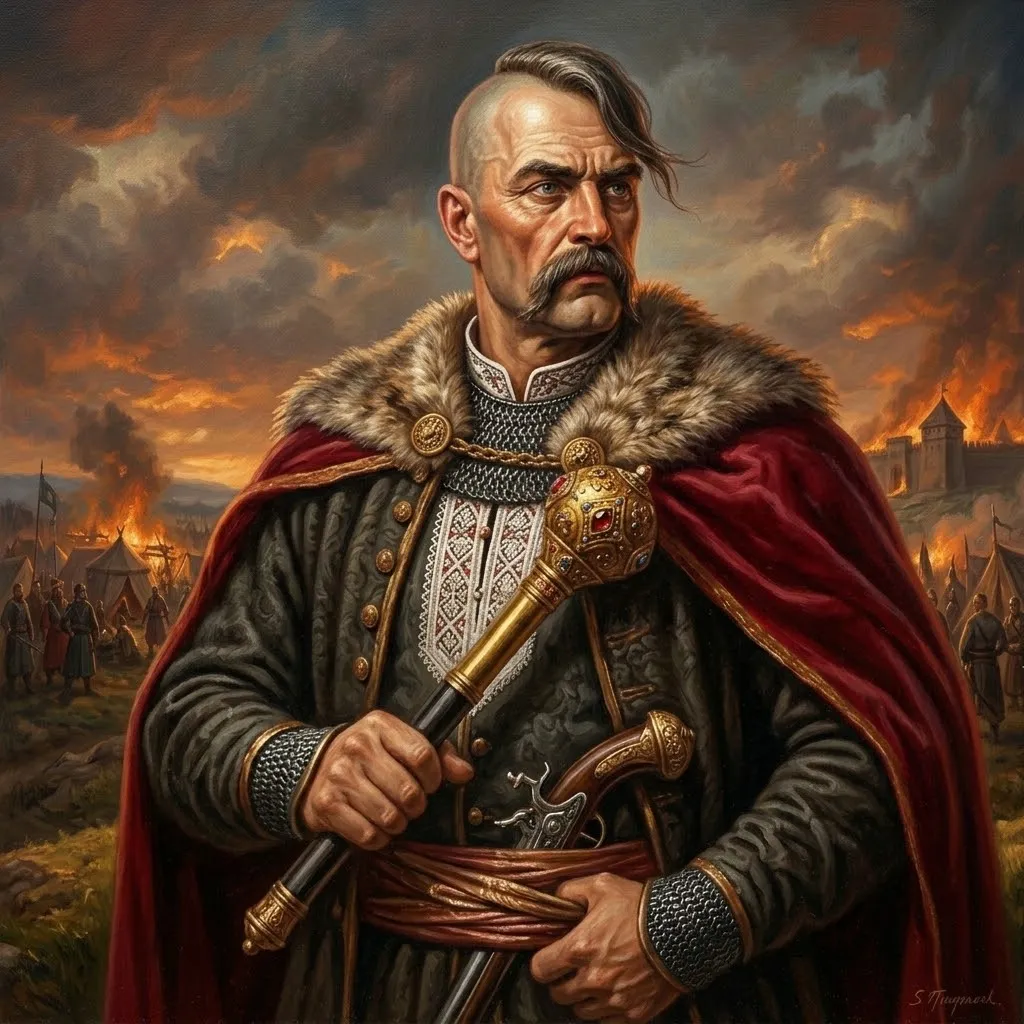
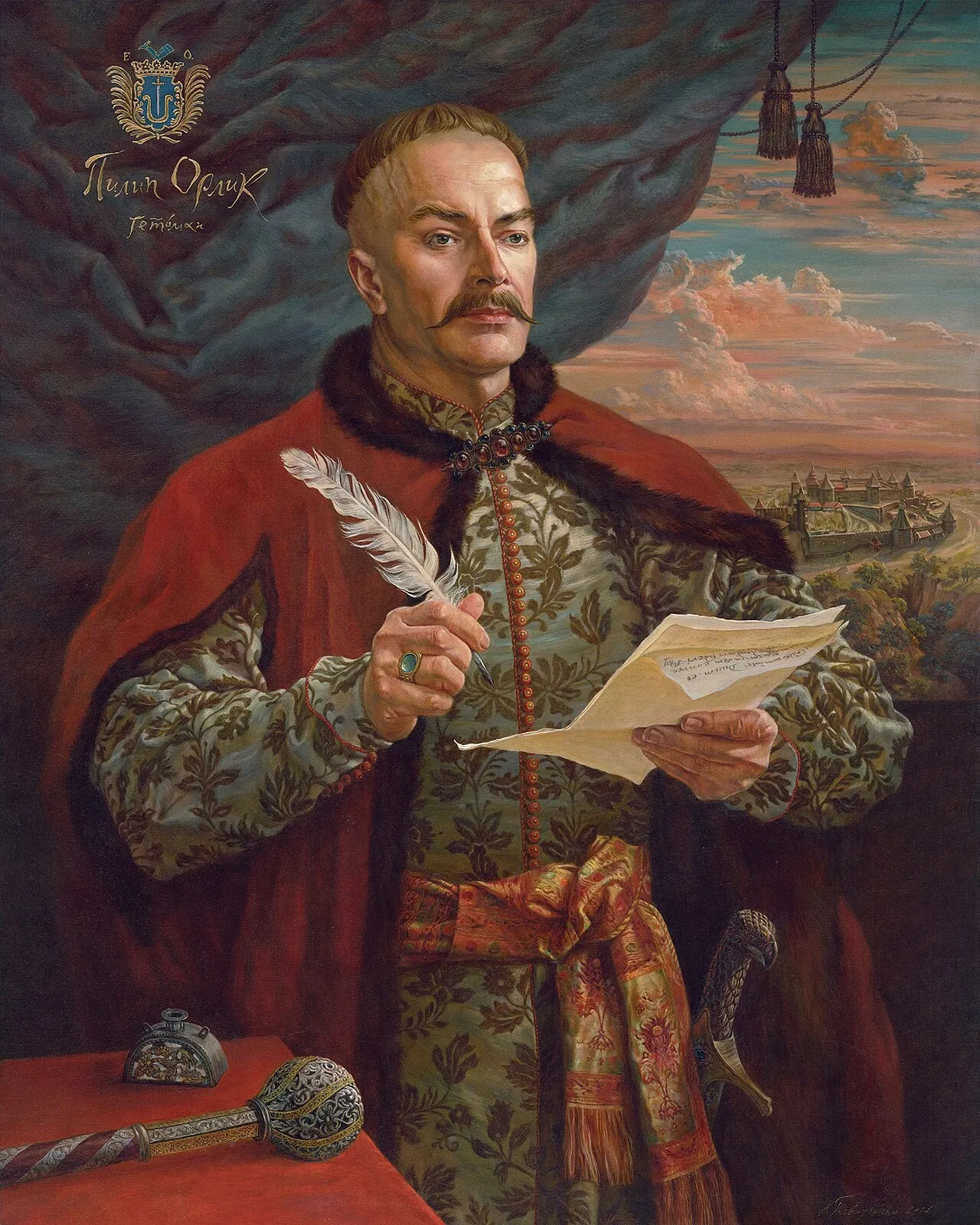
In 1648 he fought against the Cossacks and was taken prisoner by the Tatars. Khmelnytskyi bought his freedom, and nine years later Ivan Vyhovskyi was hetman himself: he signed the Treaty of Hadiach with Poland and crushed a Muscovite army at Konotop.
Key accomplishments
- General chancellor of the Zaporozhian Host under Bohdan Khmelnytskyi (from 1649–1650)
- Hetman of the Zaporozhian Host (1657–1659)
- The Treaty of Hadiach with the Polish-Lithuanian Commonwealth (1658)
- Victory over the Muscovite army at Konotop (1659)
The prisoner who became chancellor
When war broke out in 1648, Ivan Vyhovskyi was fighting against the Cossacks, not for them: he was a cavalry captain in the Polish army. At Zhovti Vody he was captured by the Tatars, who were allied with the rebels. Bohdan Khmelnytskyi paid his ransom, and Vyhovskyi went over to the Cossack side.
An educated Orthodox nobleman, he rose fast. Late in 1649 or early in 1650 he became general chancellor, in effect the head of the Cossack government. Vyhovskyi took part in the main battles and negotiations of Khmelnytskyi’s war.
A hetman between Warsaw and Moscow
When Khmelnytskyi died in 1657, the Cossack officers elected Vyhovskyi hetman. But Martyn Pushkar, colonel of Poltava, and the Zaporozhian Cossacks rose against him, and Moscow backed the opposition. In 1658 the quarrel turned into civil war.
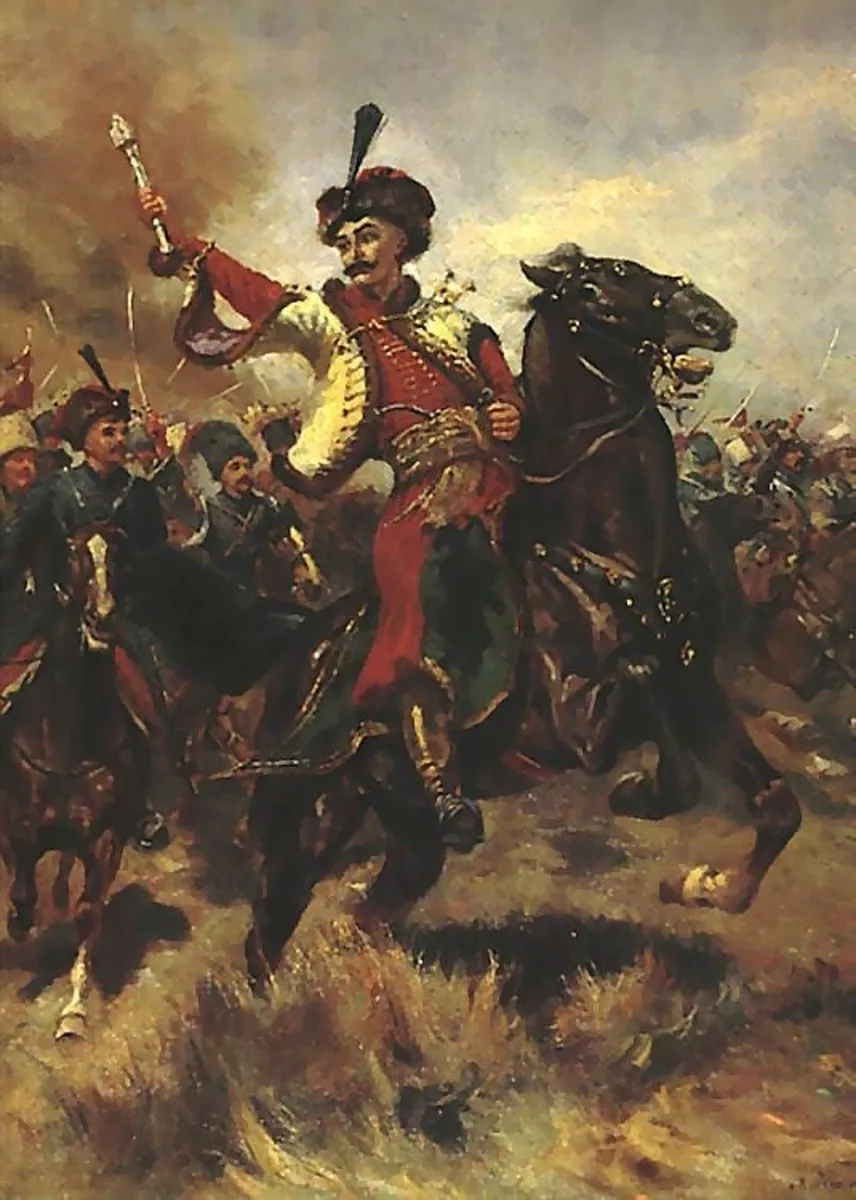
With war against Moscow looming, Vyhovskyi signed the Treaty of Hadiach with the Polish-Lithuanian Commonwealth: Cossack Ukraine was to return to the Commonwealth as an autonomous Grand Duchy of Rus’. Moscow answered with war. In the summer of 1659, near Konotop, the hetman and his Crimean Tatar allies crushed the tsar’s army.
A victory that didn’t save his mace
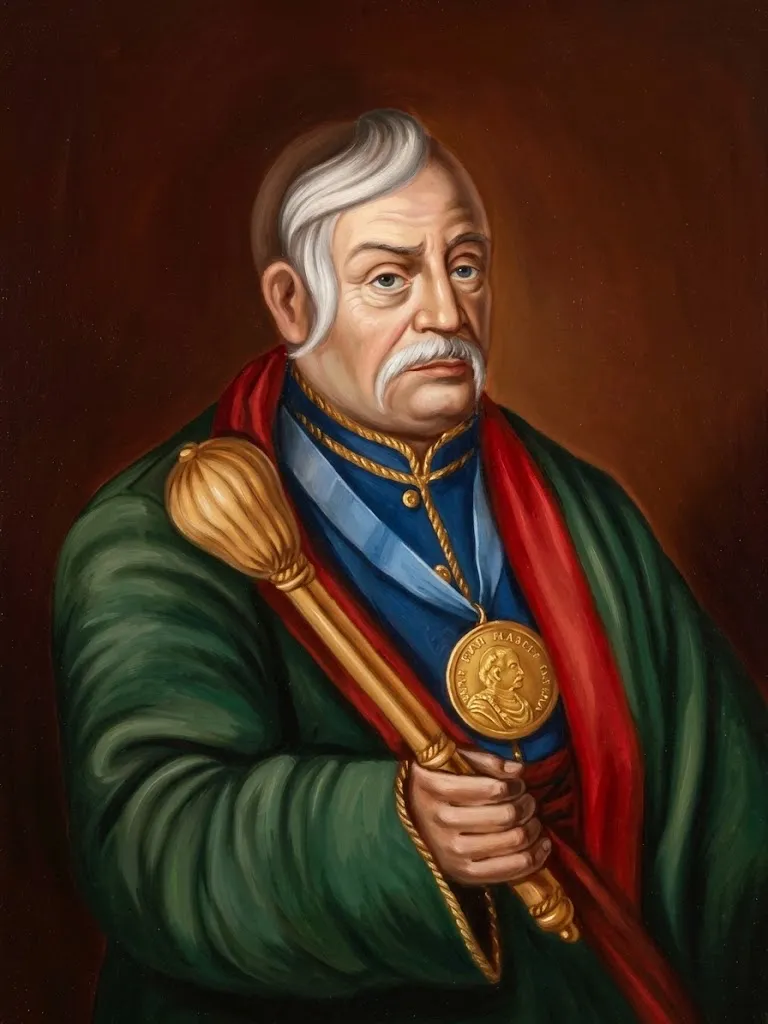
He could not make use of the victory: many Cossacks and officers would not accept a union with Poland. Seasoned colonels turned against him too, among them Ivan Bohun and Ivan Sirko. In September 1659 Vyhovskyi gave up the mace, the hetman’s symbol of office, to Yurii Khmelnytskyi and left for the Commonwealth, where he became voivode (governor) of Kyiv.
He is considered to have later moved from the idea of autonomy to the idea of an independent Ukraine. In 1664 he was accused of a part in an uprising in Right-Bank Ukraine, and the Poles shot the former hetman without trial near the village of Vilkhovets.
Debates and assessments
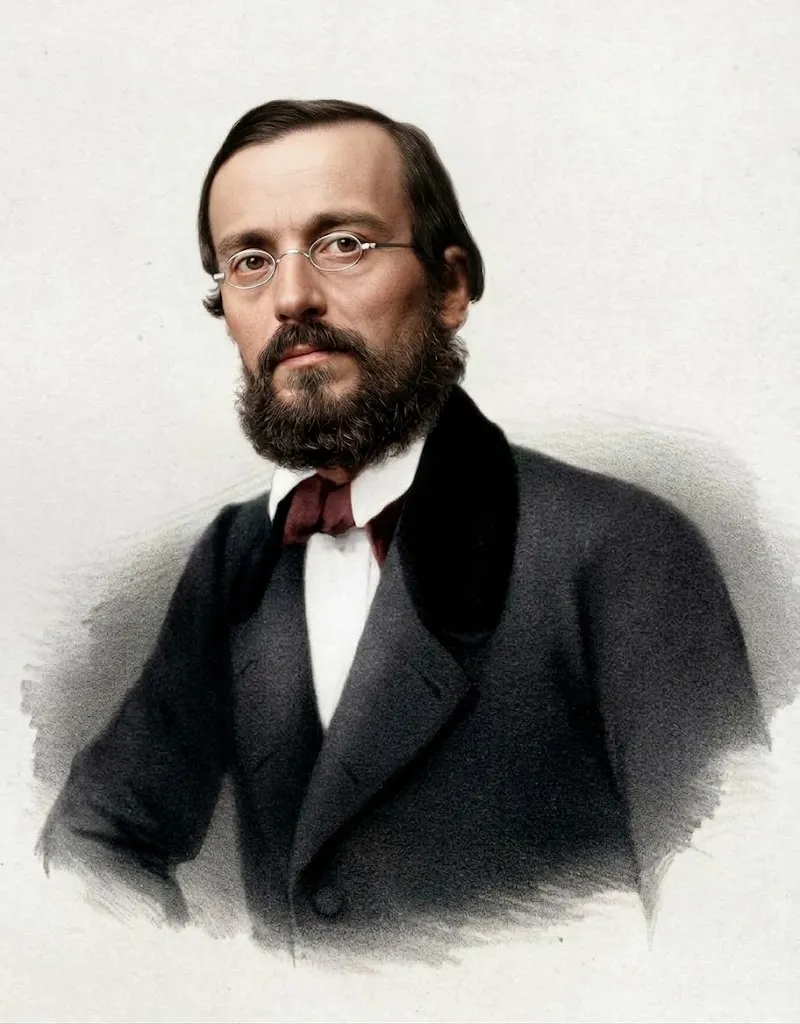
Historians judge the Treaty of Hadiach in different ways. The 19th-century historian Mykola Kostomarov saw Vyhovskyi as a fighter for independence from Moscow. Other scholars note that the treaty “substantially limited the internal sovereignty” of Cossack Ukraine and that many Cossacks rejected it. The suppression of Pushkar’s uprising in 1658 also casts a shadow: by some accounts, more than 50,000 people died.
Why it matters today
Ivan Vyhovskyi sought a place of its own for Cossack Ukraine between Warsaw and Moscow, so that it would not become just someone else’s province. Konotop, where the Cossack army and its Crimean Tatar allies crushed the tsar’s forces, is a reminder that the struggle with Moscow goes back centuries. Later, it is thought, he moved from the idea of autonomy to the idea of an independent Ukraine, and he paid for his choice with his life. His path shows how early Ukrainians began to seek a state of their own.