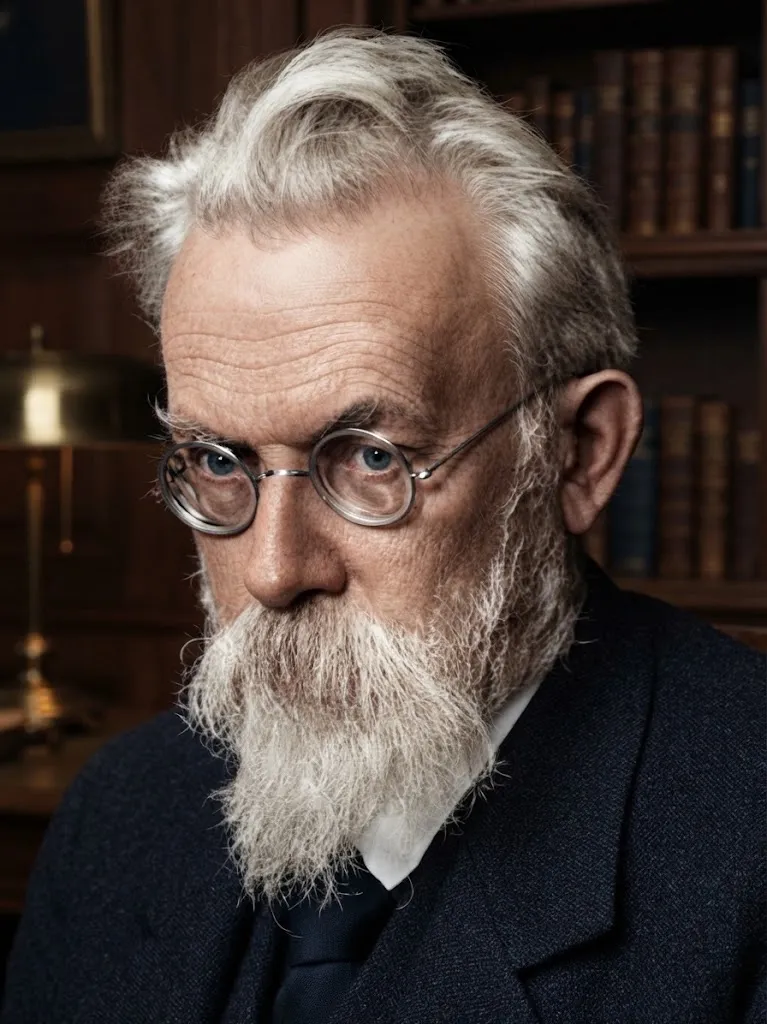
1817–1885
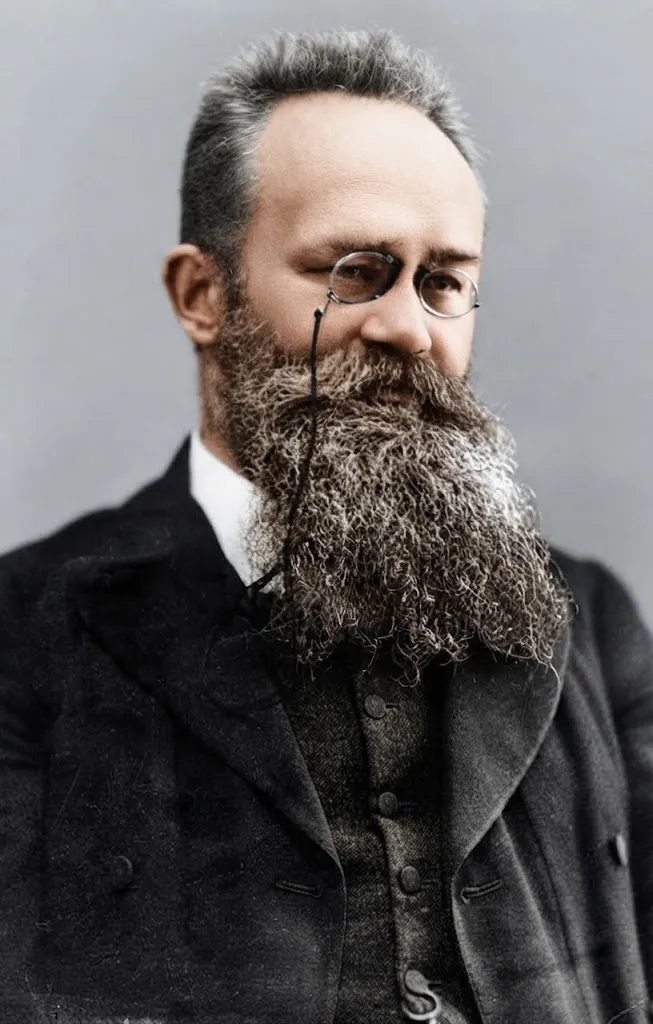
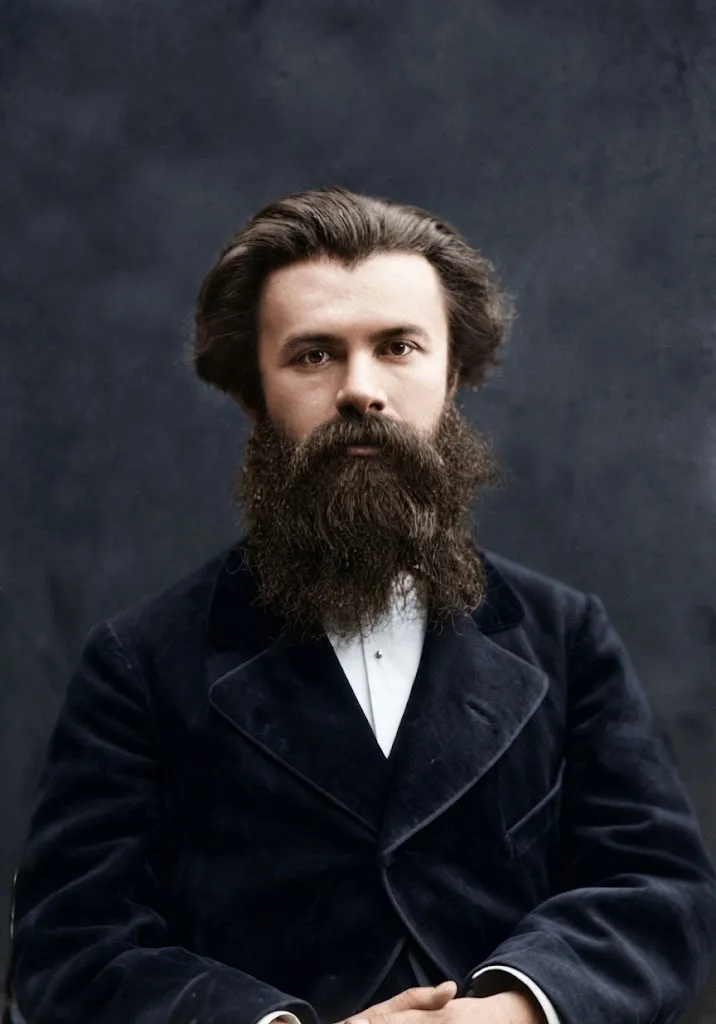
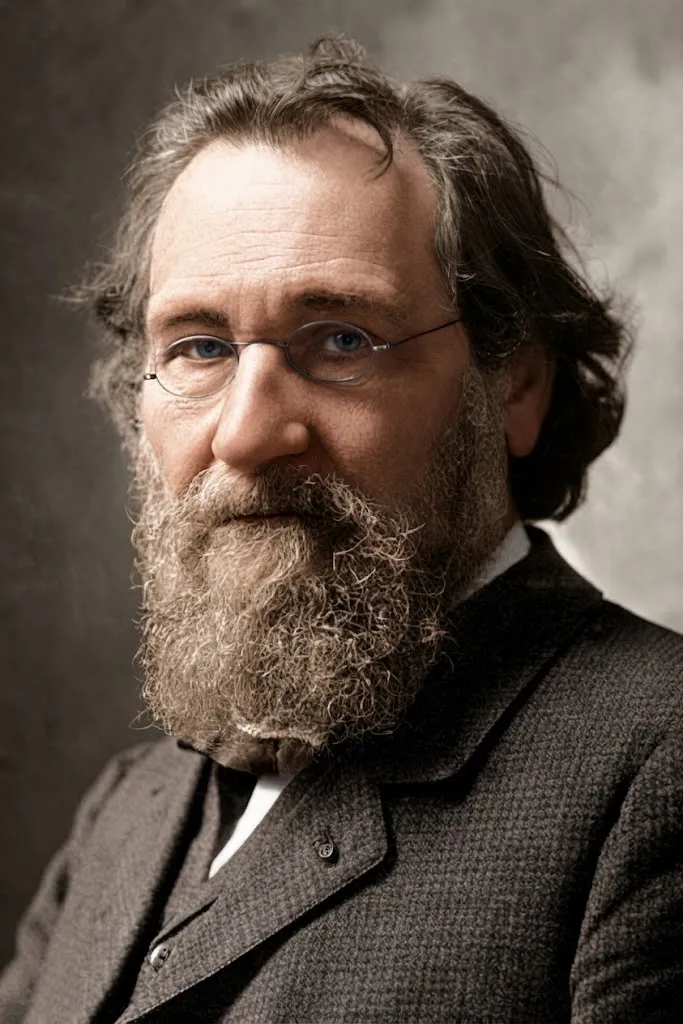
Mykola Kostomarov
Historian, Cyril-Methodian ideologue
He was born a serf and became one of the 19th century’s best-known historians. Mykola Kostomarov wrote the programme of the secret Cyril and Methodius Brotherhood, spent a year in the Peter and Paul Fortress for it, and argued all his life that Ukrainians have a history of their own.
Key accomplishments
- Ideologue of the Brotherhood of Saints Cyril and Methodius, author of The Books of the Genesis of the Ukrainian People
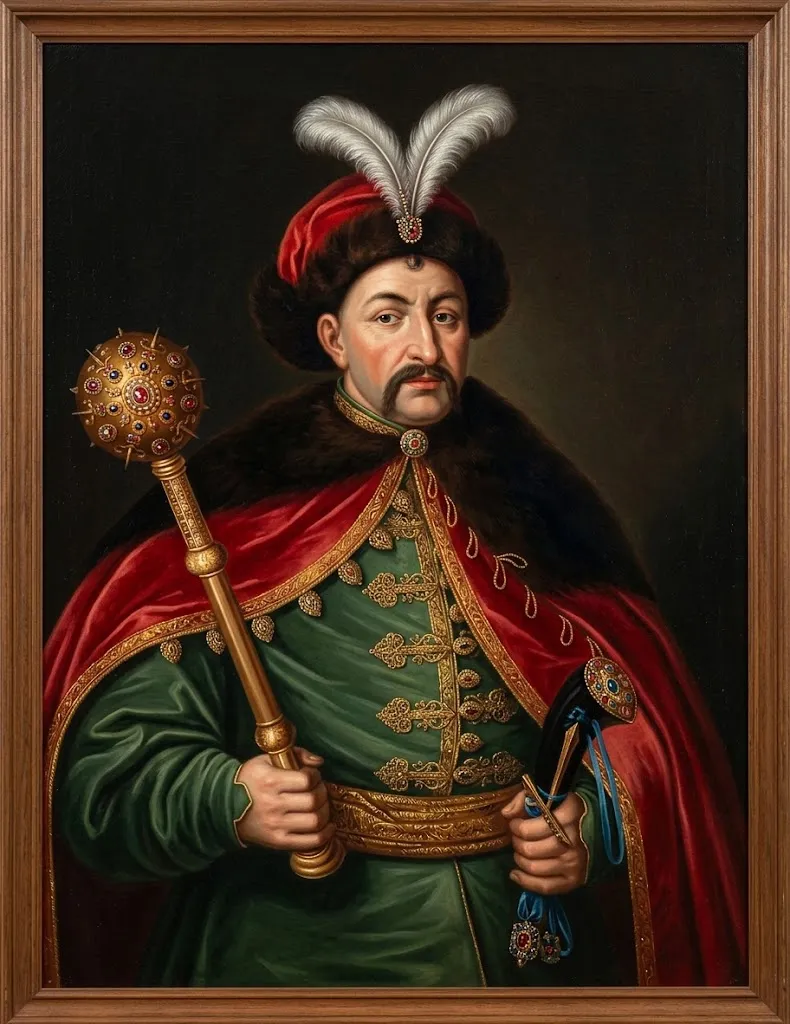
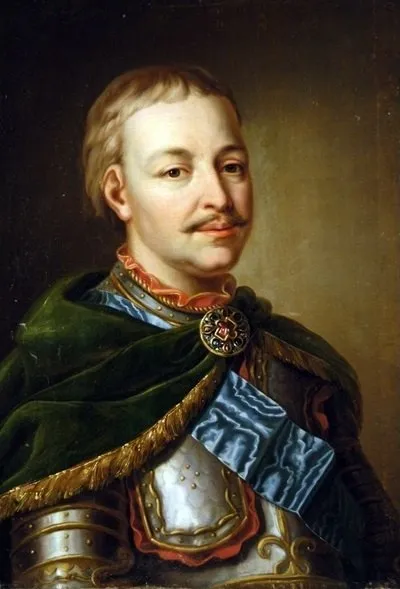
- The monographs Bohdan Khmelnytsky (1859), The Ruin (1879–1880) and Mazepa (1882)
- The essay Two Rus’ Peoples (1861), on what sets Ukrainians apart
- Founder of the populist trend in Ukrainian historiography
- Compiler and editor of Shevchenko’s first posthumous Kobzar (1867)
- The poetry collections Ukrainian Ballads (1839) and The Branch (1840)
The serf who became a professor
Mykola Kostomarov was born in 1817 in the village of Yurasivka in the Voronezh Governorate, now in russia’s Voronezh Oblast. This land once belonged to the Ostrohozk Cossack regiment of Sloboda Ukraine, founded by Ukrainian settlers. The boy was the illegitimate son of a russian nobleman and a Ukrainian serf woman, so he was born a serf himself. Ukrainian culture surrounded him from childhood. He finished secondary school in Voronezh and, in 1836, Kharkiv University.
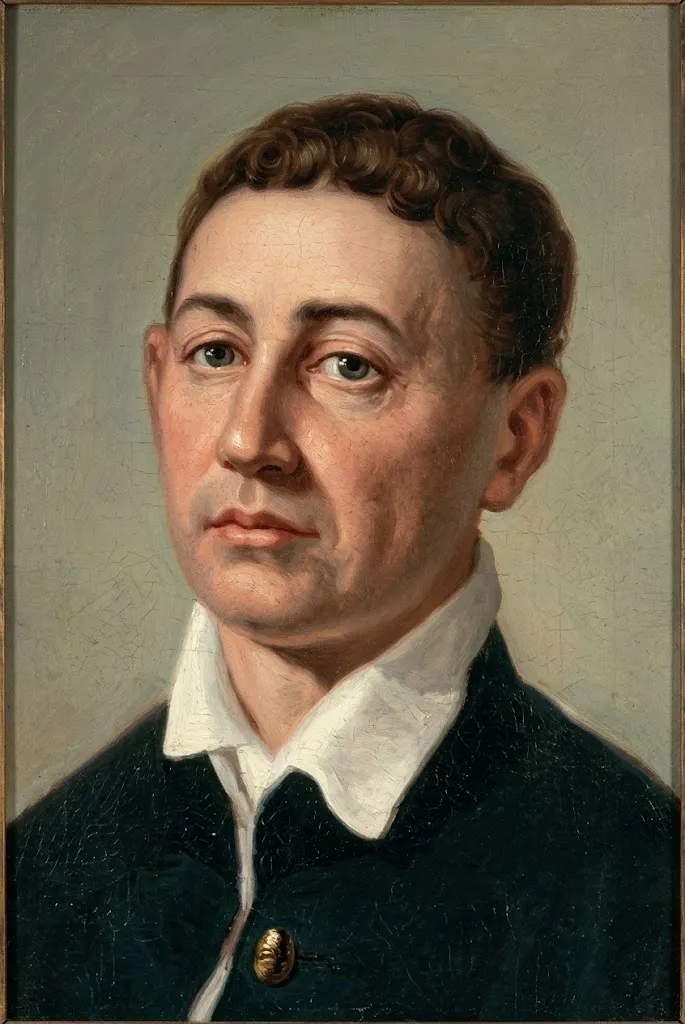
Iieremiia Halka
In Kharkiv Kostomarov became fascinated by the past of Sloboda Ukraine, and then by the age of Bohdan Khmelnytskyi. At the same time he began writing in Ukrainian: his collections Ukrainian Ballads (1839) and The Branch (1840) came out under the pen name Iieremiia Halka. The university banned the defence of his first dissertation, on the church union. He defended a second one, on the historical meaning of folk poetry, in 1844.
The secret brotherhood
Kostomarov became an adjunct professor at Kyiv University in 1846. There he grew close to Panteleimon Kulish, Vasyl Bilozerskyi, Mykola Hulak and Taras Shevchenko, and together they founded the secret Brotherhood of Saints Cyril and Methodius. Kostomarov became its ideologue and wrote its main programme, The Books of the Genesis of the Ukrainian People. He saw the future of the Slavs in a free union modelled on the United States. In March 1847 the members were arrested; Kostomarov was taken on the eve of his wedding to Alina Kragelska. He spent a year in the Peter and Paul Fortress and was then exiled to Saratov and barred from teaching and publishing. He and Alina finally married in 1875.
History is not just about tsars
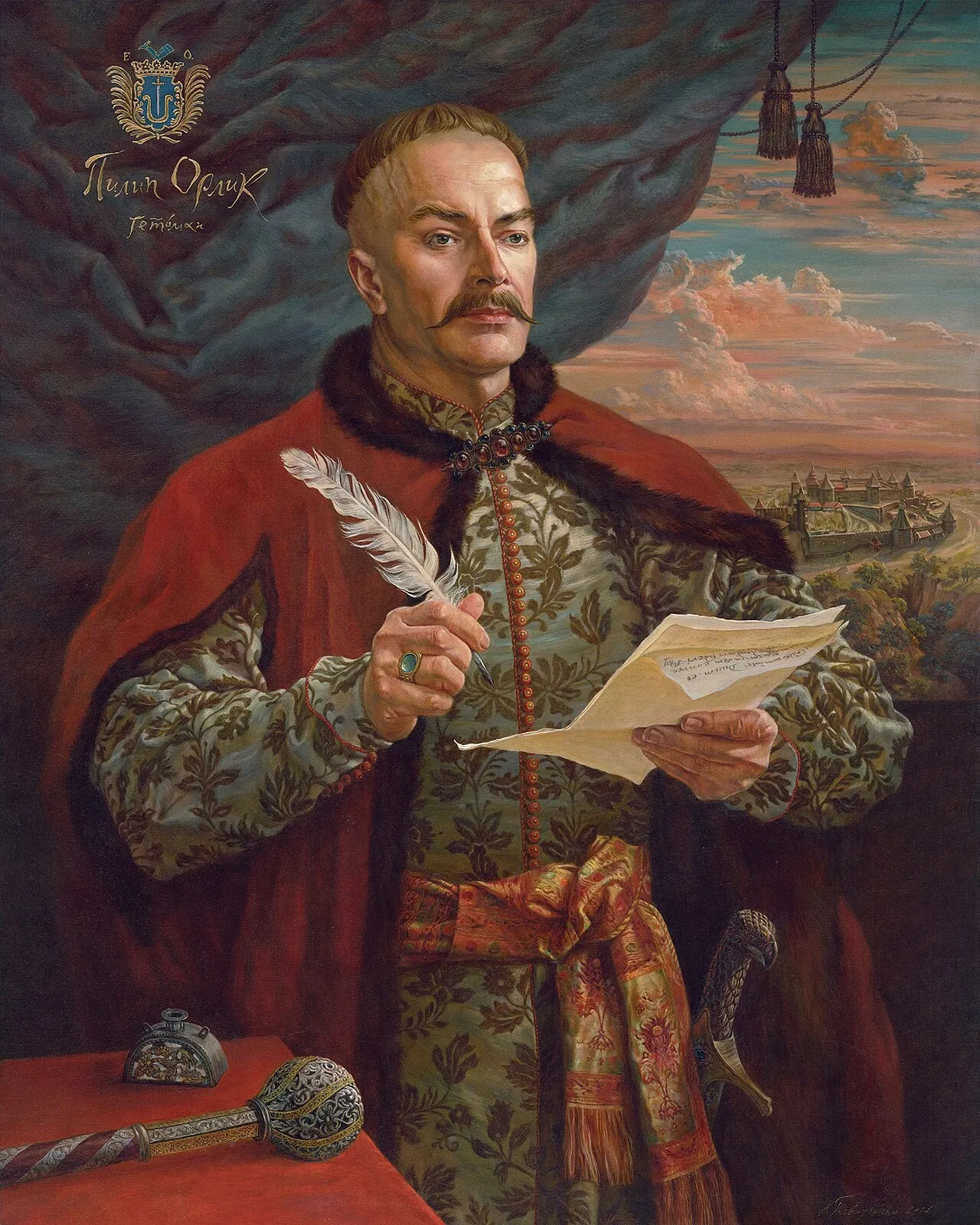
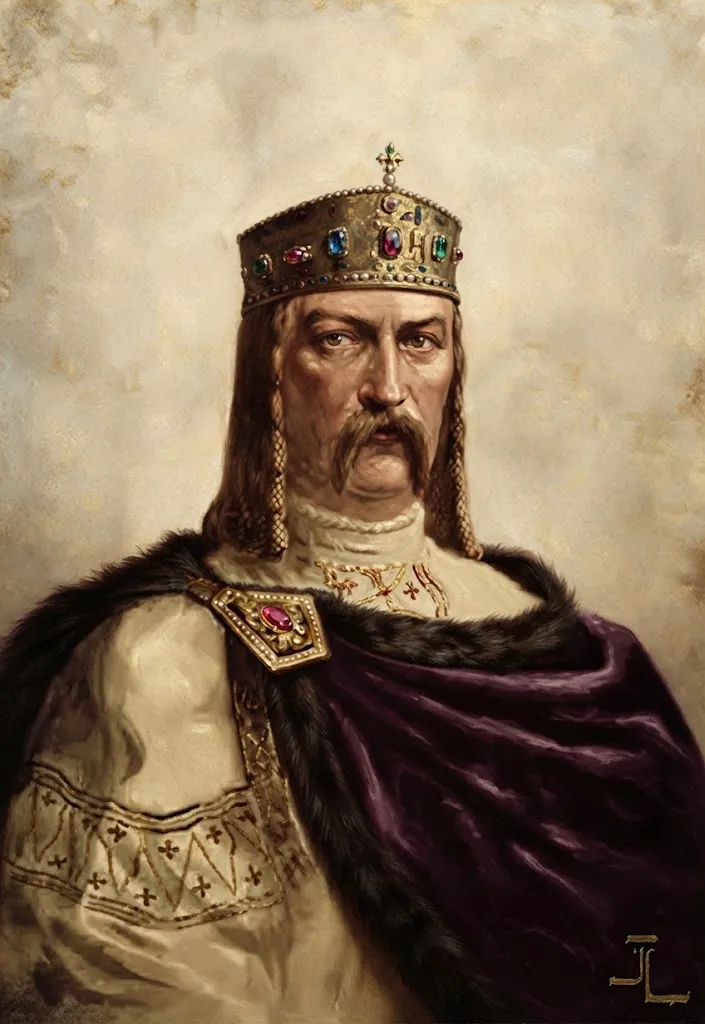
Kostomarov became professor of russian history at Saint Petersburg University in 1859, but in 1862 he left in protest at the authorities’ actions during student unrest. From then on he only researched and wrote. His books on Bohdan Khmelnytskyi, the Ruin and Ivan Mazepa drew on documents he tracked down in 65 archives and libraries. He wrote lives of Volodymyr the Great, Petro Mohyla, Ivan Sirko, Pylyp Orlyk and Hryhorii Skovoroda, and got readers interested in Ukrainian history. Kostomarov believed a historian should study the life of the whole people, not just its rulers, and he founded the populist trend in Ukrainian historiography. In his essay Two Rus’ Peoples (1861) he argued that Ukrainians and russians are different peoples with different histories.
Shevchenko’s Kobzar
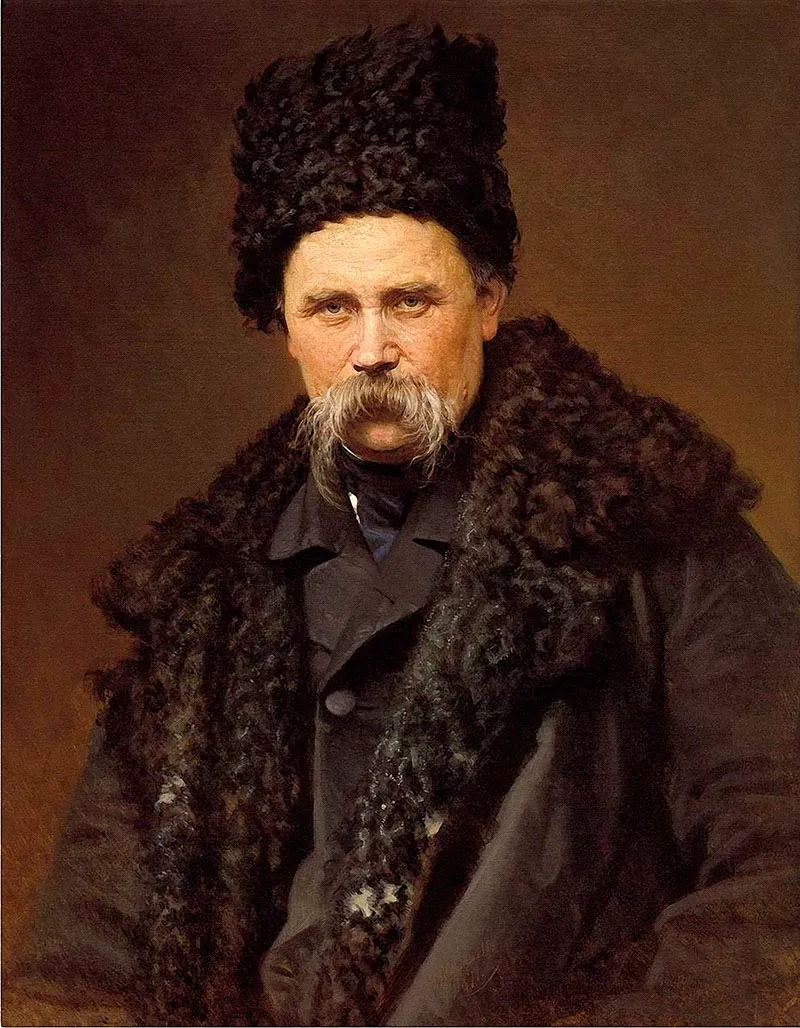
Kostomarov and Shevchenko had been friends since the days of the brotherhood. In 1867, after the poet’s death, a Kobzar came out that Kostomarov had compiled and edited and for which he wrote the preface. It was the first posthumous edition of Shevchenko’s works.
Kostomarov died in Saint Petersburg in 1885.
Why it matters today
Born a serf, Kostomarov became a professor and spent his life arguing that Ukrainians are a people with a history of their own, and he paid for it with his freedom. He taught that a historian should study the life of the whole people, not just its rulers, and his books got readers interested in Ukrainian history. His ideas about democracy and federation shaped not only scholarship but also the Ukrainian national movement, and Mykhailo Hrushevskyi called some of his essays “canonical”. Anyone who looks for ordinary people, not only hetmans, in Ukraine’s history walks his path.