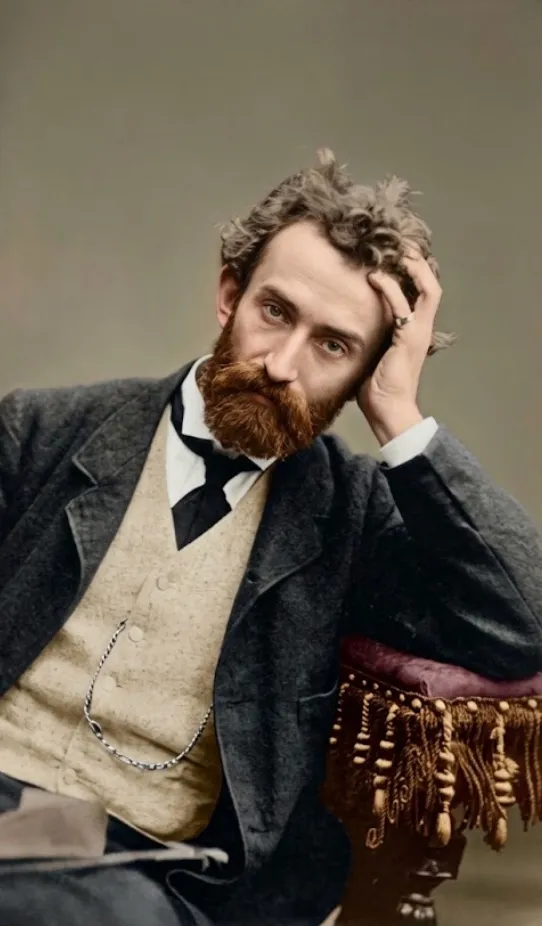
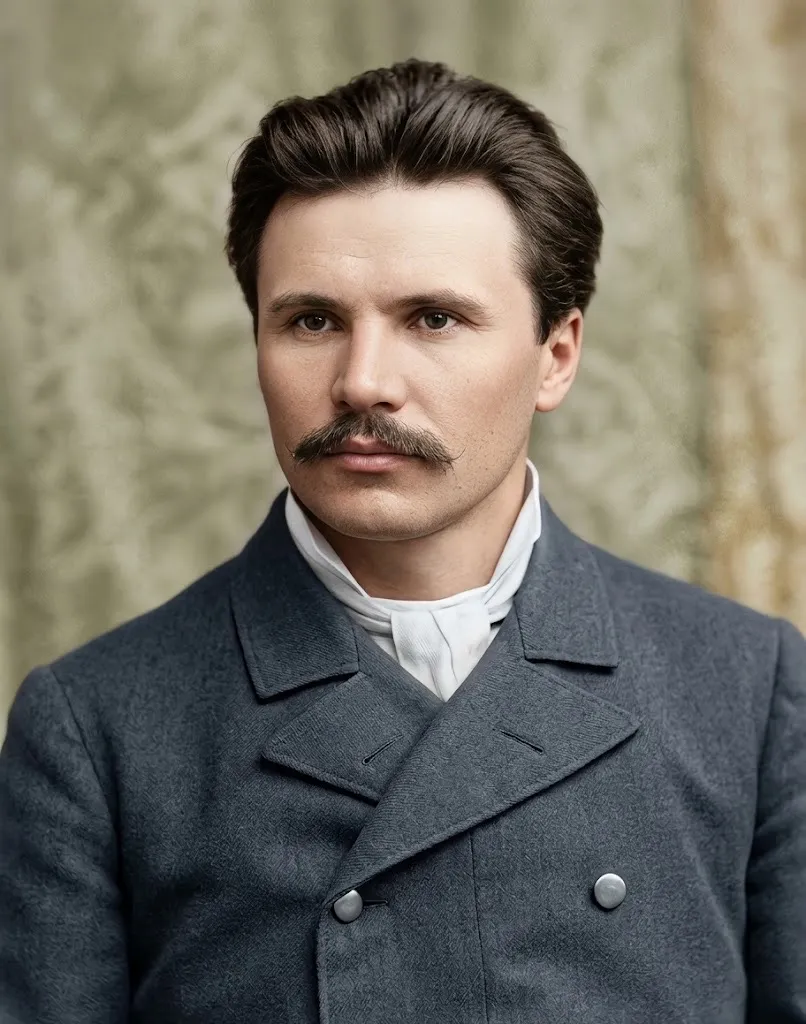
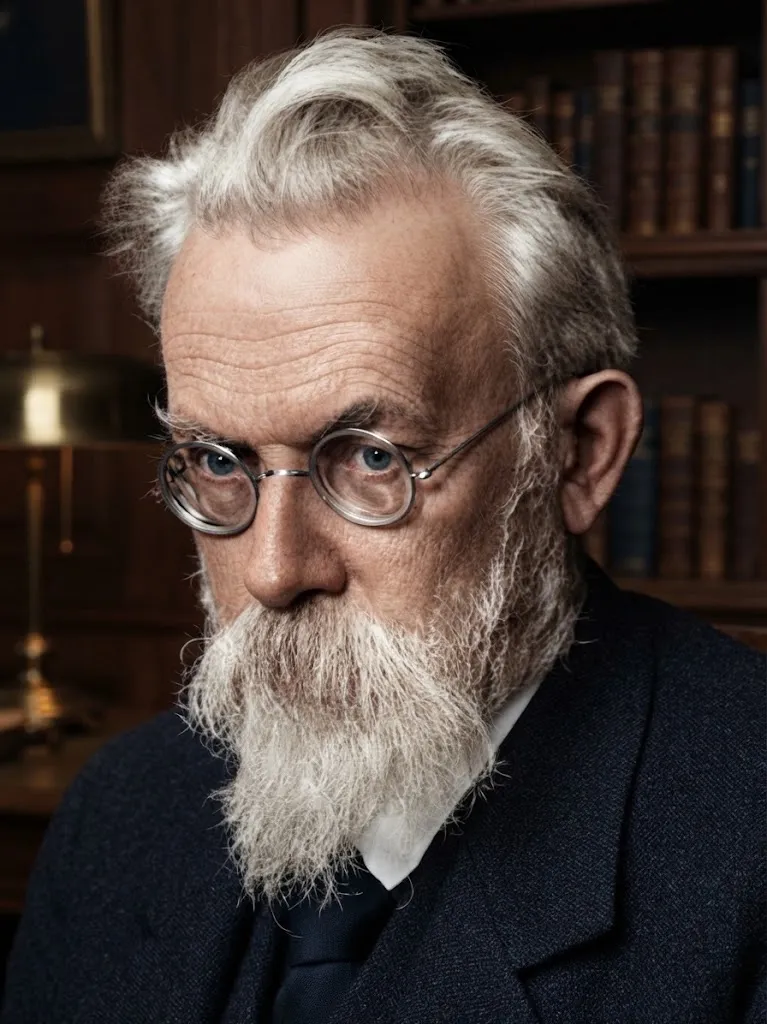
1810–1881
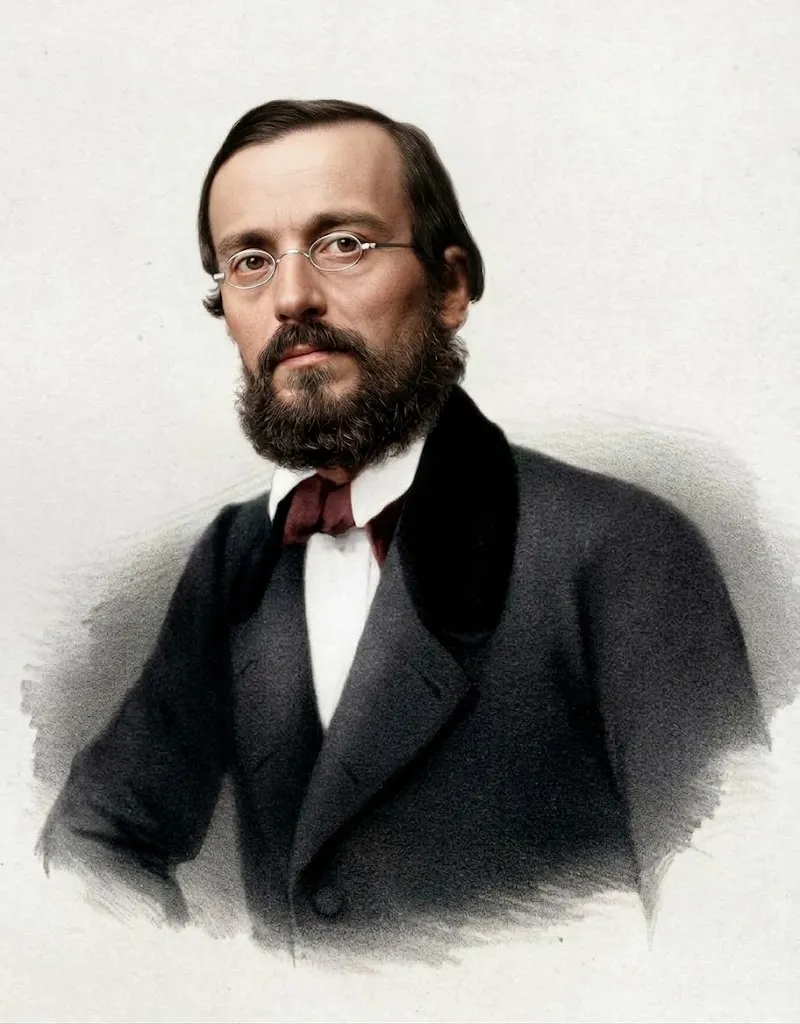
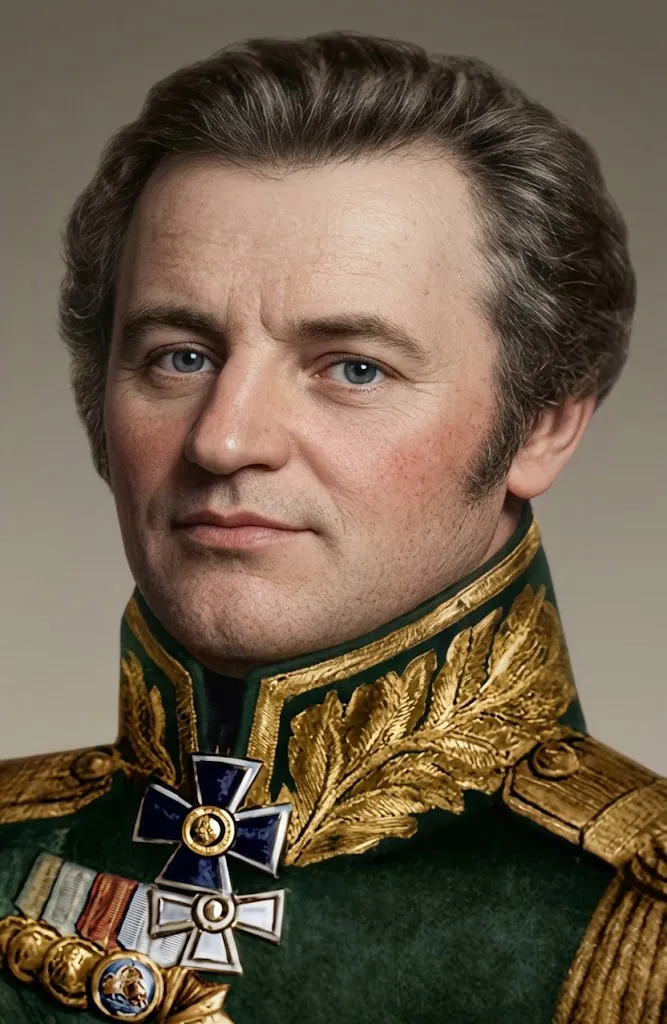
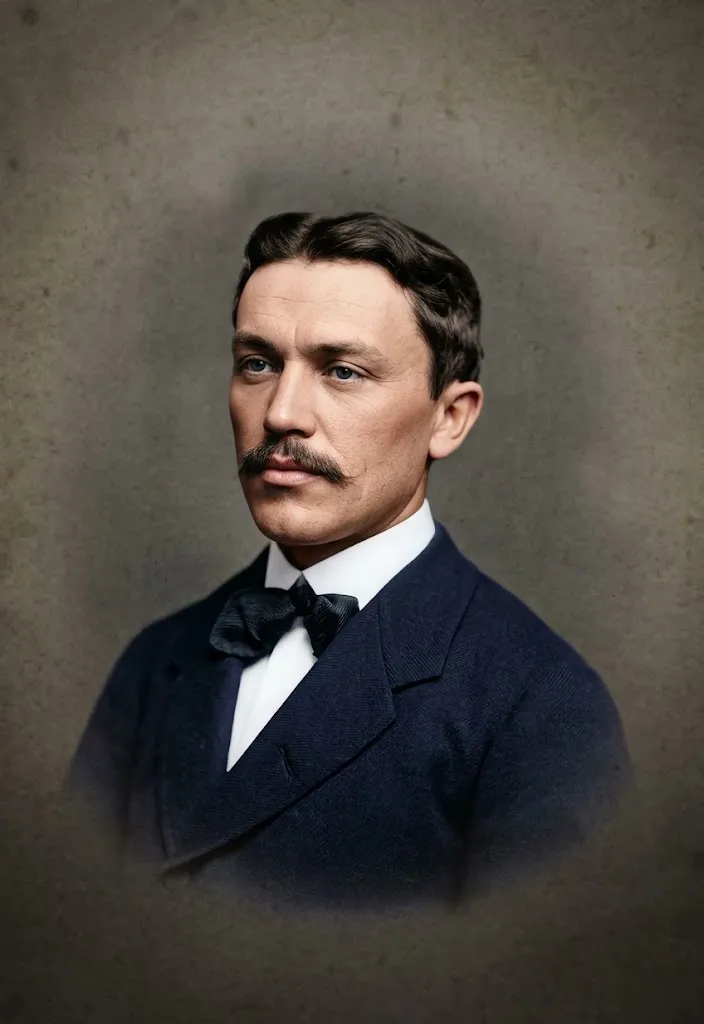
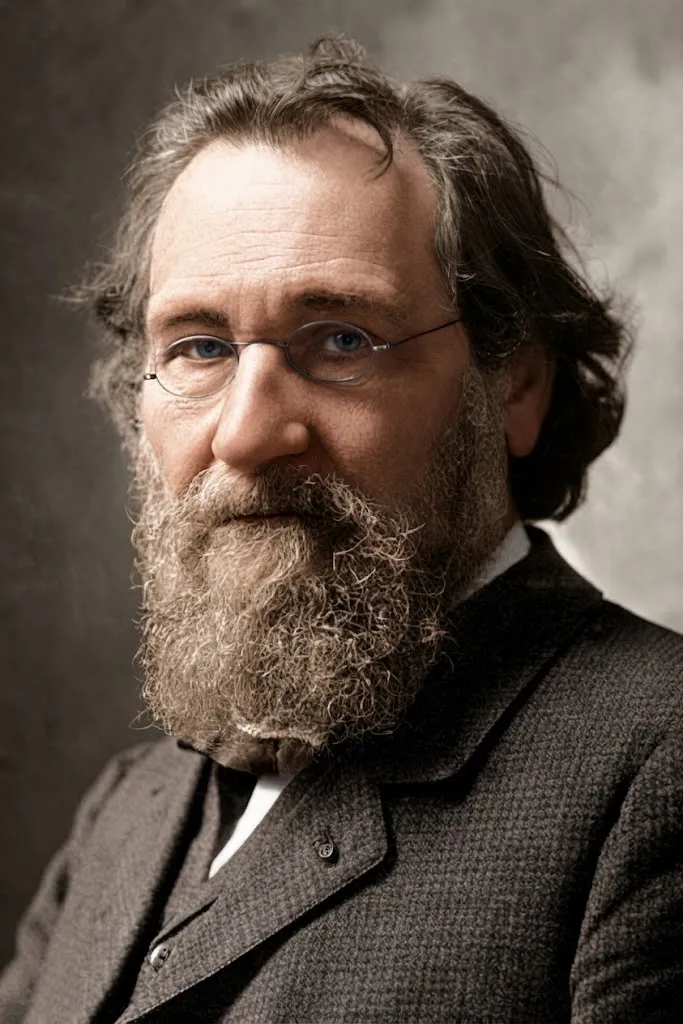
Mykola Pyrohov
Founder of military field surgery
To see how the organs sit inside the body, he sawed frozen bodies like blocks of ice. Mykola Pyrohov, a surgeon born in Moscow, was the first to operate under ether in a field hospital, ran the schools of Kyiv, and from 1861 lived and treated patients near Vinnytsia.
Key accomplishments
- The first to use ether anaesthesia for operations in a military field hospital (1847)
- Introduced the immobilizing dressing for injured limbs: first starch, then plaster
- The atlas Topographic Anatomy of Frozen Sections of the Human Body (1851–1859), awarded the Great Demidov Prize
- More than 10,000 operations in besieged Sevastopol during the Crimean War
- Superintendent of the Odesa (1856–1858) and Kyiv (1858–1861) school districts; helped open Sunday schools in Kyiv
Anatomy made of ice
Mykola Pyrohov was born in 1810 in Moscow, into the family of a military official. At 14 he became a medical student at Moscow University, and in 1832 he defended his doctoral thesis in Dorpat (now Tartu in Estonia). He went on to teach surgery in Dorpat and at the Medical and Surgical Academy in Saint Petersburg. In place of the usual way of grading medical students, Pyrohov brought in a two-mark system that gave a clear answer: could this person treat patients or not.
A surgeon has to know exactly where every organ lies. To show it, Pyrohov sawed frozen bodies in three directions and drew the cuts. The result was a four-volume atlas, Topographic Anatomy of Frozen Sections of the Human Body (1851–1859), which won him the Great Demidov Prize.
Ether and plaster at war
With the army in the Caucasus in 1847, Pyrohov became the first surgeon to use ether anaesthesia for operations in a field hospital. There he also put broken limbs in a rigid starch dressing, which he later replaced with plaster.
In November 1854, during the Crimean War, he volunteered to go to besieged Sevastopol with a group of doctors and nursing sisters. Under fire he carried out more than 10,000 operations, most of them under anaesthesia. He began sorting the wounded by how serious and where their wounds were, so that those who needed help most got it first.
In charge of the schools of Odesa and Kyiv
Pyrohov became superintendent of the Odesa school district in 1856, which meant running the schools of the whole region, and from July 1858 to March 1861 he held the same post in Kyiv. He argued for teaching in pupils’ native language, for university autonomy and for opening education to people of every background. On his initiative the Richelieu Lyceum in Odesa was turned into a university.
In 1859 Pyrohov helped open Sunday schools for adults in Kyiv and supported teaching in Ukrainian there. According to the Pyrohov Estate Museum, Taras Shevchenko, Mykhailo Drahomanov and students of Kyiv University took part in the work of these schools. After a conflict with the governor-general of Kyiv, Pyrohov was dismissed in March 1861.
The doctor of Vyshnia
After Kyiv, Pyrohov settled on his estate of Vyshnia near Vinnytsia (now inside the city). He built a hospital and a pharmacy there and treated the sick who came to him. He spent 1862–1866 in Heidelberg, Germany, mentoring 30 young scholars being prepared for professorships, and later advised the army during the Franco-Prussian and Russo-Turkish wars.
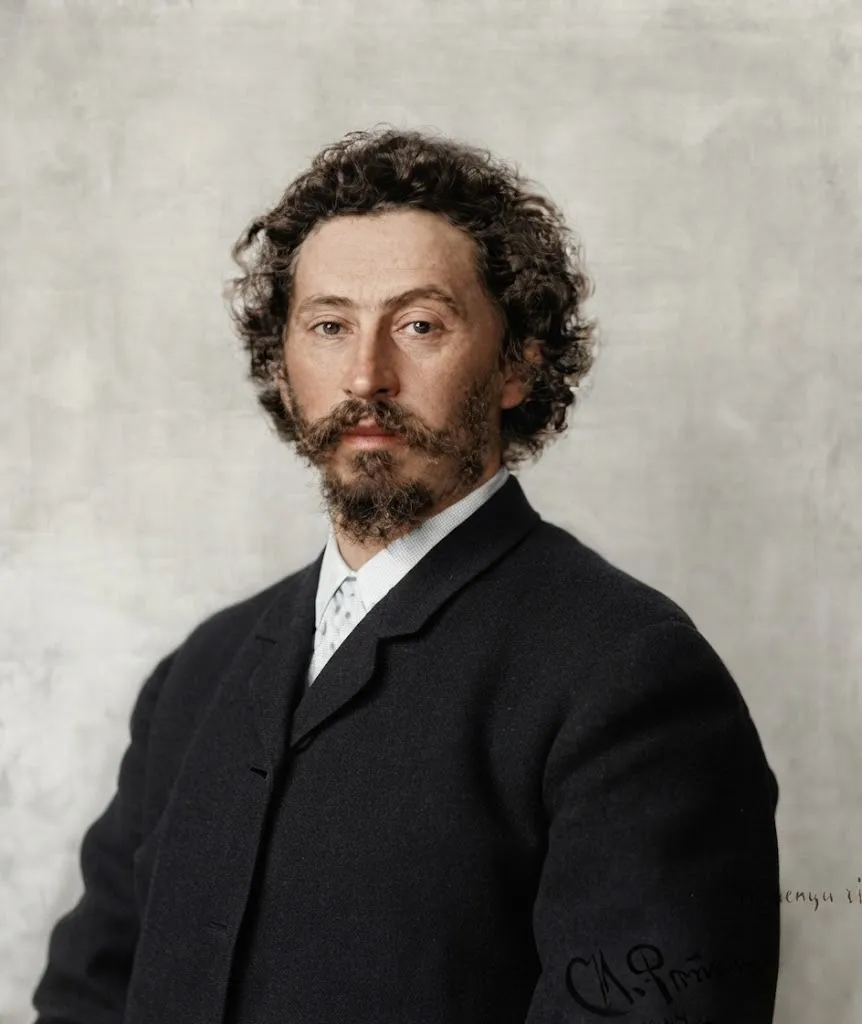
In 1881 Moscow marked 50 years of his work with a grand celebration, and that year Ilya Repin painted his portrait. Pyrohov died at Vyshnia on 5 December 1881. His body was embalmed and laid in a crypt, over which a church was built in 1885.
Debates and assessments
Pyrohov was not Ukrainian: he was born in Moscow and spent most of his working life in Dorpat, Saint Petersburg and the russian empire’s wars. Some scholars call him a russian surgeon. Others stress his work in Ukraine: running the schools of Odesa and Kyiv, supporting teaching in the native language, and two decades of living and practising medicine near Vinnytsia.
Not all of his school policy was welcomed. In 1859 Pyrohov signed rules on pupils’ offences and punishments for the gymnasiums of the Kyiv district that allowed caning. The critic Nikolai Dobrolyubov mocked this sharply in the journal Sovremennik. Pyrohov himself later wrote that, in the end, his practice cut the use of the cane in the Kyiv district by 90 per cent.
Why it matters today
Painkilling during surgery, a plaster cast on a broken arm and sorting the wounded by urgency seem ordinary today, and Pyrohov was among those who made them part of medicine. Anyone operated on without pain, and any wounded soldier treated first because the wound is worst, is cared for by a medicine he helped build. In Ukraine he stood for something far from obvious in his time: that children should be taught in their own language and that learning should be open to people of every background. His life shows that a doctor and scholar can change not only science but the schools and the town around him; today Vinnytsia National Medical University bears his name.