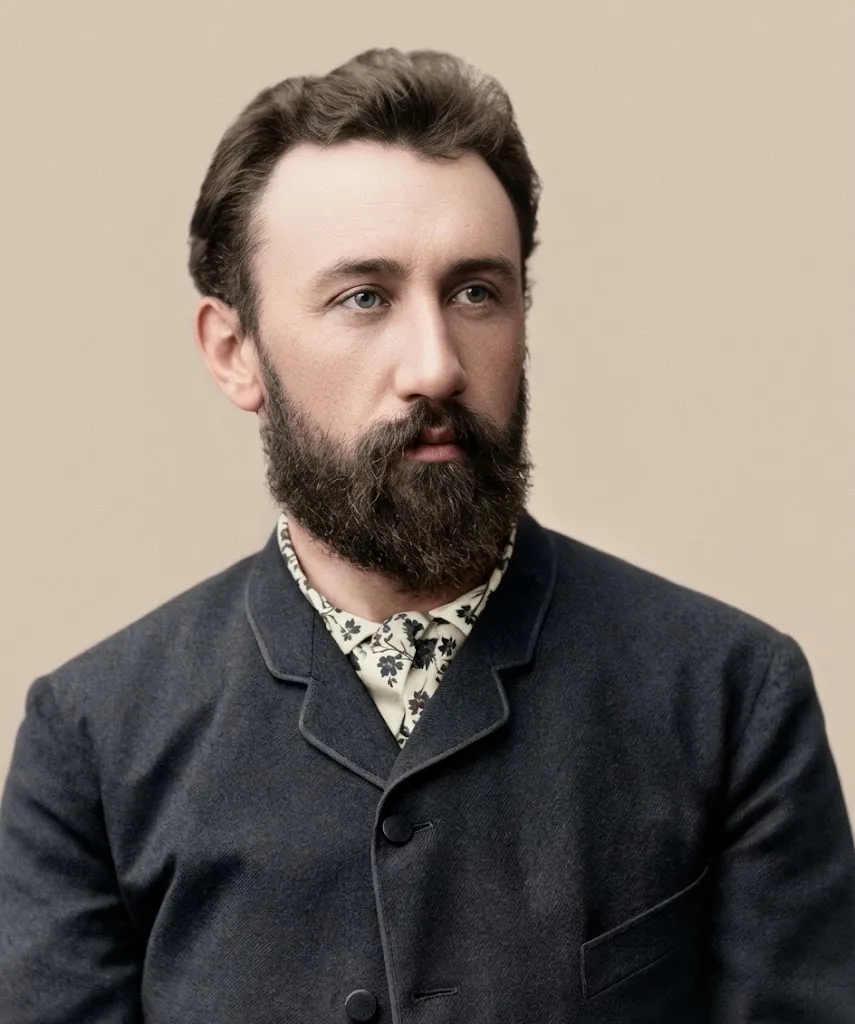
1804–1873
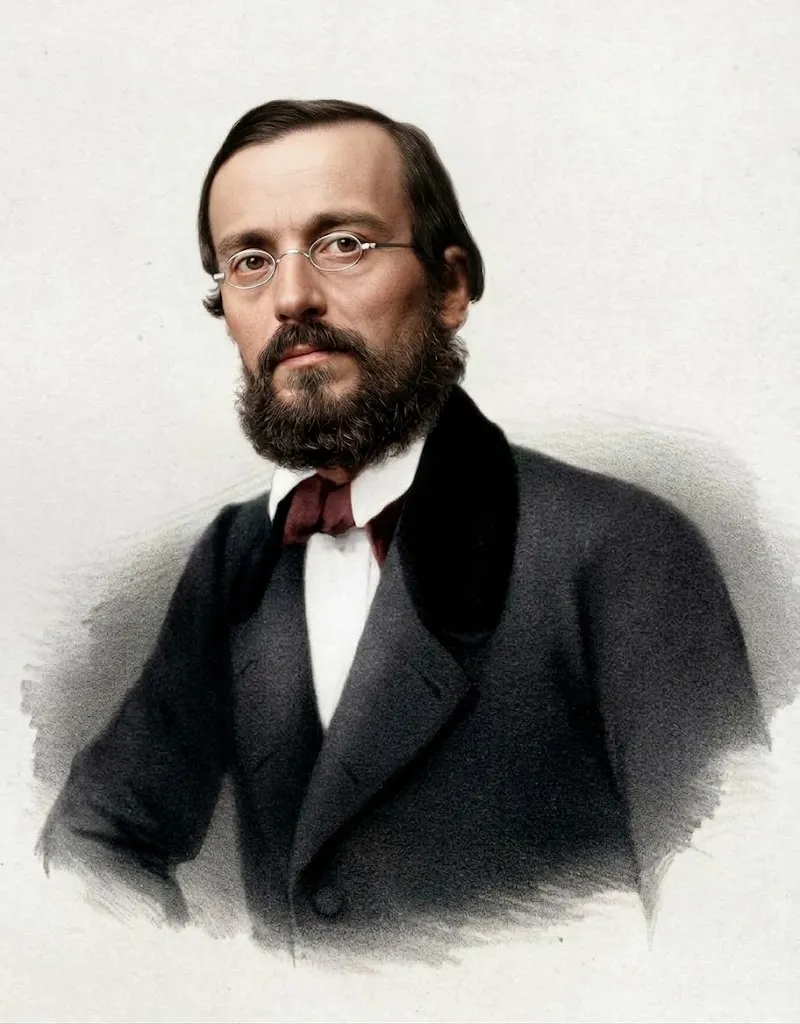
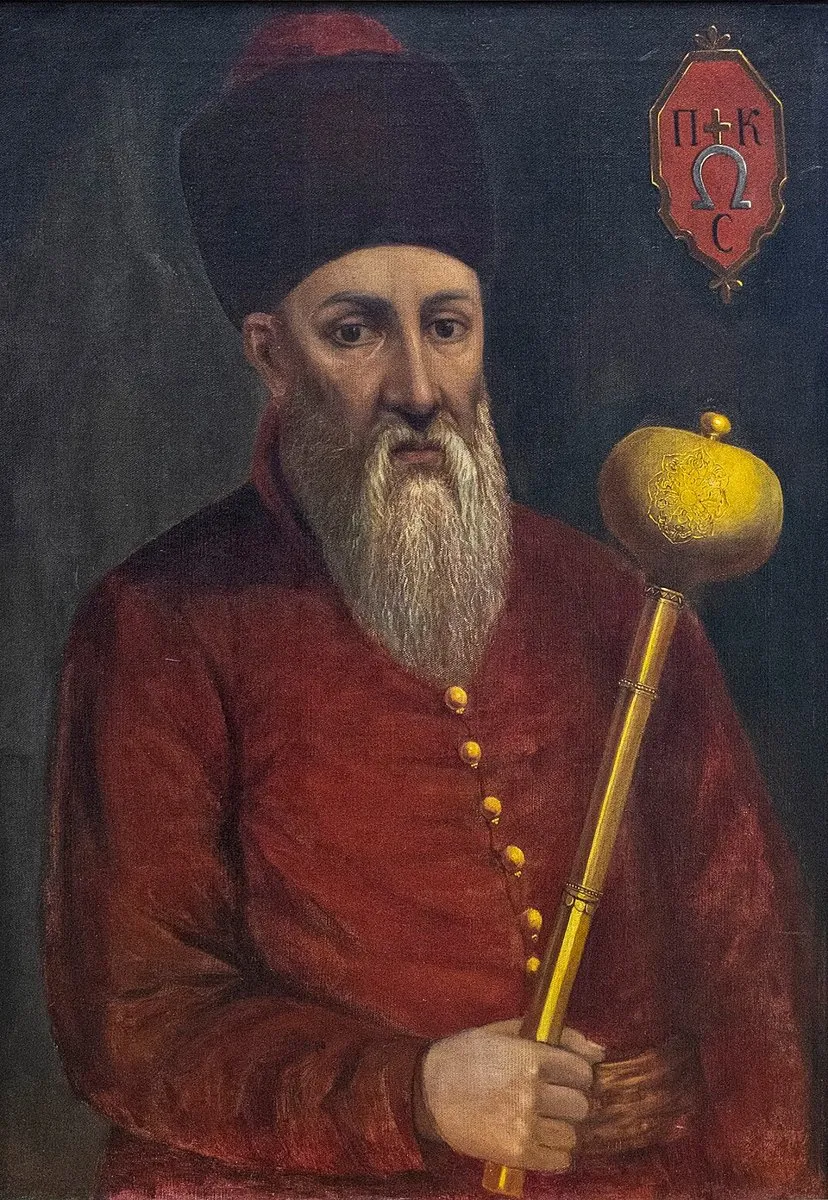
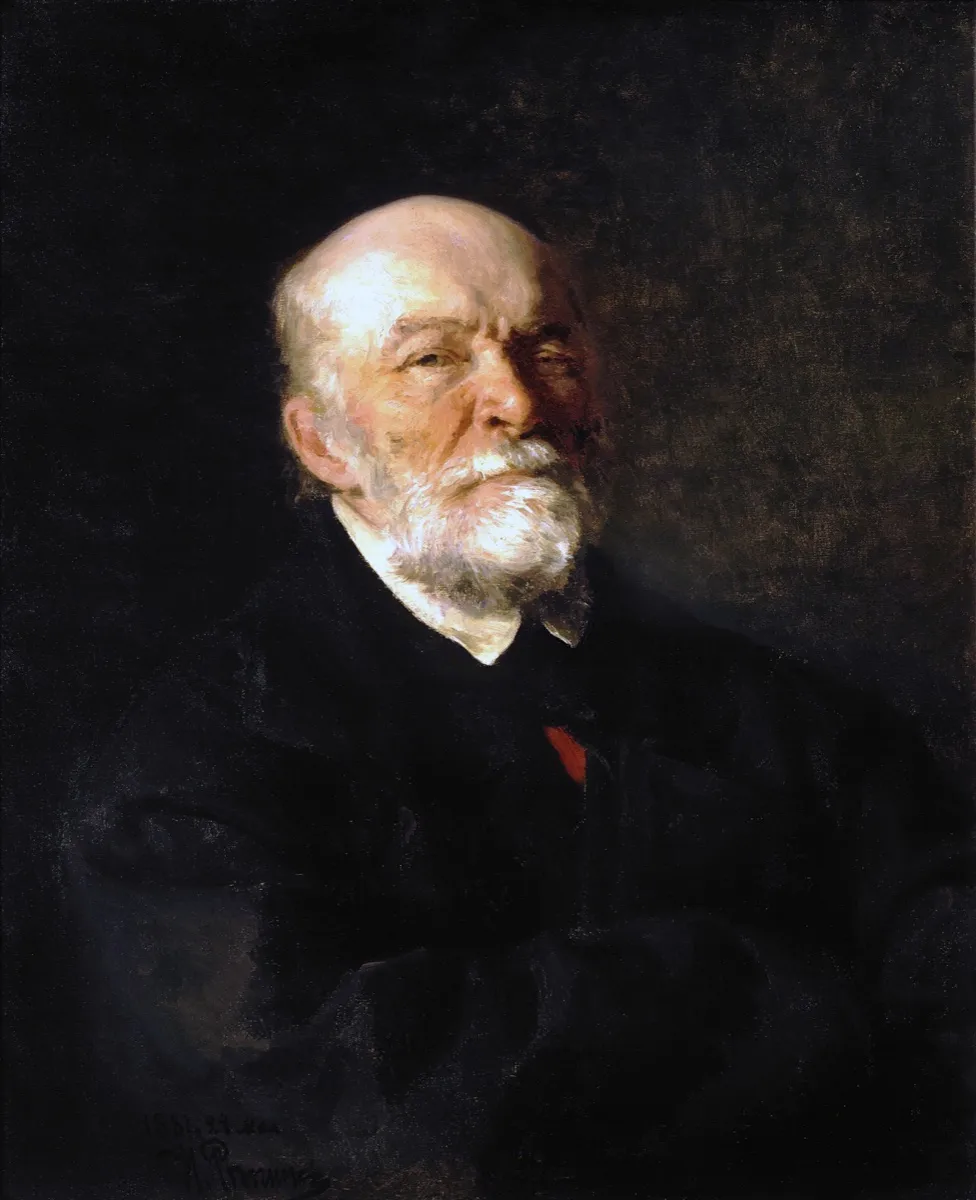
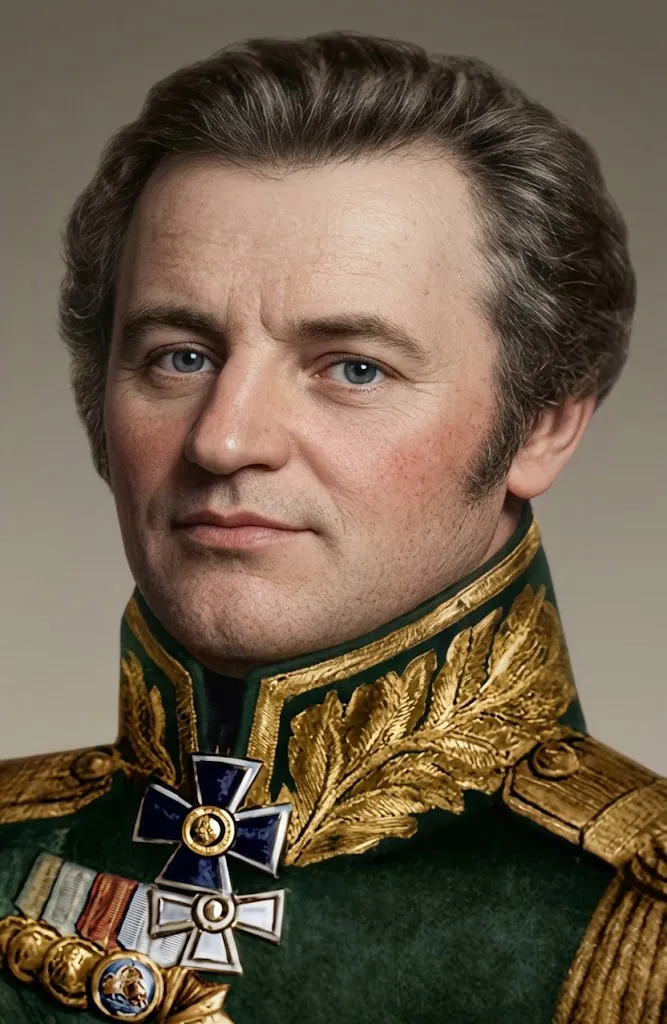
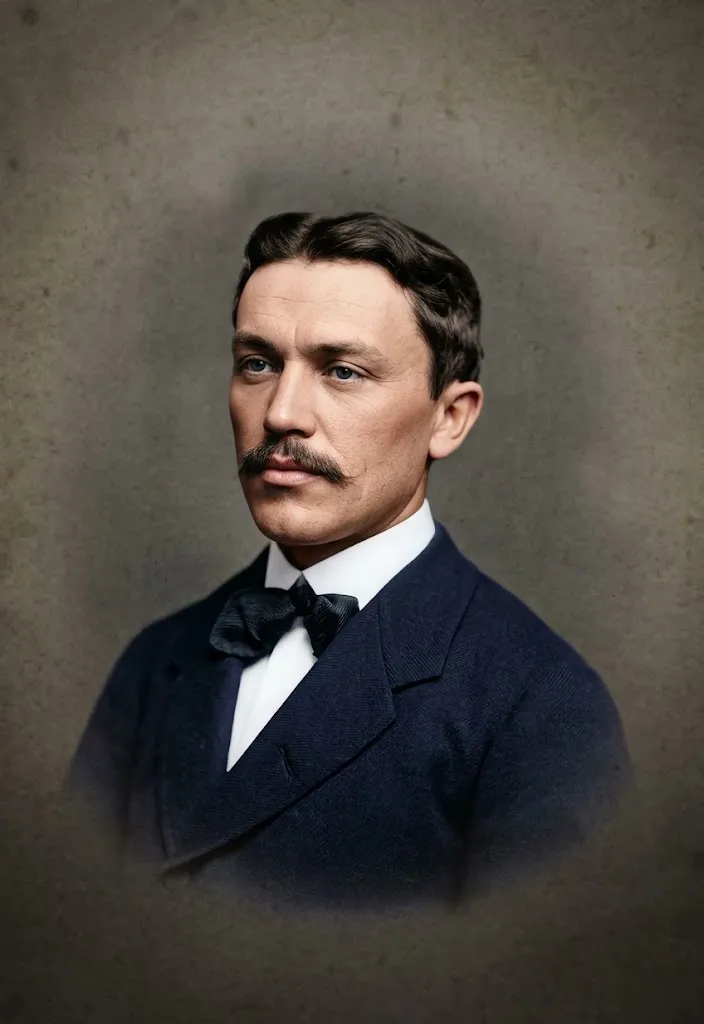
Mykhailo Maksymovych
First rector of Kyiv University
A young botanist took 21 days off, went home and came back with songs. The book they became was learned by heart by the young Kostomarov. Mykhailo Maksymovych went on to be Kyiv University’s first rector and argued that life in ancient Kyiv had never been broken off.
Key accomplishments
- First rector of St Volodymyr University in Kyiv (1834–1835)
- The collections Little Russian Songs (1827), Ukrainian Folk Songs (1834) and A Collection of Ukrainian Songs (1849)
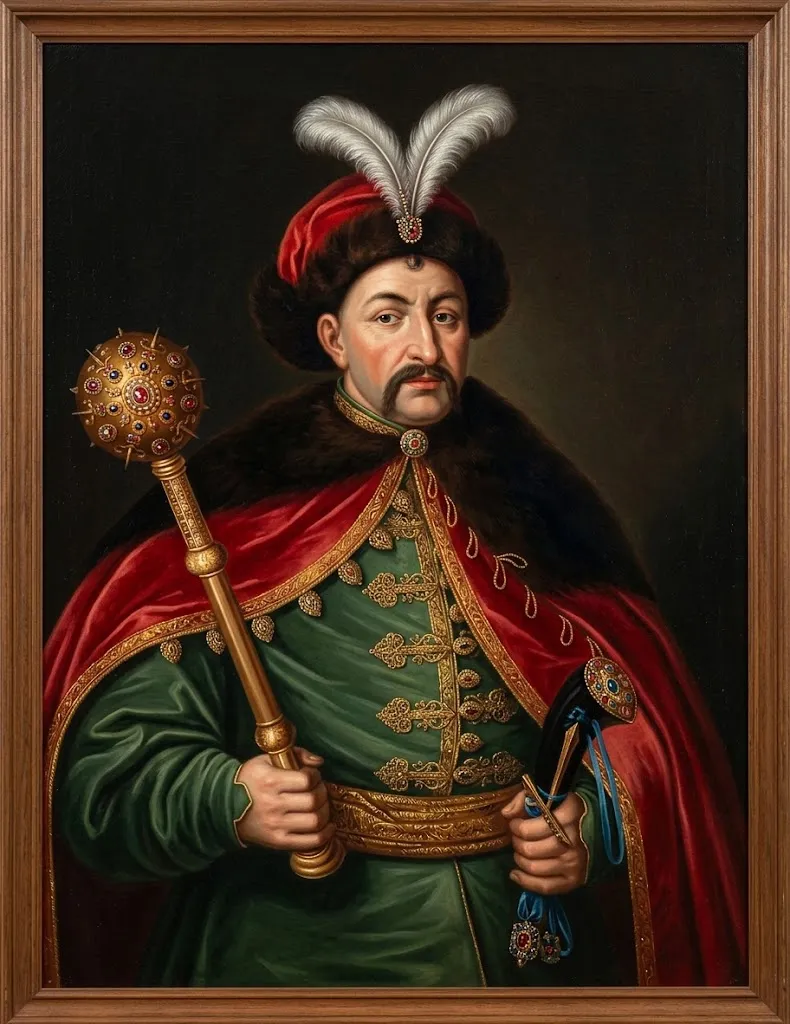
- Studies of ancient Kyiv, the Cossacks and Bohdan Khmelnytskyi
- The essay On the Alleged Desolation of Ukraine (1857), against Mikhail Pogodin’s theory
- Ukrainian translations of The Tale of Ihor’s Campaign and the Psalms
- The etymological spelling system known as the maksymovychivka
- The two-volume Foundations of Botany (1828–1831)
- The first archaeological report in Ukraine to use the typological method (1868)
Twenty-one days
Can one holiday change a whole field of study? Mykhailo Maksymovych was born in 1804 on the Tymkivshchyna farmstead in the Poltava region (now the village of Bohuslavets in Cherkasy Oblast), into an impoverished noble family with Cossack roots. After secondary school in Novhorod-Siverskyi he graduated from Moscow University and stayed on as a botanist, running the botanical garden and teaching.
Worn out after his master’s exam, Maksymovych took 21 days’ leave and went home to his parents in Ukraine. He came back to Moscow with a rich “harvest” of folk songs. In 1827 he published Little Russian Songs, 127 Ukrainian songs. He saw in them proof of a people’s own identity, and wrote them down in a spelling of his own, the maksymovychivka.
The book people learned by heart
The collection became one of the foundations of Ukrainian folklore studies. The young Mykola Kostomarov, later a historian, recalled that within a month or so he knew it by heart, and that it drew him into folk poetry. Maksymovych’s song books caught the interest of other Slavic peoples, and later of readers in Britain and America.
Gogol calls him to Kyiv
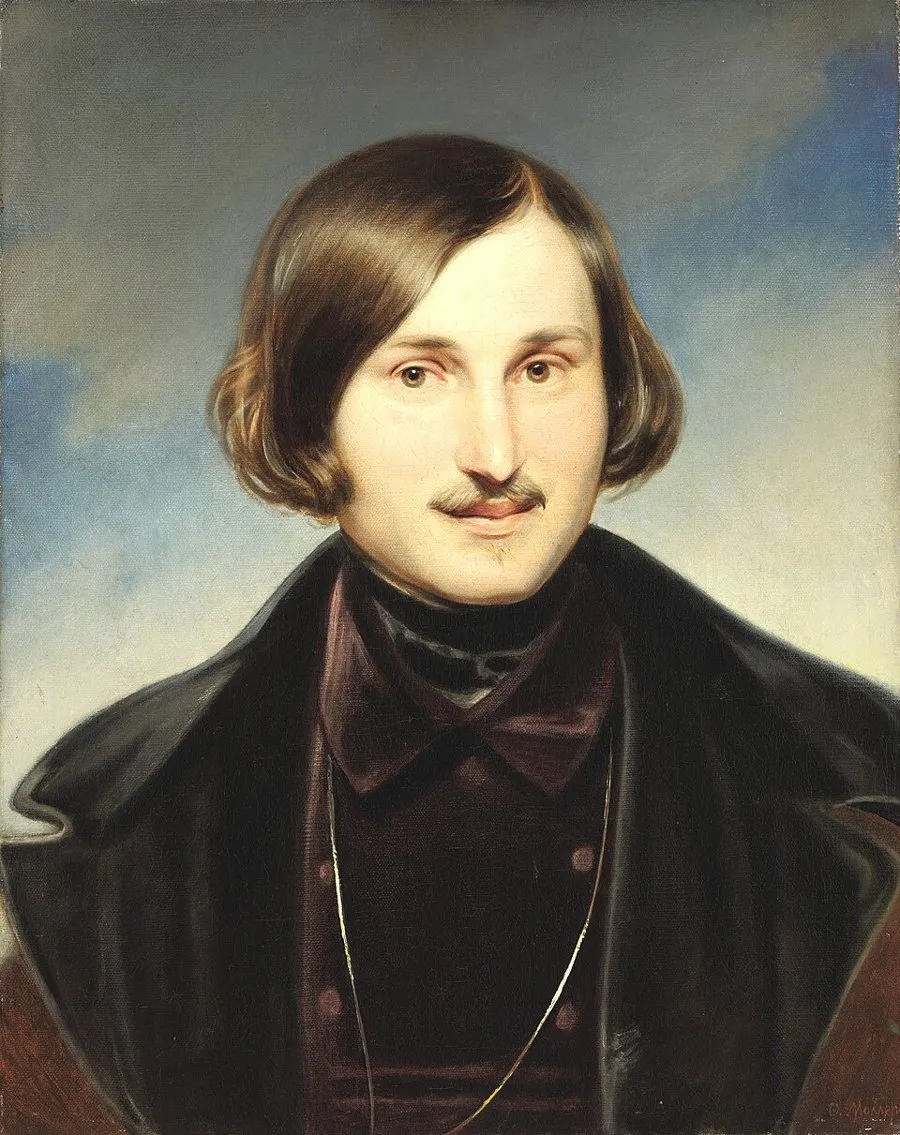
In Moscow Maksymovych was friends with Nikolai Gogol. Every Sunday the two of them and Osyp Bodianskyi dined with the Aksakov family, and afterwards the host’s daughter sang them Ukrainian songs at the piano. In 1834 St Volodymyr University was opening in Kyiv. Gogol dreamed of teaching there and urged the hesitant Maksymovych to move with him. Maksymovych went; Gogol never got the chair he wanted.
The first rector
Maksymovych had long wanted to work in Ukraine. In 1834 he became a professor at the new university, and soon its first rector. He secured a committee to search for antiquities in Kyiv. Ill health made him step down as early as December 1835, but he taught until 1845.
A scholar on the farm
After retiring, Maksymovych settled on his estate of Mykhailova Hora near Zolotonosha. He asked to return to the university, but the ministry kept refusing, wary of his free thinking. So he worked at home. He wrote about ancient Kyiv, the Cossacks, Petro Sahaidachnyi and Bohdan Khmelnytskyi, translated The Tale of Ihor’s Campaign and the Psalms into Ukrainian, and studied how the Ukrainian language took shape. And in 1868, after studying ancient arrowheads, he wrote the first archaeological report in Ukraine to use the typological method.
Who lived in ancient Kyiv?
The russian historian Mikhail Pogodin claimed that the people of princely Kyiv were “Great Russians”. After the Mongol invasion, he said, they moved north, the land stood empty, and in the 14th and 15th centuries settlers from Transcarpathia filled it again. Maksymovych answered with his essay On the Alleged Desolation of Ukraine (1857) and with letters to Pogodin. He showed that the theory rested on faulty ground: life on the Kyiv land had never been broken off, and princely Rus’ and Cossack Ukraine were one history.
A gift from Shevchenko
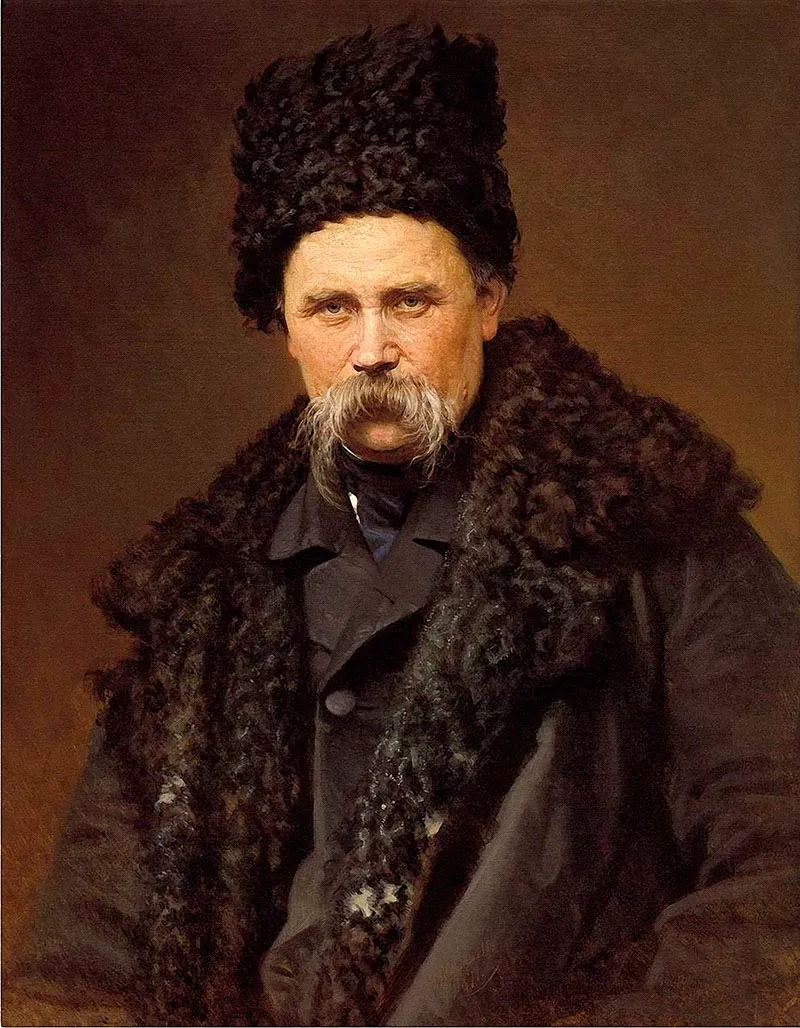
Maksymovych met Taras Shevchenko in Kyiv in 1843, and the poet gave him his poem The Funeral Feast with a handwritten dedication. In 1859, in Prokhorivka, Shevchenko drew portraits of Maksymovych and his wife Mariia. Maksymovych dedicated a poem to Shevchenko.
Maksymovych died at Mykhailova Hora in 1873 and is buried there.
Why it matters today
Maksymovych showed that a folk song is not a pastime but evidence that Ukrainians have a language, history and culture of their own. His collections became one of the foundations of Ukrainian folklore studies and led people like Kostomarov to folk poetry. He defended princely Kyiv as part of Ukrainian history, not someone else’s inheritance. A botanist by training and Kyiv University’s first rector, he showed that the study of nature and the study of a people can live in one person. Anyone who finds their people’s roots in songs and old documents carries on his work.