c. 1779–1837
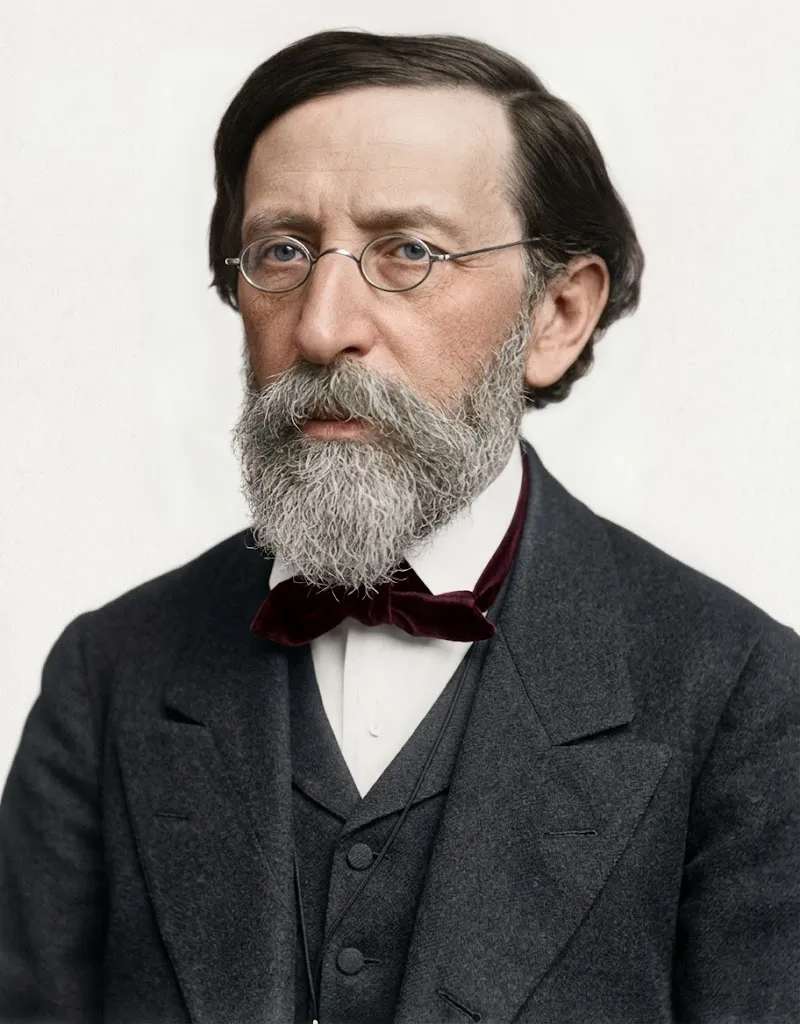
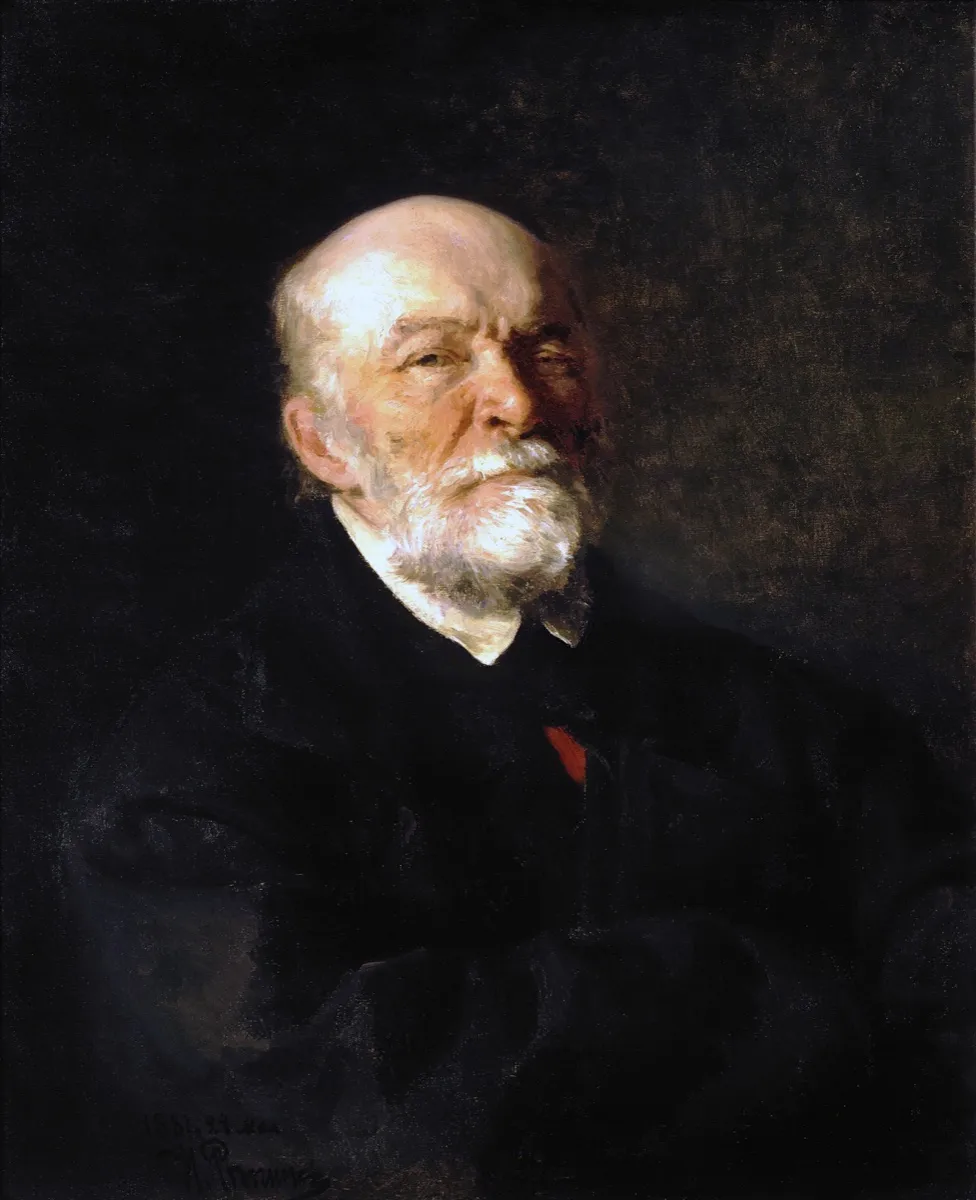
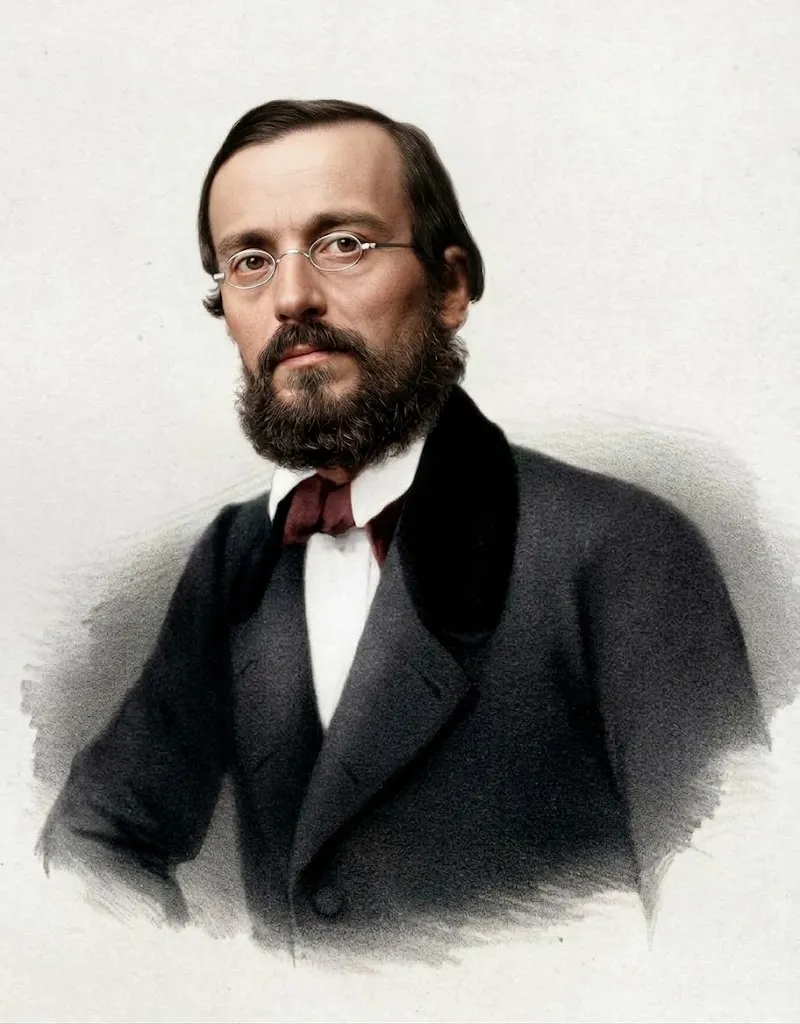
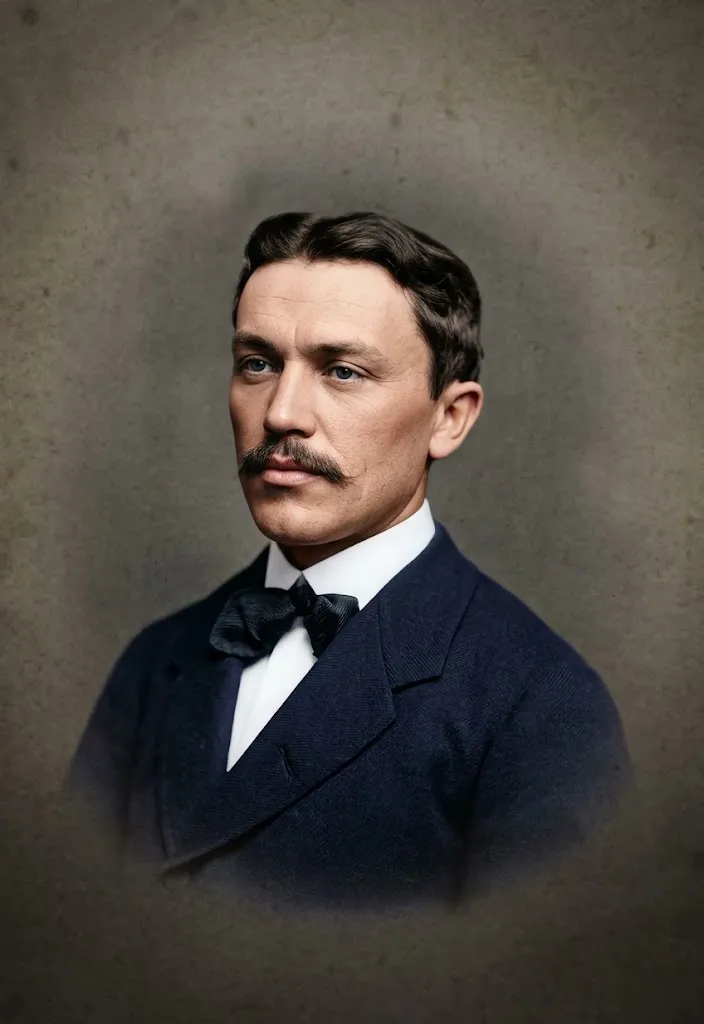
Oleksandr Zasiadko
Military rocket designer, general
Neighbours reportedly complained to the governor that he was setting haystacks on fire. That was how Oleksandr Zasiadko, a descendant of Zaporozhian gunners from the Poltava region, tested gunpowder rockets; later he built launchers that fired six at once. A crater on the Moon bears his name.
Key accomplishments
- From 1815 developed incendiary and explosive gunpowder rockets with a range of over 2 kilometres
- Designed launchers for a single rocket and for a salvo of six
- Set up serial production of rockets and created rocket companies to train soldiers in the new weapon
- Founded an artillery school and became its first director
- A lunar crater was named after him (1976)
Why were the haystacks burning?
Oleksandr Zasiadko’s neighbours, the story goes, once complained to the governor that he was burning haystacks. The governor asked whose hay it was, and on hearing it was his own, replied: “Let him burn it.” The haystacks were targets for rockets: if a rocket hit, the hay caught fire.
The son of a Sich gunner
Zasiadko was born in 1779 in the Cossack town of Liutenka in the Poltava region. His family traced its roots to Yakiv Zasiadko, a colonel of the Lubny Regiment, and his father, Dmytro Zasiadko, was the last chief gunner of the Zaporozhian Sich. Oleksandr followed his father: he graduated from the cadet corps in St Petersburg and became an artillery officer in the russian army. He crossed the Alps, fought the Turks in the Mediterranean and on the Danube and fought Napoleon’s armies, and was awarded a golden sword for bravery.
Rockets from the Poltava region
In 1815 Colonel Zasiadko unexpectedly left the service and went home to Liutenka. He sold his father’s estate and used the money to build a forge and a pyrotechnics laboratory. The rockets were tested on the sandy pastures between Liutenka and Velyki Sorochyntsi. Within a few years Zasiadko had created incendiary and explosive gunpowder rockets that flew more than 2 kilometres, plus launchers for a single rocket and for a salvo of six. He wasn’t the first in the world: he was prompted by the rockets of the Englishman William Congreve, and Indian armies had used similar rockets even earlier. But Zasiadko managed to build rockets of the best design of their time.
The rocket general
After demonstration launches near St Petersburg the rockets were adopted, and Zasiadko set up their serial production. He founded an artillery school and became its first director, and created rocket companies to train soldiers in the new weapon. The real test came in the war with Turkey of 1828–1829: during the siege of the fortress of Brailov (now Brăila in Romania) the army fired more than 3,000 rockets, and four days later the garrison surrendered. Other Turkish fortresses soon capitulated too. Zasiadko rose to lieutenant general and chief of staff of the artillery, then retired because of ill health. He spent his last years in Kharkiv, where he died in 1837.
Why it matters today
Oleksandr Zasiadko showed that a new weapon can be invented and tested not in a laboratory in the capital but in a meadow outside a small town in the Poltava region. He didn’t just copy someone else’s invention: he built rockets that actually hit their targets and taught an army to use them, creating separate rocket companies for the new weapon. The crater that bears his name on the Moon is a reminder that the history of rocketry has Ukrainian pages too. Anyone designing rockets in Ukraine today carries on the work he began on the pastures of the Poltava region.