1596–1647
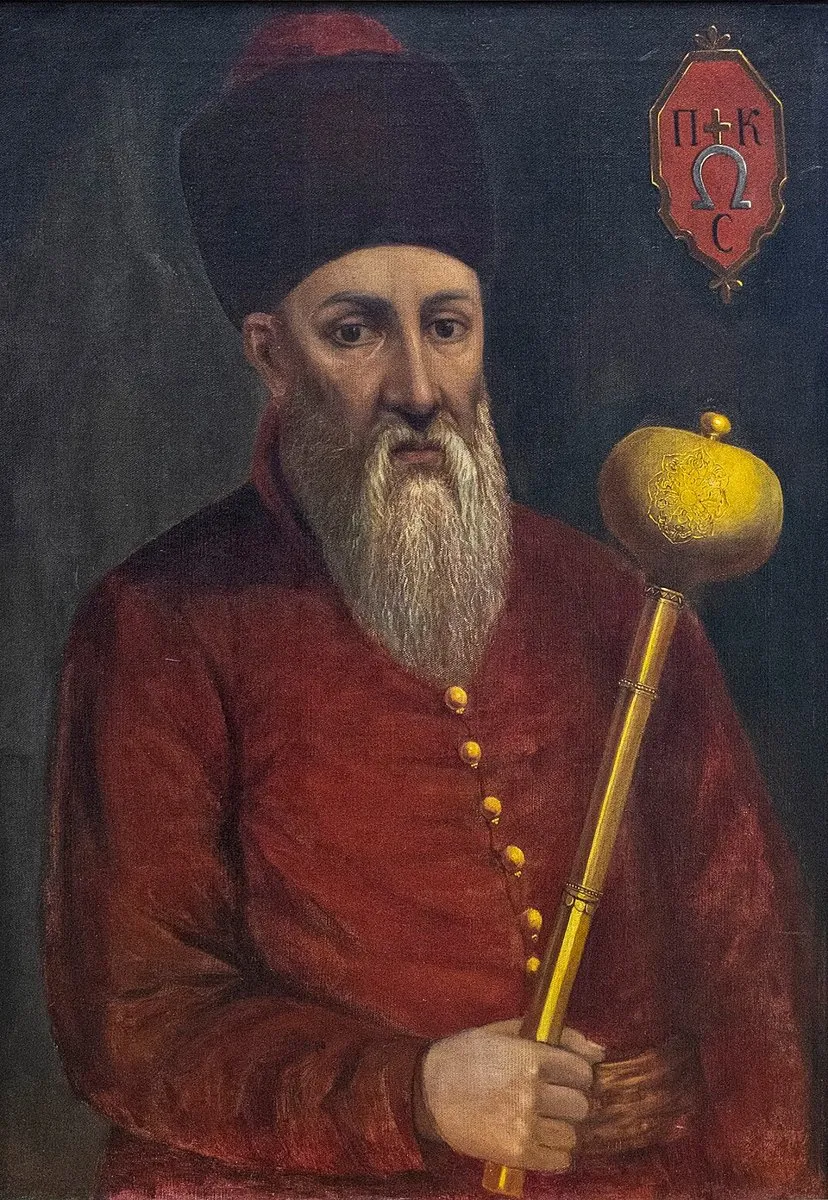
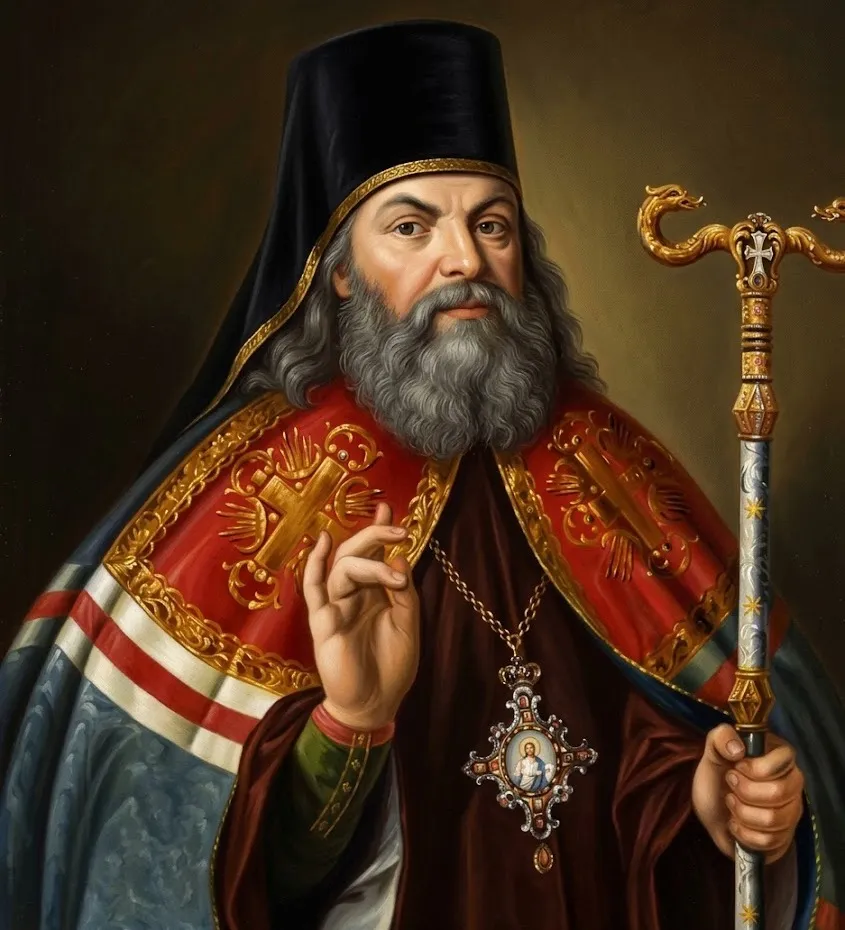
Petro Mohyla
Metropolitan, founder of Kyiv-Mohyla
The son of a Moldavian ruler fought at Khotyn, then chose the church and the school over the sword. Petro Mohyla, Metropolitan of Kyiv, founded the college in 1632 that grew into the Kyiv-Mohyla Academy, and pulled the Ukrainian Orthodox Church out of crisis.
Key accomplishments
- Archimandrite of the Kyiv Cave Monastery (from 1627); founded a school there in 1631
- In 1632 merged the monastery school and the Kyiv Brotherhood School into the college that grew into the Kyiv-Mohyla Academy
- Metropolitan of Kyiv, Halych and all Rus’ (from 1633)
- The Orthodox Confession of Faith, endorsed by the Orthodox patriarchs in 1643, and the Trebnyk (1646)
- Restored St Sophia’s Cathedral, the Church of the Saviour at Berestove and the Vydubychi cathedral
The ruler’s son who chose a school
Petro Mohyla was the son of Simeon Mohyla, ruler of Moldavia and Wallachia. After his father died in 1607, the family lost the throne and moved to the Polish-Lithuanian Commonwealth. Young Mohyla served at the courts of Polish hetmans and fought the Turks at Cecora in 1620 and in the Khotyn War of 1621. But he chose the church over a military career.
A school in the monastery
Mohyla became archimandrite of the Kyiv Cave Monastery in 1627, and in 1631 he founded a school there, bringing in teachers from Lviv. The very next year it merged with the Kyiv Brotherhood School, which had been set up in 1615 on an inheritance left by Halshka Hulevychivna of Kyiv. The new college was named Mohylian after him. The university still counts Hetman Petro Sahaidachnyi among its founders too.
A metropolitan who reformed the church
When the new king, Władysław IV, legalized the Orthodox Church in 1633, Mohyla was consecrated Metropolitan of Kyiv in Lviv. He gathered scholars in Kyiv, revived the monastery’s printing press and, with his circle, wrote the Orthodox Confession of Faith, endorsed in 1643 by all four Orthodox patriarchs. The rites in his Trebnyk of 1646 stayed in church use for centuries. He rebuilt Kyiv’s ancient shrines: St Sophia’s Cathedral, the Church of the Saviour at Berestove, where a fresco shows Mohyla himself, and the cathedral of the Vydubychi Monastery.
He called Ukraine his “Fatherland”, but didn’t forget his homeland either: at his own expense he equipped a printing press and sent it to Wallachia in 1635. In his will he left the college money and his large library. Mohyla died in Kyiv in 1647 and was buried in the monastery’s Dormition Cathedral.
Why it matters today
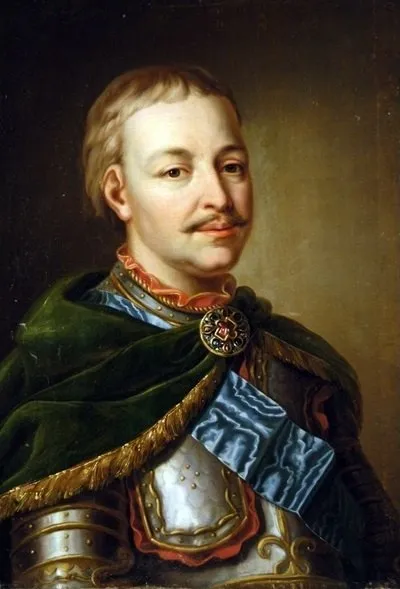
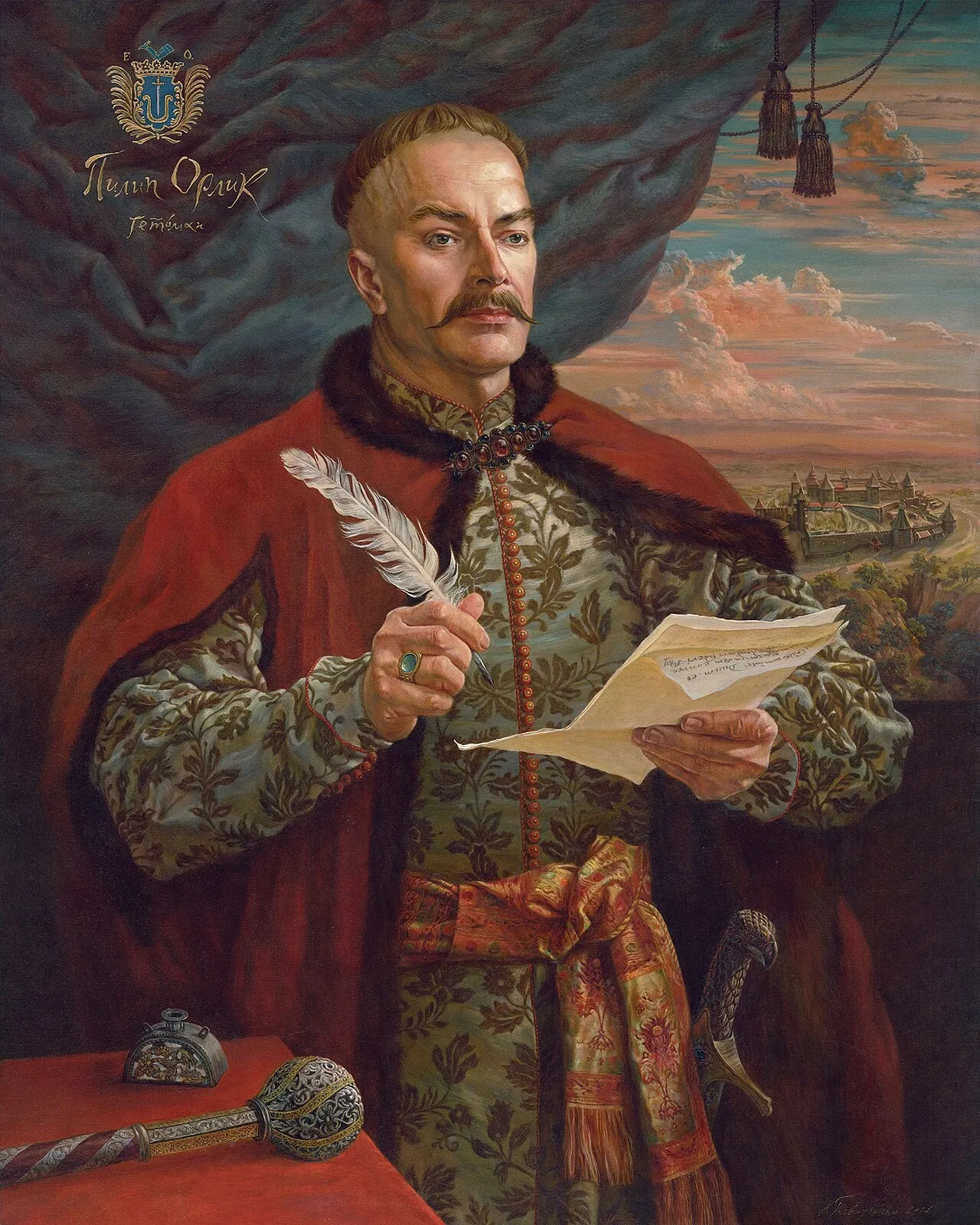
Petro Mohyla showed that a school, a book and a cared-for heritage can give a country as much as a sword. His college grew into the academy where Ivan Mazepa, Pylyp Orlyk and Hryhorii Skovoroda studied, and “Mohylianka” still teaches students under his name. He pulled the church out of crisis, and the rites in his Trebnyk lived on for centuries. By rebuilding Kyiv’s ancient shrines, he kept the heritage of Rus’ for those who came after. Anyone who studies in order to serve their country carries on his work.