1892–1984
Yosyf Slipyi
UGCC patriarch, Gulag prisoner
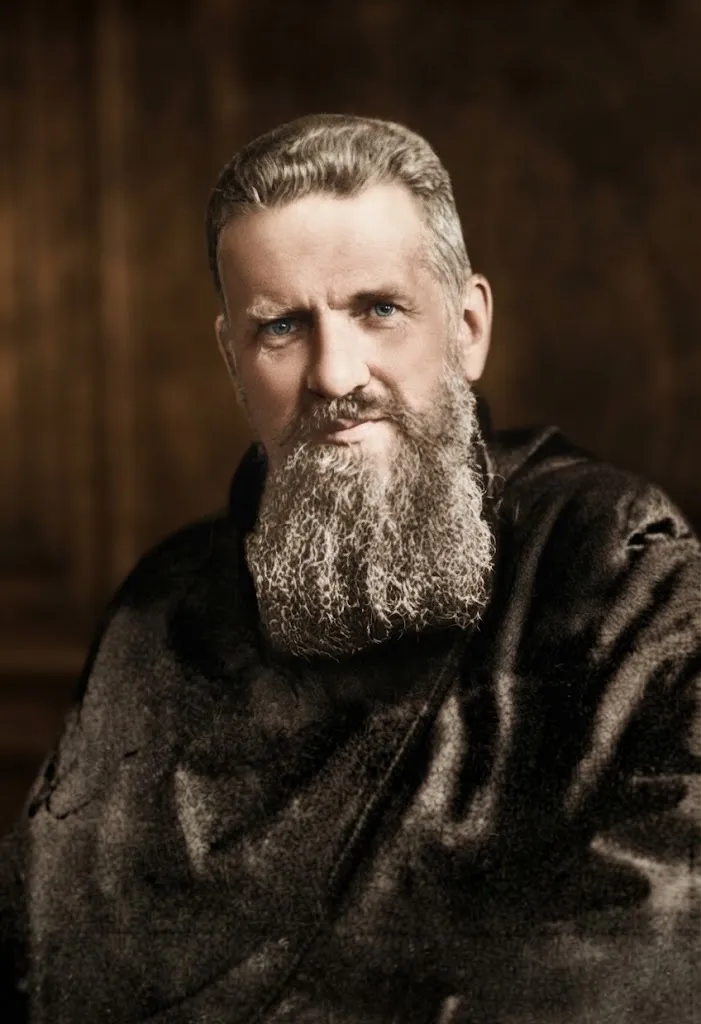
After more than 18 years in Soviet prisons and camps, the Pope and the US president won his release. Yosyf Slipyi, successor to Metropolitan Andrei Sheptytskyi, led the Ukrainian Greek Catholic Church from 1944, became a cardinal and founded the Ukrainian Catholic University in Rome.
Key accomplishments
- First rector of the Greek Catholic Theological Academy in Lviv (from 1928)
- Head of the UGCC from 1944: Metropolitan of Halych, later major archbishop, and patriarch from 1975
- Founded the Ukrainian Catholic University of St Clement in Rome (1963)
- Cardinal (1965)
- Built St Sophia Cathedral in Rome (1969)
A boy from Zazdrist
Yosyf Slipyi was born in 1892 in the village of Zazdrist near Terebovlia, in Galicia. After the gymnasium in Ternopil he studied at the seminary in Lviv, then in Innsbruck and Rome. In 1917 Metropolitan Andrei Sheptytskyi ordained him a priest, and the next year Slipyi earned his doctorate in theology.
The academy in Lviv
In 1925 Slipyi became head of the Greek Catholic seminary in Lviv. In 1928 Sheptytskyi turned it into a Theological Academy, with Slipyi as rector. At the end of 1939 Sheptytskyi secretly consecrated him a bishop with the right to succeed him. When the metropolitan died, Slipyi took over the Church as Metropolitan of Halych in November 1944.
Eighteen years in captivity
On 11 April 1945 the Soviet secret police (NKVD) arrested Slipyi in Lviv. He was charged with “hostile activity” and collaboration with the occupiers and sentenced to 8 years in the camps. Exile in Siberia followed, then new sentences and finally life imprisonment. In all, Slipyi spent more than 18 years in prisons, camps and exile. He was freed in 1963, after Pope John XXIII and US President John F. Kennedy intervened on his behalf. He had to leave the USSR and arrived in Rome on 9 February 1963.
A Church in exile
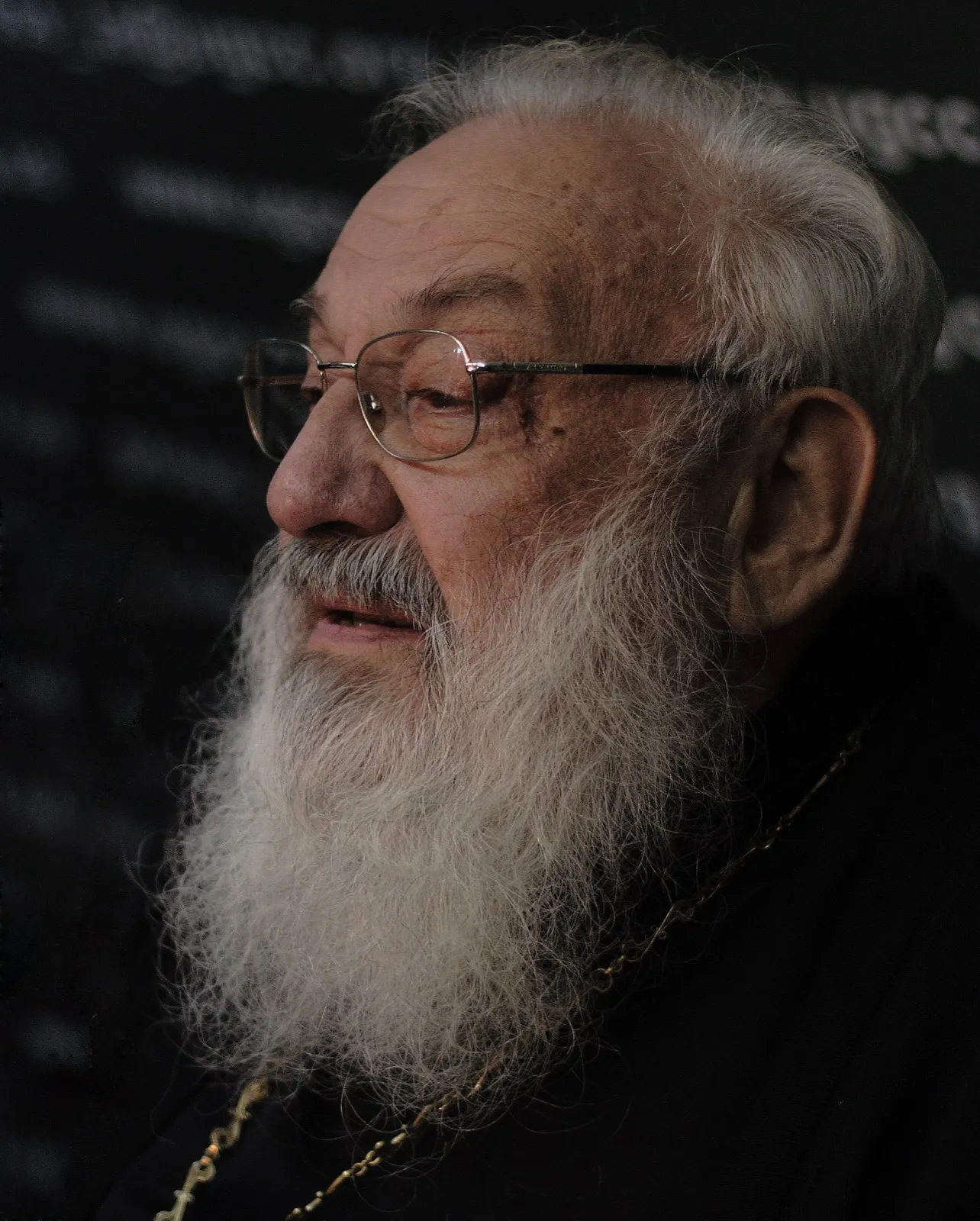
In Rome Slipyi founded the Ukrainian Catholic University of St Clement (1963) and built St Sophia Cathedral (1969). In 1965 he became a cardinal. He wanted his Church to have its own patriarch, but the Vatican did not support the idea; in 1975 Slipyi took the title of patriarch anyway. In 1977 he secretly, and without the Pope’s consent, consecrated Liubomyr Huzar a bishop, fearing that Soviet repression would leave the Church without bishops.
Slipyi died in Rome on 7 September 1984.
Why it matters today
More than 18 years of captivity did not make Yosyf Slipyi renounce his Church: he refused even when he was offered the Kyiv metropolitan see in return for renouncing the Pope. In exile he did not live in the past but kept building: a university for Ukrainians and a cathedral modelled on St Sophia in Kyiv. By secretly consecrating Liubomyr Huzar, he made sure the Church would not be left without bishops. His life shows that faith, a Church and dignity can survive both the camp and exile. In 1992, as he had wished, he was reburied in Lviv.