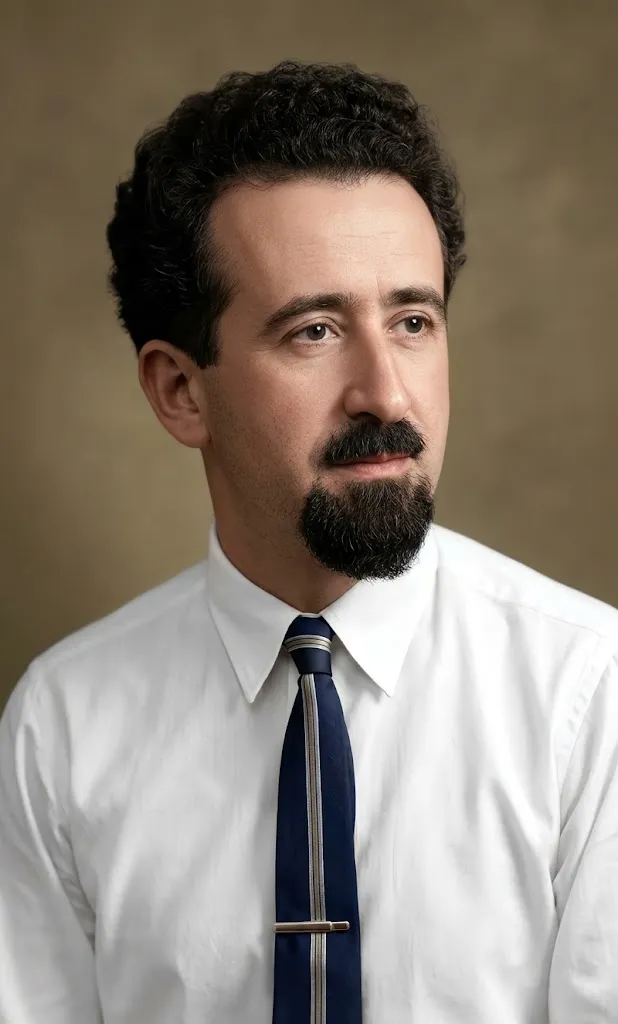
1897–1983
Borys Ten
Translator of Homer, poet
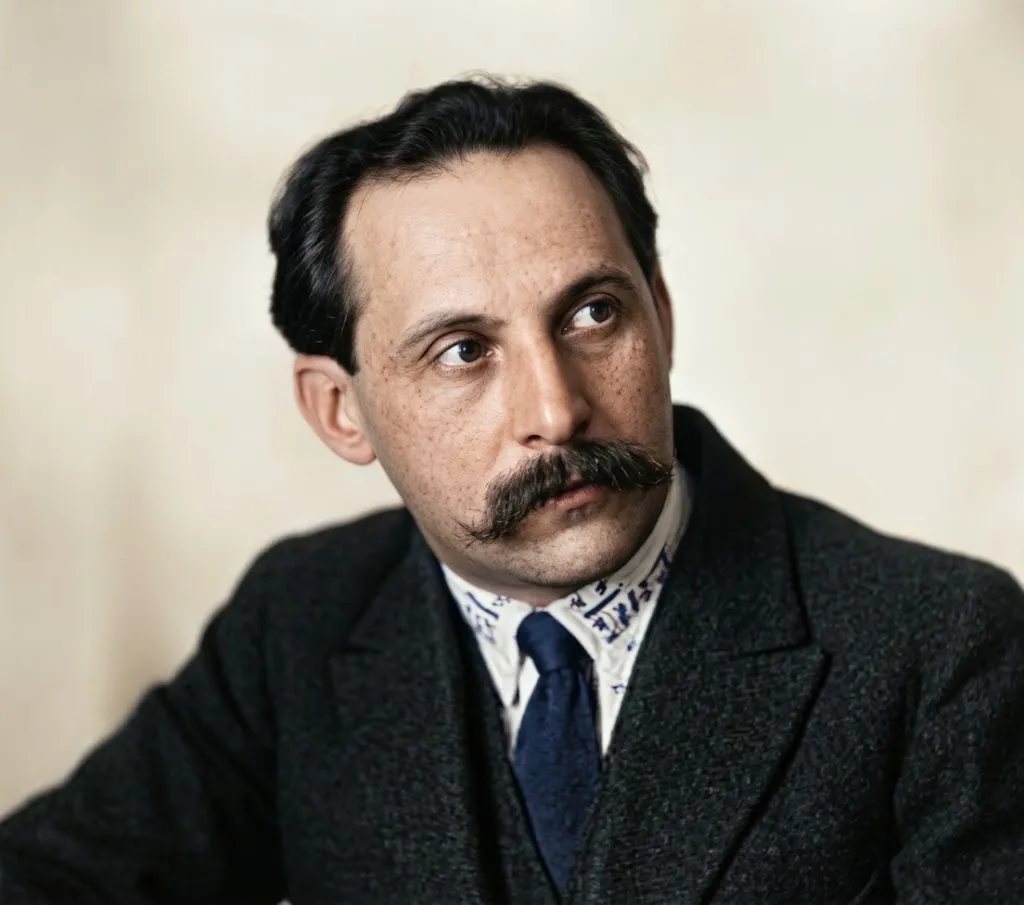
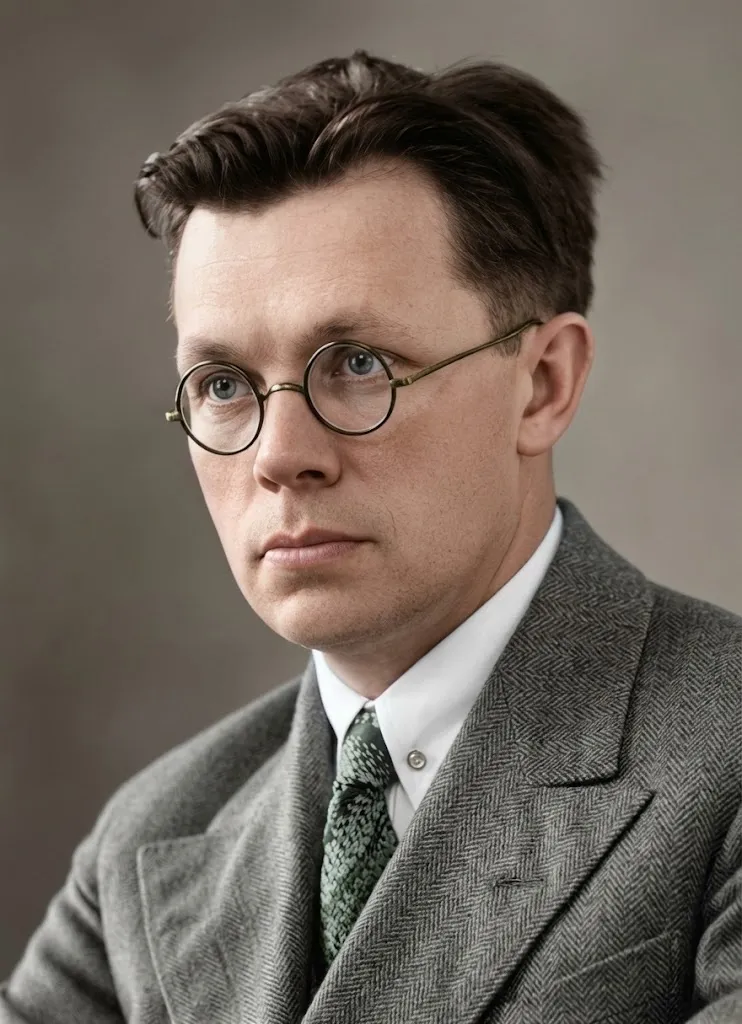
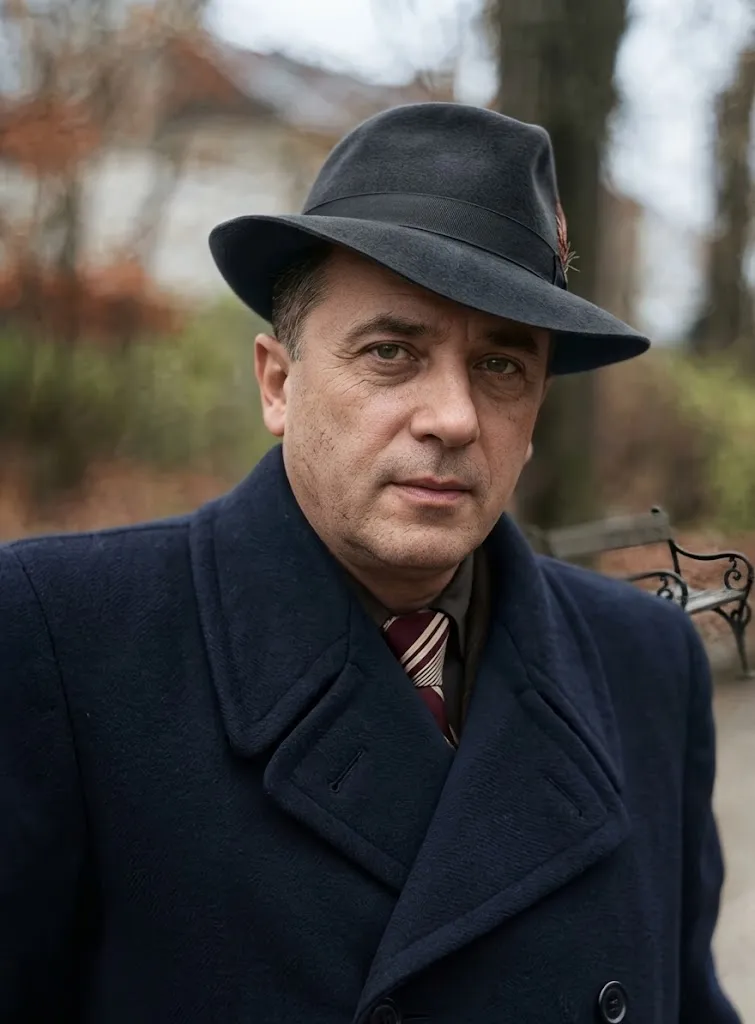
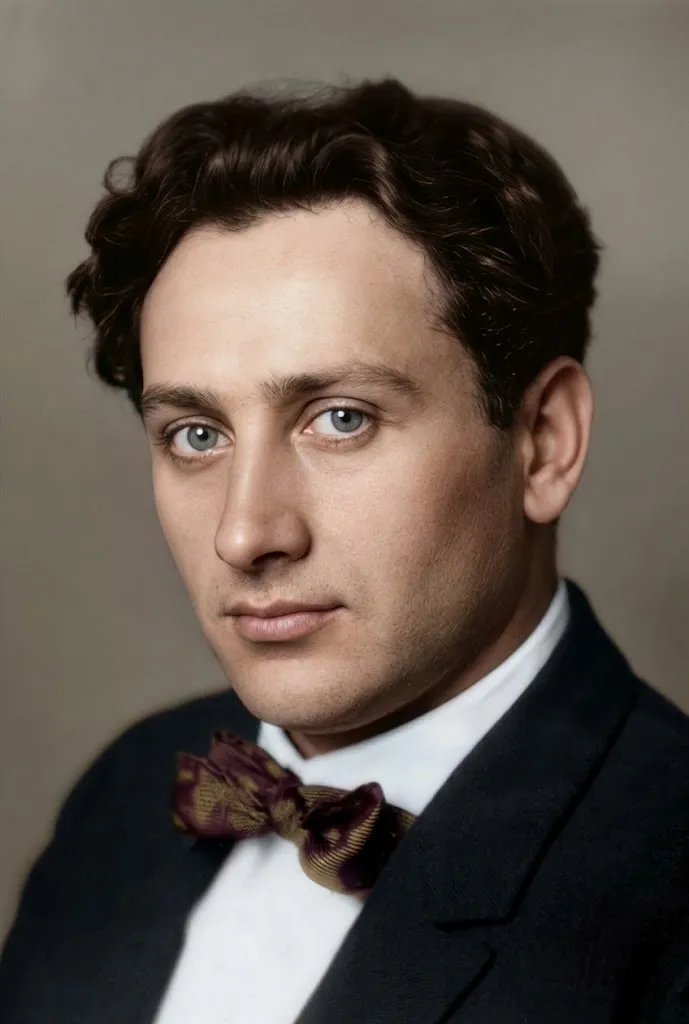
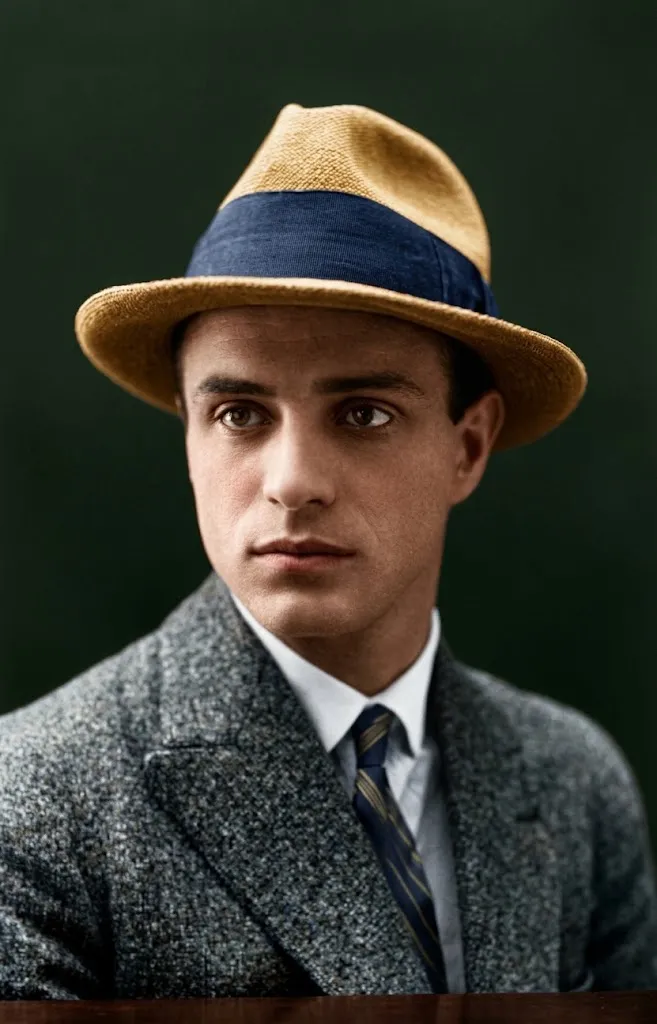
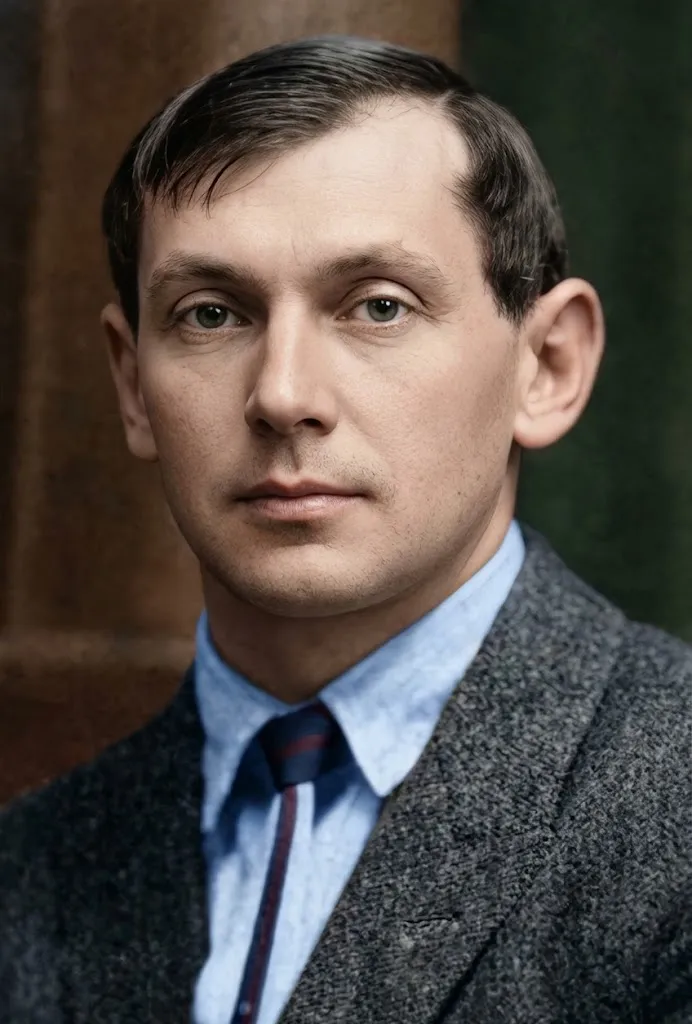
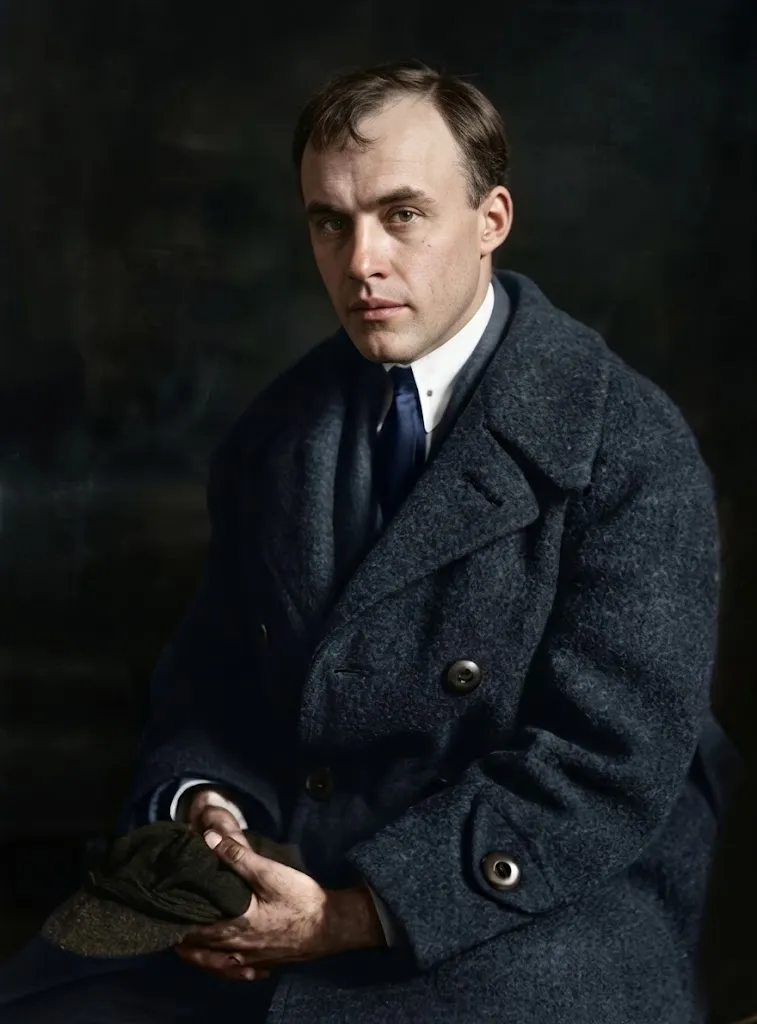
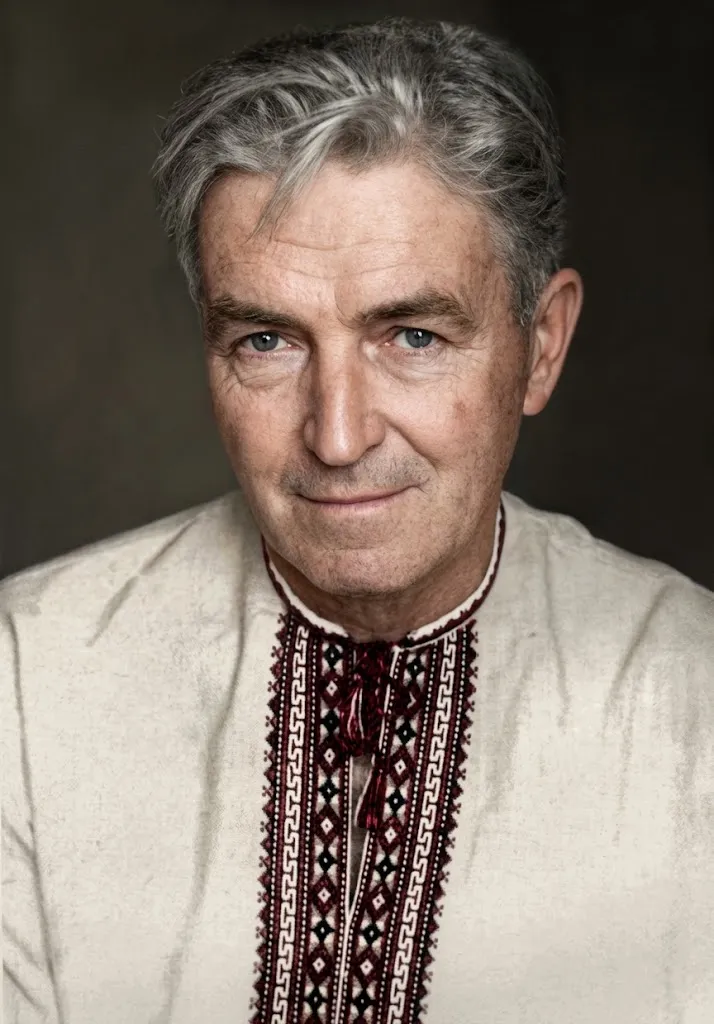
He took his pen name from the ancient Greek name of the Dnipro. Borys Ten (Mykola Khomychevskyi) was a priest of the Ukrainian Autocephalous Church, survived a Soviet camp and Nazi captivity, and then gave Ukrainians Homer’s Iliad and Odyssey.
Key accomplishments
- Translated Homer’s Iliad and Odyssey from ancient Greek; Maksym Rylskyi Prize (1979)
- Translations of Aeschylus, Sophocles, Euripides, Aristophanes, Aristotle, Shakespeare, Schiller, Goethe, Mickiewicz and others
- The sonnet collection Starry Orchards (1970)
- Priest of the Ukrainian Autocephalous Orthodox Church; rector of St Sophia’s Cathedral in Kyiv (1924–1926)
- Founded the Lonok choir in Zhytomyr and led the regional literary association
- Honoured Worker of Polish Culture (1977); a medal of Poland’s Ministry of Culture and Art for translating Słowacki, Mickiewicz and Żuławski
The man named after the Dnipro
Where does the name “Borys Ten” come from? The ancient Greeks called the Dnipro the Borysthenes, and Mykola Khomychevskyi took his pen name from it. It was under that name that he translated Homer’s Iliad and Odyssey into Ukrainian.
A priest at St Sophia’s
Mykola Khomychevskyi was born in 1897 in the village of Derman in Volhynia, into the large family of a priest and a teacher. At the start of the First World War the family moved to Zhytomyr. There he taught Ukrainian in schools, graduated from the Volhynian Institute of Public Education, and in 1922 became a priest of the Ukrainian Autocephalous Orthodox Church. From 1924 to 1926 he was rector of St Sophia’s Cathedral in Kyiv. He also belonged to the circle of the Kyiv Neoclassicists, poets who included Mykola Zerov and Maksym Rylskyi.
Camp and captivity
On 7 August 1929 Khomychevskyi was arrested for his church work, and the next year he was sentenced to ten years in the camps. He served his term in the Far East, mostly in Vladivostok, where he led a choir of prisoners. He was released on 1 September 1936, spent a short time back in Kyiv, and from 1937 worked in russia. When the Second World War began he was drafted into the Red Army and taken prisoner by the Germans. After a failed escape he was moved to a camp in Germany, and he was freed only in 1945.
Homer in Zhytomyr
After the war Borys Ten lived in Zhytomyr. He worked at the theatre, taught at the music school and taught Latin to students. He founded the Lonok choir and led the regional literary association. He translated Aeschylus, Sophocles, Aristophanes, Shakespeare, Schiller and Mickiewicz, but his life’s great work was the Iliad and the Odyssey. In 1966 he was nominated for the Shevchenko Prize but did not receive it. In 1979 he was awarded the prize named after Maksym Rylskyi for his Homer. Borys Ten died in Zhytomyr in 1983. The city has a monument to him, and the gymnasium in his native Derman has a memorial room.
Why it matters today
Borys Ten made it possible for Ukrainians to read Homer in their own language, and his translations enriched Ukrainian literary language and its vocabulary. He did it after a camp and a prisoner-of-war camp. His life shows that culture can be built even after others have tried to break you. Anyone who translates world classics into Ukrainian carries on his work: making Ukraine part of the great conversation of world literature.