1898–1934
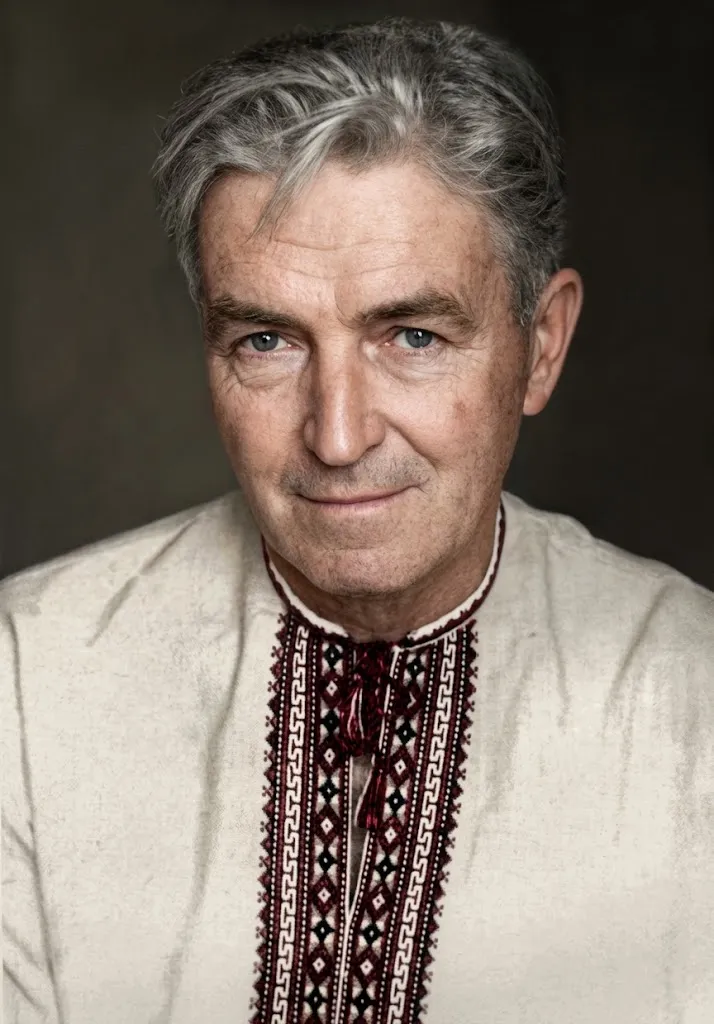
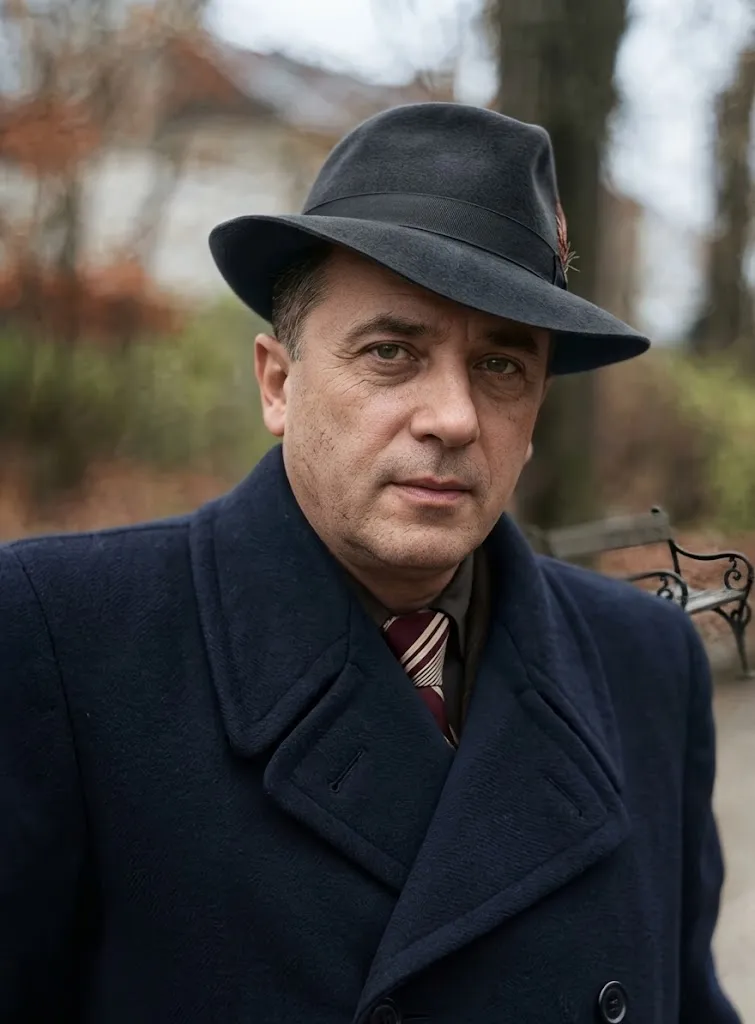
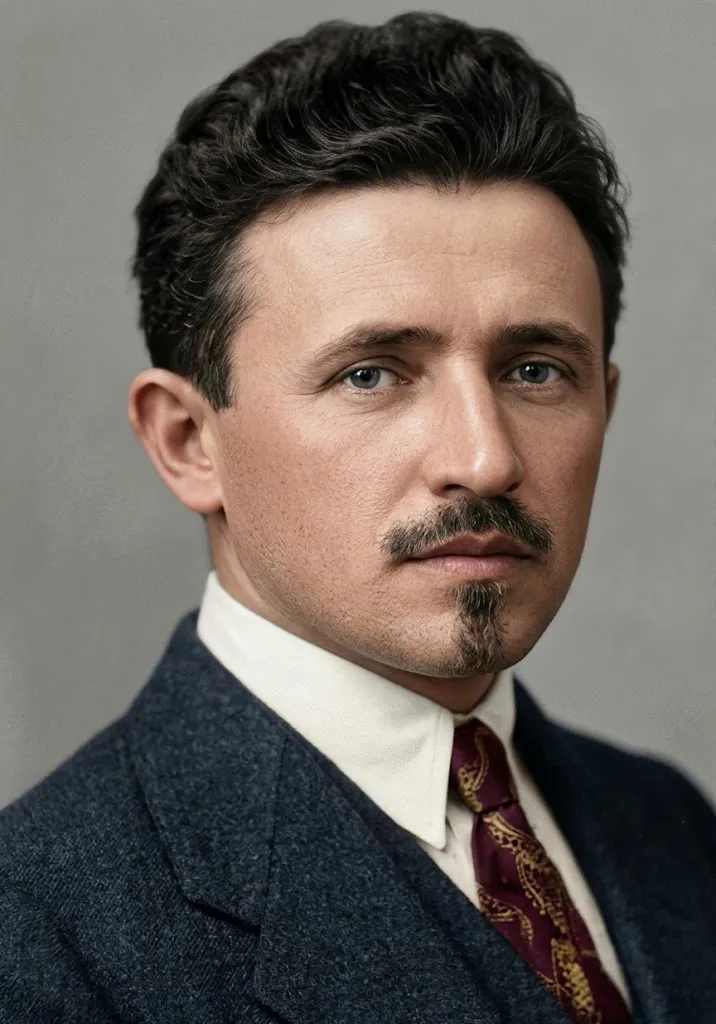
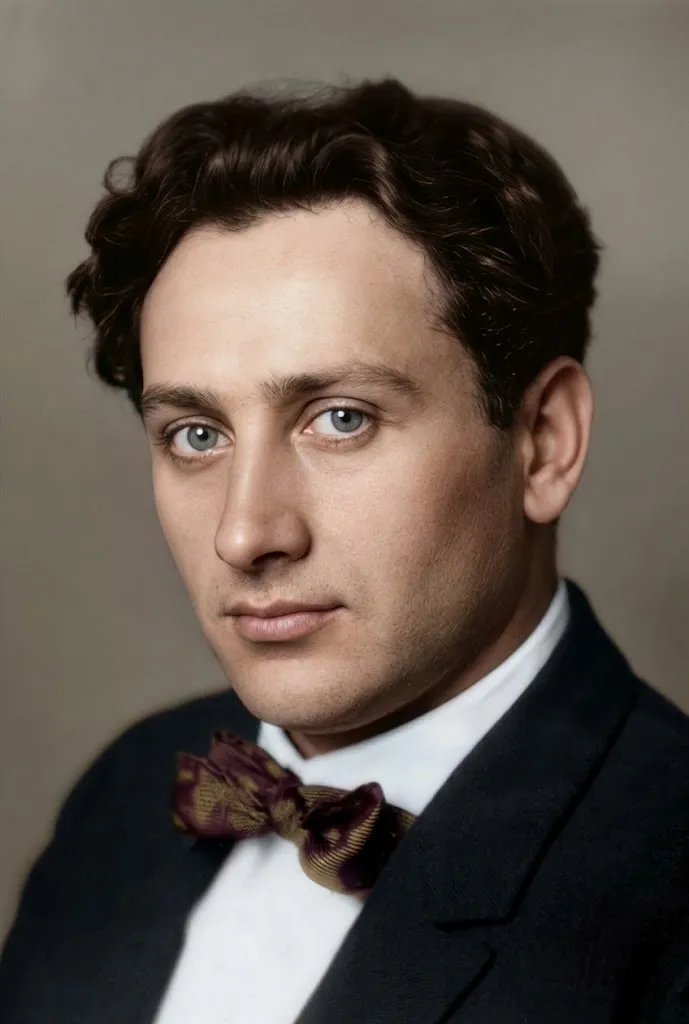
Dmytro Falkivskyi
Poet, author of Polissia
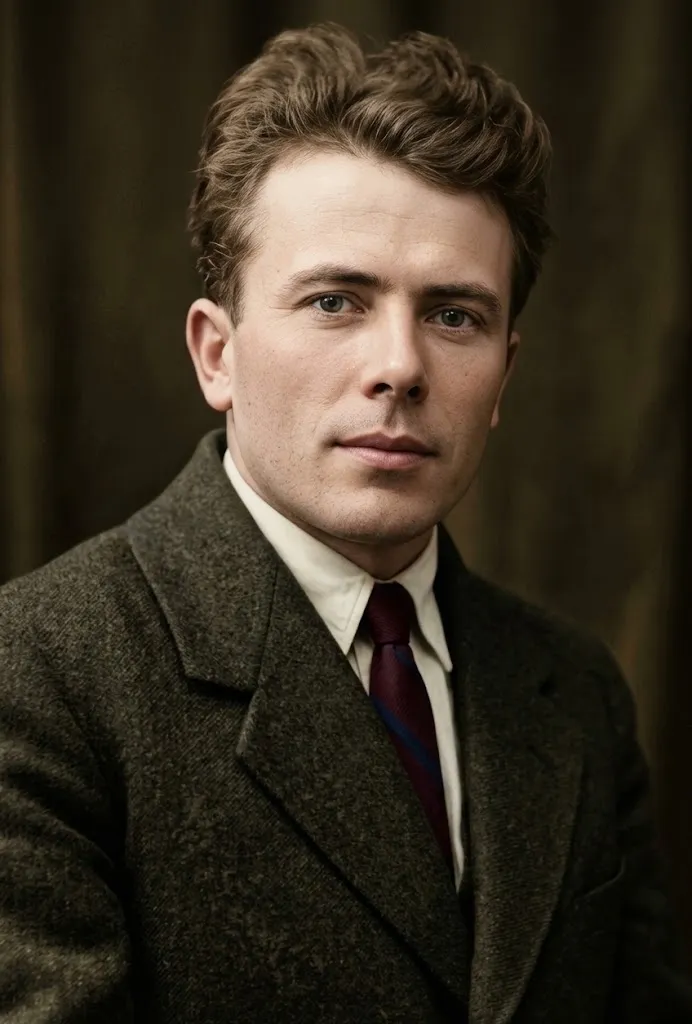
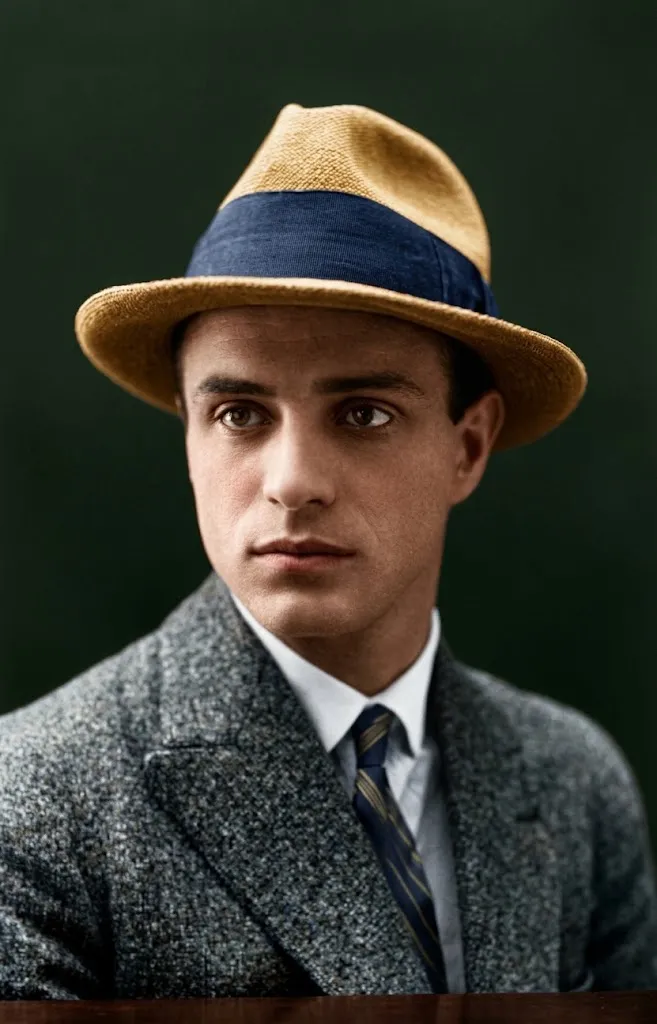
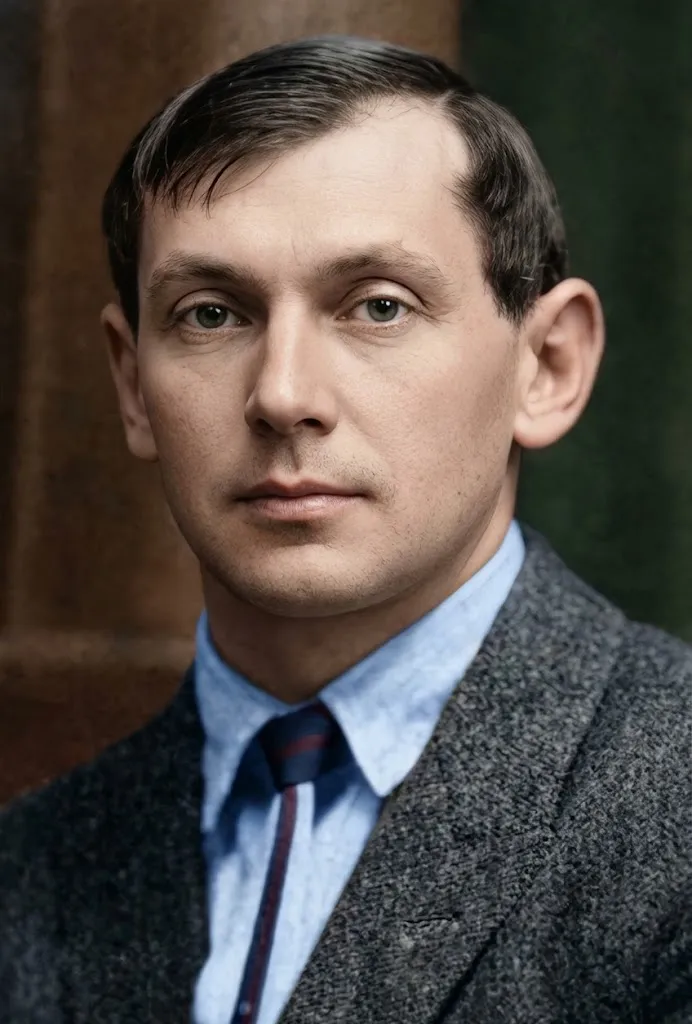
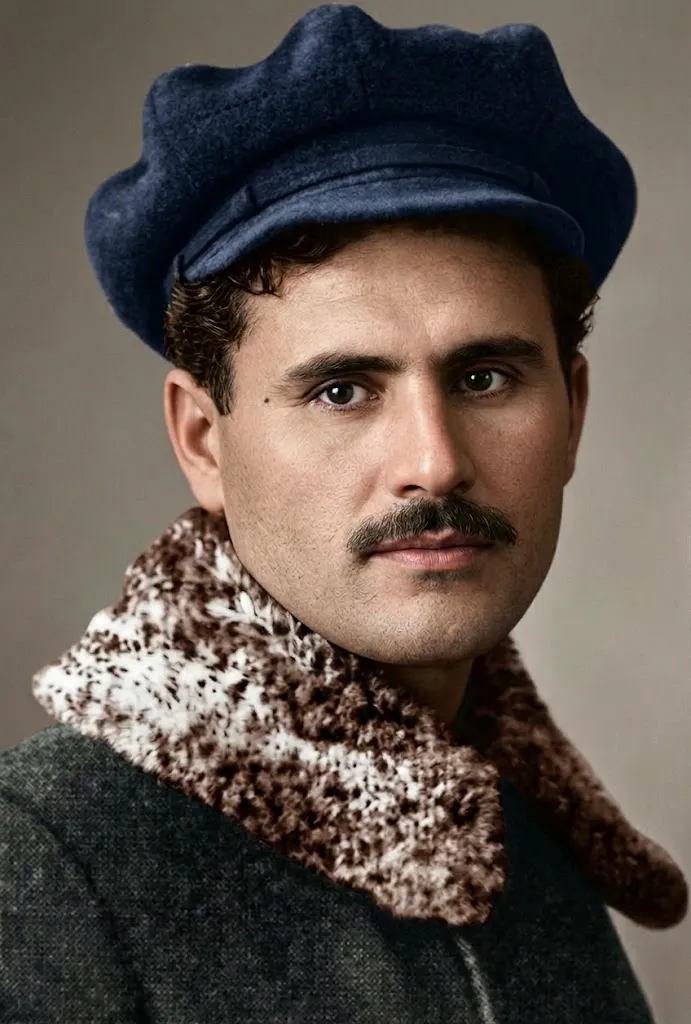
A former Cheka officer who became a lyric poet of Polissia, and a victim of the very system he had once served. Dmytro Levchuk from the Berestia region took the name Falkivskyi, published the collections Horizons and Polissia in Kyiv, and was shot in December 1934. He is still a contested figure.
Key accomplishments
- The narrative poem The Shepherd (1925)
- The poetry collections Horizons (1927), On the Ashes (1928) and Polissia (1931)
- Editorial secretary of the magazine Kino (1927–1933) and a screenwriter
- Translations from Belarusian, russian and German
A poet with a borrowed name
Dmytro Falkivskyi wasn’t his real name. He was born Dmytro Levchuk in 1898 in the village of Velyki Lepesy in the Berestia region of Western Polissia (now Brest region, Belarus), into a working-class family. He studied in Kobryn and at a secondary school in Brest, where he began writing poems at fourteen. The First World War kept him from finishing school.
The Chekist
During the revolution Levchuk sided with the Bolsheviks. In 1918 he was thrown into a camp for Bolshevik agitation among German soldiers; he escaped to Kobryn, joined the communist underground and became a member of the local revolutionary committee. In 1920 he volunteered for the Red Army and soon moved to the Kobryn district branch of the Cheka, the Bolshevik secret police. Three years later he fell ill with tuberculosis and was discharged.
The lyric poet of Polissia
In 1923 he moved to Kyiv, changed his surname and took up journalism and writing. Falkivskyi’s first published poem was The Chekist (1924). Then came the narrative poem The Shepherd and the collections Horizons, On the Ashes and Polissia. He belonged to Kyiv literary groups, among them Lanka (later MARS), spent six years as editorial secretary of the magazine Kino, wrote screenplays and translated. His poems are mostly autobiographical: his native village in Polissia, war, revolution, and the city life that his “peasant heart” lived through as a drama.
December 1934
Falkivskyi was arrested in late 1934 (sources give November or December) on an invented charge of planning terrorist acts. After the Bolshevik leader Sergei Kirov was murdered in Leningrad on 1 December, the regime answered with a wave of repression, and a visiting session of a military court in Kyiv sentenced him to death together with 27 other Ukrainian cultural figures, among them Hryhorii Kosynka, Oleksa Vlyzko and Kost Burevii. Dmytro Falkivskyi was shot in Kyiv in December 1934. He was rehabilitated in the late 1950s.
Debates and assessments
Falkivskyi is remembered among the poets of the Executed Renaissance whom the Soviet regime destroyed on invented charges. Yet from 1920 to 1923 he served in the Cheka, and scholars describe his first poem, The Chekist, as a romanticizing of the “Red Terror”. His poems also contain a Chekist’s memories of executions at night, and some researchers write that he took part in repressions himself. The Ukrainian Institute of National Memory has placed Falkivskyi (as of 2025) on its list of people linked to russian imperial policy, as a former officer of the Soviet security services who took part in terror in the Bolshevik underground during the Ukrainian People’s Republic. Streets, monuments and other public objects named after people on this list are to be removed.
Why it matters today
Falkivskyi’s fate shows that the Soviet system spared not even those who had once served it: a poet with a Chekist past was shot just like his fellow writers. His lyric poems kept alive the voice of Polissia, a land on the border of Ukraine and Belarus, and people took some of his poems as their own and sang them as songs. At the same time his life is a reminder that repression and service to a machine of repression can fit into one biography. An honest memory of the Executed Renaissance makes room for both halves of the story.