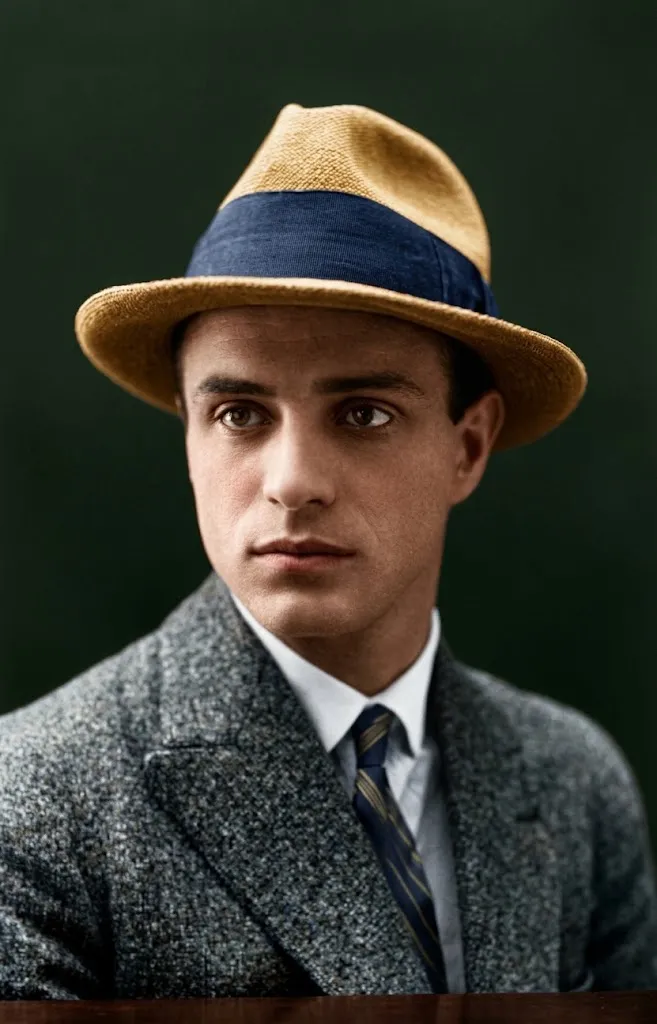
1895–1934
Ivan Dniprovskyi
Writer and playwright
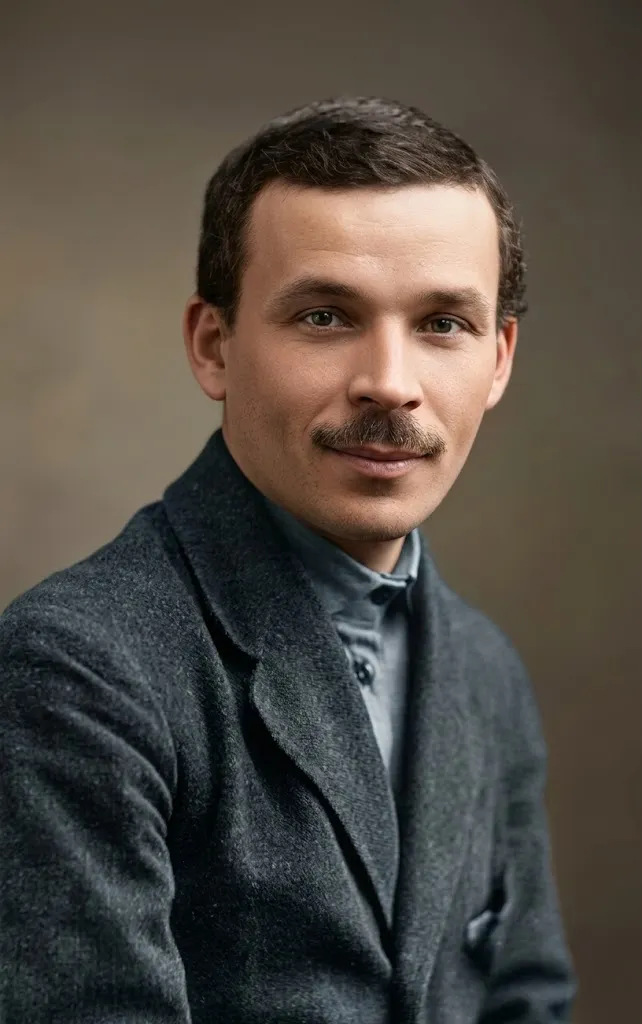
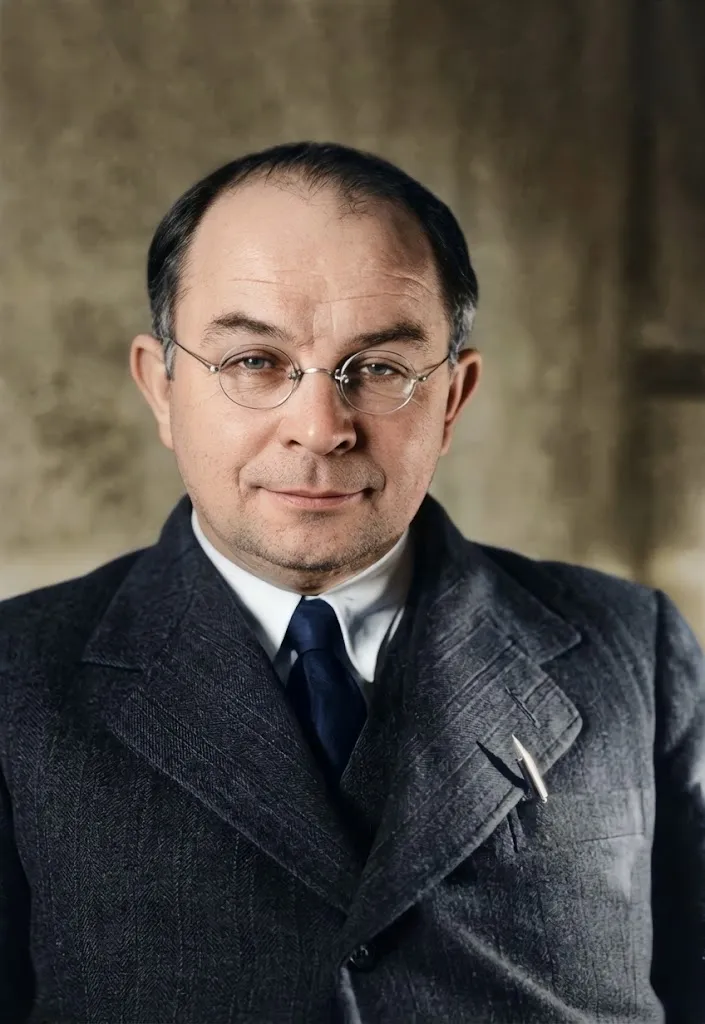
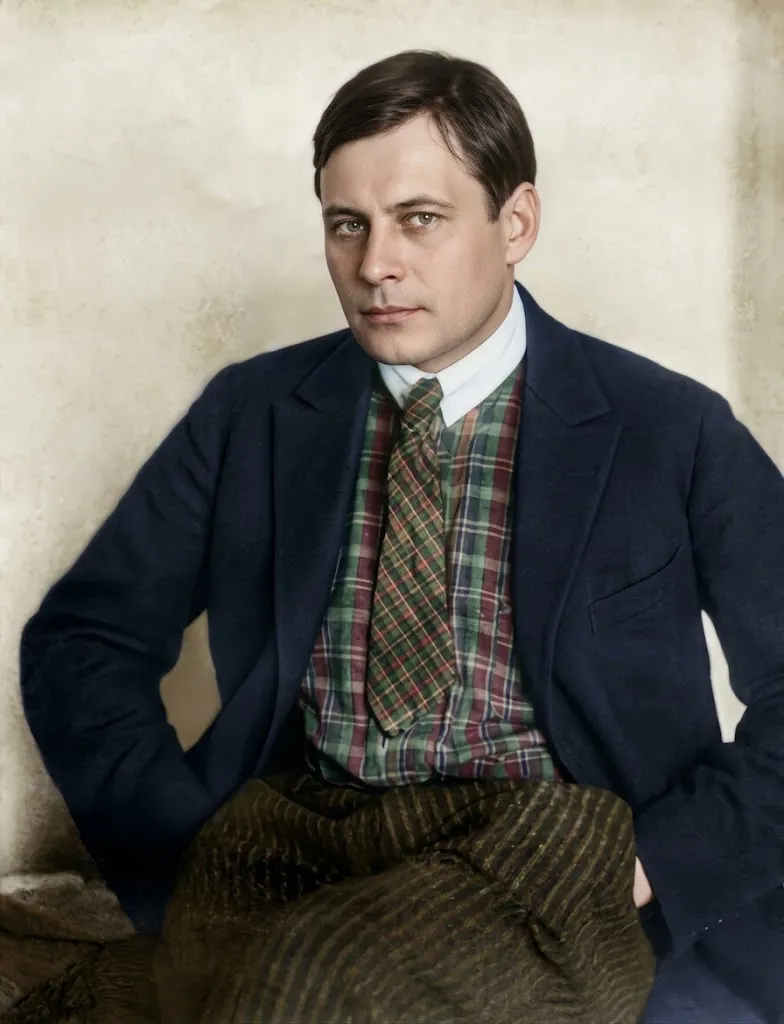
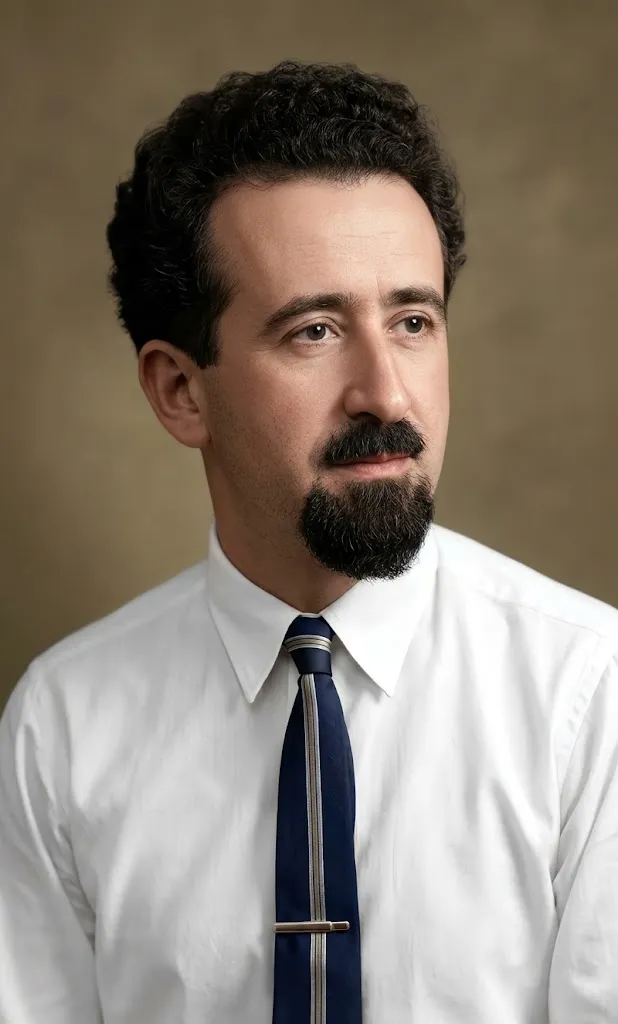
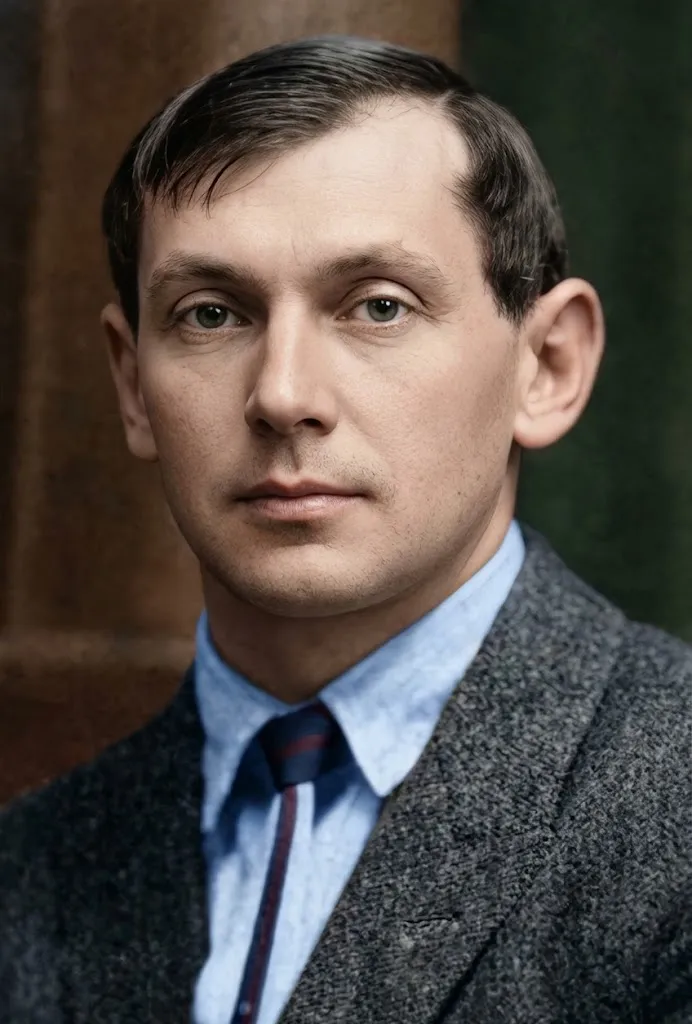
As soon as he died, his books were banned. Ivan Dniprovskyi, from Kalanchak in the Kherson region, wrote poems, plays and expressionist stories about war and revolution, and his play Apple-Blossom Captivity was staged by the Berezil theatre in Kharkiv.
Key accomplishments
- The play Apple-Blossom Captivity (1927), staged at the Berezil theatre
- The play Love and Smoke (1925)
- Story collections For Her Sake (1928), The Valley of Eels (1928) and Aceldama (1932)
- The long poems Donbas (1922) and The Plough (1924)
- Collected works in three volumes (1931–1933)
Banned after death
Did you know a book can be banned even after its author is gone? Ivan Dniprovskyi died in Yalta on 1 December 1934, at 39. Straight after his death, all his work was banned as hostile to the official line of Soviet literature.
A boy from Kalanchak
He was born on 9 March 1895 in the village of Kalanchak in southern Ukraine (now a town in the Kherson region), into a poor peasant family; his real surname was Shevchenko. He wrote his first poem at thirteen. At the boys’ gymnasium in Oleshky he met Mykola Kulish, the future playwright, and they stayed friends for life. At the start of the First World War he was called up into the army; in quiet moments he wrote “Trench Songs” and sketches from the front.
From poems to plays
Dniprovskyi first wrote in russian, and from 1921 in Ukrainian. After his studies in Kamianets-Podilskyi he moved in 1923 to Kharkiv, then the capital, and worked at the State Publishing House of Ukraine and the magazine Chervonyi shliakh. He belonged to the writers’ groups Hart and VAPLITE and was one of the closest allies of Mykola Khvylovyi. After his long poems he turned to drama. Love and Smoke (1925) was his creative contest with Kulish’s play 97. Apple-Blossom Captivity, staged by the director Yanuarii Bortnyk at the Berezil theatre, set off a fierce debate: in it Dniprovskyi showed that settling ideological conflicts with blood impoverishes the human soul.
Stories about war
He also won recognition with his stories about the First World War and the revolution, in the collections For Her Sake and Aceldama. In them, lonely people perish amid the general ruin, helpless before the cruelty of events, and they are written in the vivid, harsh colours of expressionism. His works came out in three volumes in 1931–1933. His archive held, unpublished, the beginning of a novel, Electra of Cimmeria, and a play, The Last Commander-in-Chief. Dniprovskyi was buried in Kharkiv. Only in 1956 was his work partly rehabilitated, and selections of it came out in Kyiv in 1964 and 1985.
Why it matters today
Dniprovskyi wrote about war not as a feat but as a disaster that breaks people, and he dared to say from the stage that blood does not settle a quarrel over ideas. He belonged to the generation that built a new, bold Ukrainian literature in 1920s Kharkiv, and he showed that it could write in the most modern colours of its day, expressionism among them. The regime wanted his name erased, but his work came back to readers. Anyone who reads the writers of that era today gives back the voice that was taken from them.