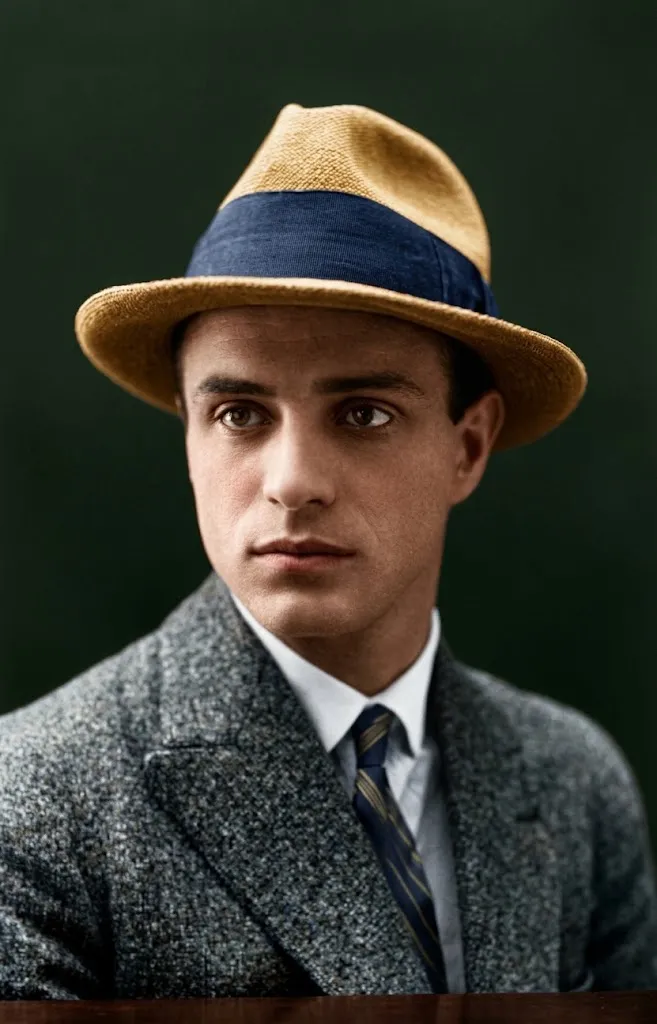
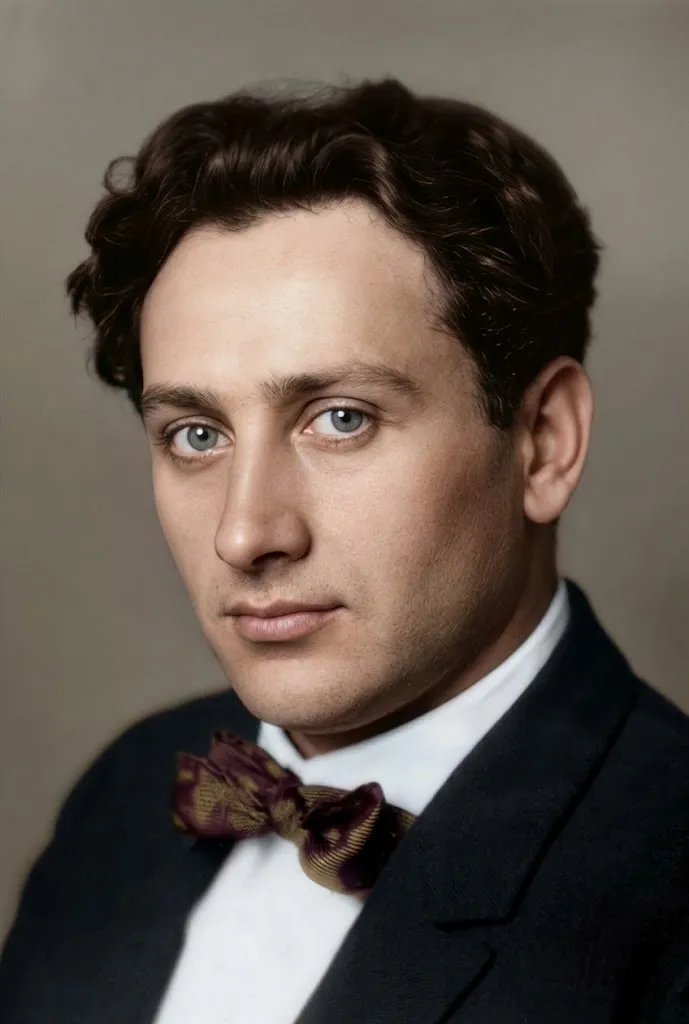
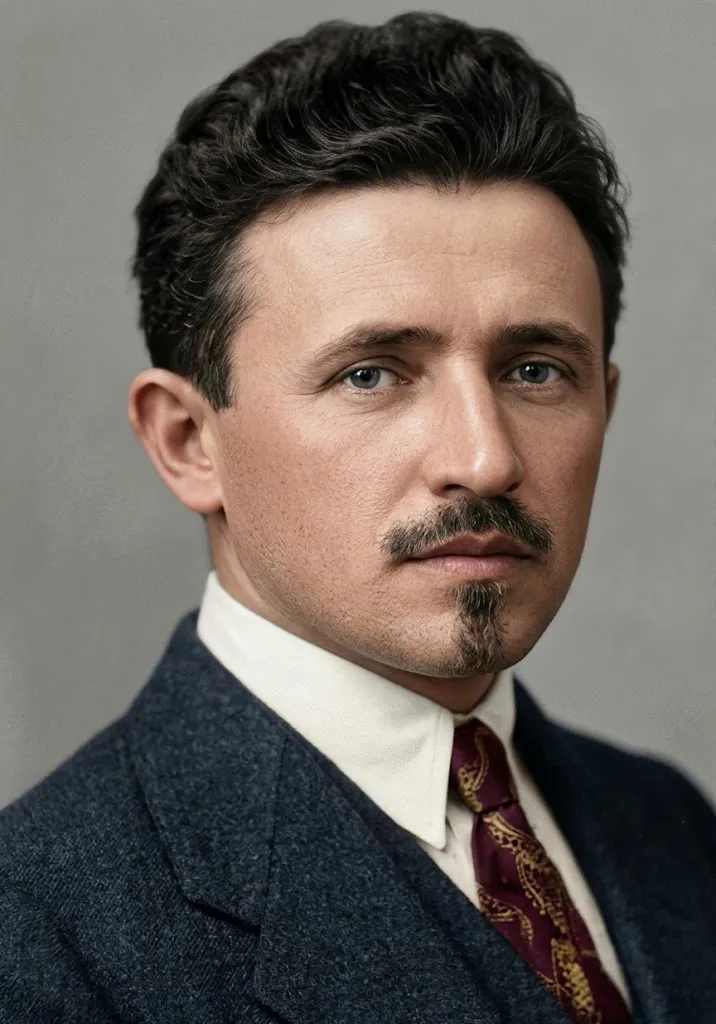
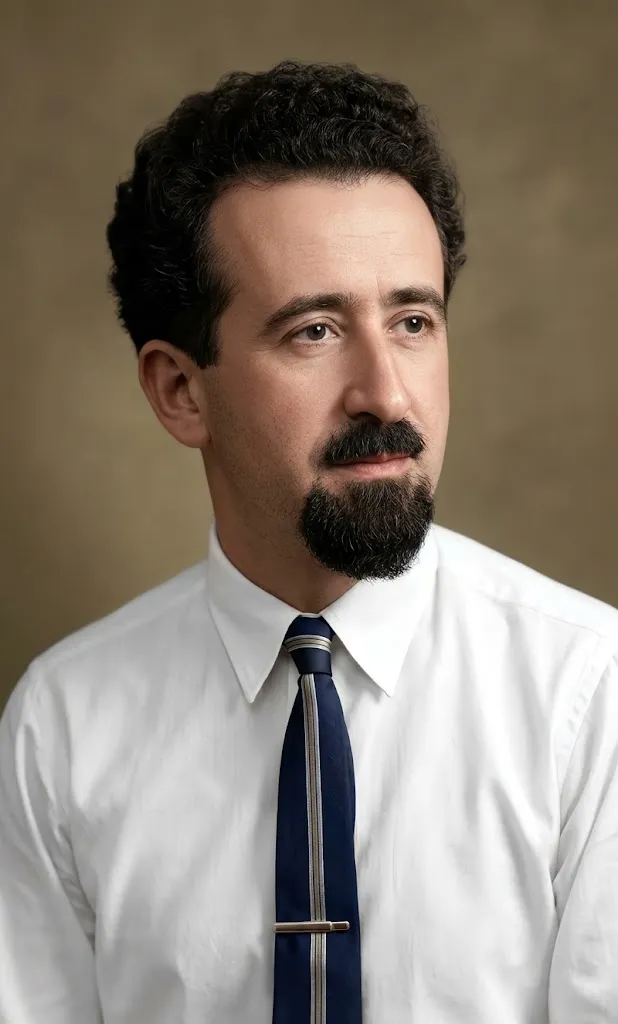
1897–1968
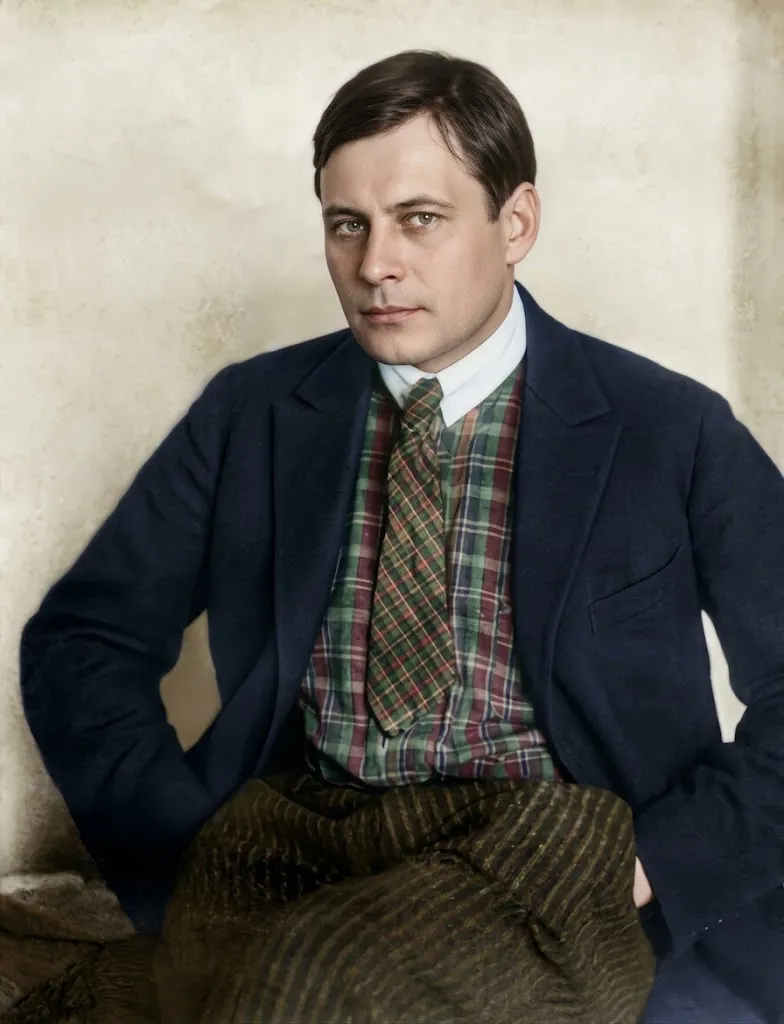
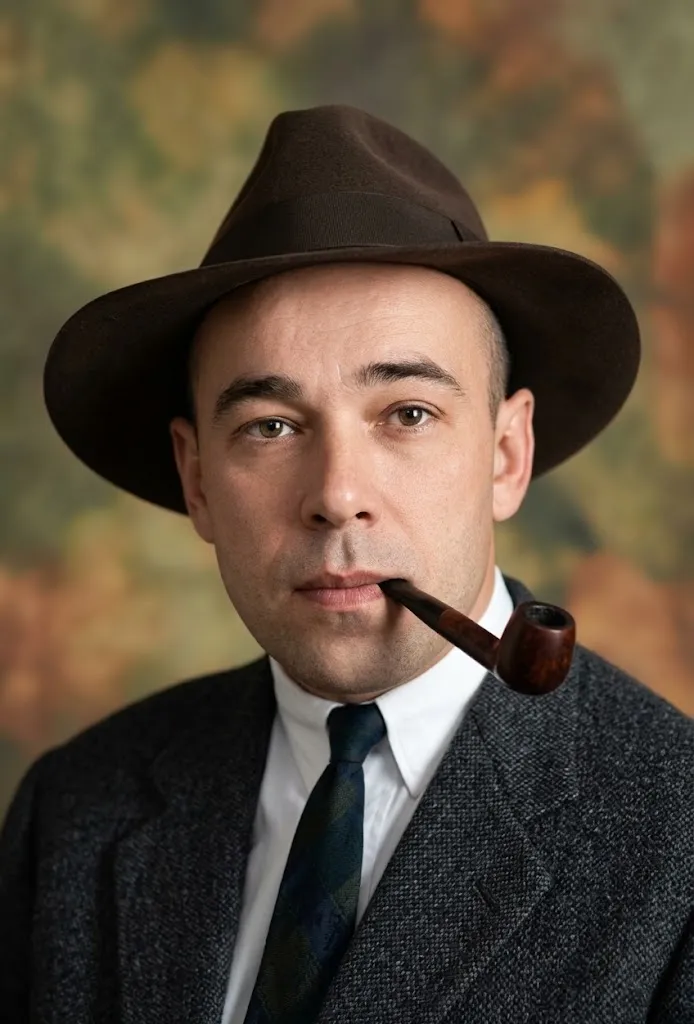
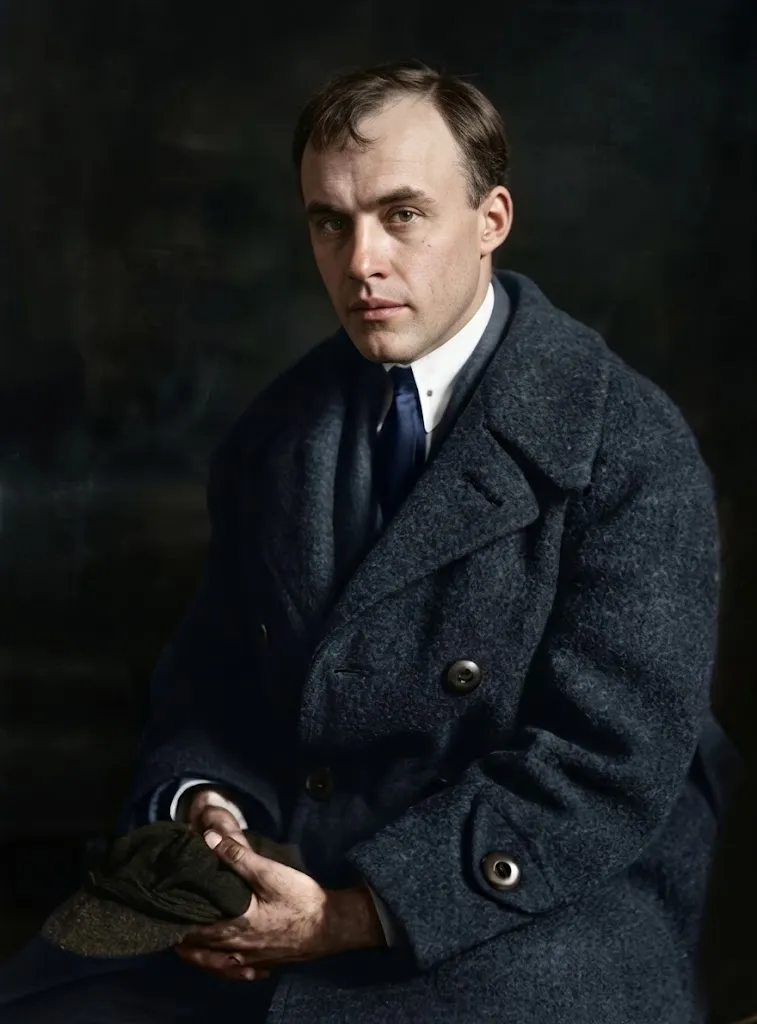
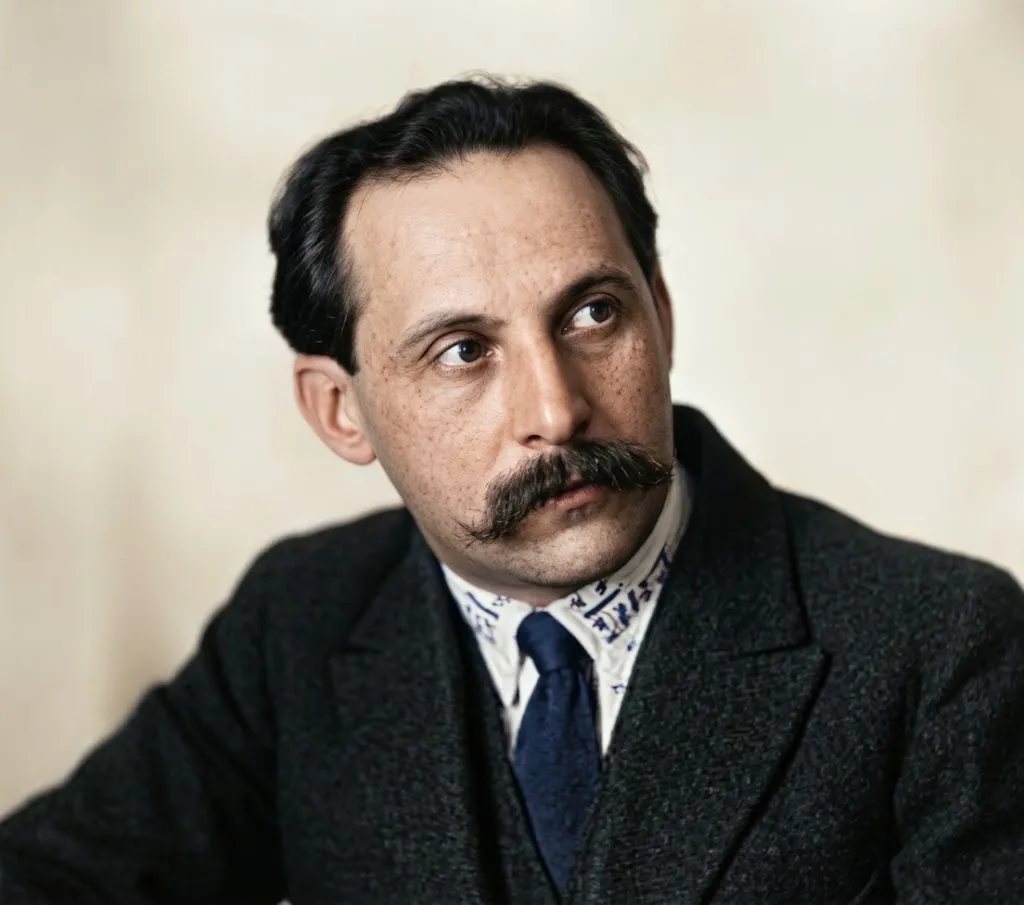
Yevhen Malaniuk
Poet of the Prague school, essayist
Stiletto or stylus: the dagger or the pen? Yevhen Malaniuk, an officer of the Ukrainian People’s Republic army, chose the pen in a Polish internment camp after defeat. In exile he became a poet of the Prague school, and his essay Little Russianism explained why some give up before the fight.
Key accomplishments
- The poetry collections Stiletto and Stylus (1925), Herbarium (1926), Earth and Iron (1930), Earthly Madonna (1934), The Ring of Polycrates (1939), Power (1951) and August (1964)
- The essays Outlines of the History of Our Culture (1954), Little Russianism (1959) and Illustriussimus Dominus Mazepa (1961); the two-volume Book of Observations (1962–1966)
- Co-founder of the journal Veselka in the internment camp at Kalisz (1922) and of the literary group Tank in Warsaw (1929)
- Officer of the Ukrainian People’s Republic army; in 1919, aide-de-camp to its commander, Vasyl Tiutiunnyk
- Honorary head of Slovo, the association of Ukrainian writers in the diaspora
Stiletto or stylus?
Which is stronger, the dagger or the pen? A stiletto is a small fighting knife; a stylus is the pointed stick people once used to write on wax tablets. Yevhen Malaniuk, an officer who became a poet, kept asking himself that question all his life.
He was born in 1897 in the small town of Arkhanhorod in the Kherson region, today Novoarkhanhelsk in Kirovohrad Oblast, Ukraine. Malaniuk was proud that his surname appears in the Cossack registers of Khmelnytskyi’s time. On his mother’s side he had Montenegrin roots. At secondary school in Yelysavethrad he wrote his first poems, still in russian back then. In 1916 he graduated from a military school in Kyiv and went to fight in the First World War.
From November 1917 Malaniuk served in the army of the Ukrainian People’s Republic, and in 1919 he was aide-de-camp to its commander, Vasyl Tiutiunnyk. After the defeat he retreated with the army into Poland, not knowing he was leaving his homeland for good.
A poet from the camp
Malaniuk became a poet in an internment camp, yet the camp where he spent several years never appears in his poems. At Kalisz, he and other former soldiers founded the journal Veselka in 1922. In 1922 or 1923 (sources differ) he moved to Czechoslovakia and graduated as a hydraulic engineer from the Ukrainian Husbandry Academy in Poděbrady. The academy was then headed by Ivan Shovheniv, Olena Teliha’s father. In 1925 Malaniuk’s first collection came out there: Stiletto and Stylus. The next year, in Soviet Kyiv, Mykola Zerov reviewed it: he saw Malaniuk as an ideological opponent, yet called him the most talented young poet of the emigration.
In Lviv, Dmytro Dontsov printed his poems. Malaniuk is counted, with Olena Teliha, Oleh Olzhych and Leonid Mosendz, among the Prague school of émigré poets. His verse was stern and chiselled, and in “Inscription on a Book of Poems” (1925) he called himself “the emperor of iron stanzas”. Scholars call him that too.
Russian lessons for Polish officers
In 1929 Malaniuk settled in Warsaw and, with Yurii Lypa, founded the literary group Tank. Its programme was a decisive break with russian culture and the idea of a Ukrainian state. At the same time the poet taught russian at the Polish General Staff Academy. His work was translated into Polish, and from 1930 to 1937 he corresponded with the Czech poet Josef Svatopluk Machar.
Giving up before the fight
In 1944 Malaniuk left Poland, and after the war he taught at a camp for displaced persons in Regensburg. In the late 1940s he moved to the United States, where he first worked as a lift operator in a hospital and then as a technical draughtsman in New York.
There he wrote the essay Little Russianism (1959). To Malaniuk, a “Little Russian” was someone who surrenders before the battle has even begun. He set against it “Mazepism”: the conscious will to defend one’s own state with the sabre, the word and the mind, as Ivan Mazepa had. The poet never accepted the Soviet spelling rules of 1933, which pulled Ukrainian closer to russian, and to the end he signed his first name the old way, Евген rather than Євген.
Yevhen Malaniuk died in New York on 16 February 1968. That evening he had planned to go to the theatre: the ticket was found in his pocket. He was buried in Bound Brook, New Jersey.
Debates and assessments
Malaniuk was one of the vistnykivtsi, the writers of Dontsov’s journal, who is considered his spiritual mentor. Dontsov counted him, Teliha and others among the “tragic optimists” and called them the vanguard of a new Ukrainian literature. Some scholars propose the name vistnykivtsi in place of “Prague school”. Soviet critics branded Malaniuk a “Ukrainian fascist”, and Volodymyr Sosiura called him a “little fascist” in a polemic, but later regretted it.
Why it matters today
Malaniuk lost the war with the stiletto in his hand and carried it on with the stylus, turning the word into a weapon to defend Ukrainian culture and statehood. His term “Little Russianism” still explains how a people can surrender before the first shot is fired. Against it he set another path: the will to be a nation that defends itself. Today, as Ukraine defends itself, his idea that surrender begins in the mind reads as both a warning and a call.