1895–1937
Mykhailo Yalovyi
Writer, first president of VAPLITE
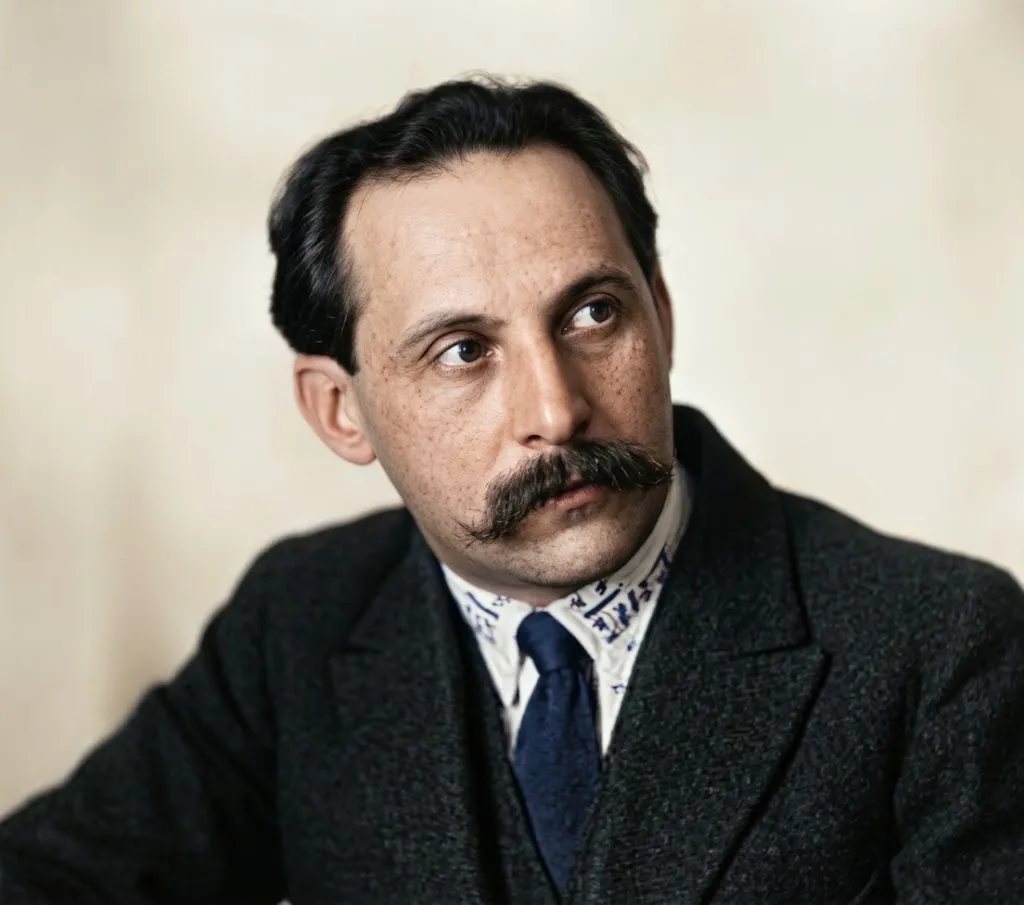
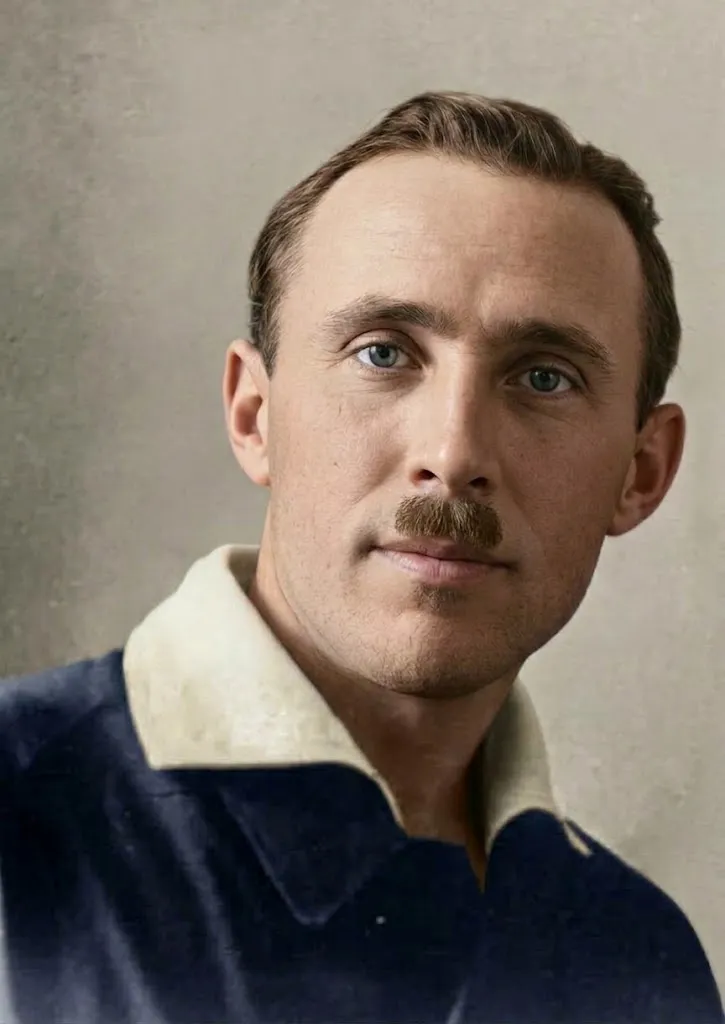
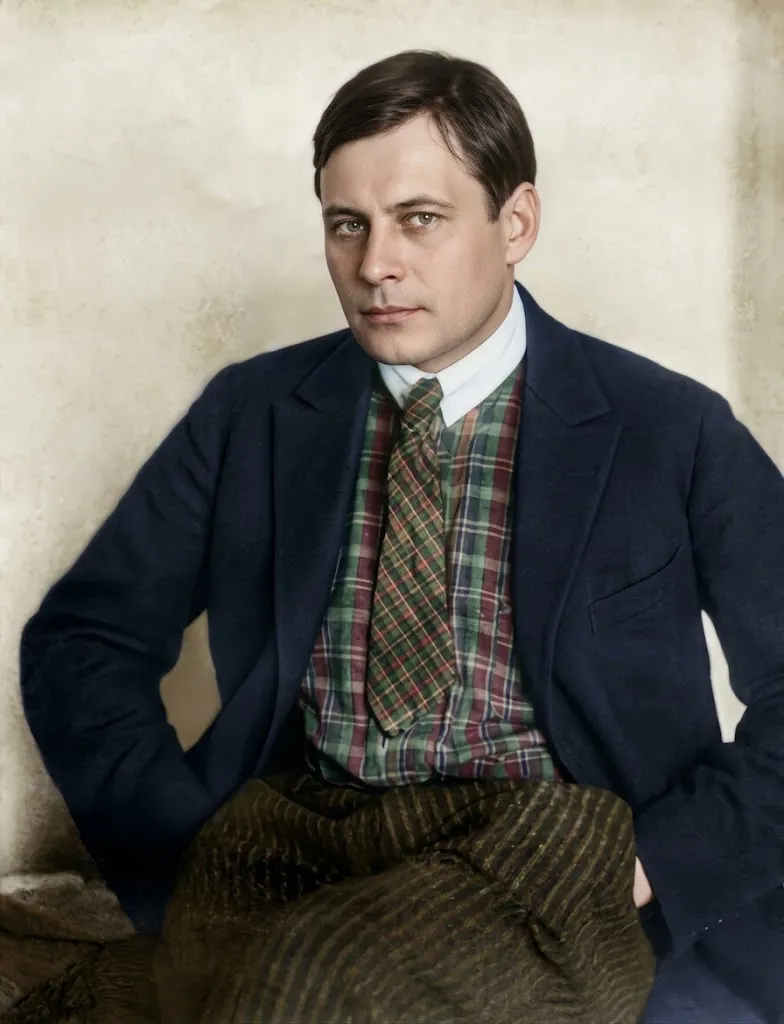
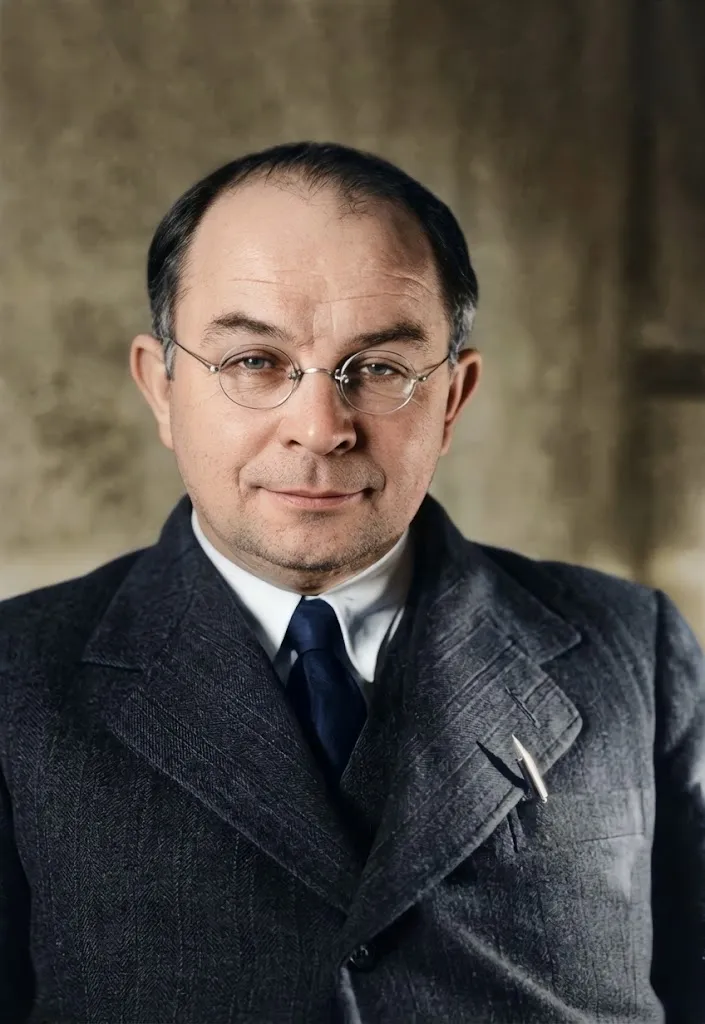
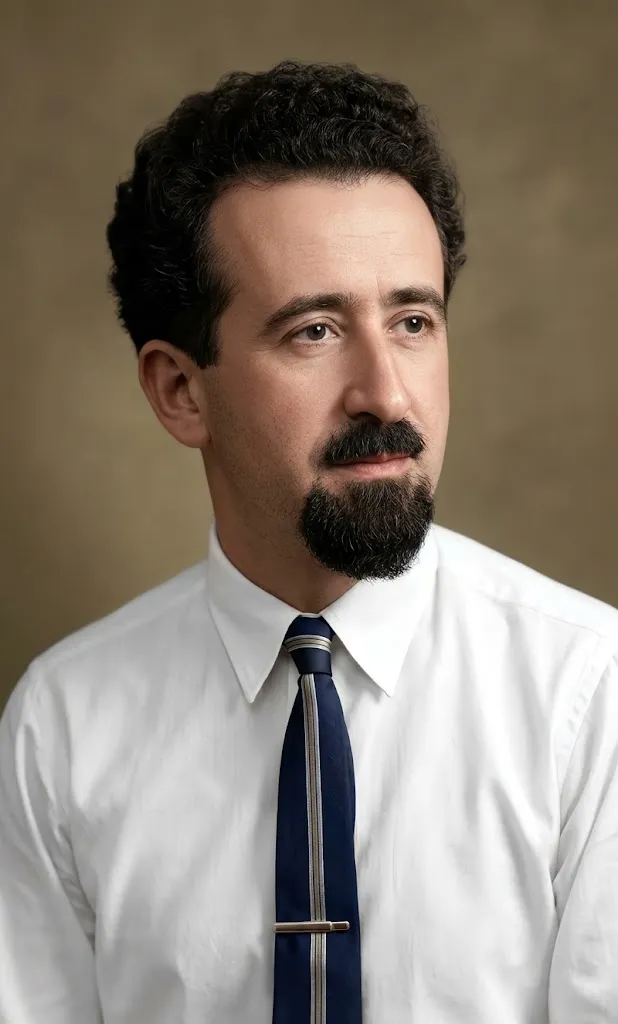
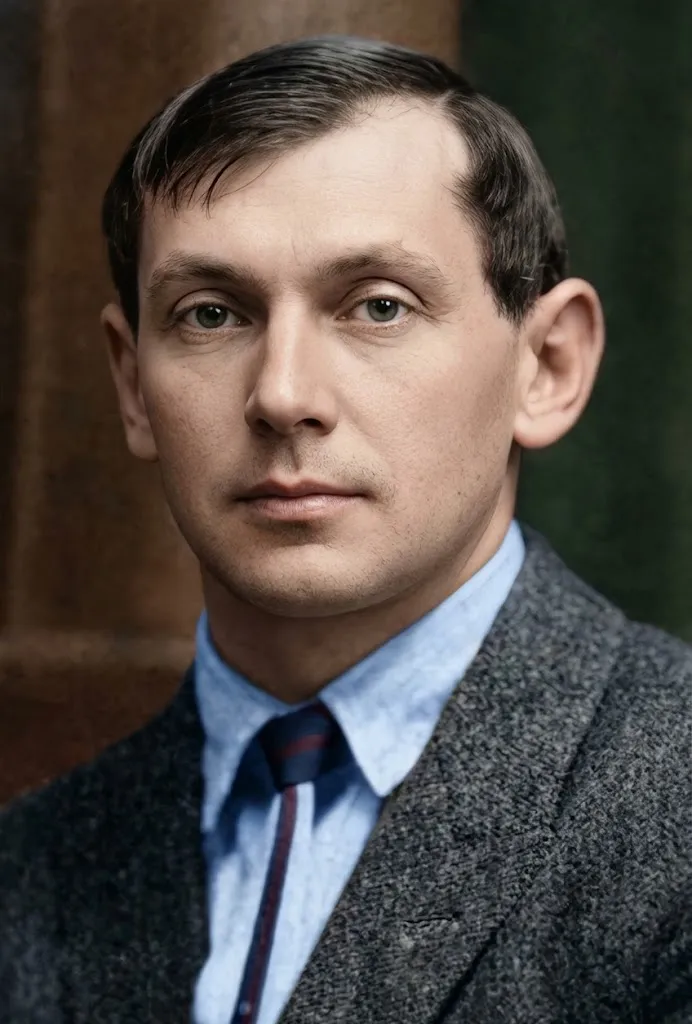
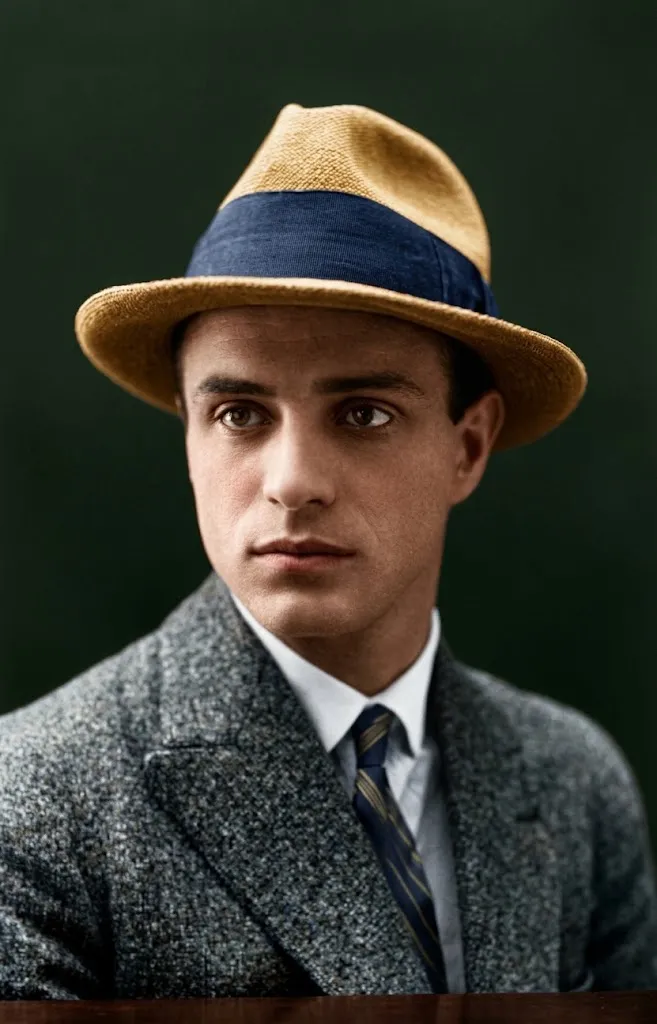
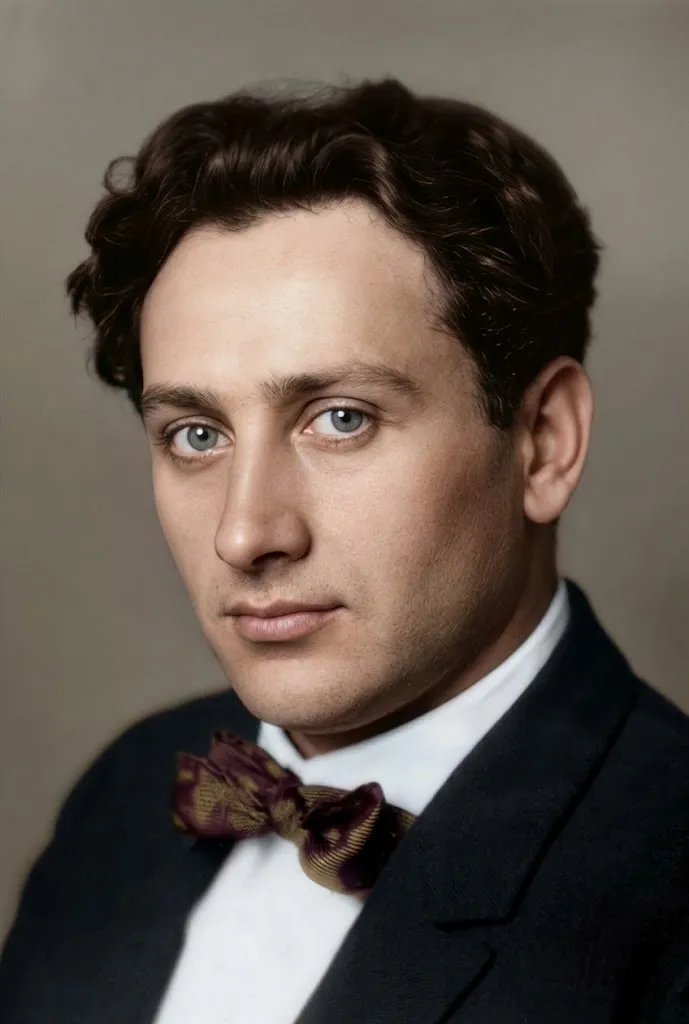
Readers knew him as Yulian Shpol; his real name was Mykhailo Yalovyi. A poet, prose writer and playwright, he was the first president of VAPLITE and a friend of Mykola Khvylovy. His arrest in May 1933 opened a wave of terror against Ukrainian intellectuals. He was shot in 1937.
Key accomplishments
- Co-founder and first president of VAPLITE (1925)
- Founded the Combat Group of Futurist Poets with Mykhailo Semenko and Vasyl Aleshko (1921)
- The poetry collection Verkhy (The Peaks, 1923), the comedy Katia’s Love, or Building Propaganda (1928) and the novel Golden Fox Cubs (1929)
- Took part in the 1927 All-Ukrainian Orthographic Conference in Kharkiv, which adopted a single standard Ukrainian spelling
- One of the sharpest polemicists of the 1925–1928 Literary Discussion
Who was Yulian Shpol?
Yulian Shpol was the name on the books of one of the best-known writers in 1920s Kharkiv. His real name was Mykhailo Yalovyi. He was born in 1895 in the village of Dar-Nadezhda, now in the Kharkiv region. He studied medicine at Kyiv University, and after the 1917 revolution he threw himself into politics: first as a Socialist Revolutionary, then as a Borotbist, and as head of the county zemstvo (local council) around Kostiantynohrad.
Futurist, poet, novelist
Yalovyi signed his first works “Mykhailo Krasnyi”. With Mykhailo Semenko and Vasyl Aleshko, he founded the Combat Group of Futurist Poets in 1921. Then came his poetry collection Verkhy (The Peaks, 1923), the comedy Katia’s Love, or Building Propaganda (1928) and the novel Golden Fox Cubs (1929). He also wrote the screenplay for Vasylyna, a film based on a work by Ivan Nechui-Levytskyi, which Moscow papers attacked for formalism.
VAPLITE and Khvylovy
Yalovyi was a close friend and ally of Mykola Khvylovy. In 1925 they were among the founders of VAPLITE, the Free Academy of Proletarian Literature, and Yalovyi became its first president. In the Literary Discussion of 1925–1928 he was one of the sharpest polemicists and defended the distinctiveness of Ukrainian art; in 1926 he published an article titled “Saint Petersburg Servility”. In 1927 he took part in the All-Ukrainian Orthographic Conference in Kharkiv, which adopted a single standard Ukrainian spelling.
An arrest that sent a signal
Yalovyi was arrested in May 1933. Among other things, he was accused of being a Polish spy and a terrorist. His arrest marked the start of a purge of the Ukrainian intelligentsia led by the Communist Party official Pavel Postyshev. Soon after his friend’s arrest, Mykola Khvylovy took his own life. In the autumn of 1933 Yalovyi was sentenced to 10 years’ imprisonment, which he served on the Solovetsky Islands. On 9 October 1937 he was sentenced again, this time to death, and on 3 November 1937 he was shot. Sources differ on the place: most name the Sandarmokh forest in Karelia, while some name the town of Lodeynoye Pole. He was rehabilitated in 1957.
Why it matters today
Mykhailo Yalovyi was one of the people creating a new Ukrainian literature in 1920s Kharkiv, from futurist verse to the novel. He took part in the conference that adopted a single standard Ukrainian spelling, so his work is part of the rules later generations wrote by. His arrest in 1933 was one of the first blows against the generation later called the Executed Renaissance. In 2025 his pen name, Yulian Shpol, appeared on a commemorative coin.