1894–1969
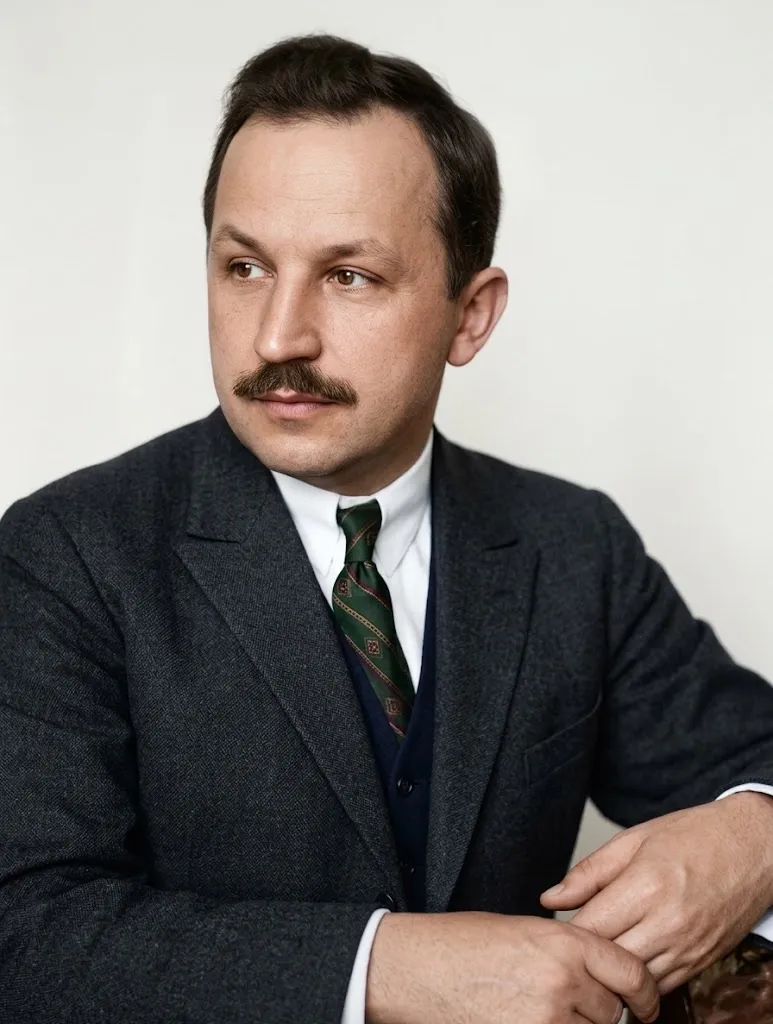
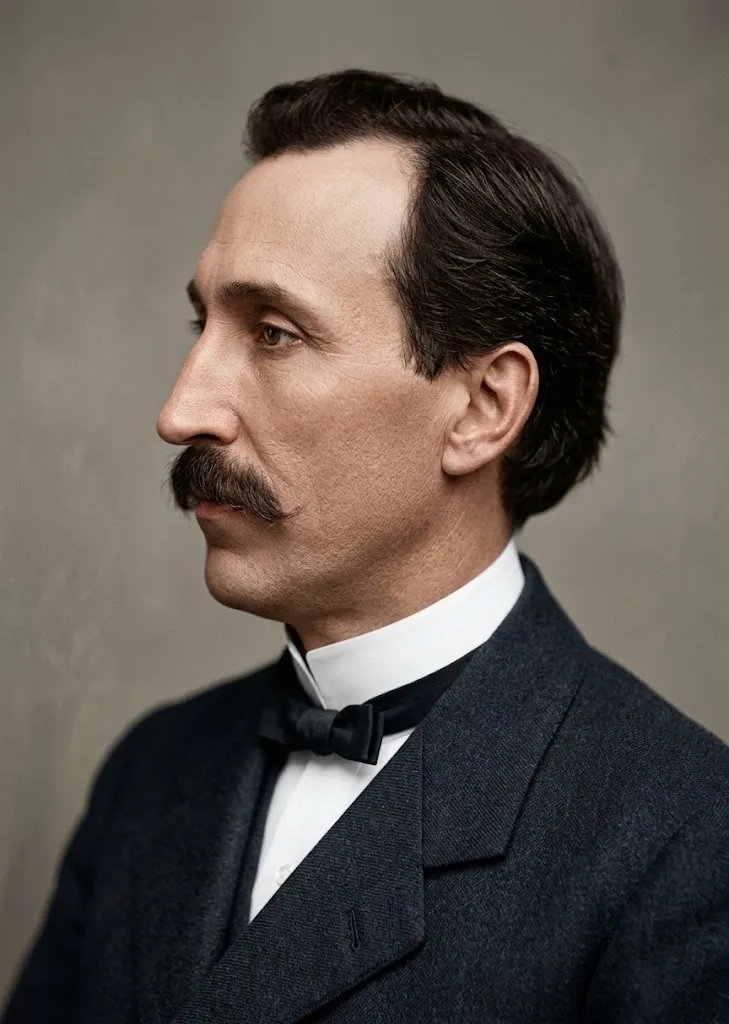
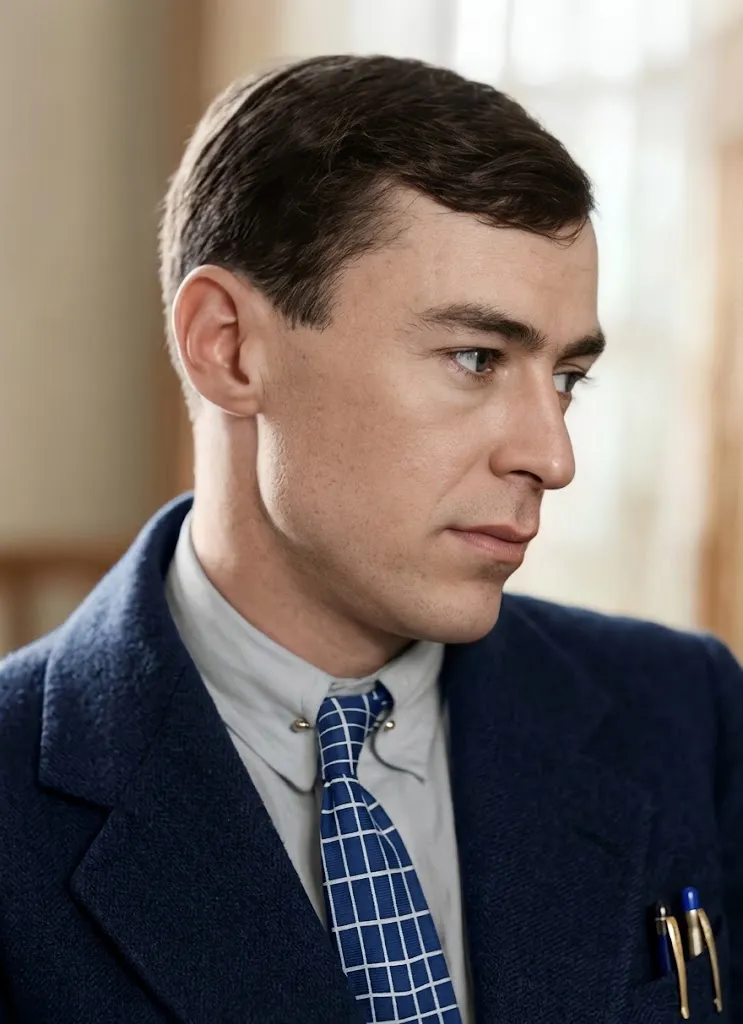
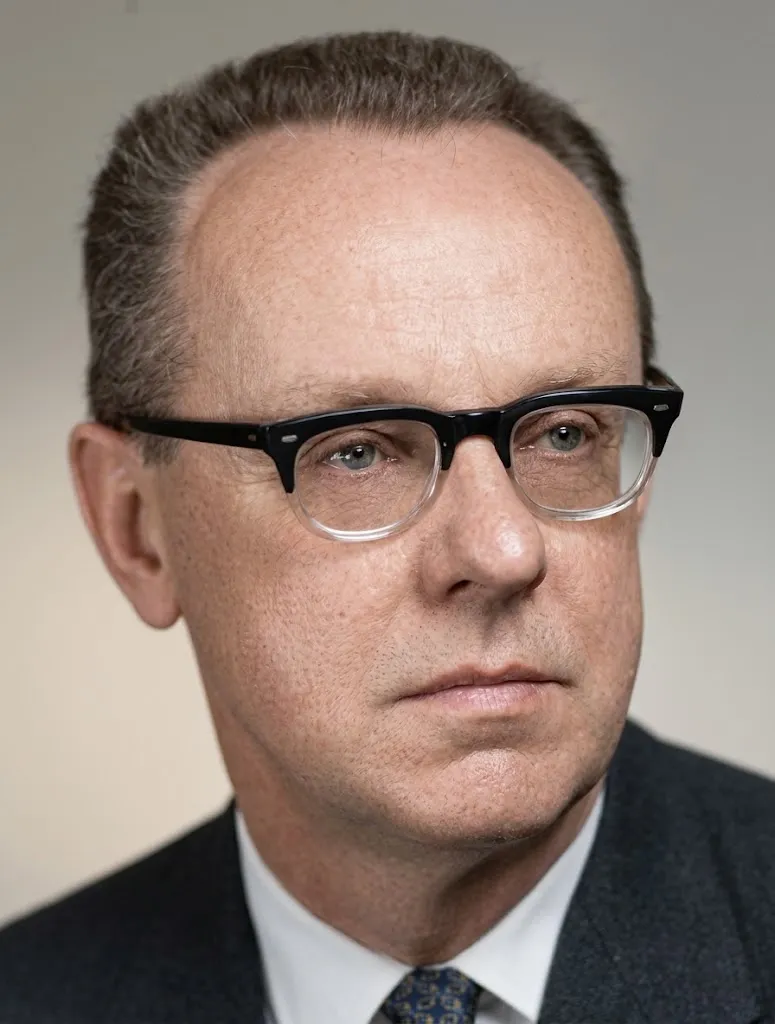
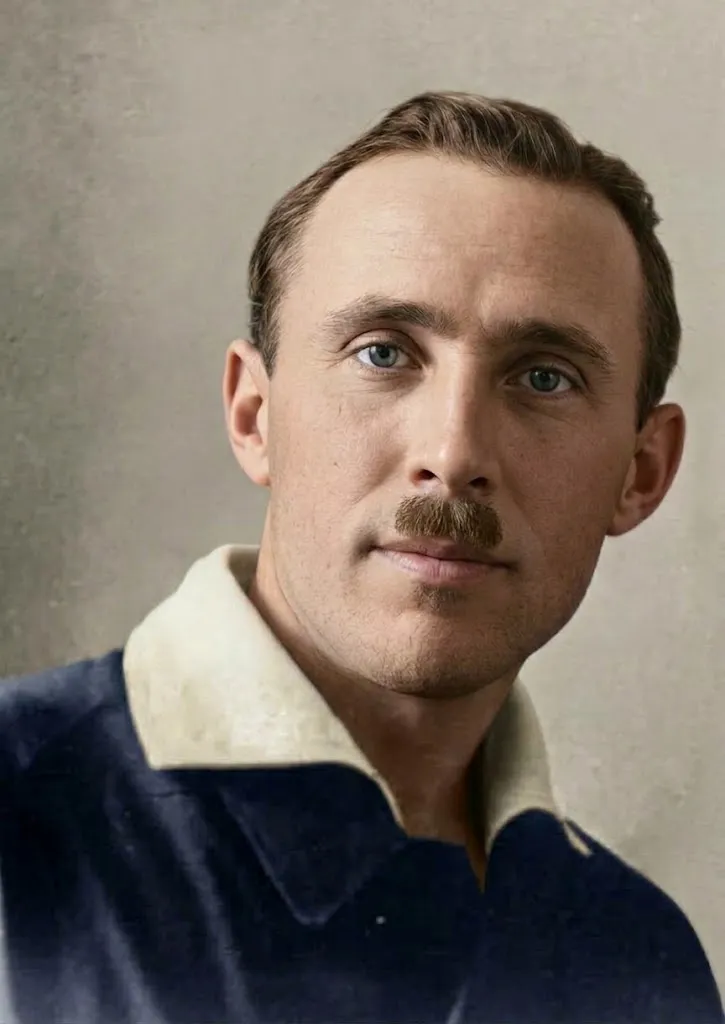
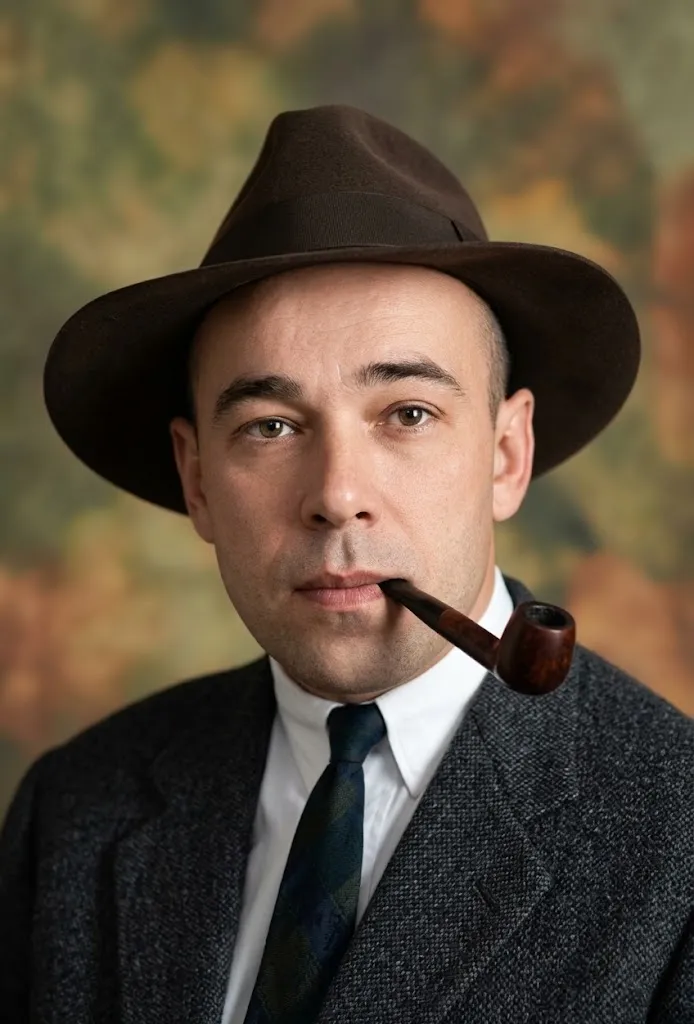
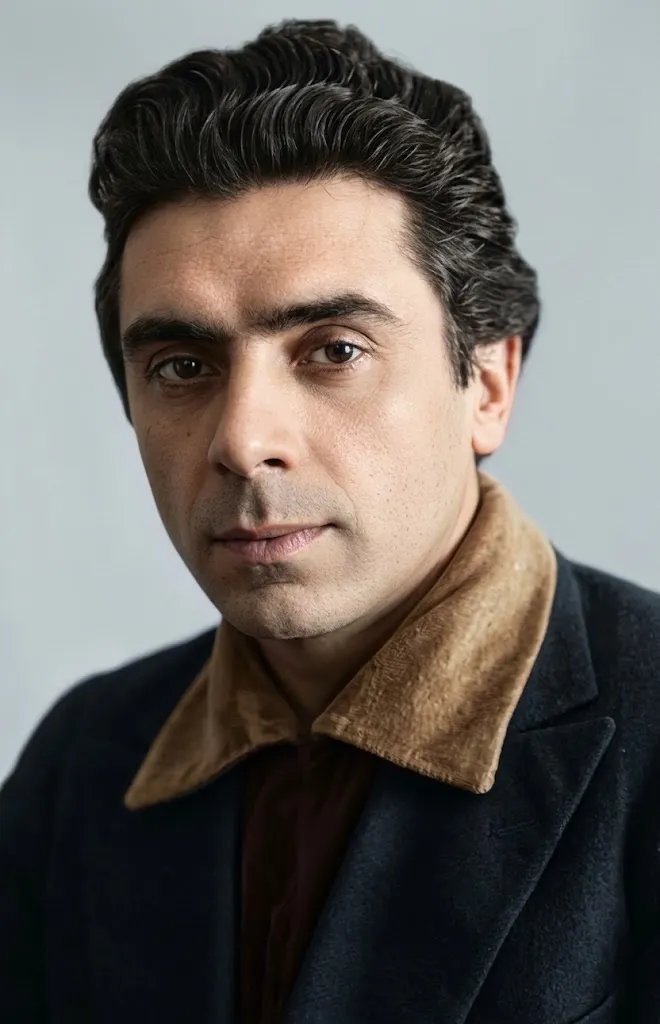
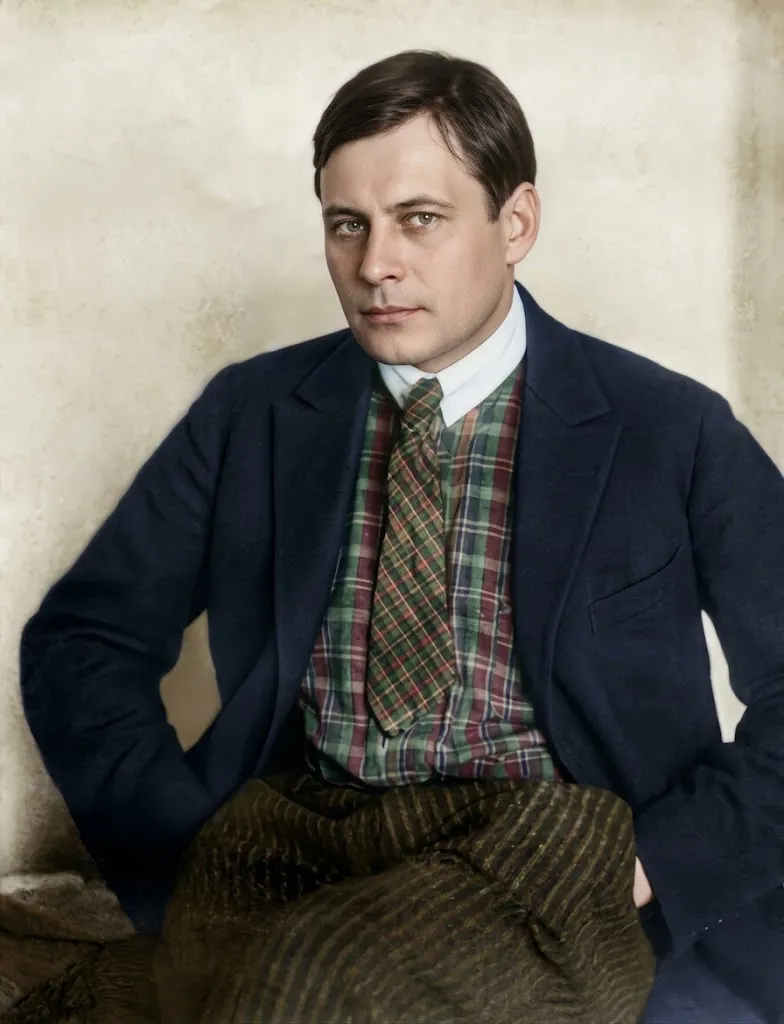
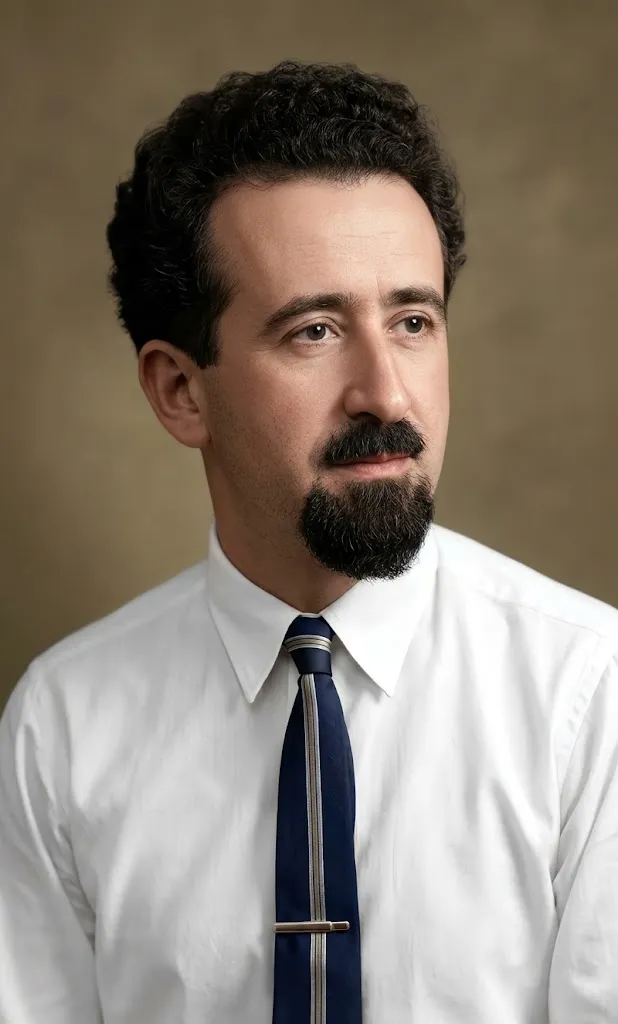
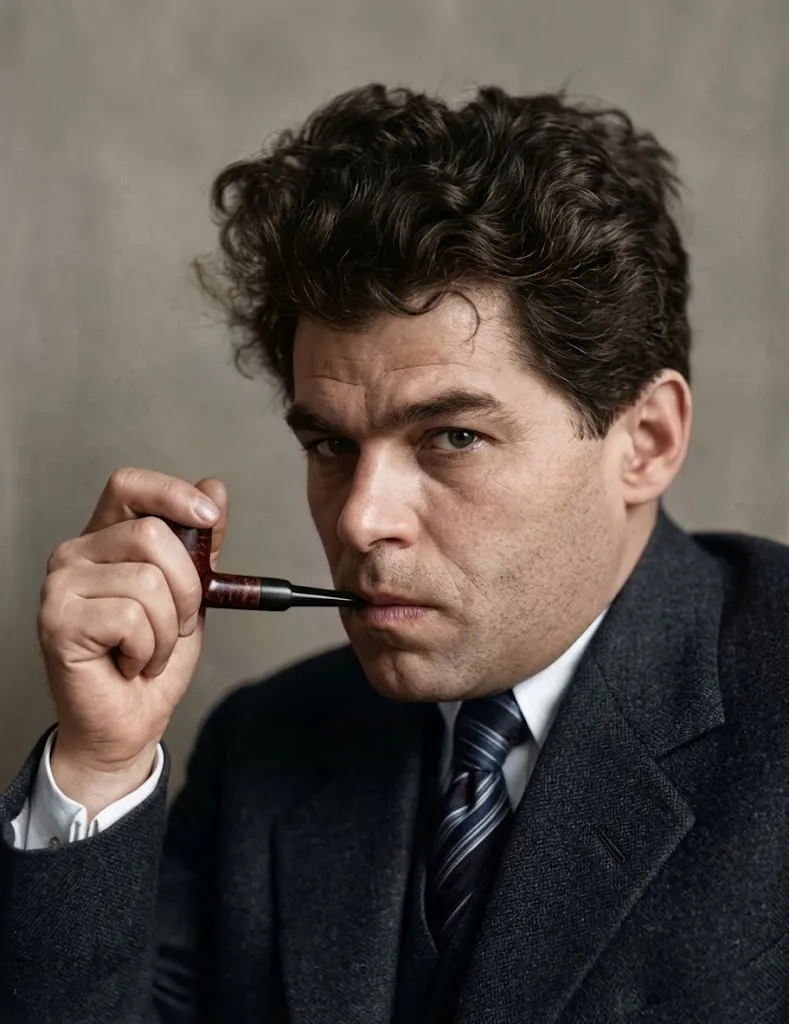
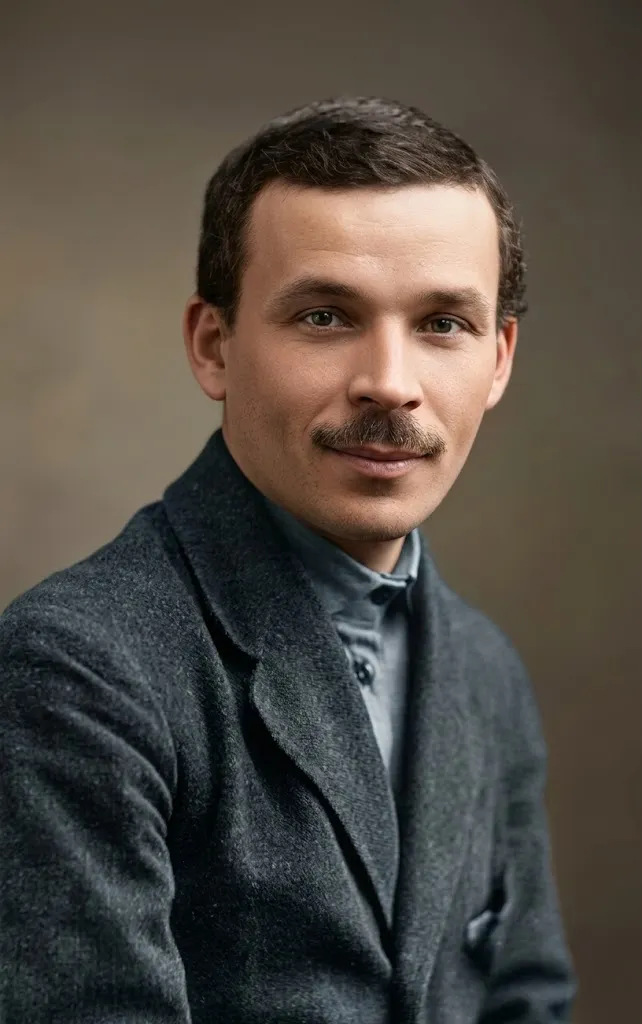
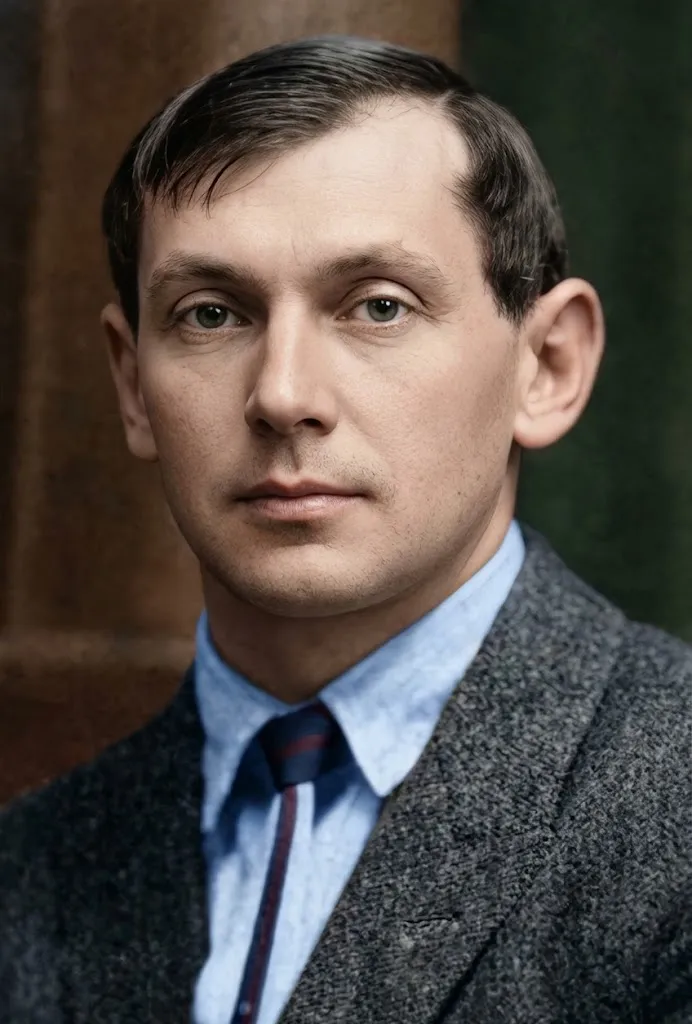
Viktor Domontovych (Petrov)
Intellectual novelist and archaeologist
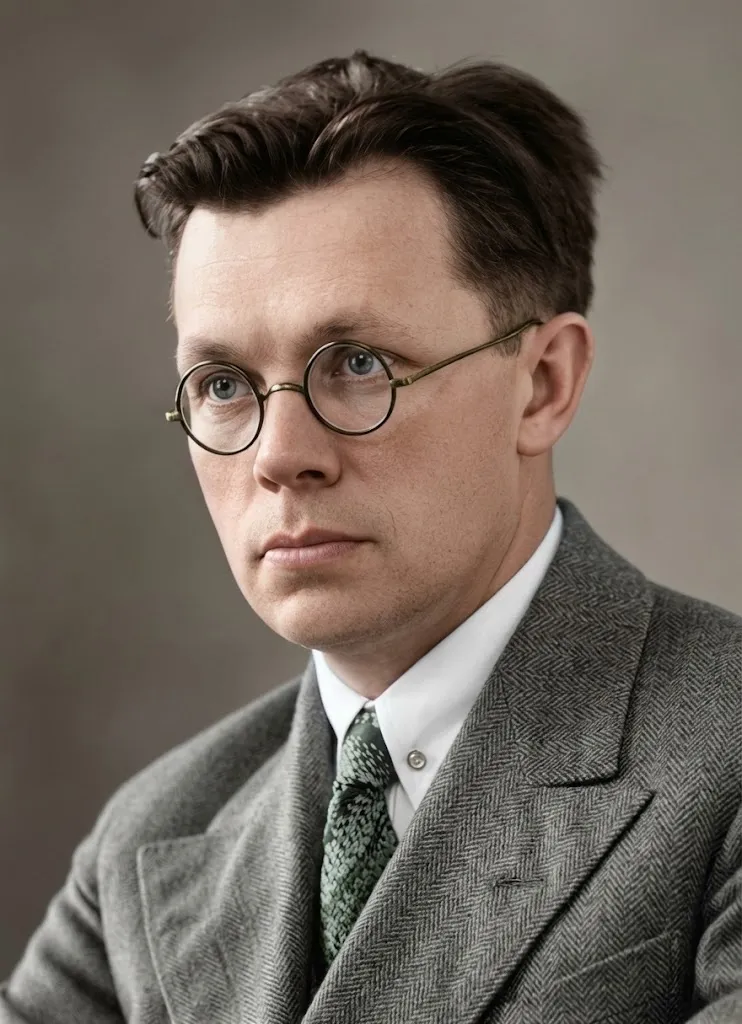
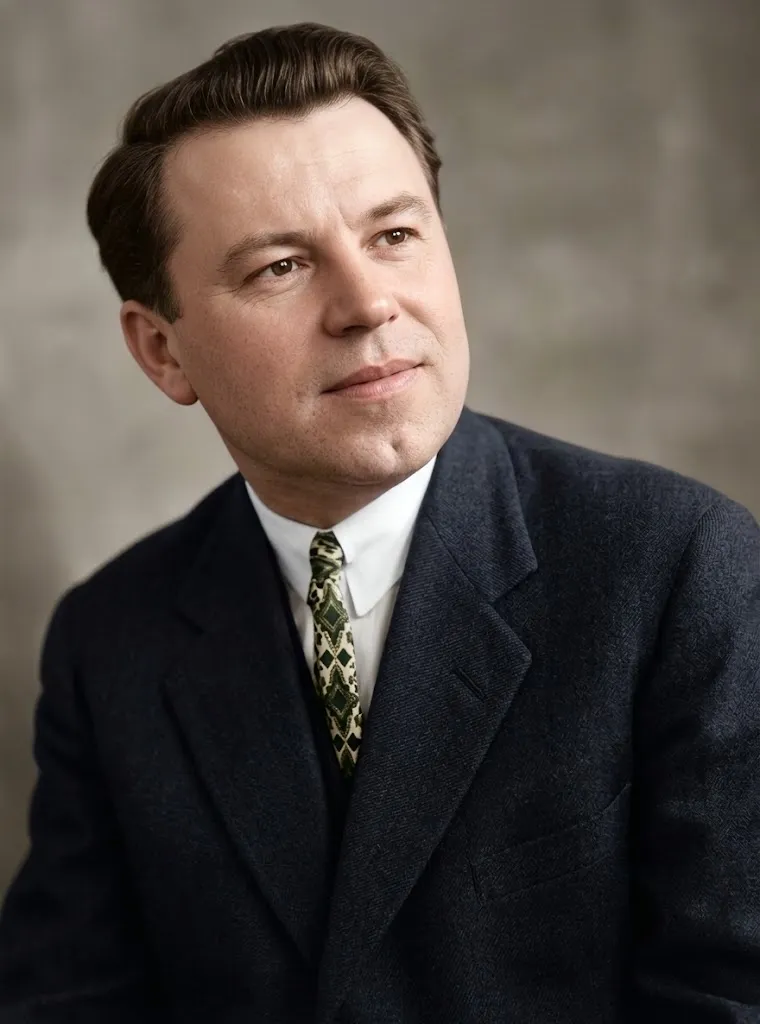
The Neoclassicists were a “cluster of five”, and he was called the sixth. Viktor Petrov wrote intellectual novels as V. Domontovych and studied Ukraine’s distant past. In 1949 he vanished without a trace in Munich, only to turn up in Moscow. His work for Soviet state security is still debated.
Key accomplishments
- The novels The Girl with a Teddy Bear (1928), Doctor Seraficus (1947) and On Shaky Ground; the biographical novel Alina and Kostomarov (1929)
- With Valerian Pidmohylnyi, founded the Ukrainian intellectual novel
- Head of the Ethnographic Commission of the Academy of Sciences; a doctoral thesis on Panteleimon Kulish (1930)
- Works on archaeology and ethnogenesis: The Origin of the Ukrainian People (1947), Scythians: Language and Ethnos (1968), The Ethnogenesis of the Slavs (1972)
- A co-founder of the Ukrainian Artistic Movement (MUR) in emigration; taught at the Ukrainian Free University
- A study of Ukrainian cultural figures destroyed by the Bolshevik terror (published in the West in 1959)
- Author of about 300 scholarly works
The sixth in the cluster
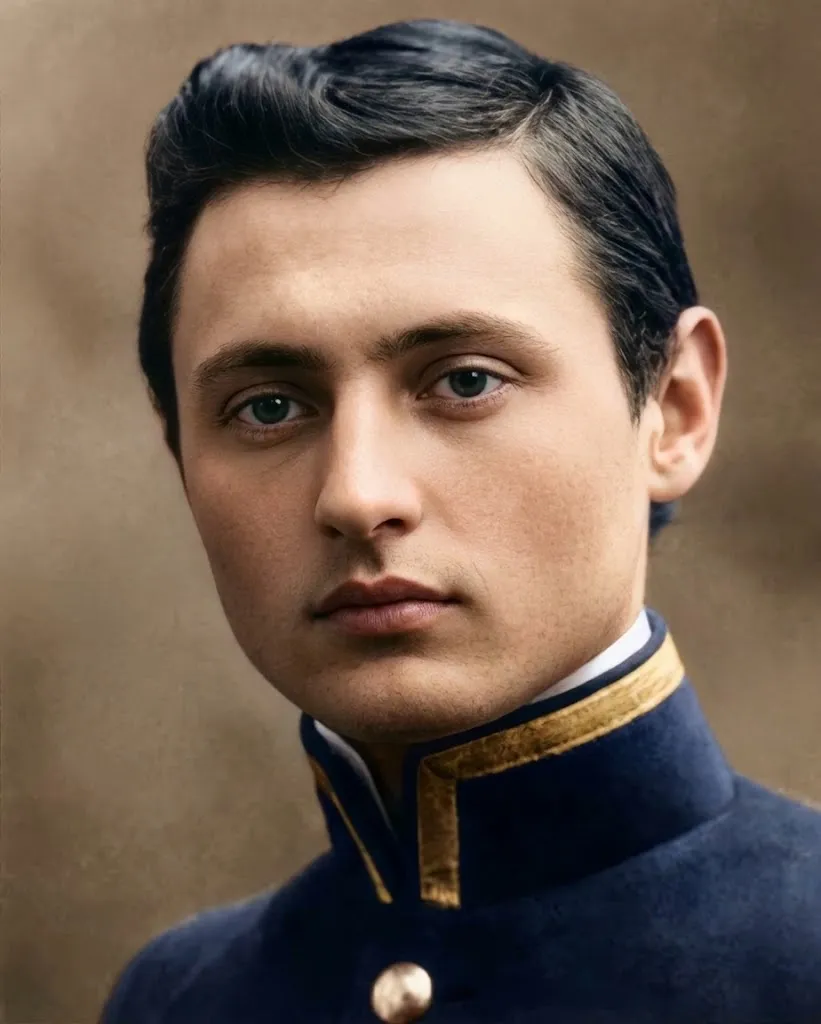
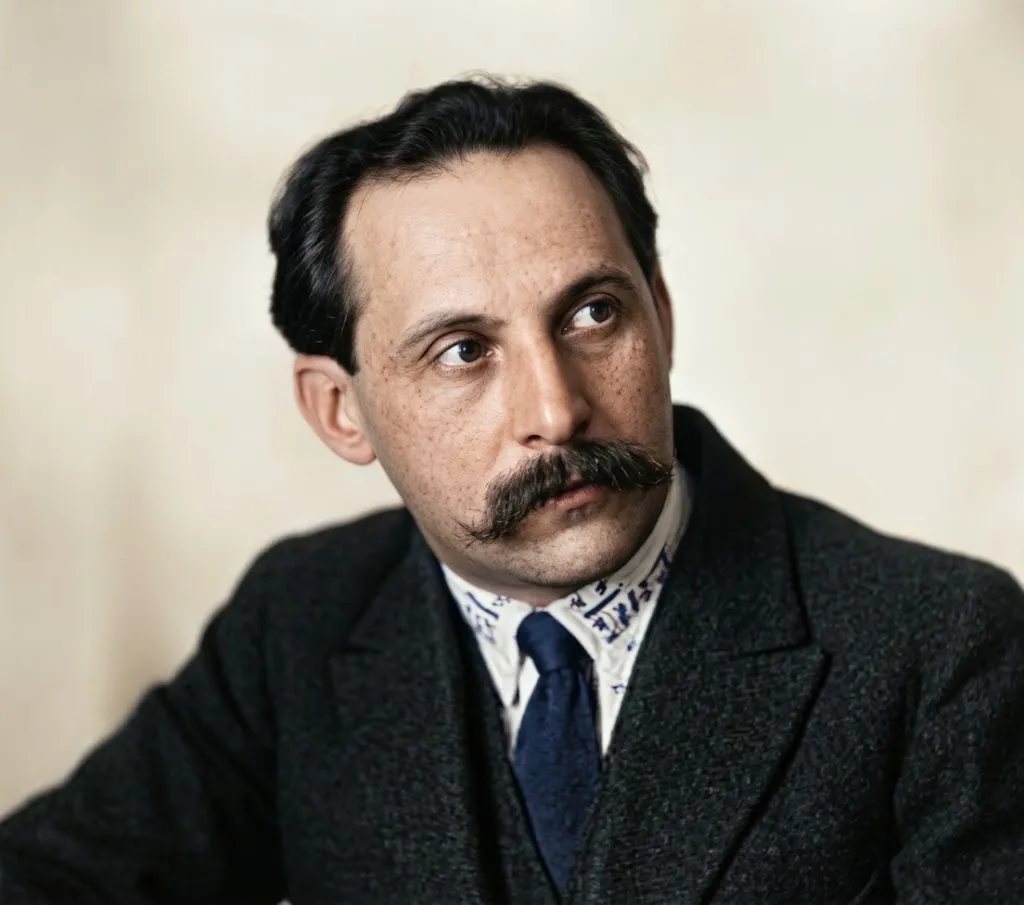
The Kyiv Neoclassicists were known as the “cluster of five”: Mykola Zerov, Maksym Rylskyi, Pavlo Fylypovych, Mykhailo Drai-Khmara and Oswald Burghardt. Later, critics added a sixth: Viktor Petrov, whom readers know as V. Domontovych. He was a friend of the Neoclassicists, and in 1923 he gave a talk at the Academy of Sciences on Neoclassicism in Ukrainian poetry.
A priest’s son from Katerynoslav
Petrov was born in 1894 in Katerynoslav (now Dnipro), the son of a priest. On Soviet forms he would later write that his father had been a teacher. He went to school in Odesa and Kholm, and in 1918 he graduated from Kyiv University. In 1918–1921, while the civil war was wrecking Kyiv, he changed jobs 15 times. In the early 1920s he taught in Baryshivka, outside Kyiv, together with Zerov and Burghardt, the future Yurii Klen. The teachers there were paid in food, a rare luxury at the time. There Petrov met Sofia, Zerov’s wife. Scholars write that he loved her for the rest of his life.
Novels of ideas
In the 1920s Petrov worked on the Ethnographic Commission of the Academy of Sciences and later headed it. His first novel, The Girl with a Teddy Bear, came out in 1928, followed in 1929 by Alina and Kostomarov, a biography told as a novel. Petrov said he had found the name Domontovych in Ukrainian documents from the Lithuanian period, and that it meant “the one who stirs things up a lot”. In 1930 he defended a doctoral thesis on Panteleimon Kulish. He and Valerian Pidmohylnyi are considered the founders of the Ukrainian intellectual novel. In the 1930s Petrov turned to archaeology and the ancient history of Ukraine, including the Trypillia culture.
Agent “Ivanov”
According to declassified archives, Soviet state security recruited him in 1936, and he became agent “Ivanov”. During the Second World War Petrov served in Soviet intelligence: in 1942 he crossed the front line, worked in the occupation administration of Kyiv and was given an officer’s rank by the German command. According to stories told by his colleagues at the Institute of Archaeology, when the Nazis were deciding whether to destroy the Karaites as they did the Jews, Petrov argued at a special conference in occupied Kyiv that the Karaites were descended from the ancient Khazars. That talk is said to have saved them. In 1942–1943 he edited the journal Ukrainskyi zasiv. In those years his novel On Shaky Ground first appeared in Kharkiv. It follows an art historian who travels to his native Katerynoslav to stop an old church from being turned into a museum, while the Dniprelstan dam floods the Dnipro rapids.
Vanished in Munich
In 1944 Petrov ended up in the West: first in Berlin, then, after the war, in Bavaria. In Munich he taught at the Ukrainian Free University, and in 1945 he became one of the founders of the Ukrainian Artistic Movement, which brought émigré writers together. In emigration he put forward his own “theory of epochs”, denying that history flows without breaks and always moves forward. His novel Doctor Seraficus came out in 1947. Around the same time he wrote a study of Ukrainian cultural figures destroyed by the Bolshevik terror.
On 18 April 1949 he left his Munich flat and disappeared. The Shevchenko Scientific Society and the Ukrainian Free University appealed to the occupation authorities, but the search found nothing. Some suspected Moscow’s hand, others Bandera’s supporters. Only in 1955 did a Western archaeologist come across his name in a Soviet scholarly journal.
Back in Kyiv
From 1950 Petrov worked in Moscow, at the Institute of the History of Material Culture, and in 1956 he returned to Kyiv, to the Institute of Archaeology, where he was in charge of the archive. Because his pre-war documents were lost, he had to defend his thesis all over again, and in 1966 he was made a Doctor of Philology for the second time, this time for his body of work. In 1957 he married Sofia Zerova, the widow of his executed friend. Viktor Petrov died in Kyiv on 8 June 1969 and is buried in Lukianivka Cemetery.
Debates and assessments
Scholars consider Petrov’s cooperation with Soviet state security proven, and the Soviet state later awarded him the Order of the Patriotic War, First Class. What exactly he did as an agent is still being worked out. Yurii Shevelov maintained that Petrov passed no information about the émigrés to Moscow, and that no one who knew his secret came to harm. The historian Eduard Andriushchenko, who has studied the declassified archives, notes that Petrov’s reports name fellow archaeologists who were shot soon afterwards. At the same time, he says, the archives don’t support the legend that Petrov prepared an attempt on Hitler’s life, nor do they prove that he betrayed Zerov; whether Petrov bears direct blame, Andriushchenko considers an open question. Others stress that his past as an agent does not diminish what he achieved as a writer and archaeologist.
Why it matters today
Together with Pidmohylnyi, Viktor Petrov founded the Ukrainian intellectual novel and showed that Ukrainian prose could speak the language of ideas, on a level with European modernism. As a scholar he searched for an answer to where the Ukrainian people came from. And his double life is a reminder of how the Soviet system broke and used its most gifted people, and why the truth about it is worth looking for in the archives rather than in legends.