1891–1947
Yurii Klen
Neoclassicist poet, The Accursed Years
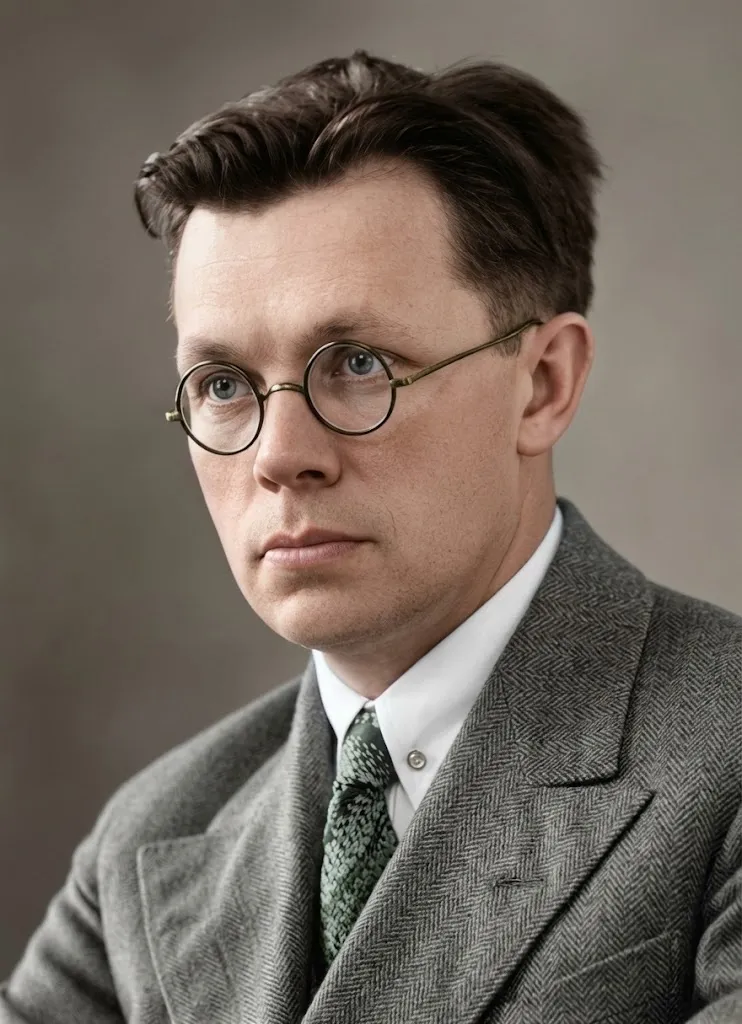
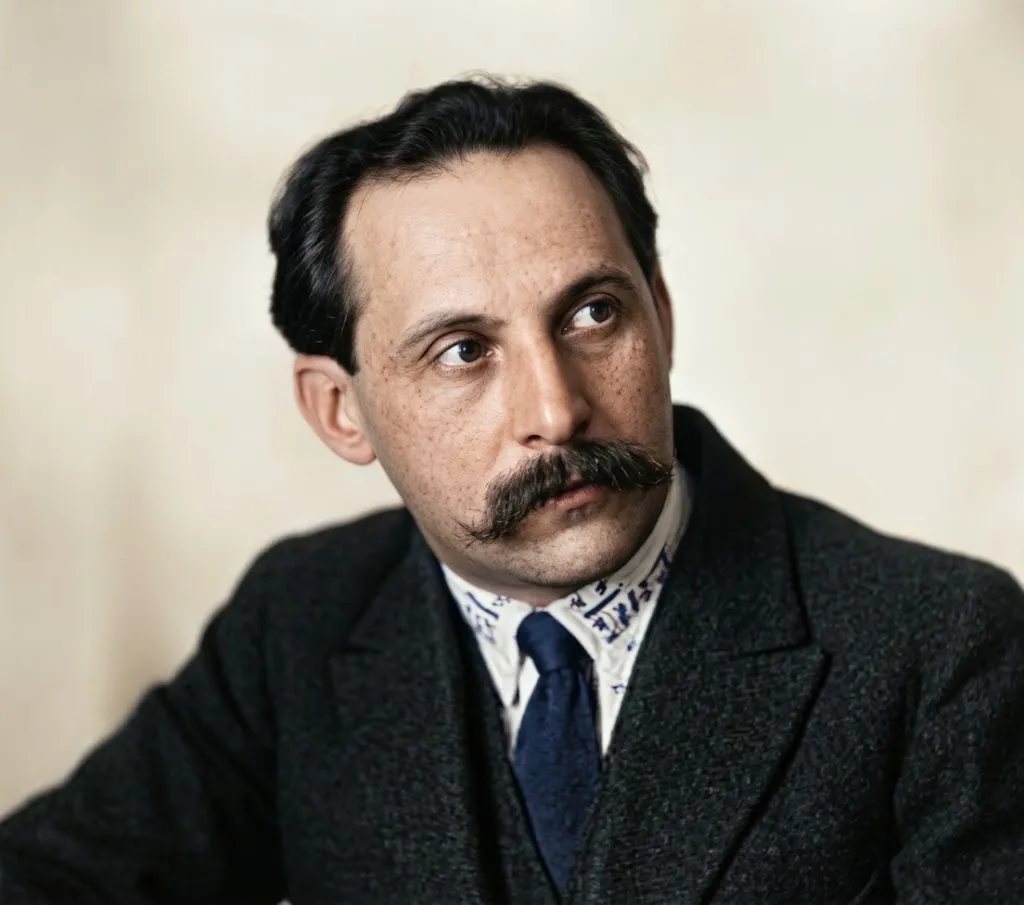
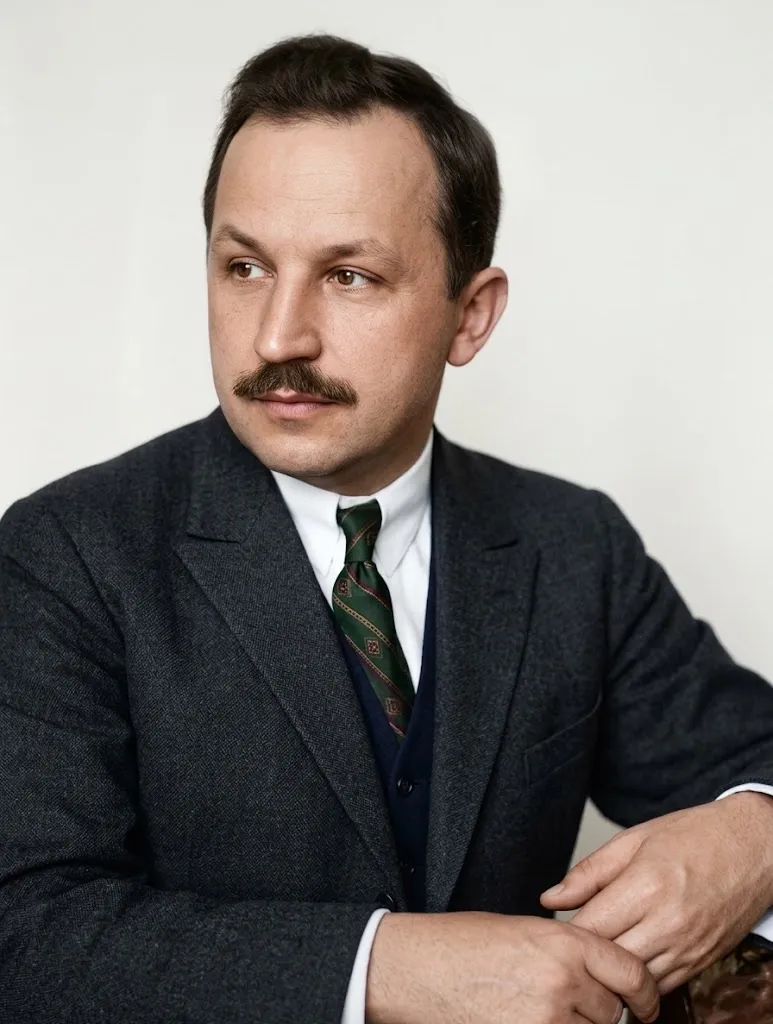
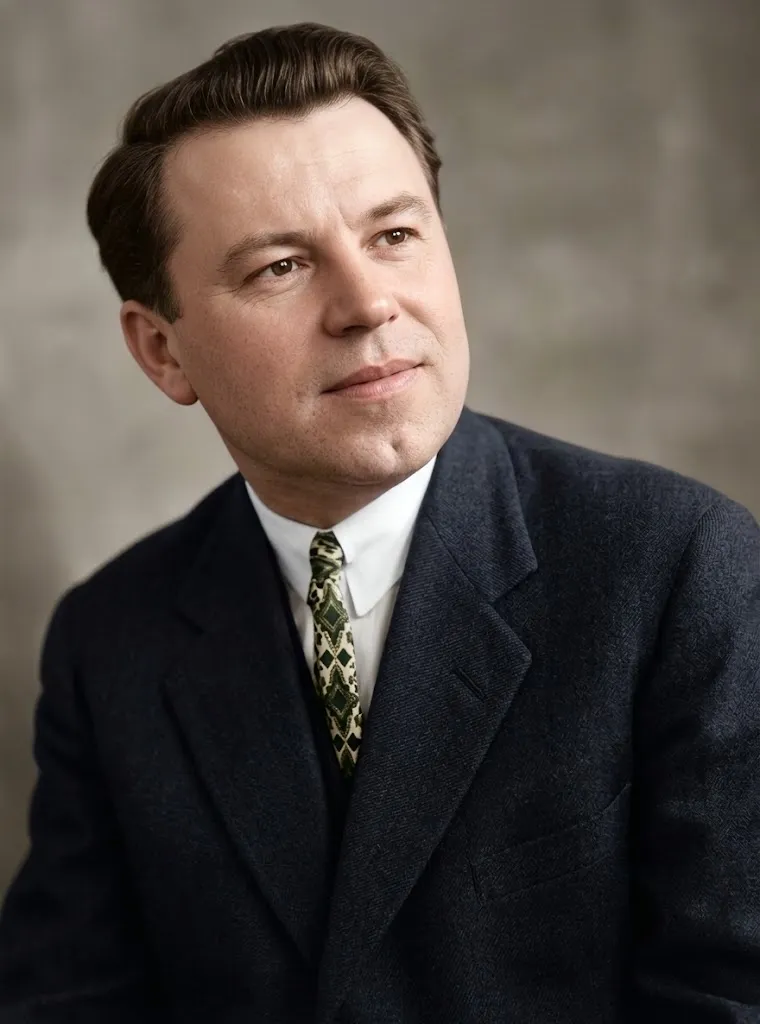
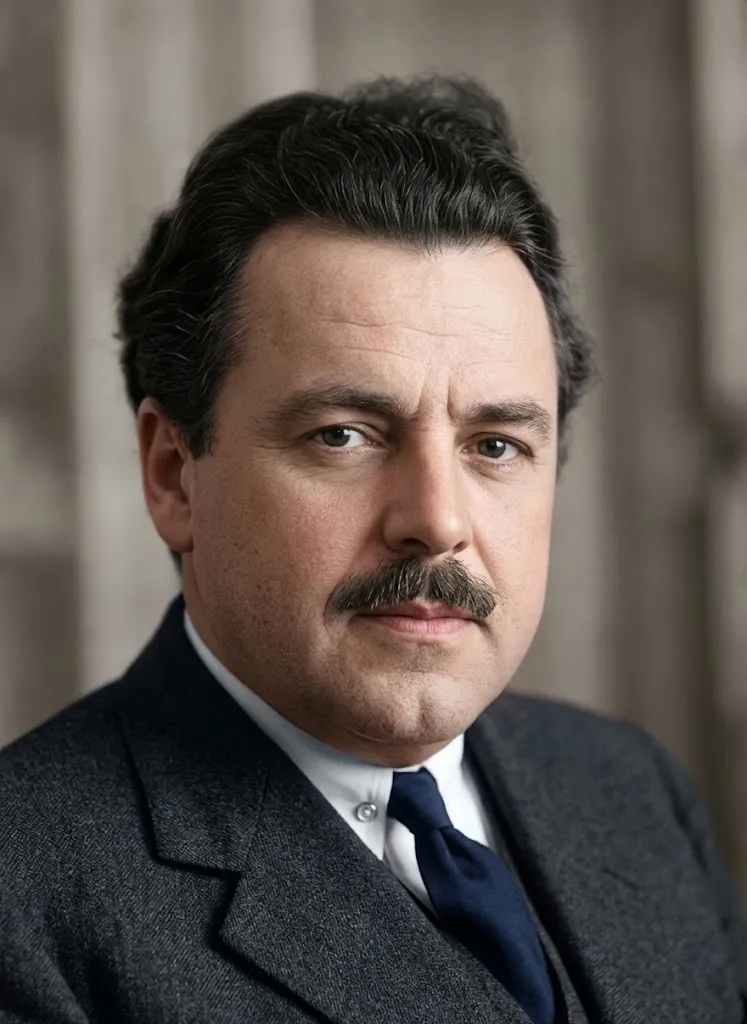
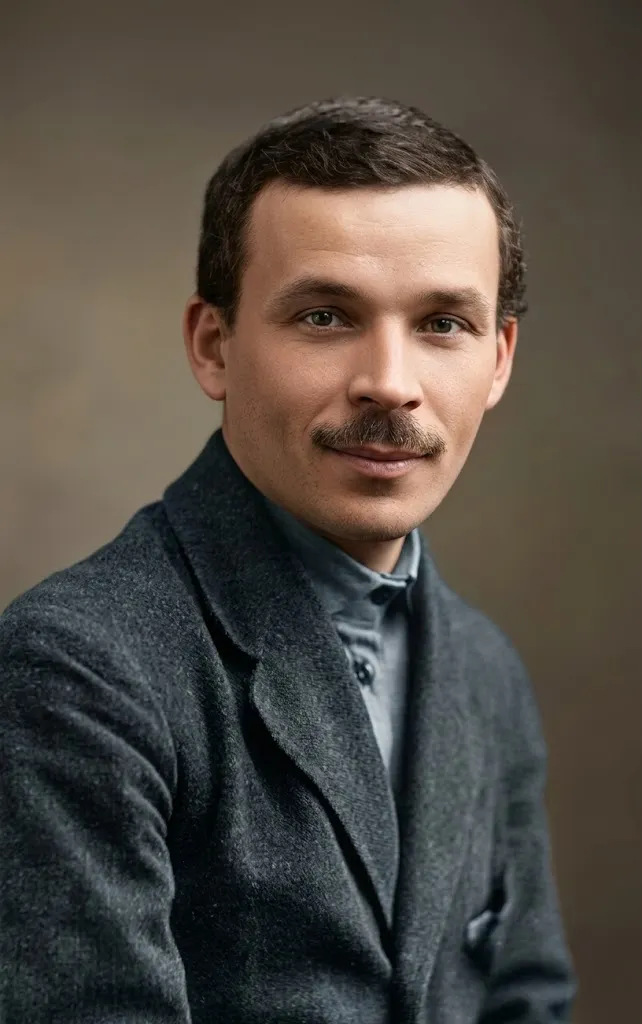
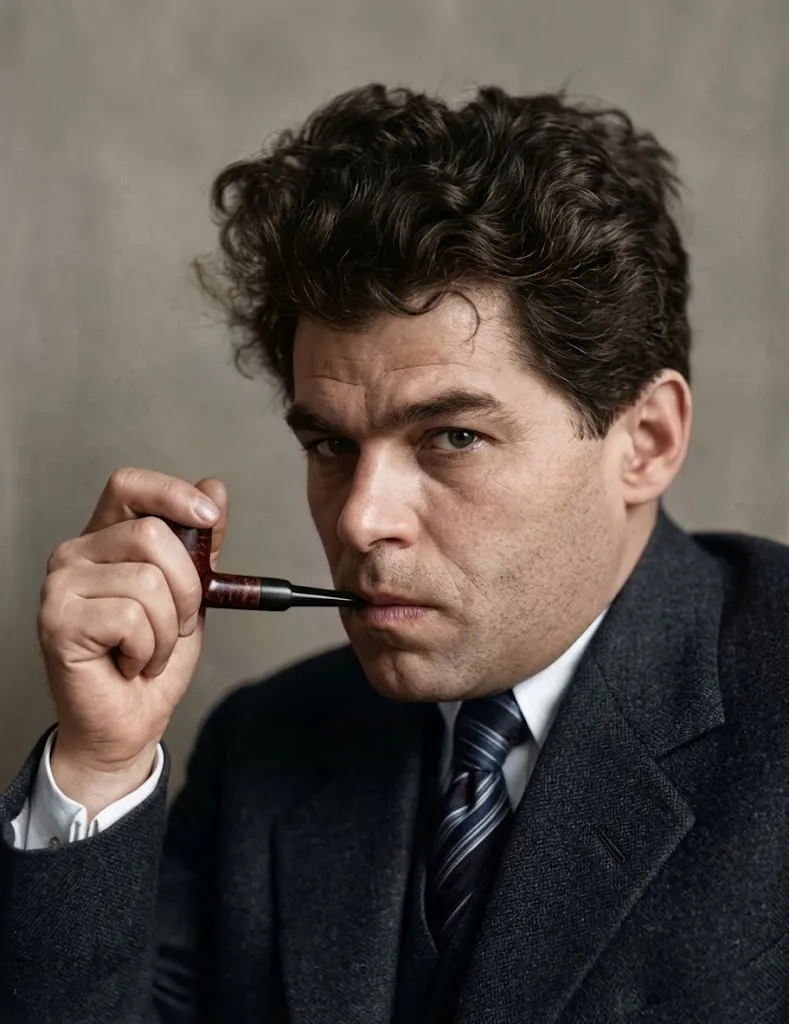
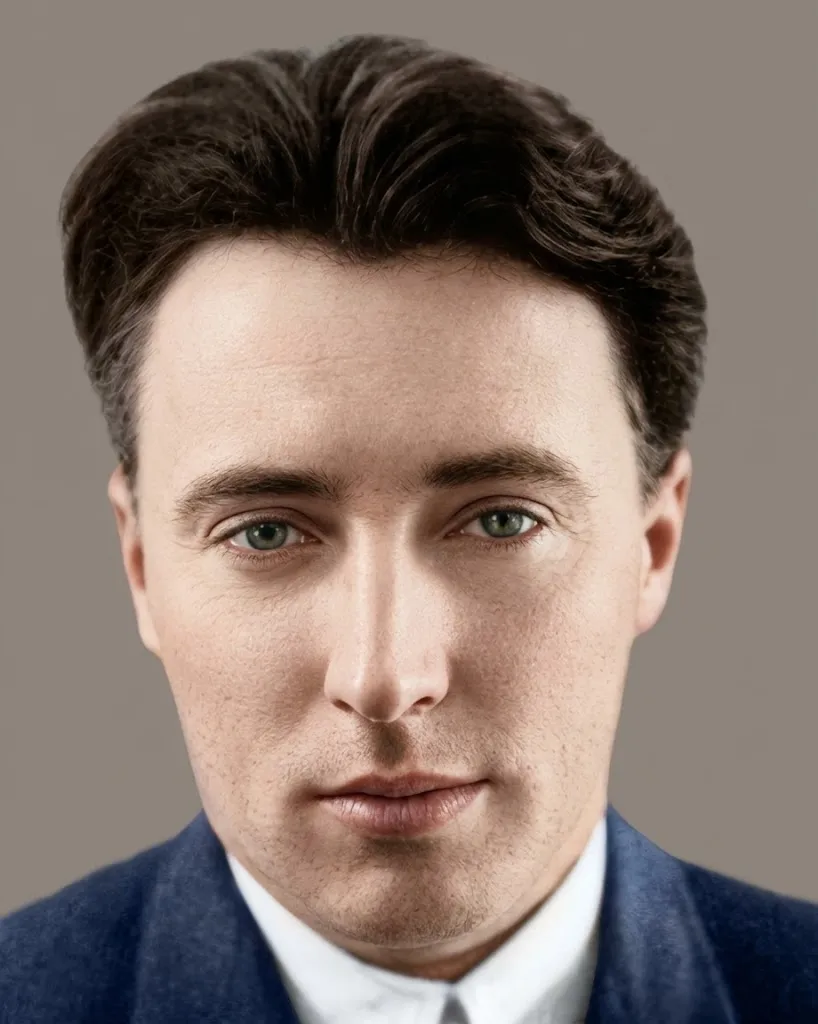
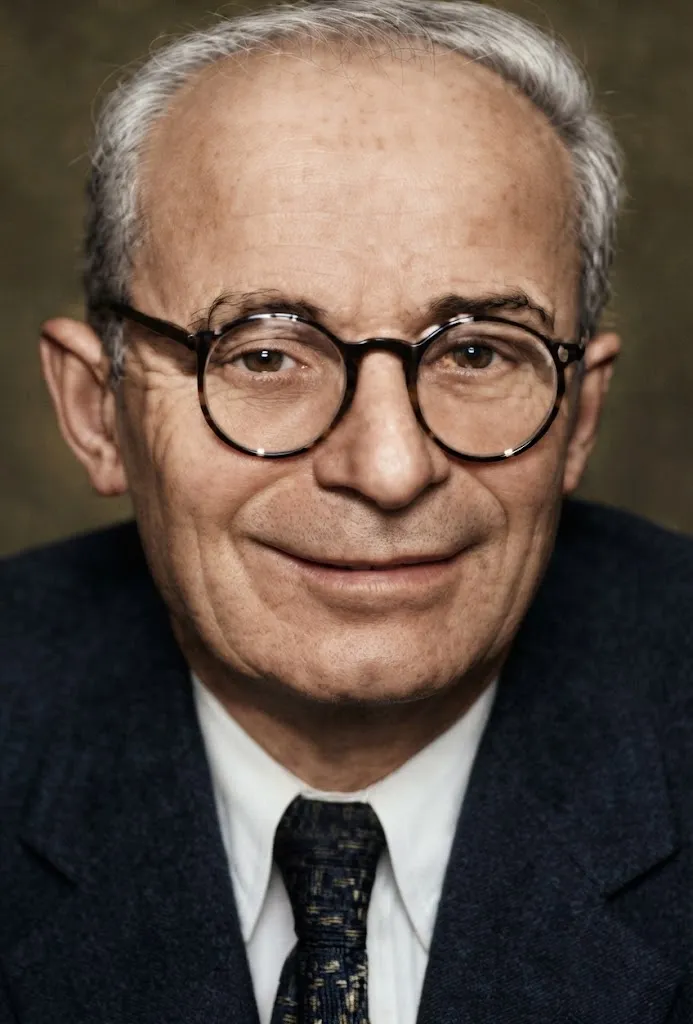
Oswald Burghardt was born into a family of German colonists in Podillia and became the Ukrainian poet Yurii Klen. One of the five Kyiv Neoclassicists, he left for Germany in 1931, where he wrote The Accursed Years, a poem about his generation’s fate, and his Memoirs of the Neoclassicists.
Key accomplishments
- The long poem The Accursed Years (1937), on the tragic fate of his generation of artists
- The poetry collection Caravels (Prague, 1943)
- The epic The Ashes of Empires, four parts of which he finished before his death
- Memoirs of the Neoclassicists, an eyewitness account of the “cluster of five”
- Translations: Iron Sonnets (1926) from German poetry, Shakespeare’s Hamlet and The Tempest
A German from Podillia
How does a German become a Ukrainian poet? Oswald Burghardt was born in 1891 in the village of Serbynivtsi in Podillia (now in the Vinnytsia region), into a family of German colonists. He graduated from Kyiv University and in 1915 published a study of poetic style in russian. When the First World War broke out, the russian authorities exiled him, as the son of German colonists, to a village in the Arkhangelsk province in northern russia. After the revolution of 1917 he returned to Ukraine.
Baryshivka and Zerov
In the autumn of 1920, escaping famine, Burghardt moved to Baryshivka near Kyiv and taught French and German there. In the summer of 1921 he was arrested for his “bourgeois origin” and thrown into a Cheka cellar in Poltava; the writer Volodymyr Korolenko interceded and saved him. He later put the inscriptions left by condemned prisoners on the walls of that cellar into his poem The Accursed Years. In Baryshivka he renewed his friendship with the poet and scholar Mykola Zerov and began writing poetry in Ukrainian. That is how Burghardt became one of the five Kyiv Neoclassicists, alongside Zerov, Maksym Rylskyi, Pavlo Fylypovych and Mykhailo Drai-Khmara. His main contribution in those years was translating German, French and English poetry; in 1926 his translations from German came out as a book, Iron Sonnets. He also translated Shakespeare’s The Tempest and Hamlet into Ukrainian, as well as poems by Byron, Shelley, Verlaine, Rilke and others.
Leaving for Germany
In 1931 Burghardt travelled to Germany with a delegation of writers and stayed there. That year Rylskyi was arrested, and, as Burghardt recalled, “I felt that the circle was closing in”. In Germany he taught Slavic literatures at the universities of Münster, Innsbruck and Prague and wrote in both German and Ukrainian, signing his Ukrainian work with the pen name Yurii Klen. In 1937 his long poem The Accursed Years came out, about the tragic fate of the generation of artists to which his Neoclassicist friends who stayed in Soviet Ukraine belonged.
The last years
Klen’s only collection of lyric poetry, Caravels, came out in Prague in 1943. He worked on an epic, The Ashes of Empires, which criticizes both Stalin’s and Hitler’s regimes, and managed to finish four of its parts. In Prague the Burghardt family took in the wife and daughter of the repressed Drai-Khmara, and Klen was the first to publish excerpts from Drai-Khmara’s letters from exile, in his Memoirs of the Neoclassicists. In 1945 he moved to Austria, co-founded the Ukrainian Art Movement (MUR) and edited the literary journal Lytavry. Yurii Klen died in Augsburg on 30 October 1947. His gravestone there was designed by the graphic artist Jacques Hnizdovsky; it was destroyed in the summer of 2024 and restored to its original form in 2025. That same year his anthology of German translations of the Kyiv Neoclassicists, Dichtung der Verdammten (Poetry of the Damned), came out in Germany: the manuscript, finished in 1947, had waited almost 80 years.
Why it matters today
Yurii Klen showed that you can become a Ukrainian poet by choice: the son of German colonists, he began writing in Ukrainian and became one of the five Kyiv Neoclassicists. Through his translations he brought German, French and English poetry into Ukrainian literature. In Germany he did not forget the friends who stayed in Soviet Ukraine, and he told the tragic story of their generation. Thanks to him, we know the Neoclassicists as living people, not only through their poems.