c. 1575–c. 1642
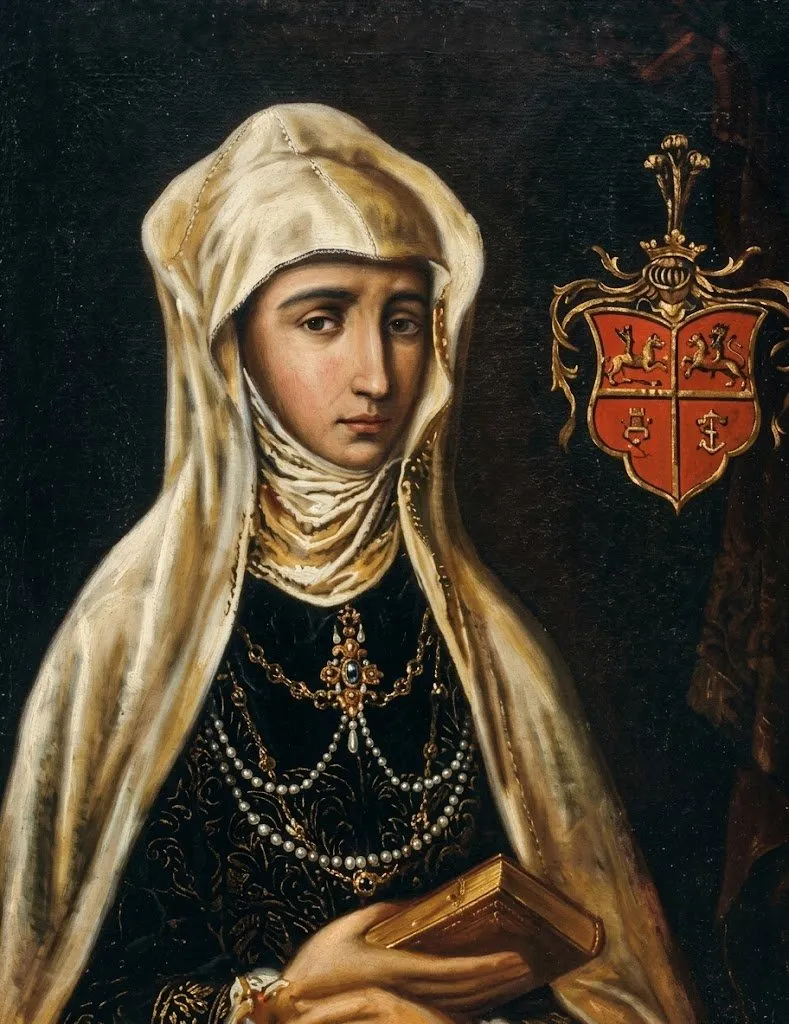
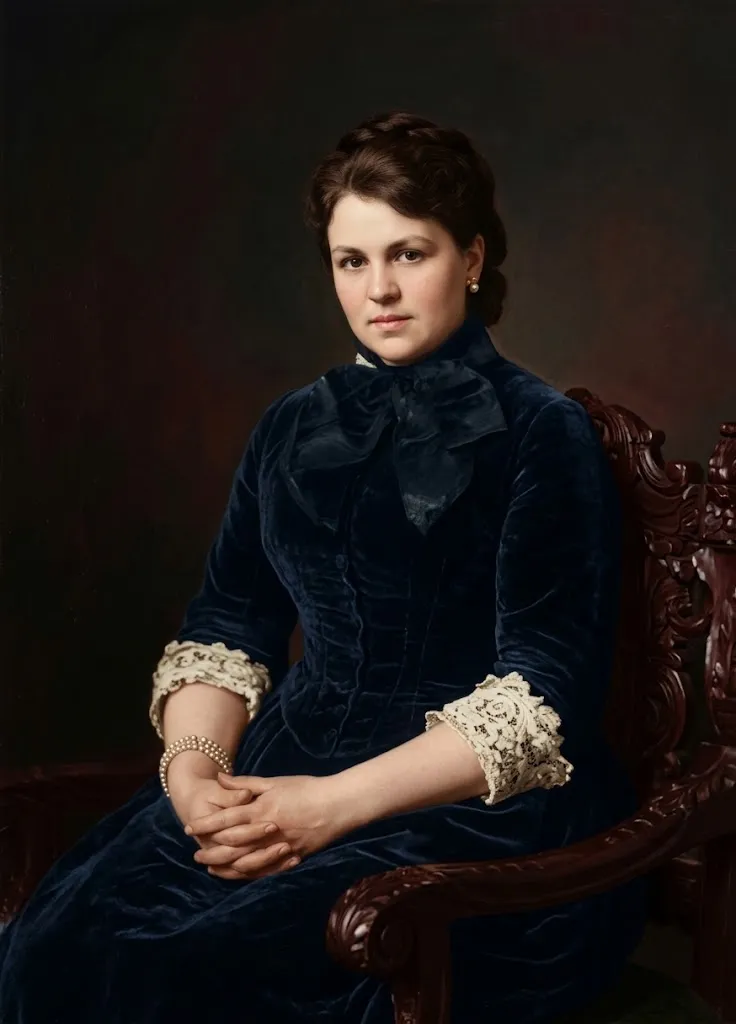
Halshka Hulevychivna
Founder of the Kyiv Brotherhood School
One estate in Kyiv’s Podil became the start of the school that grew into the Kyiv-Mohyla Academy. In 1615 Halshka Hulevychivna, a noblewoman from Volhynia, gave her Kyiv courtyard to a brotherhood for a monastery, a hostel for pilgrims and a school for Orthodox children.
Key accomplishments
- In 1615 gave the Kyiv Brotherhood her courtyard and land in Podil for a monastery, a pilgrims’ hostel and a school
- Tradition traces the Kyiv Brotherhood School, forerunner of the Kyiv-Mohyla Academy, to her gift
- Took part in the work of the Lutsk Brotherhood
- Glorified by the Orthodox Church of Ukraine as Saint Yelyzaveta the Righteous (2021)
A noblewoman from Volhynia
What can a single estate give a country? The answer begins with Halshka (Yelyzaveta) Hulevychivna. She came from the Hulevych family, an old Orthodox noble house that held offices in Volhynia. Her grandfather was Bishop Feodosii Hulevych-Voiutynskyi, her father Vasyl Hulevych-Zaturetskyi. When and where she was born isn’t known for sure; sources give about 1575 or 1577. Her first husband was Kryshtof Potii, her second Stefan Lozka, cupbearer of Kyiv and marshal of Mozyr.
A courtyard that became a school
In October 1615 her deed of gift was entered in the Kyiv city books. Hulevychivna gave her courtyard and land in Podil to the brotherhood, a society of Orthodox Kyivans, “with all rights”, keeping nothing for herself or her heirs. It was to hold a monastery, a hostel for pilgrims and a school for the children of nobles and townspeople. Her husband gave his consent. From January 1616 the brotherhood began registering its members, and its school became known as the Kyiv Brotherhood School.
From a brotherhood school to an academy
In 1632 Petro Mohyla, archimandrite of the Kyiv Cave Monastery, merged the Kyiv Brotherhood School with the monastery school he had founded a year earlier. The result was the college that grew into the Kyiv-Mohyla Academy. Hulevychivna herself, after her second husband died in 1618, lived in Lutsk and helped the Lutsk Brotherhood. She died in 1642 and was buried in Lutsk’s Church of the Exaltation of the Cross.
Debates and assessments
The original deed has not survived: the oldest copy dates from the second half of the 18th century. A charter of King Sigismund III from 1629 confirms Hulevychivna’s foundation, but it mentions a church and a hospital, not a school. Some scholars consider the deed’s authenticity doubtful. Others point out that Hulevychivna was first called the school’s founder only in the 1760s, when the academy faced reform, while earlier the founders were thought to be Hetman Petro Sahaidachnyi and Petro Mohyla; in their view, the academy’s leaders then found it useful to show that the school’s roots lay with the nobility rather than the Cossacks.
Why it matters today
The gift that tradition links to Halshka Hulevychivna began the school from which the Kyiv-Mohyla Academy grew. Her name is a reminder that women, too, were among those who built Ukrainian education. She gave away her courtyard so that a school for the children of “the Orthodox Rus’ people” could rise on her land. Anyone who gives money, time or room so that others can learn carries on her work.