c. 1539–c. 1582
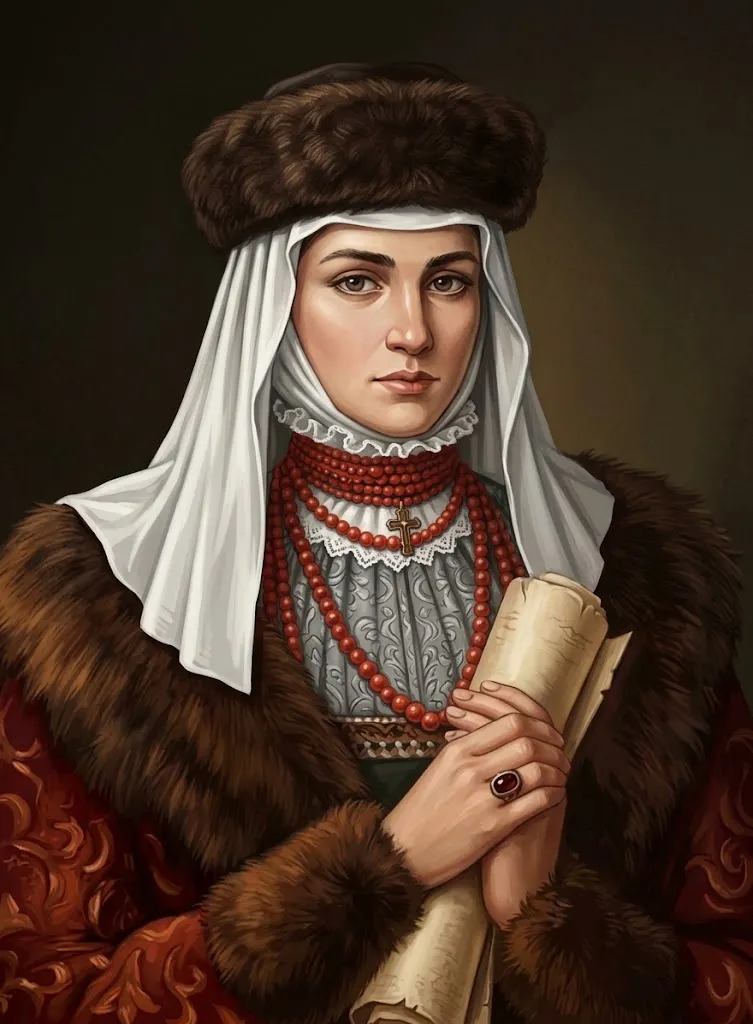
Halshka Ostrozka
Princess, patron of the Ostroh Academy
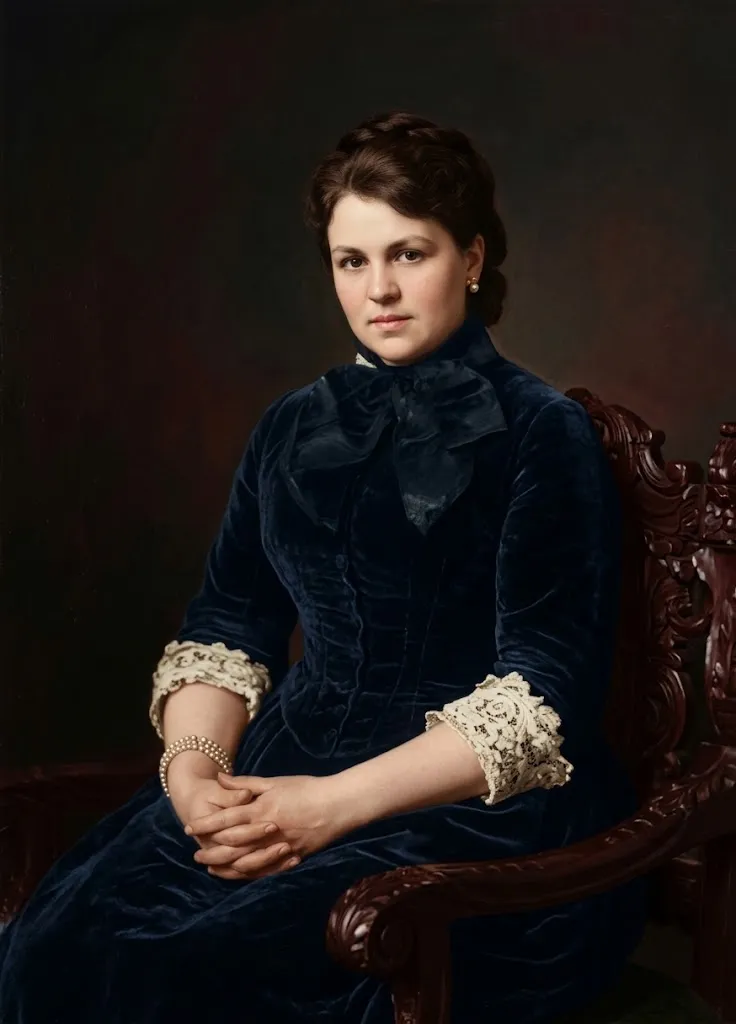
Volhynia’s richest bride was married off three times, and each time others decided for her. Princess Halshka (Elizabeth) Ostrozka survived abduction and years of confinement, and in 1579 left money to the Ostroh Academy in her will. She is regarded as a co-founder of the school.
Key accomplishments
- Her will of 1579: 6,000 kopas of Lithuanian groschen for a hospital and the Ostroh Academy
- The first known document of a donation to the Ostroh Academy
- Heir to half of the Ostroh principality
- Heroine of works by Józef Ignacy Kraszewski and a painting by Jan Matejko
Volhynia’s richest bride
Halshka (baptized Elizabeth) was born in the autumn of 1539 to Prince Illia Ostrozkyi, of the most powerful family in Volhynia. Her father died in August, before she was born. The girl inherited half of the Ostroh principality, and that fortune shaped her whole life.
Three marriages
In September 1553 her uncle, Prince Vasyl-Kostiantyn Ostrozkyi, stormed Ostroh castle and married his very young niece to Prince Dmytro Sanhushko. Halshka’s mother, Beata, complained to the king; Sanhushko was declared an outlaw and fled with his wife to Bohemia, but he was caught there and killed in 1554. In 1555, pressed by King Sigismund II Augustus, Halshka was married to the voivode Łukasz Górka without her mother’s blessing. Beata hid her daughter in the Dominican monastery in Lviv, and in March 1559 married her to Prince Semen Slutskyi. Within weeks a royal order handed Halshka back to Górka.
The tower at Szamotuły
The princess spent the following years at Górka’s residence in Szamotuły near Poznań, seeing almost no one. She was free only after her husband died in 1573, and she returned to Volhynia to her uncle, who became her guardian. What she had been through broke her health: from the 1570s, sources mention her mental illness.
A will for the academy
On 16 March 1579, in Turiv, Halshka wrote her will. She divided her movable goods among relatives and servants, and set aside 6,000 kopas of Lithuanian groschen for a hospital and the Ostroh Academy, which her uncle had founded around 1576. It is the first known document of a donation to the academy, so Halshka is regarded as its co-founder. Some researchers do allow that, because of her illness, her guardian may have forged the orders she signed in 1573–1582. Halshka died in the autumn of 1582 and was buried in Ostroh that December. She had no children.
Why it matters today
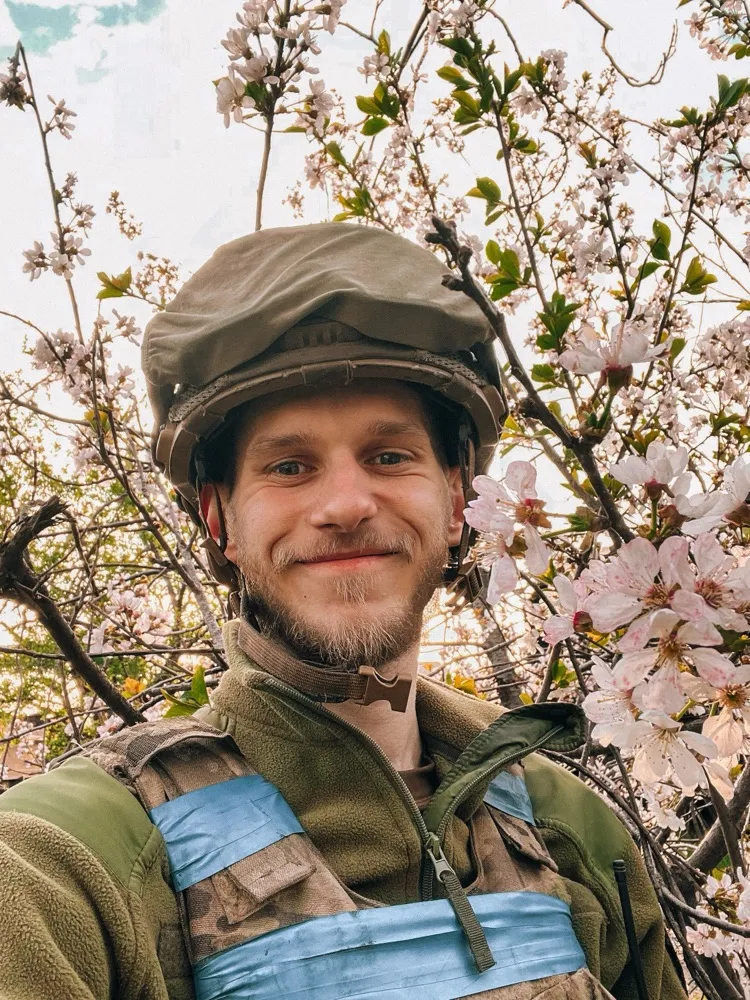
Almost everything in Halshka Ostrozka’s life, from her marriages to where she lived, was decided by others. Yet her name is tied to something that outlasted all that drama: her will is the first known document of a donation to the Ostroh Academy, one of the first institutions of higher learning in Eastern Europe. The academy taught people such as the future hetman Petro Sahaidachnyi, and its heir, where the Azov photographer Dmytro Kozatskyi studied, still teaches students today. Her story shows that even someone denied the right to choose can leave behind something that serves others for centuries.