1852–1922
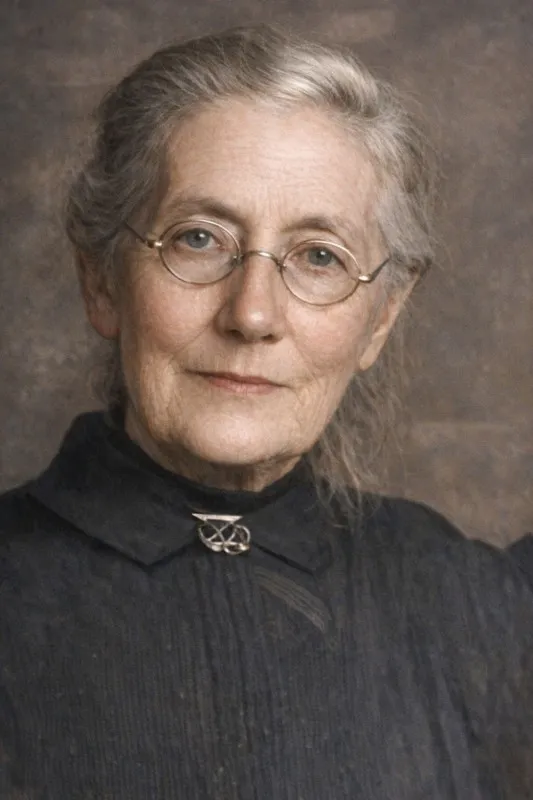
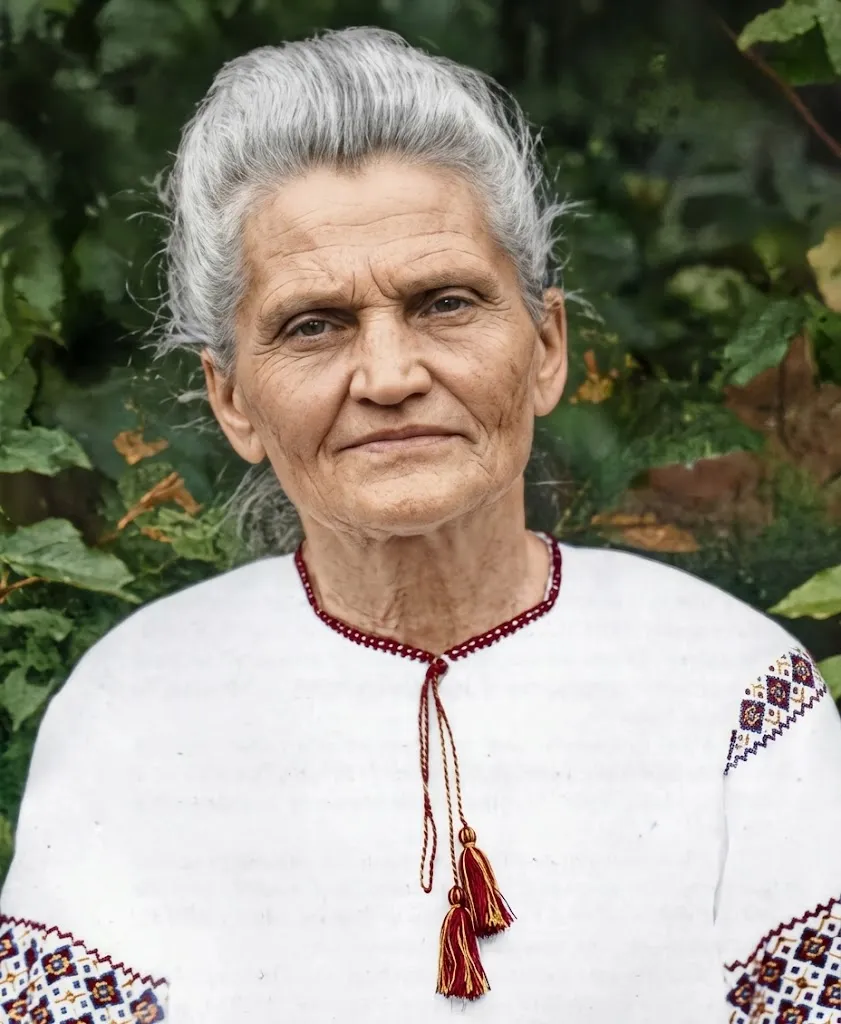
Varvara Khanenko
Art collector, museum founder
She could have taken one of the empire’s finest private art collections to Germany, but she stayed with it in Kyiv. Varvara Khanenko, Nikola Tereshchenko’s daughter, spent over 40 years collecting art with her husband Bohdan and gave it to the Ukrainian Academy of Sciences: the Khanenko Museum.
Key accomplishments
- Spent over 40 years building a collection of world art and antiquities with her husband
- With Olena Pchilka and Nataliia Yashvil, started the craft movement in Ukraine to support folk artisans
- Opened craft workshops, schools, hospitals and orphanages for villagers on her estates
- On 15 December 1918 gave the collection, the library and the house to the Ukrainian Academy of Sciences
- Won the return to Kyiv in 1921 of the part of the collection taken to Moscow
Tereshchenko’s daughter
Varvara Tereshchenko was born in 1852 in Hlukhiv. She was the eldest daughter of Nikola Tereshchenko, the wealthiest Ukrainian businessman of his day and a generous patron. From her family she took a love of art and a sense of duty to share. In 1874 she married a young lawyer, Bohdan Khanenko, who already dreamed of an art collection of his own.
The collection that was their child
What can a couple collect in 40 years? Paintings by Velázquez, Rubens, van Dyck and Bellini, Scythian and Kyivan Rus antiquities, icons and Ukrainian folk art: more than 400 paintings and more than 8,000 prints. For these treasures the Khanenkos built a mansion on Tereshchenkivska Street in Kyiv, and they also paid for archaeological digs. They had no children, and called the collection and the house their “child”. Among the people who started Kyiv’s museums, Varvara Khanenko was the only woman.
Workshops for villagers
Varvara cared about more than paintings. On the family estates she opened craft workshops, schools, hospitals and orphanages for villagers. With the writer Olena Pchilka and the patron Nataliia Yashvil she started the craft movement in Ukraine, which backed folk artisans to keep the traditions of folk art alive. At the Khanenkos’ workshop in Olenivka near Kyiv people wove kilims and printed cloth, and from 1912 to 1915 the artist Vasyl Krychevskyi taught there.
The choice of 1918
In 1915, during the First World War, the most valuable part of the collection was sent to Moscow. In spring 1917 Bohdan Khanenko died, leaving his wife to turn the collection into a public museum for the people of Kyiv. Revolution raged around her. Varvara could have left for Europe with her relatives, and she was offered good terms to take the collection to Germany, but she refused. On 15 December 1918 she gave the collection, the library and the house to the Ukrainian Academy of Sciences. Her terms: the museum bears both Khanenkos’ names, the collection never leaves the house, and it is open to everyone.
The museum she saved
In 1921 Varvara Khanenko won the return of the collection from Moscow, though some thirty paintings had vanished without a trace. She helped put the museum in order and lived in a single room inside it. When the new authorities tried to evict her even from that, she asked the Academy’s permanent secretary, Ahatanhel Krymskyi, for protection: the museum, she wrote, was the fruit of a whole lifetime of love and work, hers and her husband’s. Varvara Khanenko died in Kyiv on 7 May 1922. Since 1999 the museum has again borne both Khanenkos’ names.
Why it matters today
Varvara Khanenko made the choice that decided whether one of the empire’s finest private collections of world art would stay in Kyiv. She risked her own safety but would not let the treasures leave the city, which is why world art from her collection can be seen in Kyiv today rather than abroad. She also helped folk artisans so that Ukrainian folk art could live on and be valued. Her life shows that a country’s culture is built not only by those who create masterpieces but also by those who keep them for everyone.