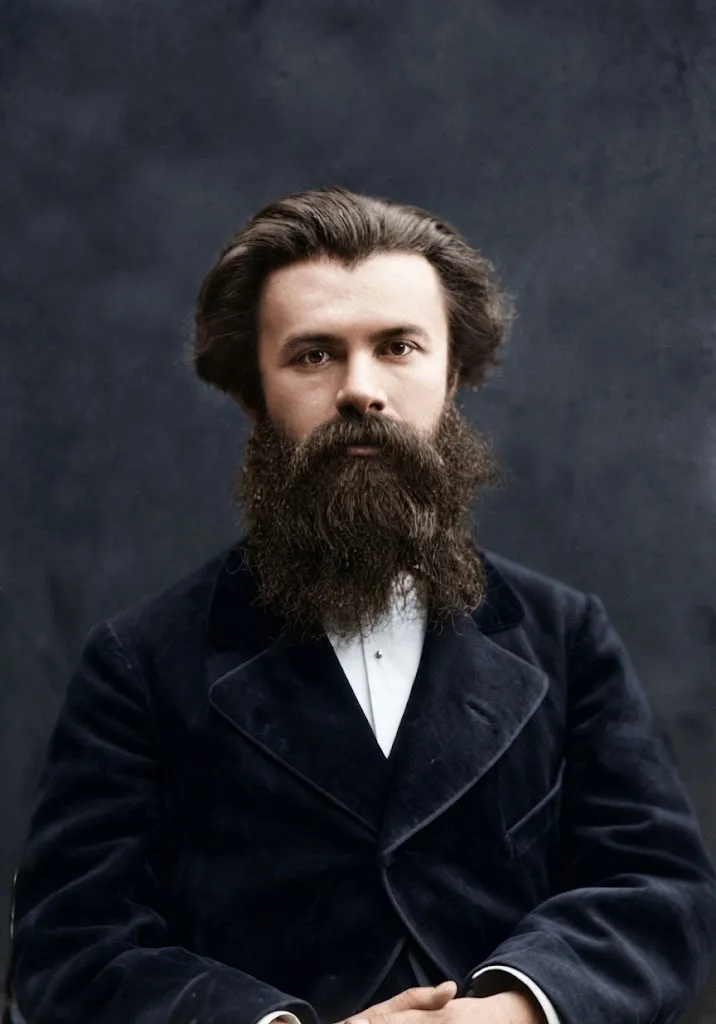
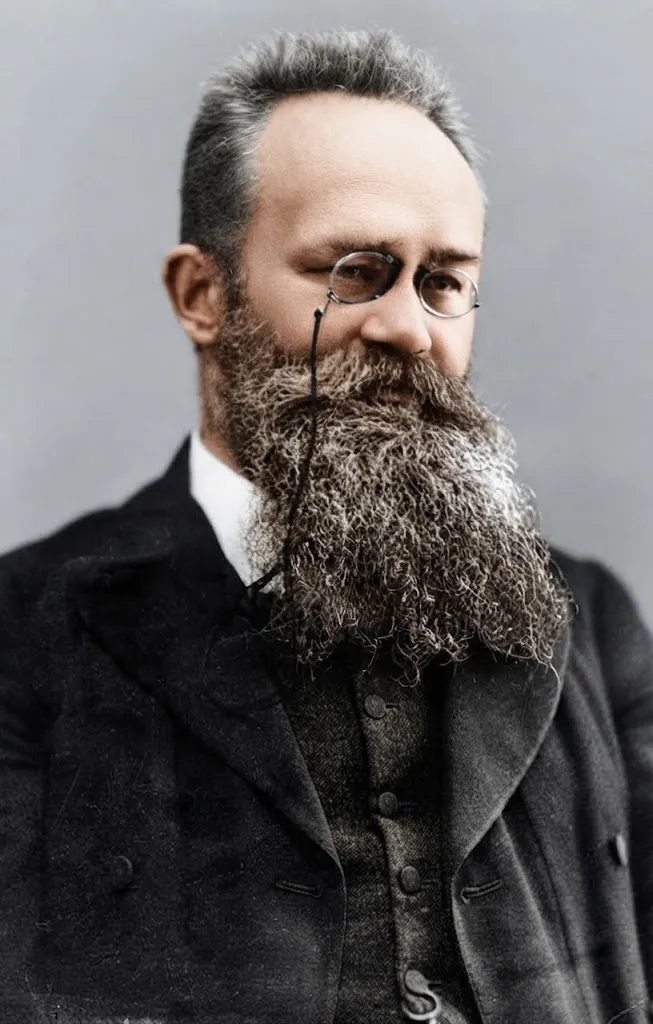
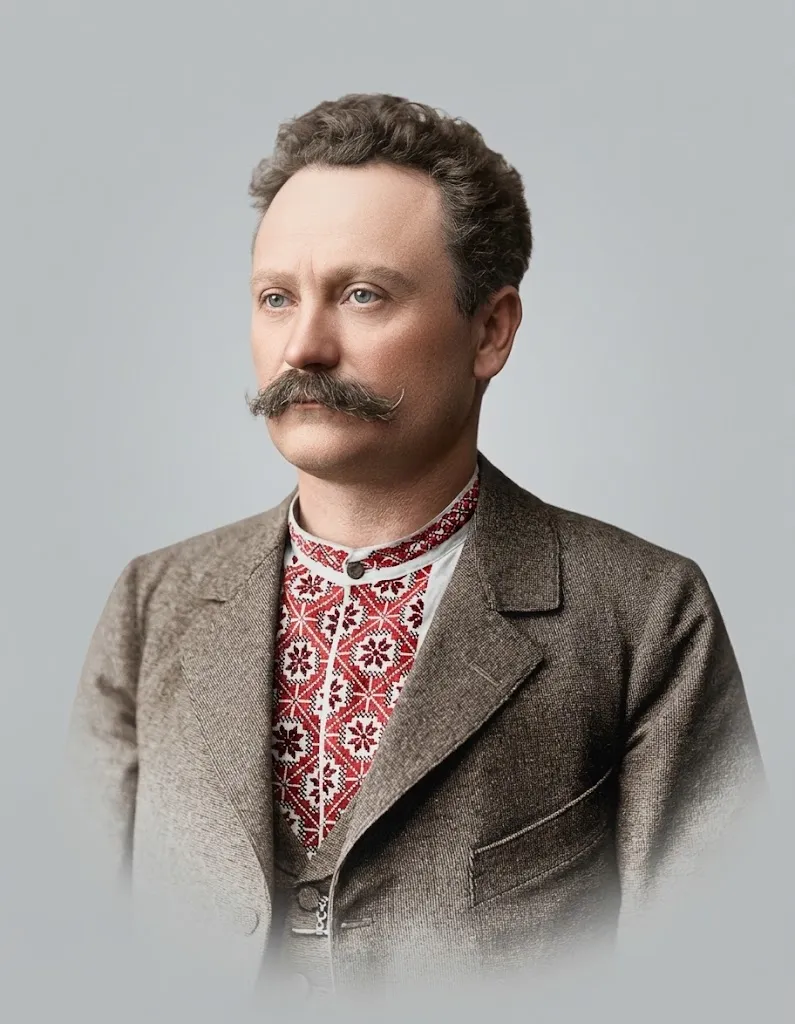
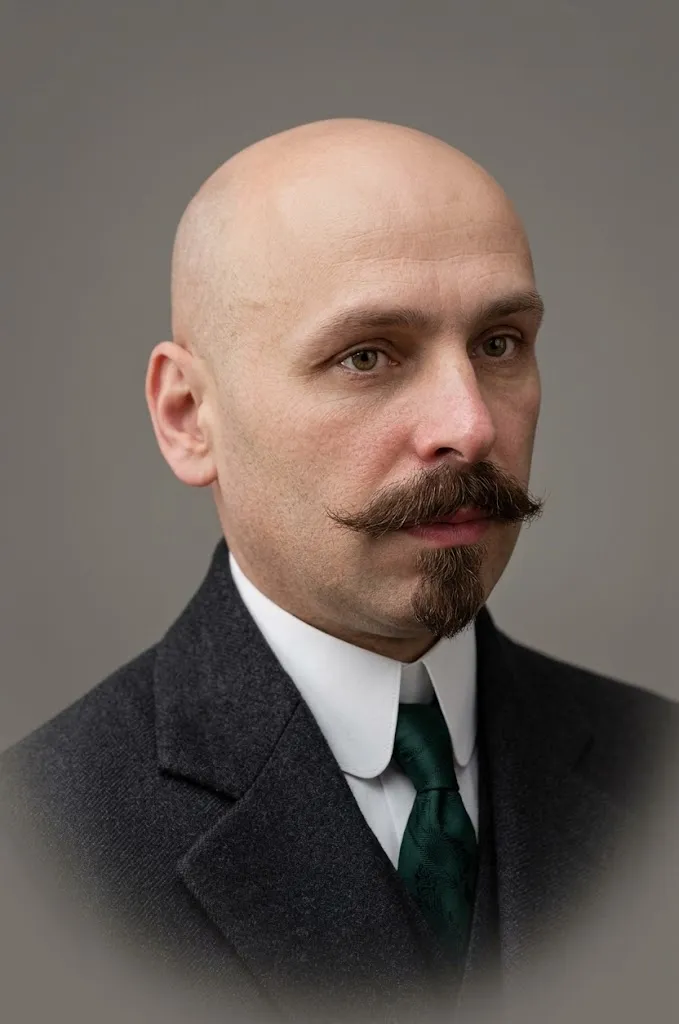
1861–1929
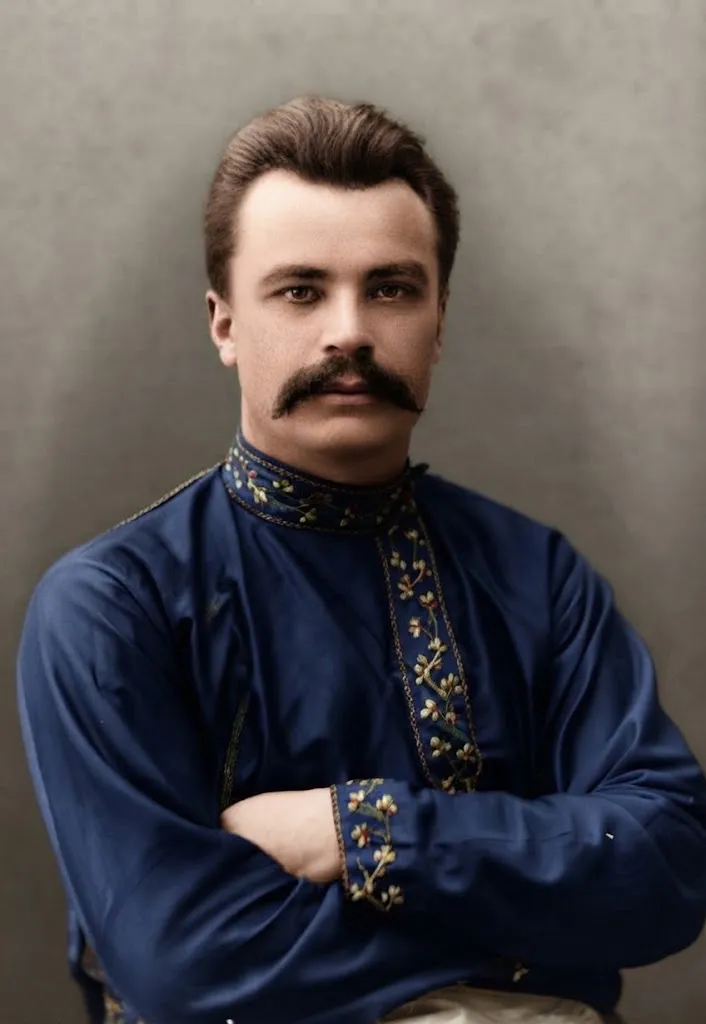
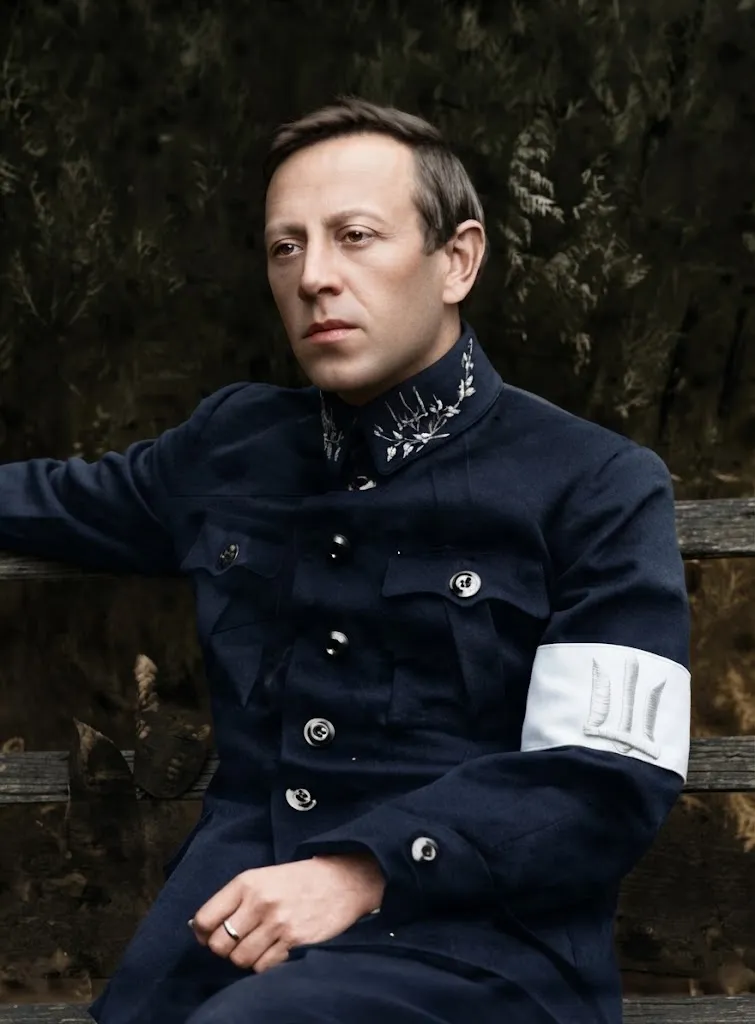
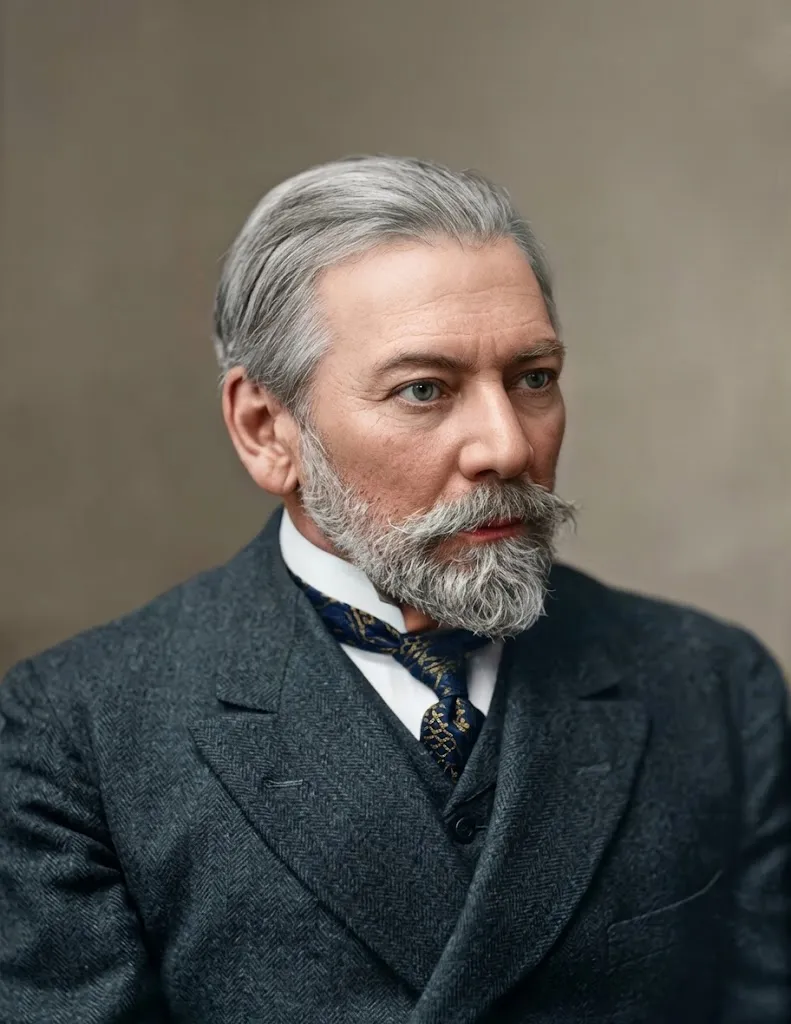
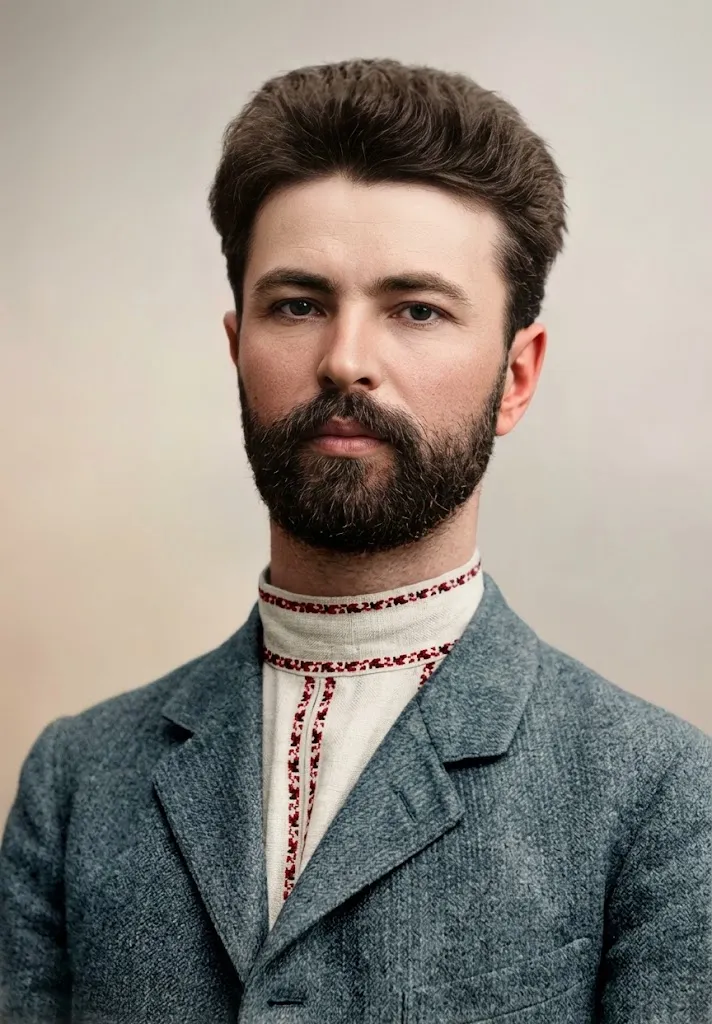
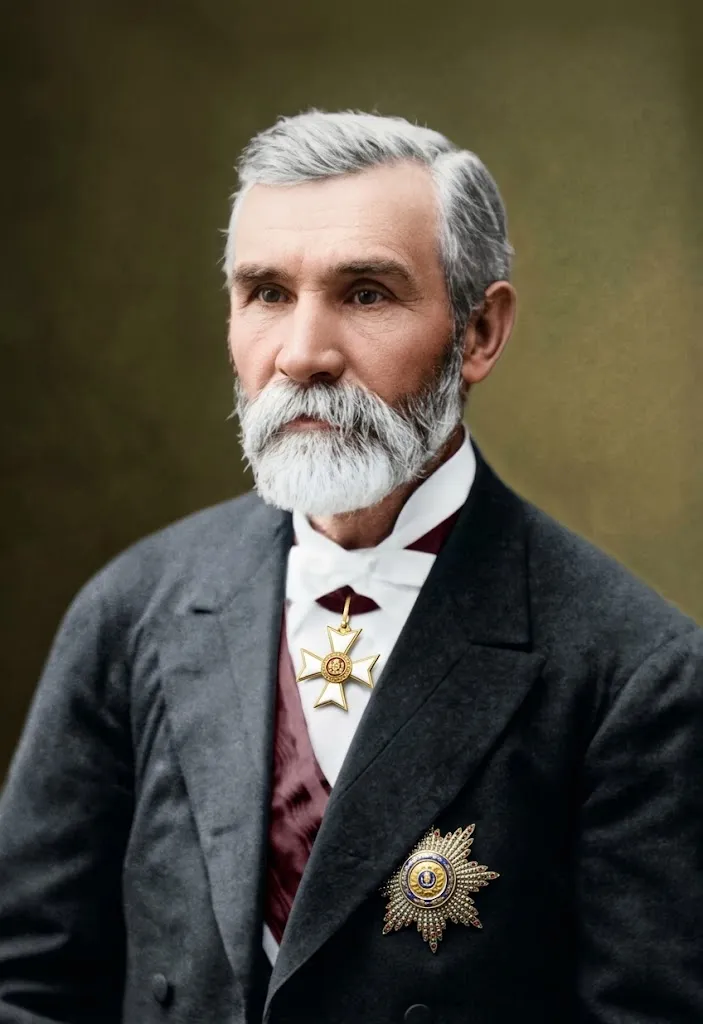
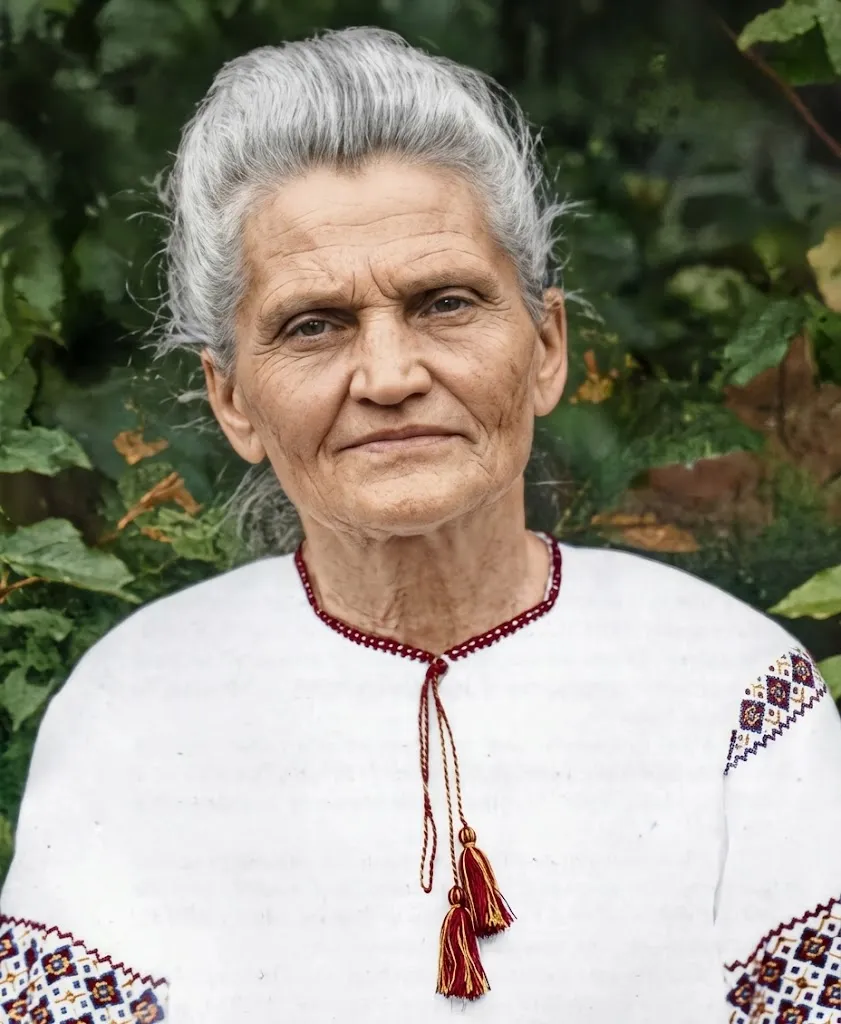
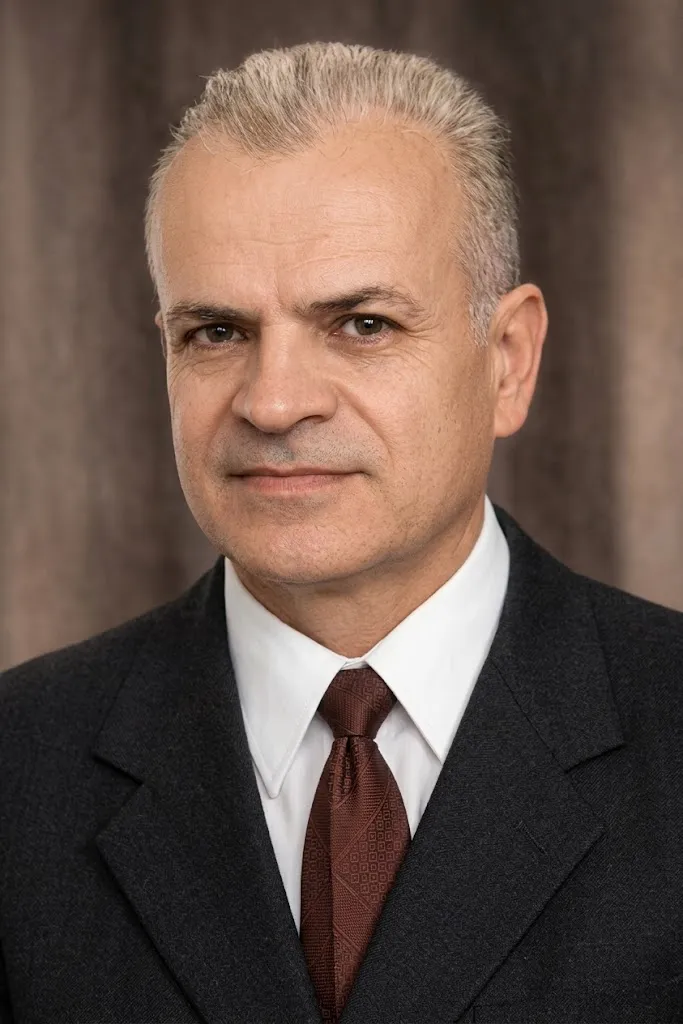
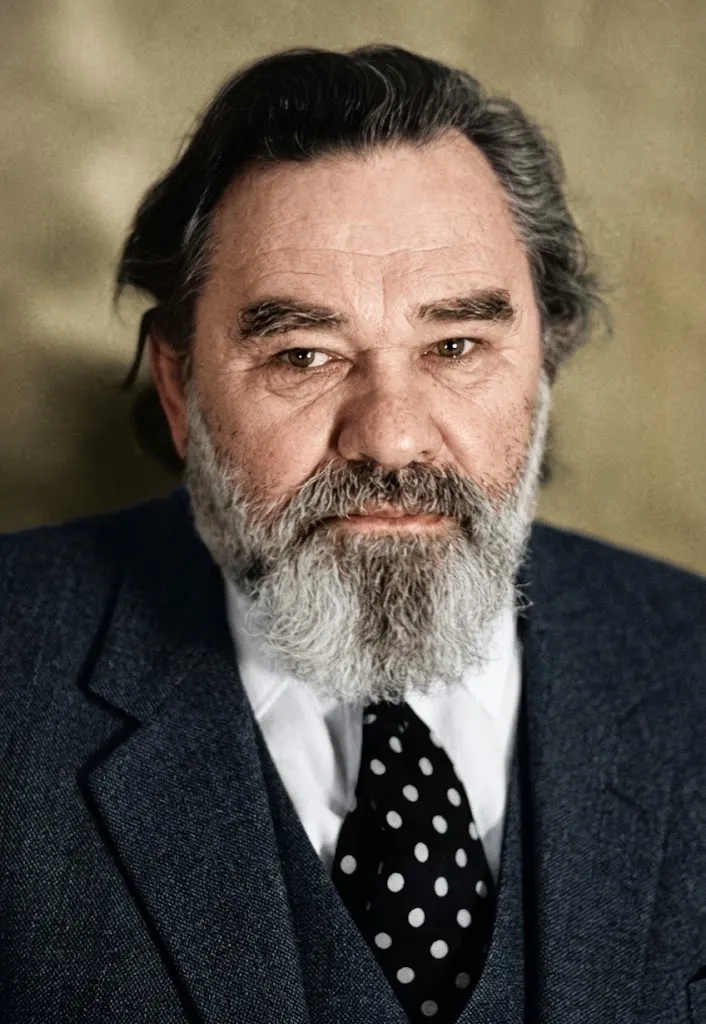
Yevhen Chykalenko
Patron, publisher of the daily Rada
He sold 200 desiatins of his own land to keep a Ukrainian newspaper alive. Yevhen Chykalenko, a farmer and landowner from southern Ukraine, kept Rada going for years, the only Ukrainian-language daily in russian-ruled Ukraine, and paid for dozens of Ukrainian causes.
Key accomplishments
- Funded the first Ukrainian dailies in russian-ruled Ukraine: Hromadska dumka (1906) and Rada (1906–1914)
- Wrote Conversations on Farming (1897), printed in half a million copies in all
- Main benefactor of the Academic Home in Lviv (25,000 roubles)
- A founder and the de facto head of the Society of Ukrainian Progressives
- His Memoirs and Diary are among the richest sources on the Ukrainian movement
A landowner watched by the police
How did the son of a wealthy family end up under police watch? Yevhen Chykalenko was born in 1861 in the village of Pereshory in the Kherson region (now the Odesa region). The village spoke Ukrainian, and all his life the language stayed his sign of home. At secondary school in Yelysavethrad (now Kropyvnytskyi) he shared a desk with Panas Tobilevych, later the actor Panas Saksahanskyi. At Kharkiv University he joined a circle of followers of Mykhailo Drahomanov, and in 1884 he was arrested for it. For years he lived in Pereshory under police surveillance: he ran the family farm and wrote Conversations on Farming (1897), a guide printed in half a million copies in all.
Money for the Ukrainian cause
As early as the 1890s Chykalenko began giving his own money to Ukrainian causes: he paid for Mykhailo Komarov’s dictionary and set up a fund in Lviv to help Ukrainian writers. When his daughter Viktoriia died aged eight, he gave part of the money he had saved for her dowry to the journal Kievskaia starina, as a prize for the best history of Ukraine. In 1900 he moved to Kyiv and, in his own words, “dived headfirst into Ukrainian public life”. He helped publish the works of Ivan Franko, Mykhailo Kotsiubynskyi and Volodymyr Vynnychenko. When Mykhailo Hrushevskyi asked, he gave 25,000 roubles for the Academic Home in Lviv, a hostel so that young people from russian-ruled Ukraine could study in freer Galicia. His family remembered a saying he often repeated: “It’s easy to love Ukraine to the depths of your soul; try loving it to the depths of your pocket.”
The paper he sold his land for
“We need either a genius or a newspaper, and soon, or we’ll perish as a nation,” Chykalenko used to say. In 1906, with the patrons Vasyl Symyrenko and Leonid Zhebuniov, he founded Hromadska dumka and then Rada, the only Ukrainian daily in russian-ruled Ukraine. The paper lost money every year. From late 1908 Chykalenko covered all its costs himself, and he sold 200 desiatins of land to keep it in print. Its secretary was a young Symon Petliura. “Rada may be a poor little paper, but it still shows that we are alive as a nation, that we haven’t died yet!” the publisher said. In 1914, as soon as russia entered the First World War, the authorities shut it down.
From the Central Rada to Poděbrady
In 1908 Chykalenko became a founder and the de facto head of the Society of Ukrainian Progressives, a secret group that pressed for Ukrainian autonomy. In 1917 the society was among those who called the Central Rada into being. The delegates first wanted Chykalenko himself to chair it, but he declined because of his illness, in favour of Hrushevskyi, and urged him to come back from Moscow and lead the Rada; he himself stayed out of politics. In 1919 he left for Galicia, where the Polish authorities interned him with other Ukrainian intellectuals in a camp at Mostyska. From 1925, in Poděbrady, Czechoslovakia, he chaired a commission that worked out Ukrainian scientific terms. Yevhen Chykalenko died in Prague on 20 June 1929. The urn with his ashes was buried in Poděbrady; other sources say it was later lost. His Memoirs and Diary are still among the richest sources on the history of the Ukrainian movement.
Why it matters today
Yevhen Chykalenko showed that love for Ukraine is measured not by loud words but by what you are ready to give for it. When the Ukrainian word could barely get into print in the empire, he kept a daily paper going for years that told its readers: we are alive as a nation. The students he helped to study and the society that grew into the Central Rada helped Ukrainians prepare for a state of their own. In October 2022, during the full-scale war, Kyiv renamed Pushkinska Street after Yevhen Chykalenko. His example answers anyone who thinks only politicians and soldiers build a country: a farmer, a businessman and a publisher build it too.