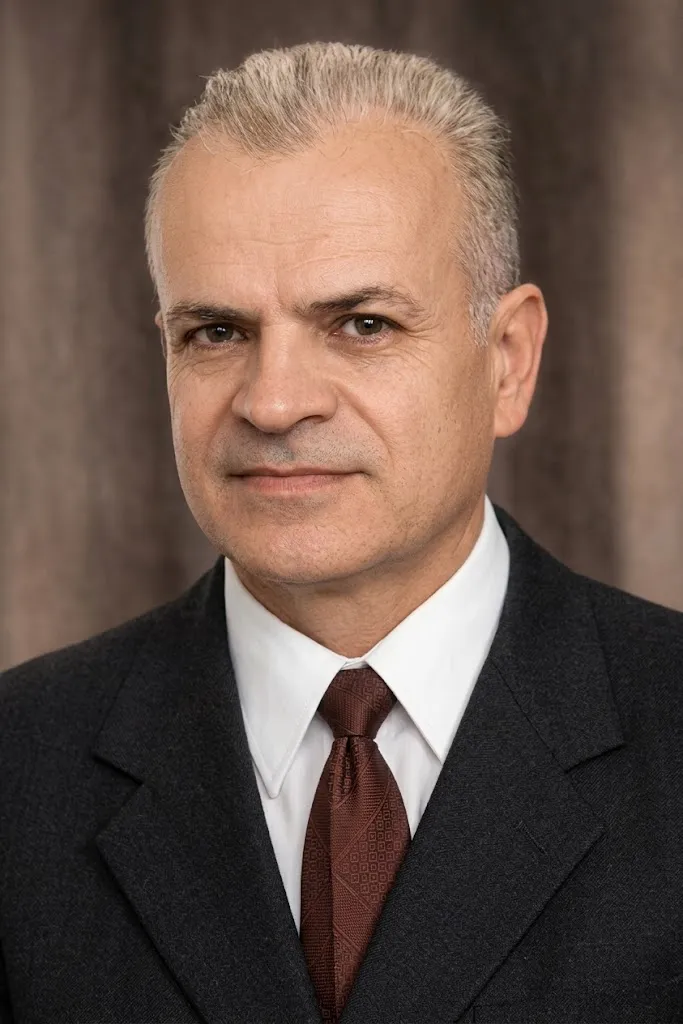
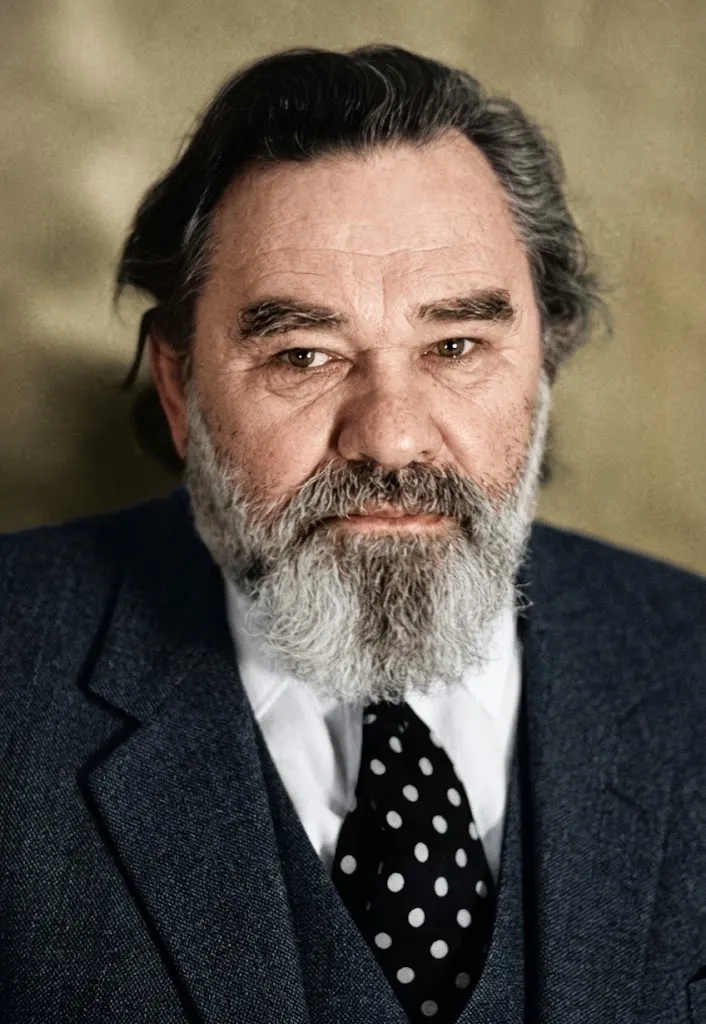
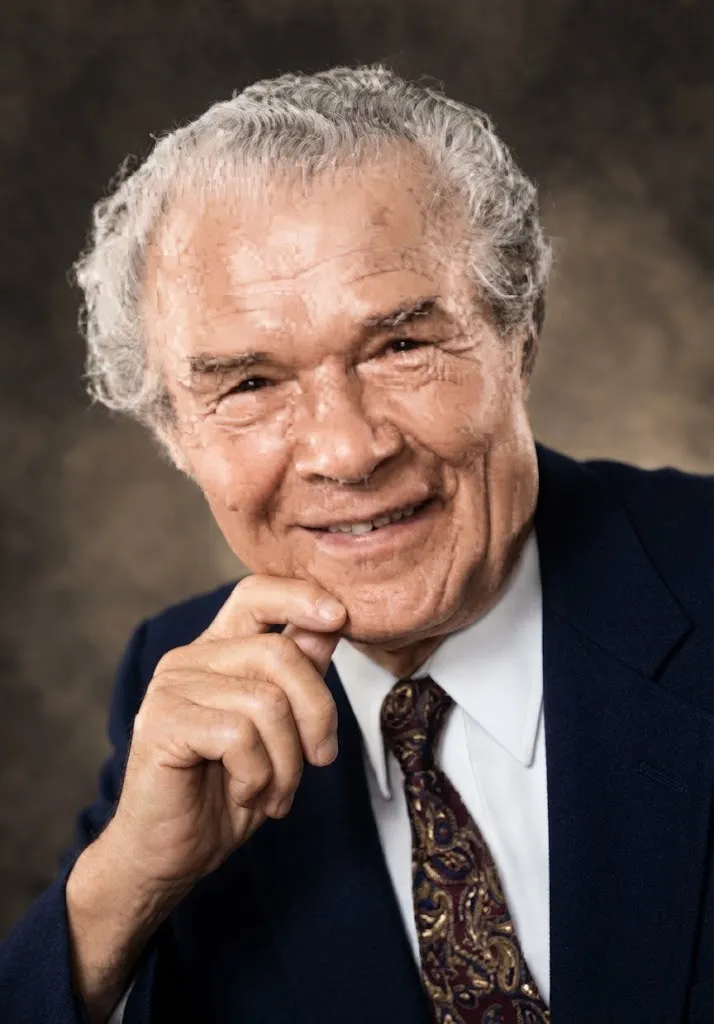
1849–1917
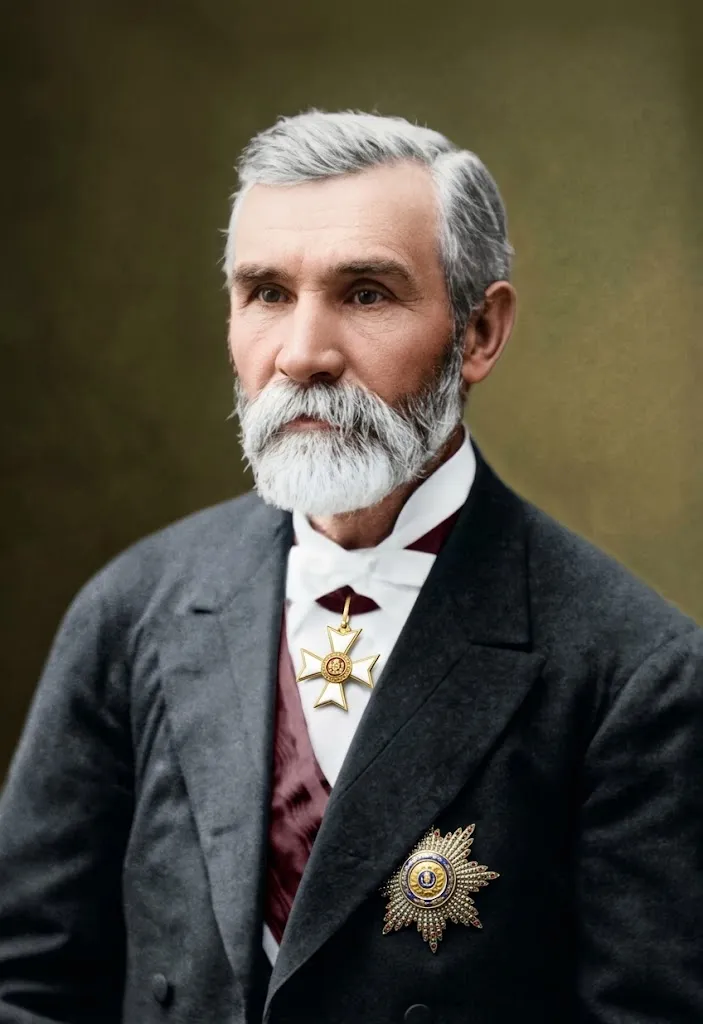
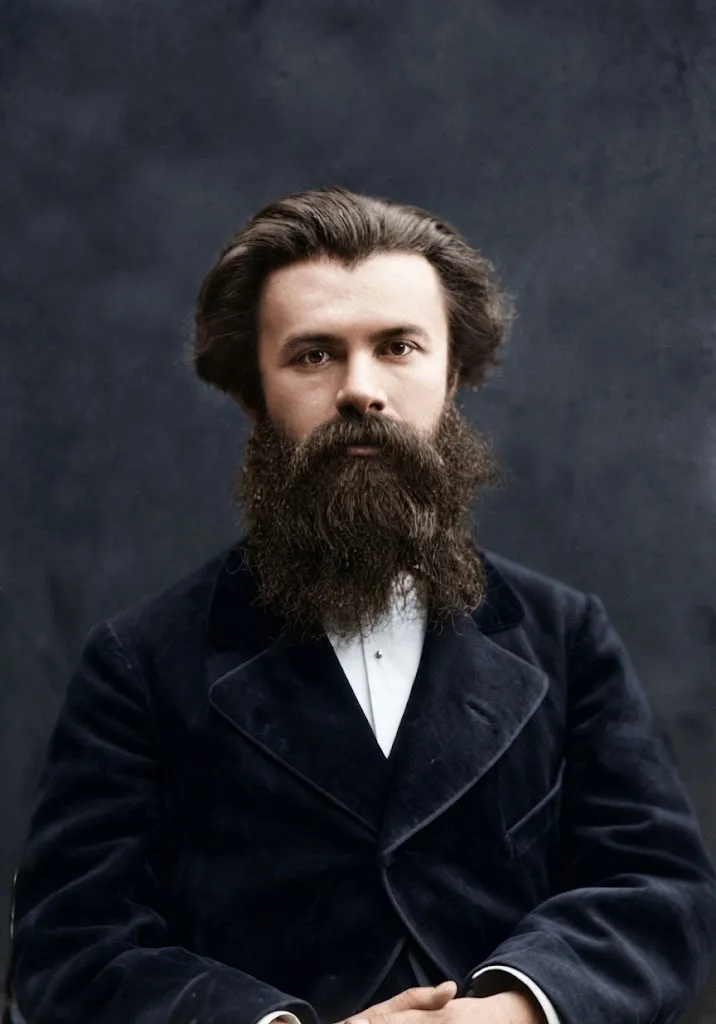
Bohdan Khanenko
Art collector and patron
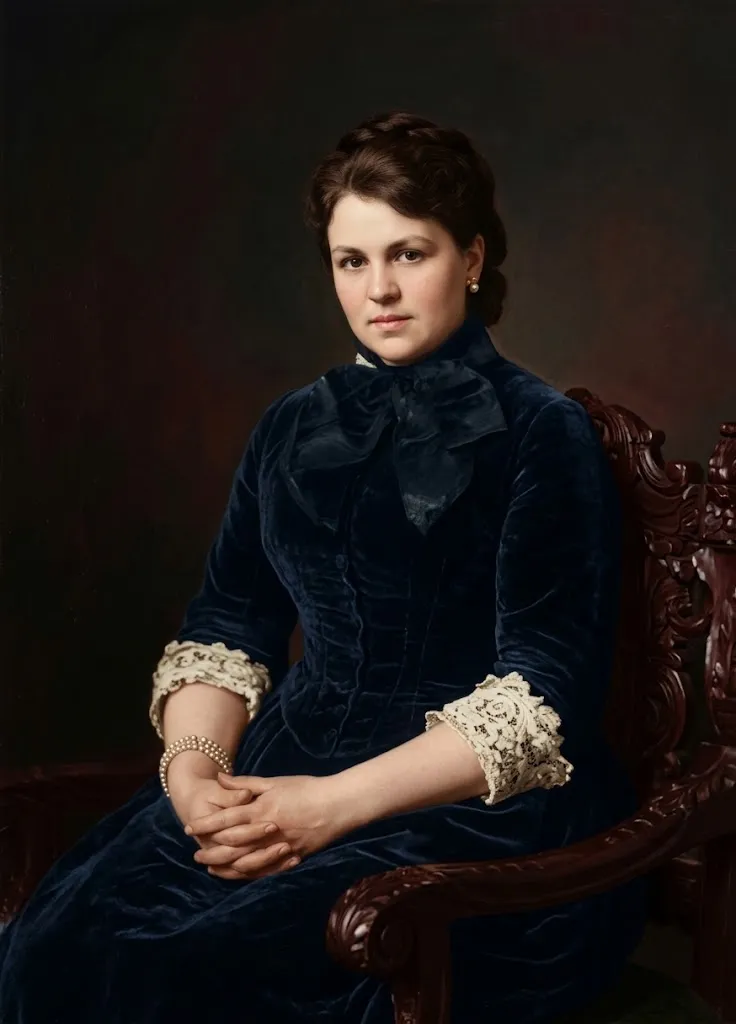
The Khanenkos bought the first pieces of their collection on their honeymoon in Italy. Over more than 40 years Bohdan and Varvara Khanenko gathered Velázquez, Rubens and Bellini, Scythian antiquities and old icons in Kyiv, and Bohdan willed it to become a museum for the city.
Key accomplishments
- With his wife Varvara collected world art and antiquities for more than 40 years: over 400 paintings and over 8,000 prints
- Chaired the building committee of the Kyiv Museum of Art, Industry and Science (opened 1904, now the National Art Museum of Ukraine) and gave it exhibits and money
- Head of the Kyiv Society of Antiquities and Art; funded archaeological digs
- With his wife published the six volumes of Antiquities of the Dnipro Region (1899–1907)
- In 1917 left instructions to turn the collection into a museum for Kyiv, today’s Khanenko Museum
The honeymoon that started a museum
Museums usually begin with a building or a decree. The Khanenko Museum began with a honeymoon. Bohdan Khanenko came from an old Ukrainian family of Cossack officers; among his ancestors was Hetman Mykhailo Khanenko. He was born in 1849 on the family estate of Lotoky in the Chernihiv region (the village is now in russia’s Bryansk Oblast). He studied law at Moscow University and served in St Petersburg and Warsaw. In St Petersburg he fell for the art of the old masters and began to dream of a collection of his own. In 1874 Bohdan married Varvara, the eldest daughter of the sugar magnate and patron Nikola Tereshchenko. On their honeymoon in Italy the couple bought the first pieces of their shared collection.
Two collectors
In the late 1880s the Khanenkos settled in Kyiv and built a mansion for their collection on what is now Tereshchenkivska Street. They collected together for more than 40 years: paintings by Velázquez, Rubens, van Dyck, Jordaens and Bellini, Scythian and Kyivan Rus’ antiquities, art of the East, icons and Ukrainian folk art. The collection held more than 400 paintings and over 8,000 prints. Varvara Khanenko had passions of her own: old Italian painting, majolica, early Ukrainian icons and folk art. With Olena Pchilka and others she started the handicraft movement to support folk artisans, and on the couple’s estates she opened schools, workshops, hospitals and orphanages.
A museum for everyone
Bohdan Khanenko was a prominent figure in Kyiv business: from 1896 he ran the affairs of the Tereshchenko brothers’ sugar company, and he sat on the State Council. But he put most of himself into museums. As head of the Kyiv Society of Antiquities and Art he led the building of the city’s first public museum, opened in 1904, and gave it much of his archaeological collection. The couple funded digs in the Kyiv region and on the Black Sea coast and together published six volumes of finds.
The will, and Varvara’s choice
In the spring of 1917 Bohdan Khanenko signed his will: he asked his wife to give his part of the collection to the city, to add her own, and to open a museum of world art in their home. He died in Kyiv later that year. It was Varvara who made it happen. Revolution raged around her and she was offered the chance to take the collection to Germany or France, but she refused. In December 1918 Varvara gave the collection, the house and the library to the Ukrainian Academy of Sciences. That is why she is considered the museum’s founder. Since 1999 it has borne the names of both Khanenkos.
Why it matters today
Bohdan and Varvara Khanenko made sure that world art they had collected for themselves now belongs to everyone. Thanks to them, the Velázquez and Rubens from their collection can be seen in Kyiv rather than abroad. Bohdan conceived the museum, and Varvara kept that idea alive through the revolution: it was the shared work of two people. They showed that private wealth can become the cultural heritage of a whole city and country.