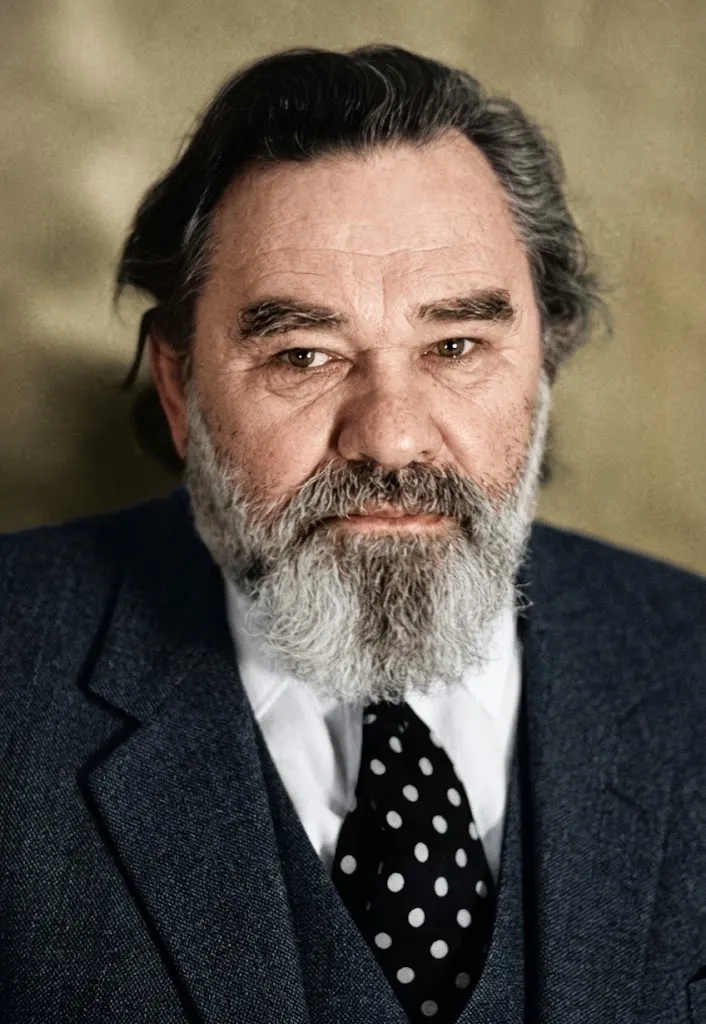
1856–1940
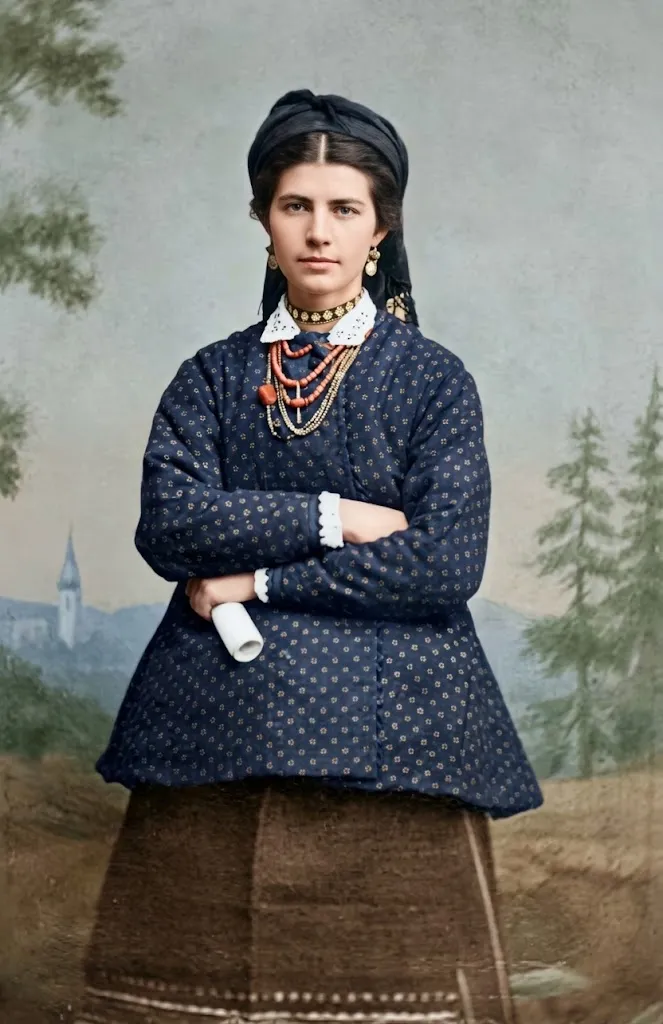
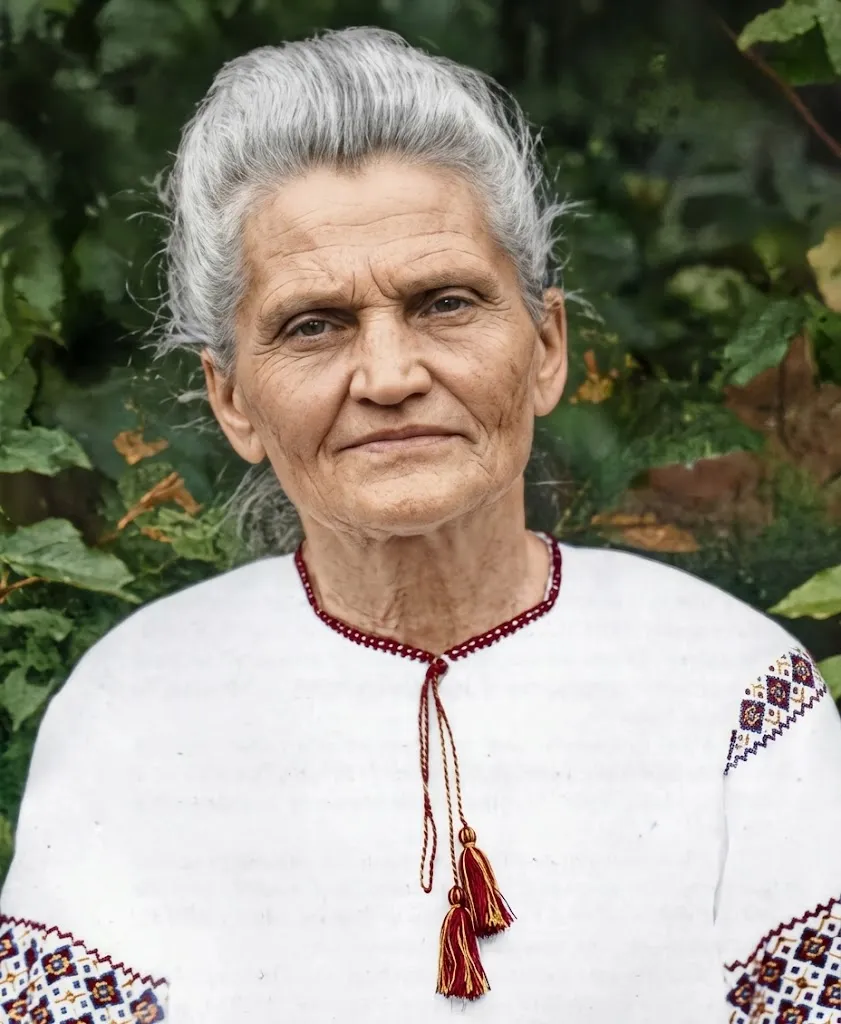
Sofiia Rusova
Educator and civic activist
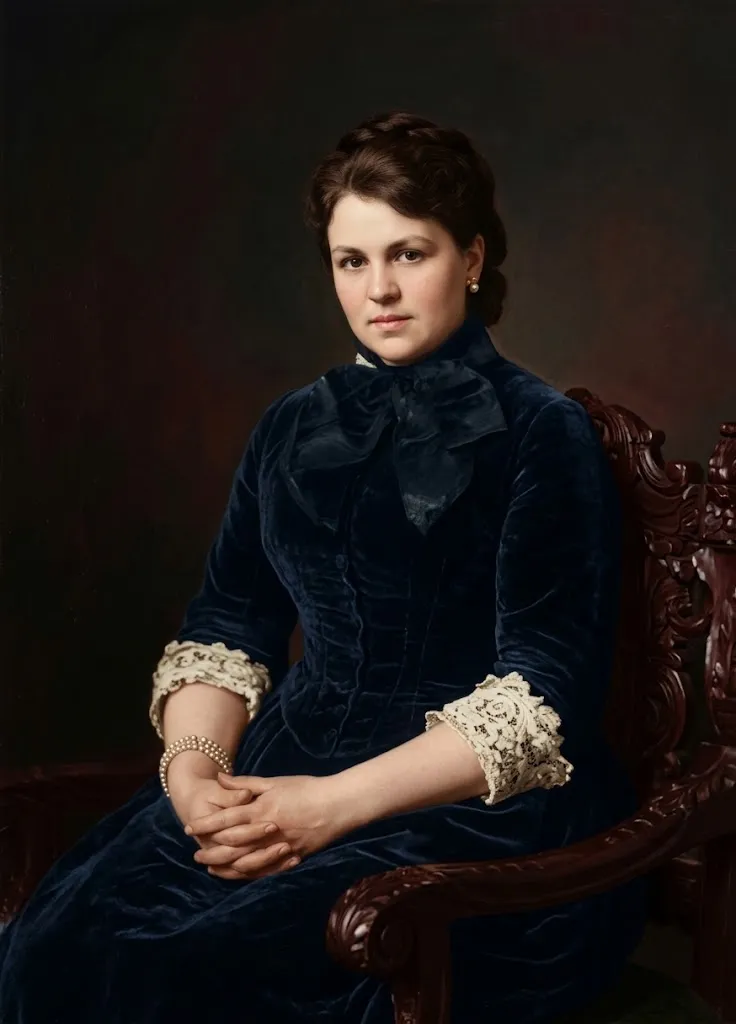
She was 15 when she and her sister opened a kindergarten in Kyiv. Sofiia Rusova grew up in a Swedish-French family and became one of the makers of the Ukrainian school: she wrote textbooks, ran preschool education at the ministry in 1917–1919 and went on training teachers in exile in Prague.
Key accomplishments
- In 1871, with her sister Mariia, opened a kindergarten in Kyiv, one of the first in the city
- The Ukrainian Primer (1906), Elementary Geography (1911), First Reader for Adults for Evening and Sunday Schools (1918)
- Co-editor of the Ukrainian teachers’ magazine Svitlo (1910–1914)
- Member of the Ukrainian Central Rada; head of the All-Ukrainian Teachers’ Association; director of the department of preschool and adult education (1917–1919)
- First president of the National Council of Ukrainian Women; represented Ukrainian women at international women’s conferences
- Theory and Practice of Preschool Education (1924), Didactics (1925), Our Prominent Women (1934), My Memoirs (1937)
The kindergarten a fifteen-year-old opened
Picture Kyiv in 1871: two sisters ask for permission to open a kindergarten. The younger one, Sofiia, is only 15. The school district’s overseer had his doubts, but said yes. So Sofiia Lindfors and her sister Mariia opened one of the first kindergartens in Kyiv. Among its first twenty children were the sons and daughters of the writer Mykhailo Starytskyi.
How the daughter of a Swede and a Frenchwoman became Ukrainian
Sofiia was born in 1856 in the village of Oleshnia in the Chernihiv region. Her father was Swedish, her mother French, and at home the family mostly spoke French. Ukrainian songs came from her nanny, a peasant woman. In Kyiv the girl got to know the composer Mykola Lysenko, the ethnographer Pavlo Chubynskyi, Mykhailo Drahomanov and Olena Pchilka. In 1874 she married the ethnographer Oleksandr Rusov. He was the first, she later wrote, to speak Ukrainian to her. In 1876 she helped him in Prague prepare an edition of Taras Shevchenko’s Kobzar.
A primer in defiance of the bans
Rusova organised public readings and secret schools, so for years she lived under police watch. Fifteen searches and five spells in prison are on record. In 1906 her Ukrainian Primer came out, and from 1910 to 1914 she co-edited the teachers’ magazine Svitlo (Light).
Schools for a new state
In 1917 Rusova was elected to the Ukrainian Central Rada. She headed the All-Ukrainian Teachers’ Association, and from August 1917 to March 1919 she ran the department of preschool and adult education at the education ministry. She set up Prosvita (Enlightenment) societies and courses in Ukrainian studies and prepared textbooks for Ukrainian schools. She also became the first president of the National Council of Ukrainian Women.
Prague, a second time
In the early 1920s Rusova emigrated and settled in Prague. There she taught for years at the Ukrainian Higher Pedagogical Institute named after Mykhailo Drahomanov, helped set up a shelter for the children of Ukrainian émigrés and ran it for five years. In exile she organised help for Ukrainians during the Holodomor and wrote books on education. Sofiia Rusova died in Prague on 5 February 1940.
Why it matters today
Sofiia Rusova proved that a Ukrainian child has the right to learn in their own language from day one, from kindergarten to school. Her textbooks, programmes and books on early education laid the groundwork for Ukrainian preschool education, which still stands on it. She showed that being Ukrainian can be a conscious choice, even for someone who grew up speaking another language at home. Every teacher who leads children in Ukrainian today carries on the work she began at fifteen.