1876–1939
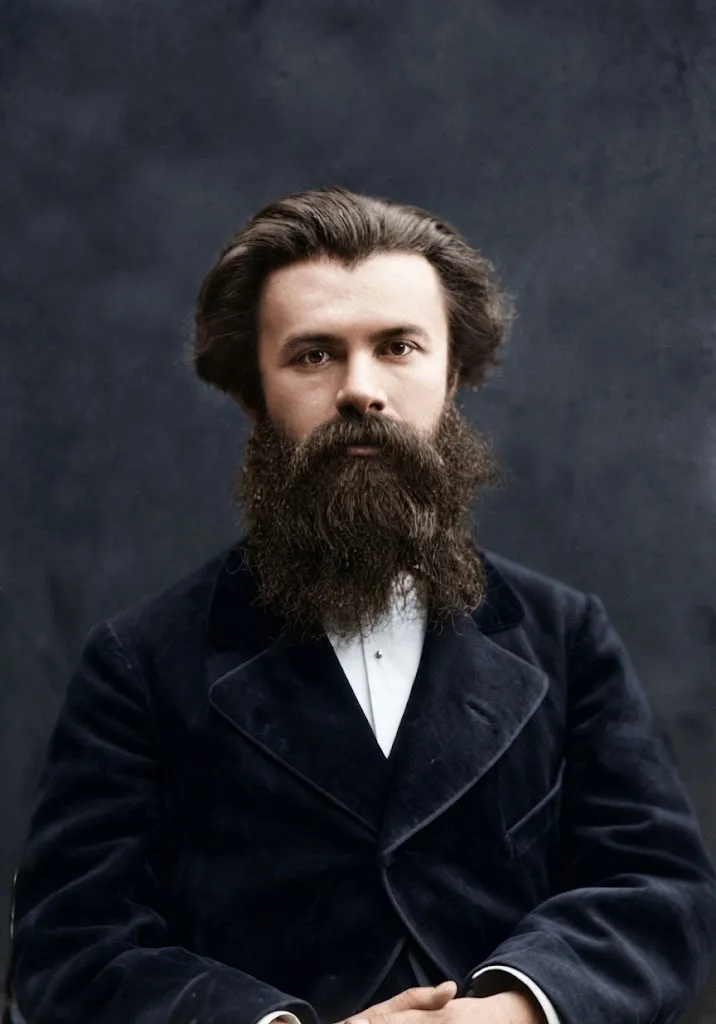
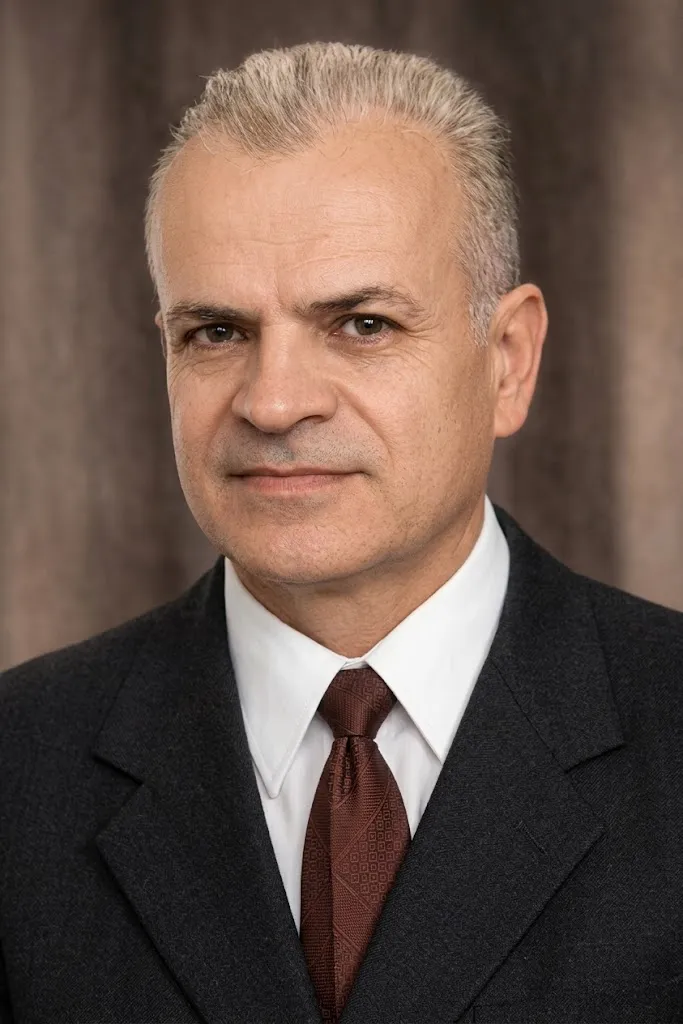
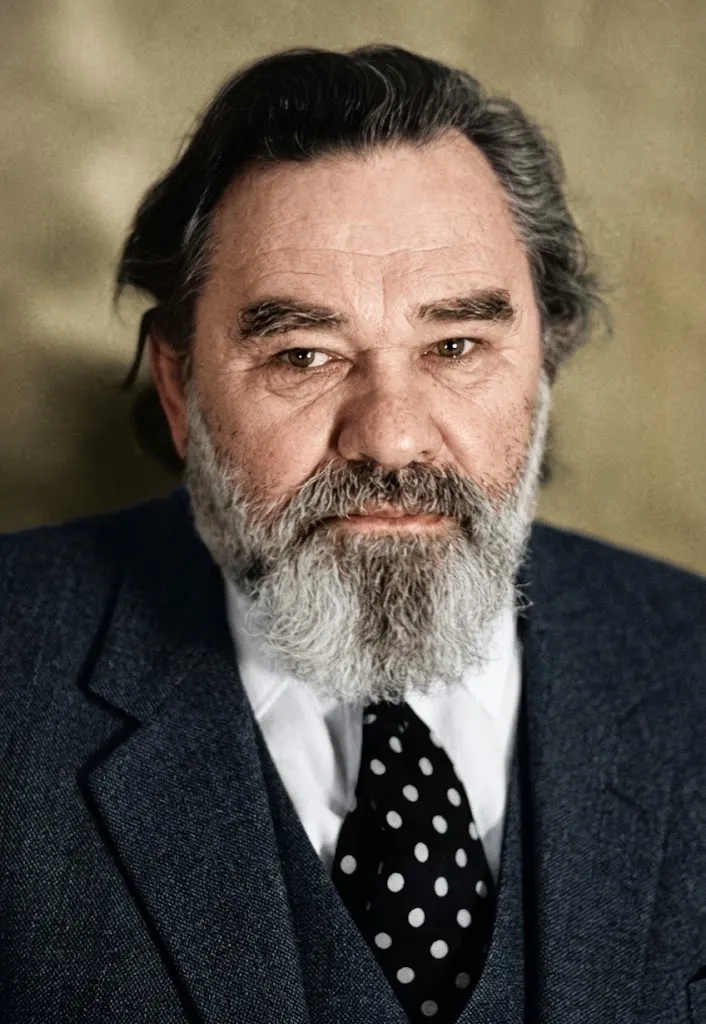
Serhii Yefremov
Literary scholar, Central Rada leader
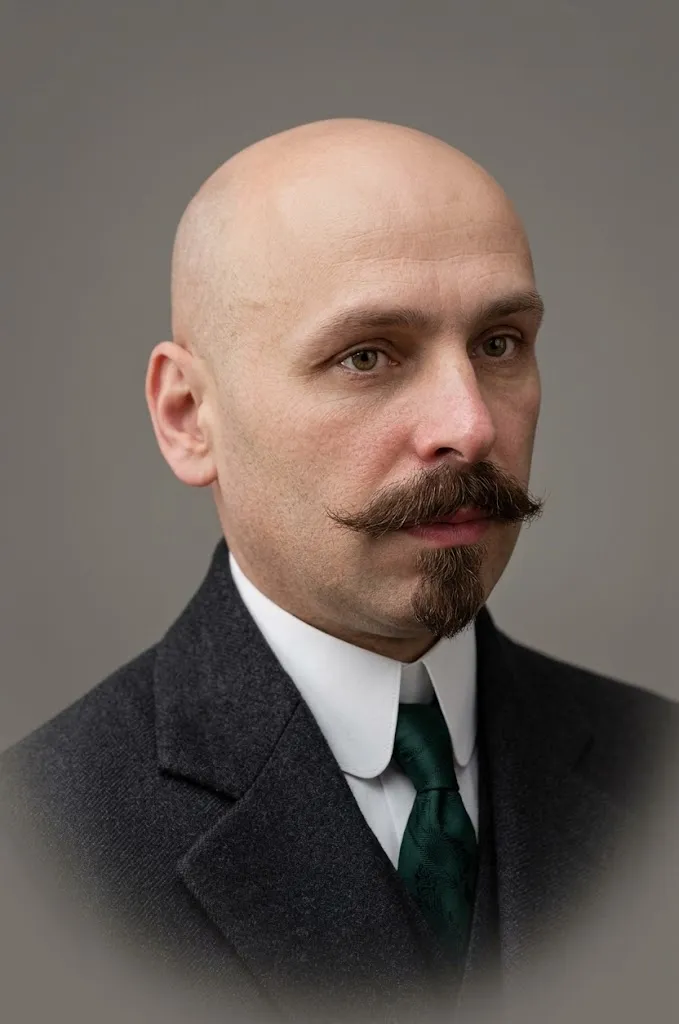
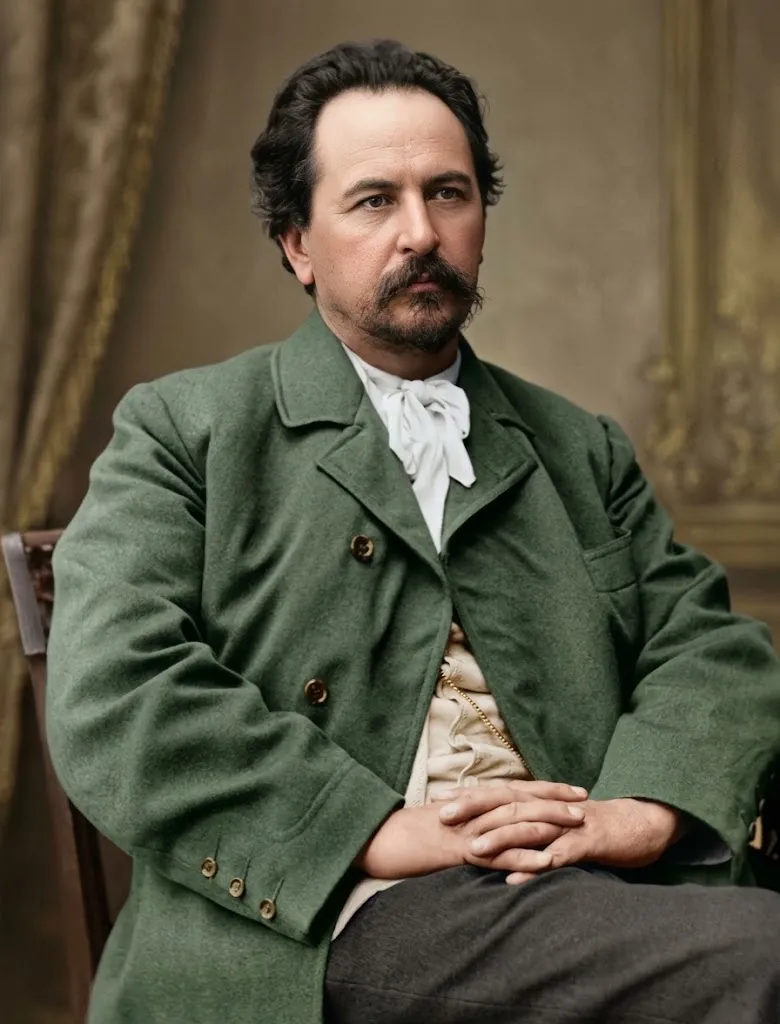
Volosozhar, Zemets, Kyianyn, Lypovchanyn: all one author. Serhii Yefremov wrote a History of Ukrainian Literature and was deputy head of the Central Rada. In 1930 the Soviet regime made him the chief defendant of the SVU show trial; he died in prison in 1939.
Key accomplishments
- A History of Ukrainian Literature (1911; its third edition of 1917 became the most widely read work of literary scholarship of the revolutionary years)
- Monographs on Marko Vovchok, Shevchenko, Franko, Kotsiubynskyi, Nechui-Levytskyi and Panas Myrnyi
- Deputy head of the Central Rada and general secretary for interethnic affairs in the first Ukrainian government (1917)
- The scholarly edition of Taras Shevchenko’s Diary and Letters (1927–1928)
- Vice-president of the All-Ukrainian Academy of Sciences (1922–1928); a co-founder of the Vik publishing house
One author, many names
Volosozhar, Zemets, Kyianyn, Tr. Lanovyi, Lypovchanyn, S. Okhrimenko: behind these and other pen names stood one man. Serhii Yefremov was born in 1876 in the village of Palchyk in the Kyiv region (now Cherkasy region), into a priest’s family. He studied at the Kyiv Theological Seminary but never became a priest: in 1901 he graduated in law from Kyiv University. He began publishing in the mid-1890s, and in his articles he stood up for the Ukrainian word, which was then under a ban.
A historian of literature
The tsarist authorities arrested him several times for his writing and politics. In 1904 he, Borys Hrinchenko and Fedir Matushevskyi founded the Ukrainian Democratic Party. Yefremov co-founded the Vik publishing house, wrote for the papers Hromadska Dumka and Rada, edited the classics and wrote books on Marko Vovchok, Taras Shevchenko, Ivan Franko and Mykhailo Kotsiubynskyi. He had no love for the modernists: in 1902 he sharply criticized Hnat Khotkevych and Olha Kobylianska, among others. In 1911 his History of Ukrainian Literature came out. He saw that literature as a story of personal freedom and national liberation, and the book’s third edition (1917) became the most widely read work of literary scholarship of the revolutionary years.
The revolution of 1917
Yefremov was one of the founders of the Central Rada and became its deputy head, and in the first Ukrainian government he was general secretary for interethnic affairs. He also sat on the Ukrainian delegation that negotiated with the russian Provisional Government. He led the Ukrainian Party of Socialists-Federalists. He saw the Bolshevik coup as a danger to the Ukrainian movement. When Soviet rule returned to Kyiv in 1920, he had to go into hiding. In 1921, at the request of the Academy of Sciences, he was amnestied.
The Academy and the diary
From 1922 to 1928 Yefremov was vice-president of the All-Ukrainian Academy of Sciences and in effect ran its daily work. He prepared the scholarly edition of Shevchenko’s Diary and Letters. He made no secret of his dislike of communist ideology. In 1928 he was removed from all his posts at the Academy.
A trial in the opera house
On 21 July 1929 Yefremov was arrested. The case of an underground “Union for the Liberation of Ukraine” (SVU) was fabricated, and he was named its leader. The trial ran from 9 March to 19 April 1930 in the Kharkiv opera house, and radio broadcast it live. There were 45 people in the dock, among them Andrii Nikovskyi and Liudmyla Starytska-Cherniakhivska. Yefremov was sentenced to death, but the sentence was commuted to ten years in prison. He spent seven years in the political isolation prison in Yaroslavl and the rest in the prison in Vladimir. Serhii Yefremov died on 31 March 1939, a few months before his term was due to end. He was rehabilitated in 1989, and his diary of 1923–1929, seized at his arrest, was published in 1997.
Why it matters today
Serhii Yefremov gave Ukrainians the history of their literature that was read more than any other during the revolution, and in it he traced a path to personal freedom and national liberation. In 1917 he helped build the first modern Ukrainian state. When the regime demanded obedience, he did not hide his views, and he paid for it with his freedom and his life. The diary taken from him at his arrest now lets us see the 1920s through the eyes of a free man. Anyone who stands up for the Ukrainian language carries on his work, and since 2018 a government scholarship for master’s students of Ukrainian language and literature has borne his name.