c. 1460–1530
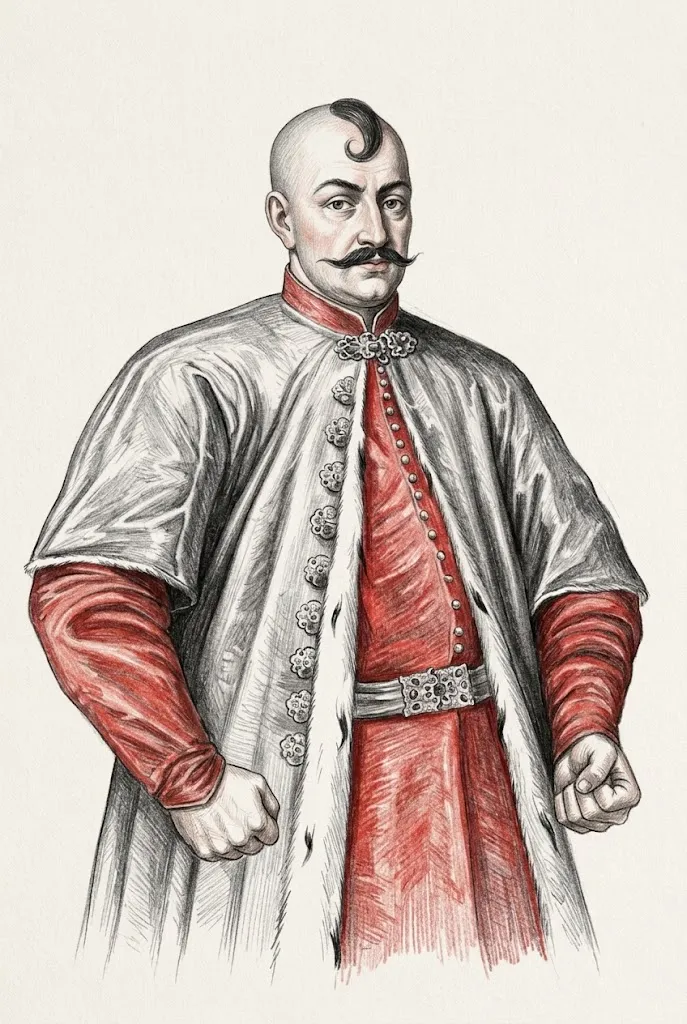
Kostiantyn Ostrozkyi
Grand Hetman of Lithuania, commander
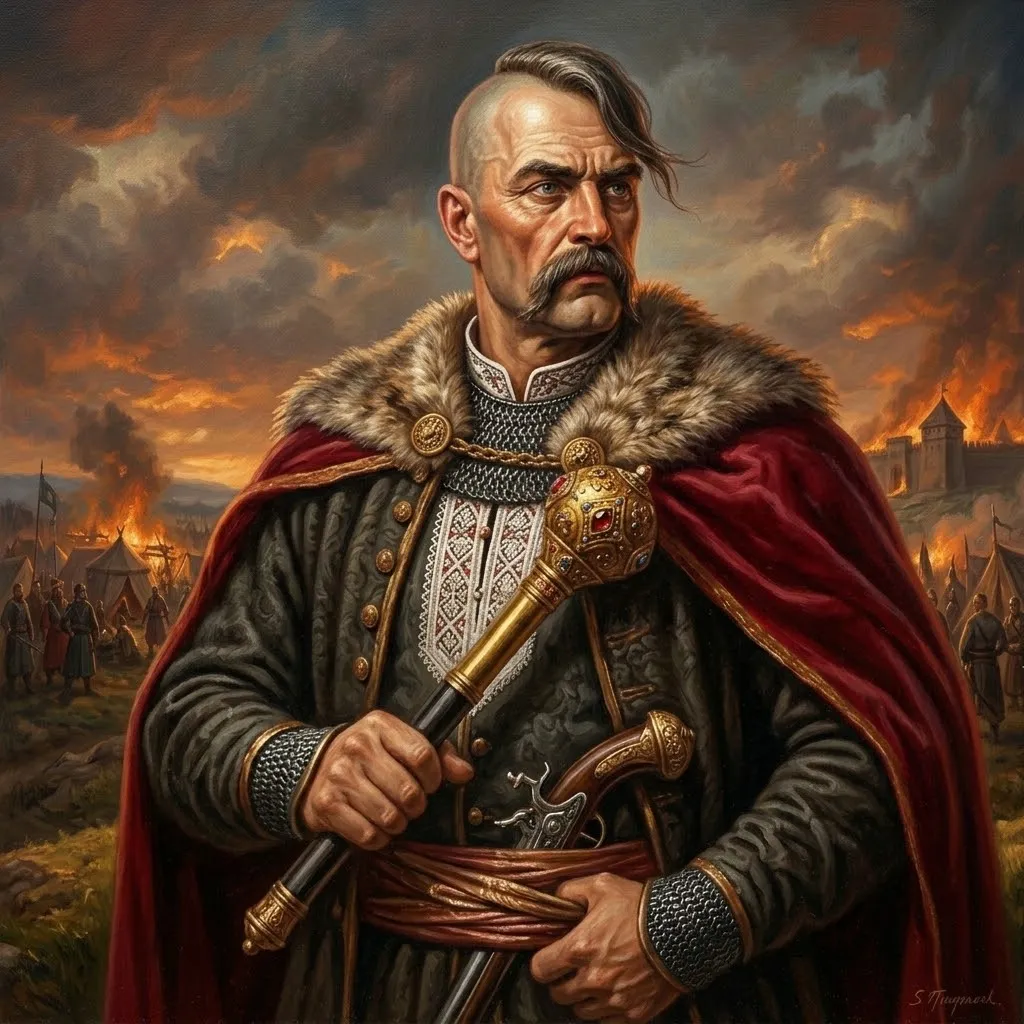
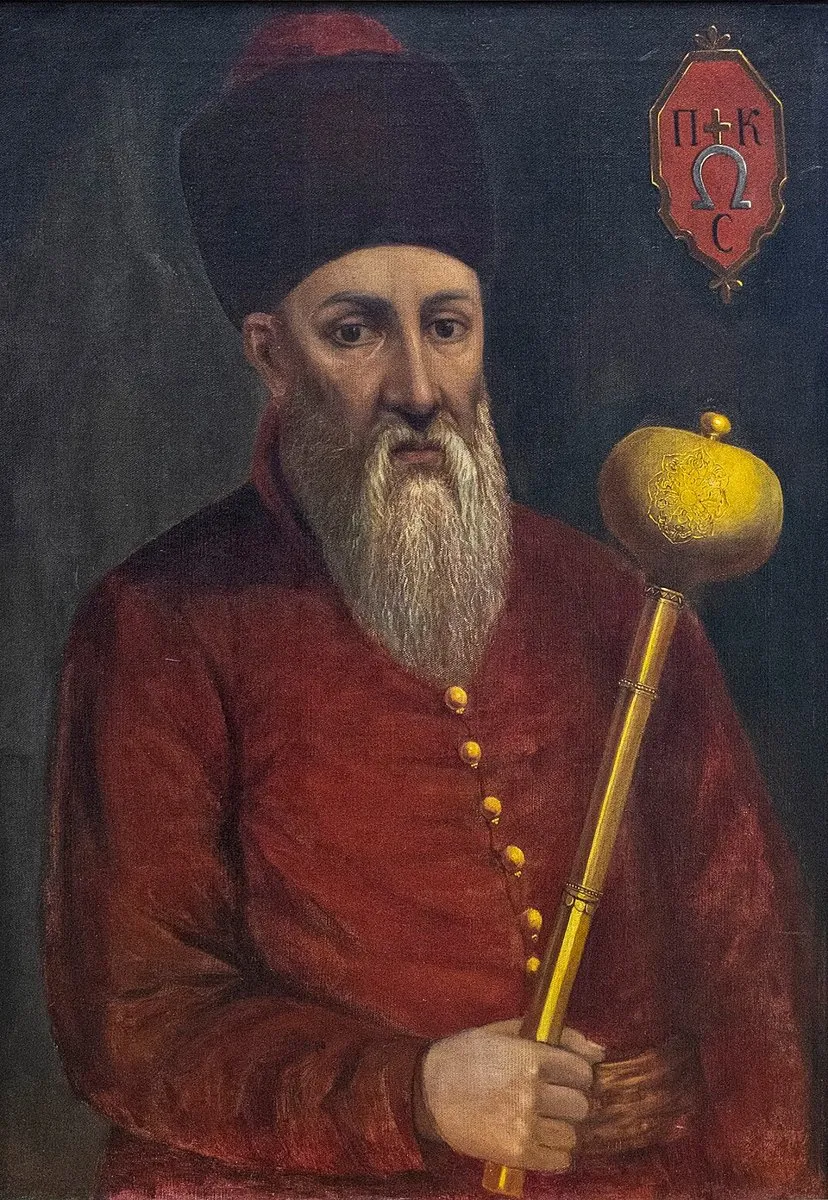
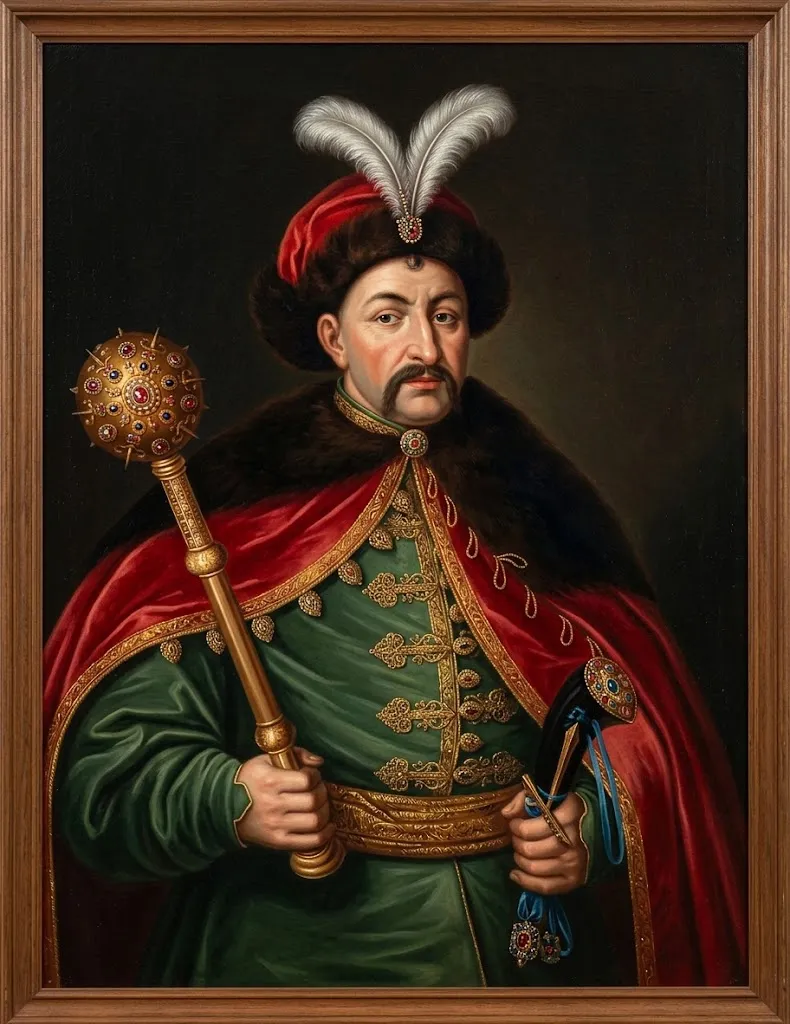
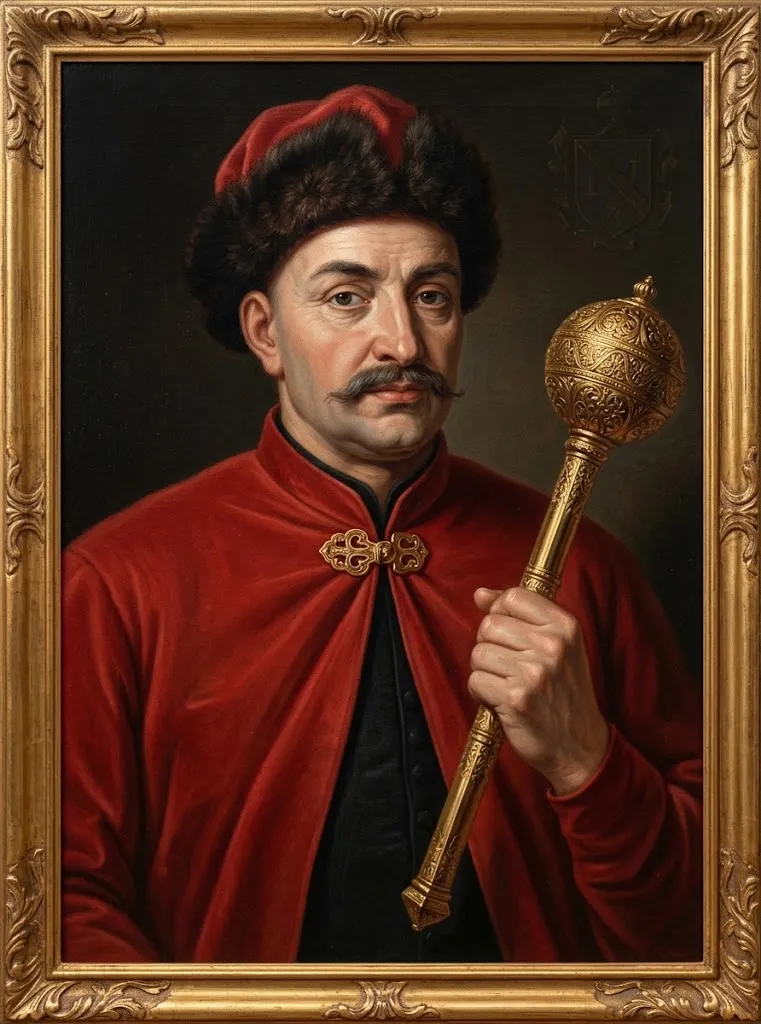
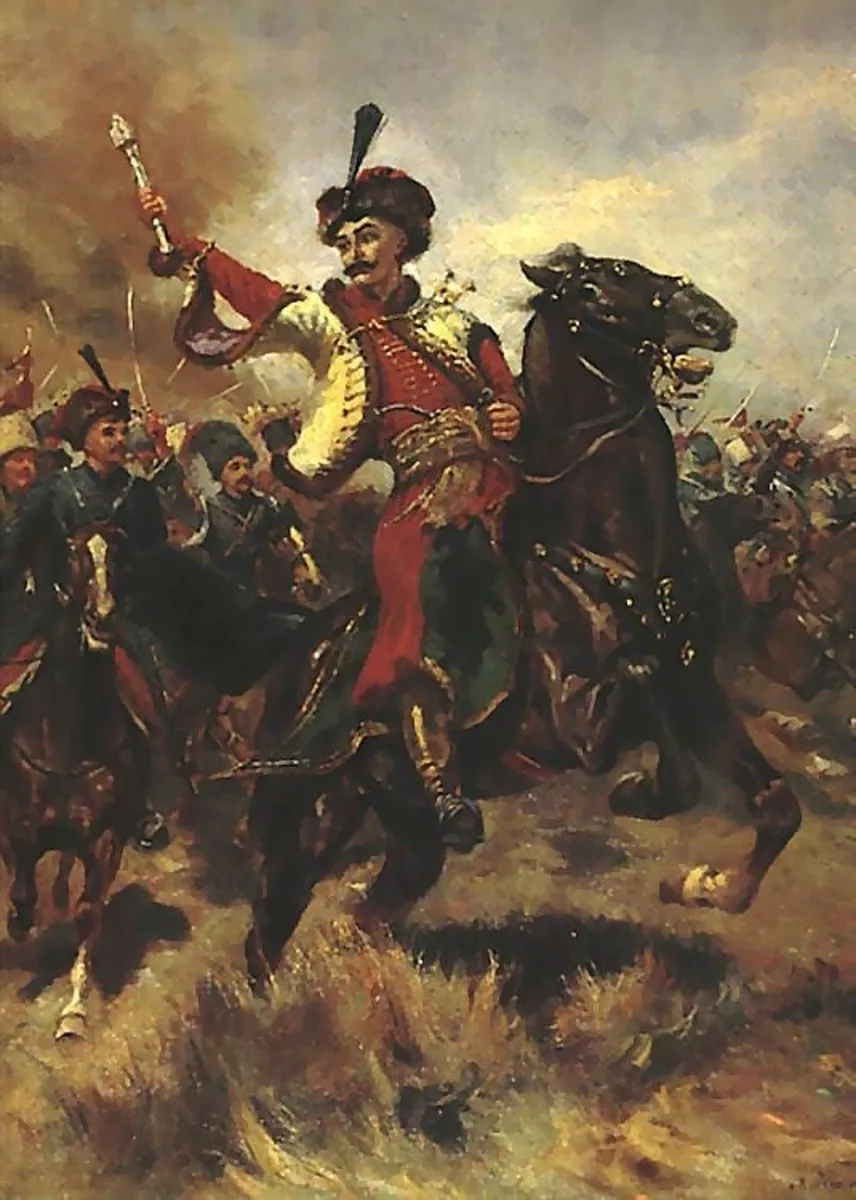
A Polish chronicler called him “the second Hannibal” and “the Ruthenian Scipio”. Prince Kostiantyn Ostrozkyi led the army of the Grand Duchy of Lithuania, escaped from captivity in Muscovy, won at Orsha in 1514 and built Orthodox churches from Volhynia to Vilnius.
Key accomplishments
- Grand Hetman of Lithuania (1497–1500, 1507–1530)
- Victories over the Tatars at Vyshnivets (1512) and on the Olshanytsia (1527), where he freed thousands of captives
- Victory over the Muscovite army at Orsha (1514)
- In 1511 won the king’s confirmation of the Kyiv Orthodox hierarchs’ right to their own church courts
- Built Orthodox churches in Ukraine and Lithuania, including two in Vilnius; supported the Kyiv Cave Monastery
“The Ruthenian Scipio”
Why would a Polish chronicler call a prince from Volhynia “the second Hannibal” and “the Ruthenian Scipio”, after the great generals of antiquity? Kostiantyn Ostrozkyi was born around 1460, probably in Ostroh, and went on campaigns with his father from a young age. In 1497, near Ochakiv, he defeated a Tatar army and freed its captives. Soon afterwards he was made Grand Hetman of Lithuania, the commander-in-chief of the Grand Duchy’s army.
Seven years a prisoner
In 1500, on the Vedrosha River, Ostrozkyi’s army suffered a heavy defeat and he was taken prisoner by Muscovy. After a truce in 1503 Moscow released the other prisoners but not him: it wanted him in its own service. In 1506 he swore a written oath to the Grand Prince of Moscow and received estates and a post, but escaped at the first chance and reached Vilnius in the autumn of 1507. The king gave him back all his offices and added new ones.
From Vyshnivets to Orsha
In 1512, at Vyshnivets, the hetman beat the Tatars and freed 16,000 captives. In 1514, at Orsha, his army won a famous victory over the Muscovite army. In 1527, on the Olshanytsia River in the Kyiv region, he defeated the Tatars again and freed between 40,000 and 80,000 captives, by different accounts.
Defender of the Orthodox
In 1511, at Ostrozkyi’s request, the king confirmed the right of the Kyiv Orthodox hierarchs to run their own church courts and affairs without interference from secular officials. The prince built churches in Ukraine and Lithuania, including two Orthodox churches in Vilnius, and gave generously to the Kyiv Cave Monastery.
Father of two princes
From his first marriage Ostrozkyi had a son, Illia, the father of Halshka Ostrozka; from his second, a son named Vasyl, the future Kostiantyn Vasyl Ostrozkyi. The hetman died in August 1530, in Turiv or in Vilnius by different accounts. As he had asked, he was buried in the Dormition Cathedral of the Kyiv Cave Monastery.
Why it matters today
Kostiantyn Ostrozkyi showed that a prince from Volhynia could become a commander whom his contemporaries compared with the heroes of antiquity. His victories stopped Tatar raids and brought thousands of captives back home. Even after seven years as a prisoner he went back to serve his own state, not the one that had held him. He defended the right of the Orthodox Church to live by its own laws and built churches for it. Anyone who defends Ukraine today and cares for its faith and culture is following in his footsteps.