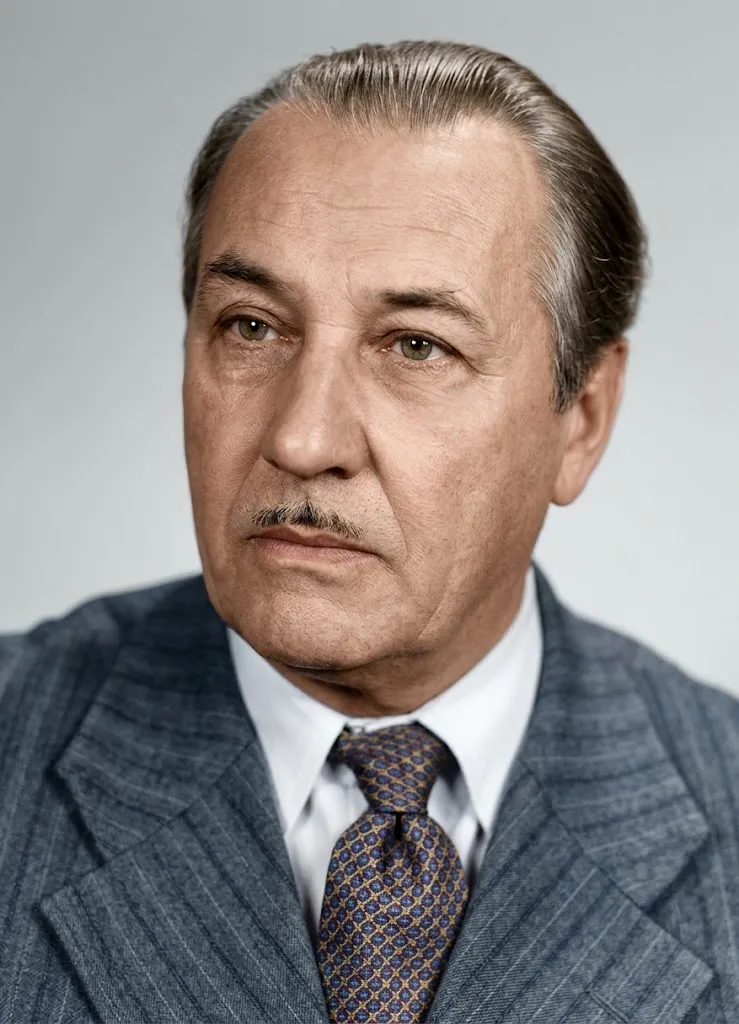
1906–1984
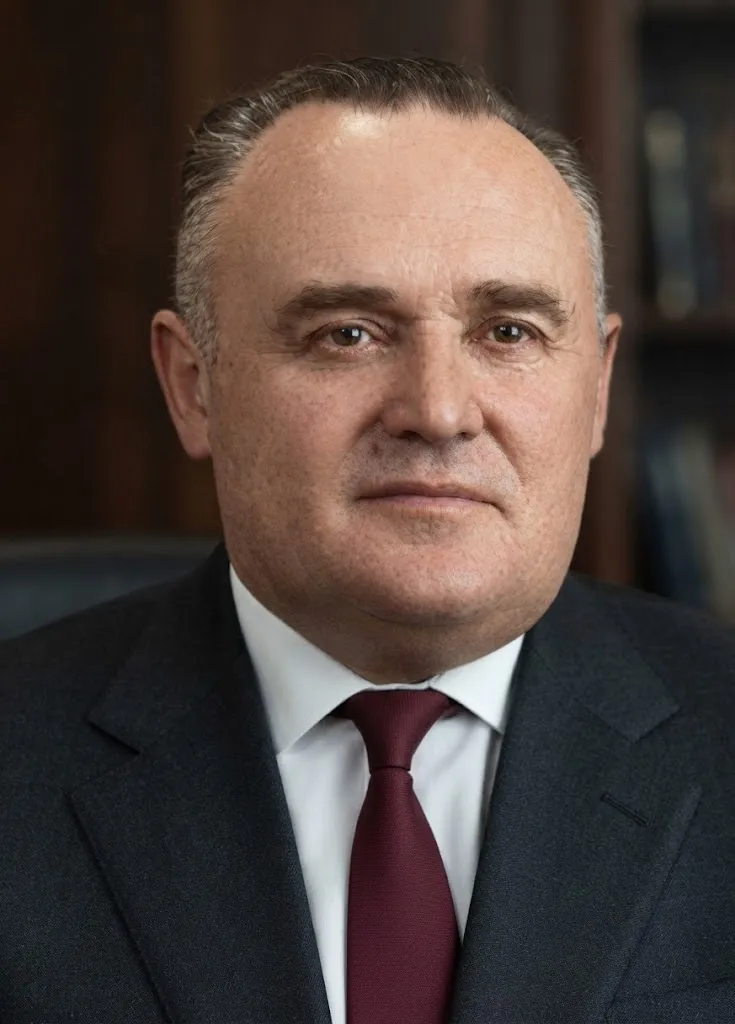
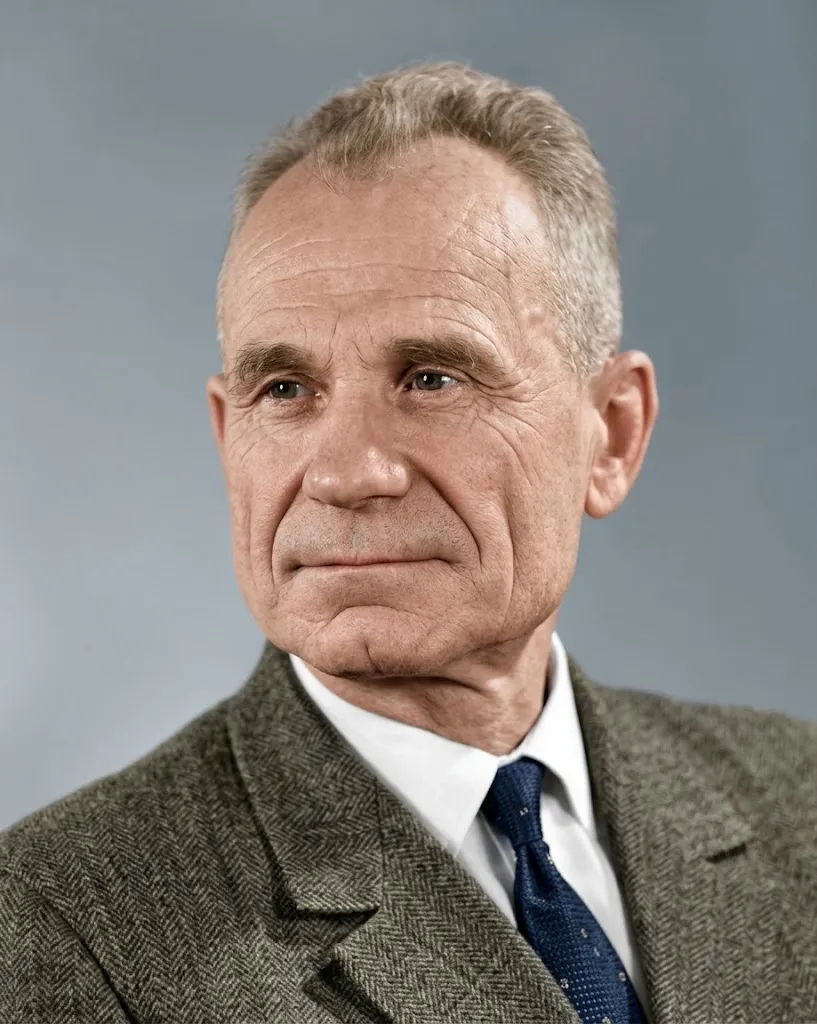
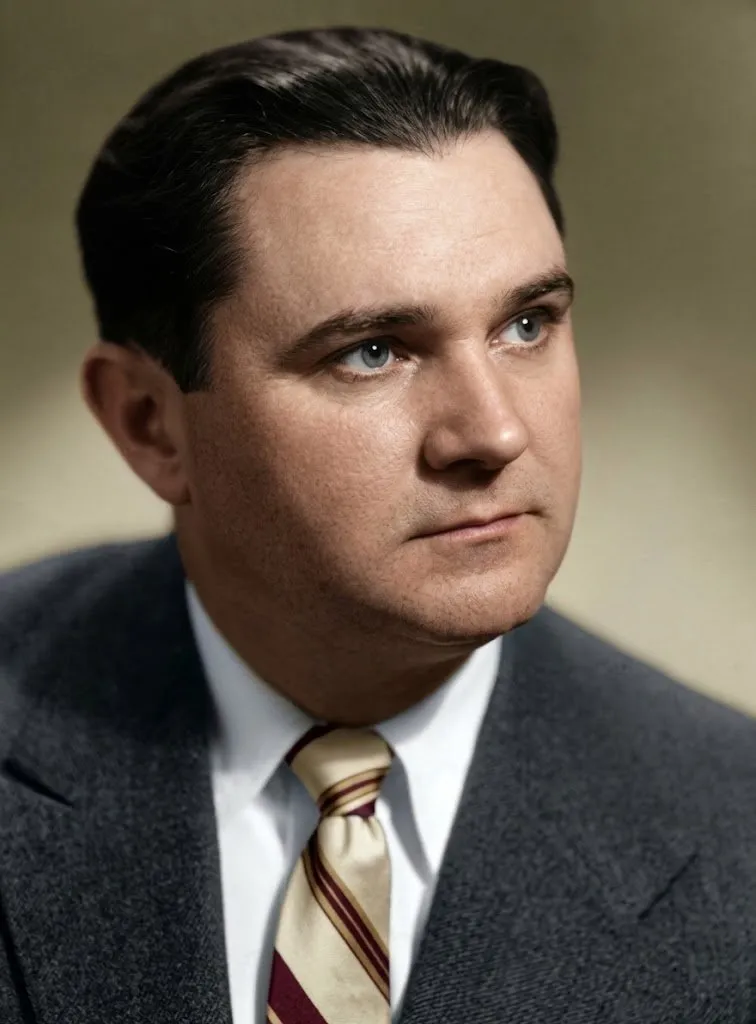
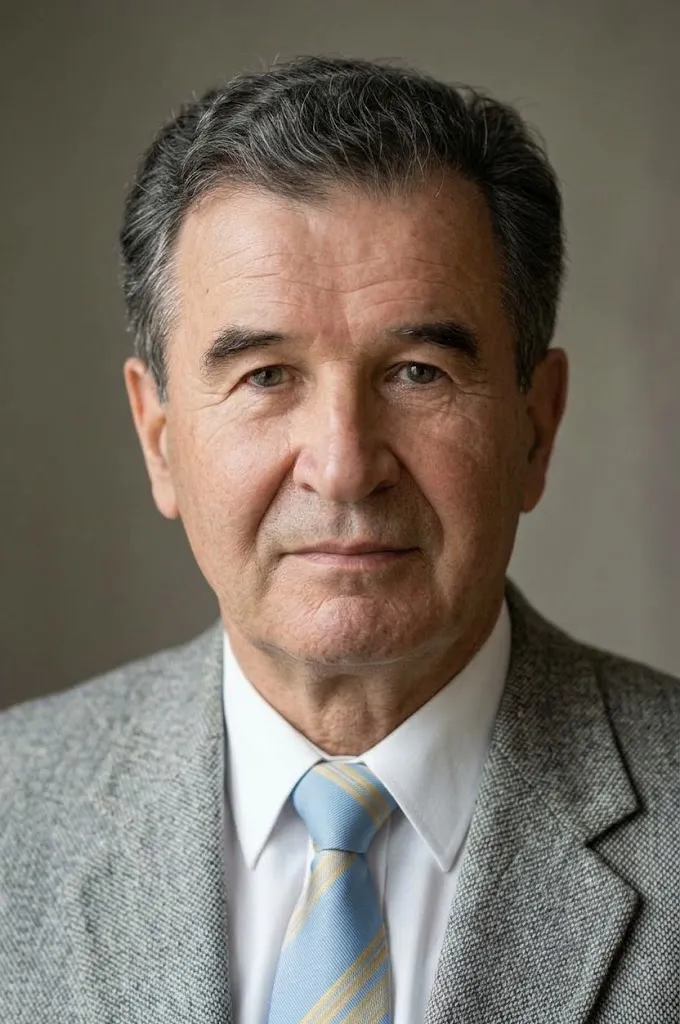
Oleh Antonov
Designer of the An aircraft
The An-2 stayed in series production for 60 years, and Oleh Antonov designed it. Born near Moscow, the aircraft designer moved his bureau to Kyiv in 1952 and lived there for the rest of his life. His Kyiv bureau built the Ruslan and, after his death, the Mriya, the world’s largest aircraft.
Key accomplishments
- The An-2 (1947), an aircraft kept in series production for 60 years
- The Rot Front-7 glider: a world distance record of 749 km (1939)
- The An-22 Antei, the world’s first wide-body long-range transport aircraft
- The An-24, An-26, An-72 and the An-124 Ruslan, his last project
- Chief designer, and from 1962 general designer, of the Kyiv design bureau (1952–1984)
A glider at 18
Oleh Antonov was born in 1906 in the village of Troitsa near Moscow, the son of a civil engineer. He finished school in Saratov and began building gliders there. He built his first, the Holub (“Dove”, 1924), at 18, and it won a certificate for originality at a national gliding meet in Crimea. Antonov then studied at the Leningrad Polytechnic Institute.
From gliders to aircraft
Antonov became chief designer of a glider factory in Moscow in 1933; it produced about 30 types of gliders, mostly for training pilots. In 1939 his Rot Front-7 glider flew 749 km, a world distance record. In the Second World War he designed transport gliders, among them the A-40, built to carry a tank to support partisans.
The “crop duster” that flew for 60 years
Antonov took charge of a new design bureau in Novosibirsk in 1946, and by 1947 the An-2 was in the air. This small multipurpose plane, nicknamed the “kukuruznyk” (“corn-crop plane”), could land on any airfield, and it stayed in series production for 60 years.
Kyiv and the heavy lifters
Antonov’s bureau was moved to Kyiv in 1952, and he worked there for the rest of his life: first as chief designer and from 1962 as general designer. In Kyiv the bureau built the An-10, An-12, An-24 and An-26 passenger and transport planes. The An-22 Antei became the world’s first wide-body long-range transport aircraft, and the An-124 Ruslan, Antonov’s last project, the world’s largest four-engine transport.
Oleh Antonov died on 4 April 1984 in Kyiv, where he had lived for more than 30 years, and is buried at Baikove Cemetery.
The Mriya
The Kyiv bureau bears Antonov’s name. Over the years it has created more than 100 types and versions of An aircraft and built more than 22,000 of them. Antonov did not live to see the most famous of them: the An-225 Mriya (“Dream”) first flew in 1988, four years after his death.
Just three months after its first flight, the Mriya set 110 world records in a single flight, and 240 in all, something unprecedented in aviation. In 2009 it carried a generator weighing more than 187 tonnes from Frankfurt to Yerevan, and the flight entered Guinness World Records as the largest single-piece cargo in aviation history. The Mriya was called the flagship of Ukrainian aviation. On 27 February 2022 it became known that russian troops had destroyed it at the Antonov airfield in Hostomel, near Kyiv.
Why it matters today
Antonov made Kyiv one of the world’s centres of heavy aviation: the bureau he brought there bears his name. An aircraft proved that Ukraine builds machines the world had never had before, from the first wide-body Antei to the Mriya, the flagship of Ukrainian aviation. Antonov stood up for more than his aircraft: in 1965 he signed the Letter of the 78, an open protest against the repression of Ukrainian creative intellectuals and discrimination against Ukrainian culture. The road to the Mriya began with a glider he built at 18: a reminder for anyone with a dream.